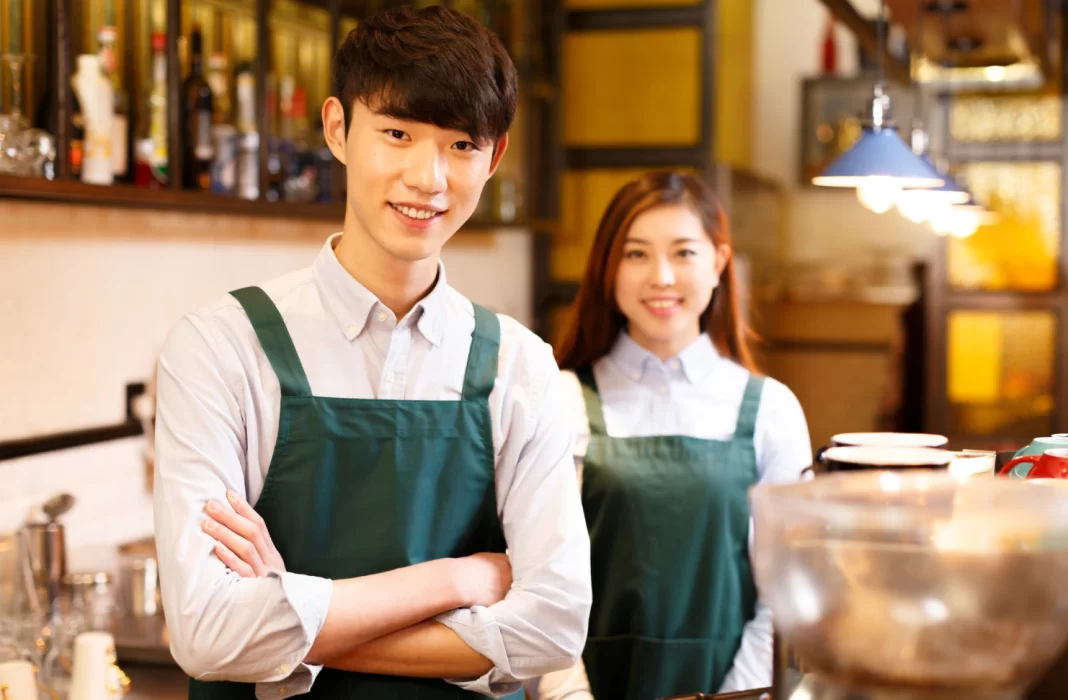

If your front of house is messy, your restaurant is losing customers, even if the food is great.
That’s because the front of house is where your guests form their first impression, have their last word, and decide whether or not to return.
This guide walks you through practical, real-time front of house restaurant management tips that actually improve your dining experience, guest satisfaction, and restaurant operations.
Let’s get into it.
What Makes Front of House Management So Critical?
Your front of house is where customers interact with your brand. Every greeting, every order taken, and every problem solved happens here. The difference between a successful restaurant and one that struggles often comes down to how well you manage this space.
Strong front-of-house management directly affects your restaurant’s success. When your dining room runs smoothly, customers leave happy. When it doesn’t, even high-quality food won’t save you from negative reviews and lost repeat business.
How Do You Set Up Your Front of House for Success?
Start with your physical space. Your dining area needs to support both your front-of-house staff and your guests. Think about traffic flow, table placement, and sight lines from the host stand to every corner of your dining room.
Create clear zones for different house positions. Your host needs easy access to the waiting area and bar area. Food runners need direct paths from the kitchen to tables. Servers need strategic stations throughout the dining area.
Set up your lobby and dining area to handle peak times. Position extra chairs for busy periods. Install a kitchen display system that keeps your front-of-house (FOH) teams connected to back-of-house operations.
What Are the Essential Front of House Manager Responsibilities?

Your front-of-house manager coordinates every moving part. They schedule staff, audit table management systems, and ensure service quality stays consistent throughout each shift.
Daily responsibilities include briefing servers on menu changes, monitoring wait times, and delivering exceptional customer service. Your manager also tracks guest satisfaction and works with the back-of-house team to maintain smooth and efficient service.
Restaurant managers also handle labor costs by optimizing scheduling. They know when to call in extra house employees and when to send staff home early.
How Do You Train Your Front of House Team Effectively?
Training starts before your first guest walks in. Every member of your front-of-house staff needs to understand your service standards, menu items, and customer service skills.
Create specific training modules for different house positions:
- Hosts learn greeting protocols and reservation management
- Servers train on the menu and upselling techniques
- Food runners understand timing and food safety requirements
- Bar staff focus on speed and accuracy
Role-play common scenarios during training. Practice handling customer complaints, managing special requests, and coordinating with the back-of-house. Regular training sessions keep everyone sharp and maintain service quality.
Which Communication Systems Work Best?
Clear communication between front of house and back of house prevents most service breakdowns. Install communication systems that let your kitchen display system show order status in real-time.
Your FOH staff needs instant updates on food preparation times. When the executive chef knows about dietary restrictions or special requests immediately, the entire dining experience improves.
Create standard phrases for common situations. When your FOH staff uses consistent language, it reduces confusion and speeds up service. This keeps both the FOH and BOH teams on the same page during busy periods.
How Do You Optimize Table Management?
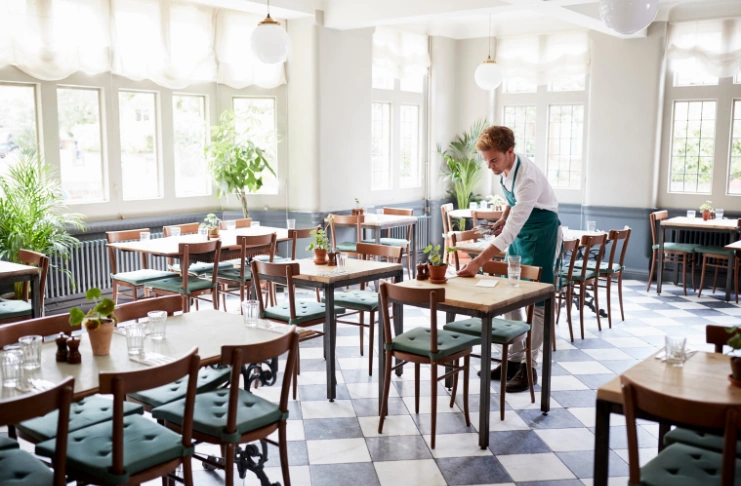
Smart table management reduces wait times and maximizes your dining room capacity. Use reservation systems that track table turnover rates and predict busy periods.
Train your host to recognize table combinations. A party of six might work better at two small tables than waiting for one large table. This flexibility improves the overall dining experience for everyone.
Monitor average dining times for different party sizes. Use this data to give accurate wait time estimates. Guests who know what to expect are more patient and satisfied with their positive dining experience.
INDUSTRY INSIGHT
| Guests who wait longer than expected are 18% less satisfied with their entire experience. But here’s what hits harder: Dissatisfaction jumps by 262% when wait times exceed expectations. On the flip side, when the wait is shorter than expected, satisfaction can increase by up to 1.6 times. With 83% of customers saying queue speed defines their overall visit quality, managing perceived wait time becomes a revenue lever. Virtual queues, better staffing during peak hours, and real-time updates can directly improve customer satisfaction and repeat business. |
What’s the Best Way to Handle Customer Complaints?
Address customer complaints immediately and directly. Train your front-of-house team to listen fully before responding. Most complaints stem from miscommunication or unmet expectations.
Empower your servers to resolve minor issues on the spot. A complimentary dessert or drink often turns a negative situation into a positive guest experience. For bigger problems, involve your front-of-house manager immediately.
Document all customer feedback for patterns. If multiple guests complain about slow service or cold food, you have operational issues to address. Use this information to continuously improve your restaurant operations.
How Do You Create a Welcoming Atmosphere?

Your welcoming atmosphere starts the moment guests approach your restaurant. Train hosts to greet every guest within 30 seconds, even during busy periods. Eye contact and genuine smiles set the tone for the entire meal.
Keep your dining area clean and comfortable. Check lighting levels, temperature, and noise levels throughout each shift. Small details like fresh flowers or background music contribute to a memorable dining experience.
Your front-of-house staff should anticipate guest needs. Refill water glasses before they’re empty. Clear empty plates promptly. These small actions create exceptional customer service that guests remember.
What Role Does Menu Knowledge Play?
Your front-of-house team must know every menu item inside and out. Servers who can describe dishes confidently and suggest wine pairings deliver excellent customer service naturally.
Regular menu tastings keep your staff current on seasonal changes and new items. When servers can speak passionately about the food, it enhances the guest experience and increases sales.
Train staff to handle dietary restrictions and allergies seriously. Coordinate with the back-of-house team to ensure food safety protocols are followed for every special request.
How Do You Manage Peak Service Times?
Preparation prevents chaos during rush periods. Your front-of-house manager should brief the entire team before busy shifts. Review reservations, discuss specials, and assign specific house positions.
During peak times, communication becomes even more critical. Your front-of-house operations depend on everyone knowing their role and supporting teammates when needed.
Have backup plans ready. When wait times increase, offer guests drinks at the bar area or provide entertainment in the waiting area. Keep the positive work environment intact even under pressure.
What Technology Helps Front of House Operations?

Modern restaurant technology streamlines front-of-house management. Point-of-sale systems that integrate with your kitchen display system reduce errors and speed up service.
Mobile ordering and payment options appeal to tech-savvy customers. These systems also reduce labor costs by automating routine tasks your front-of-house staff would otherwise handle manually.
Use data analytics to track service speed, table turnover, and customer satisfaction. This information helps you make informed decisions about staffing and operations.
How Do You Handle Walk-In Customers?
Walk-in customers test your front-of-house flexibility. Train hosts to assess available seating quickly and provide accurate wait times. Even when you’re fully booked, professional handling of walk-ins protects your reputation.
Create a system for managing walk-in lists during busy periods. Use text notifications to alert guests when tables become available. This lets them explore nearby areas instead of crowding your waiting area.
Consider offering takeout options to walk-in customers when dining room capacity is full. This generates revenue and shows you value every customer, even when you can’t provide immediate seating.
Why Is Staff Scheduling So Important?
Proper scheduling ensures adequate coverage without overstaffing. Your front-of-house manager needs to balance labor costs with service quality requirements.
Use historical data to predict busy periods. Schedule experienced servers during peak times and newer staff during slower periods. This maintains consistent service quality while controlling costs.
Build flexibility into your schedules. Having on-call staff available for unexpected busy periods or last-minute callouts prevents service breakdowns.
How Do You Maintain Food Safety in the Front of House?
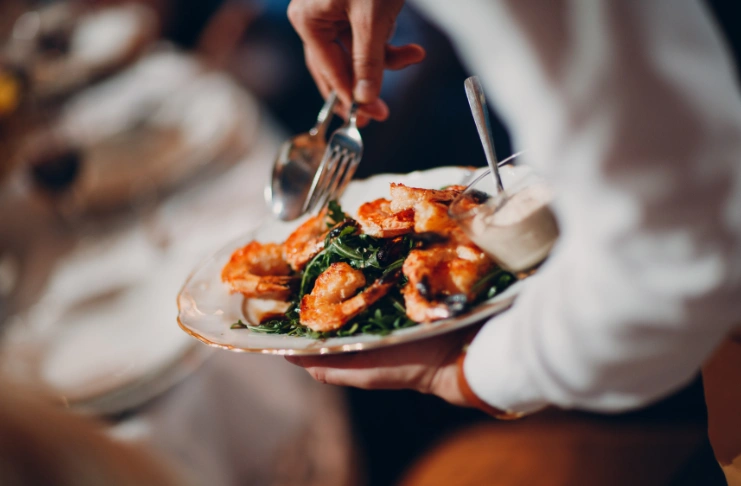
Food safety extends beyond the kitchen into your dining room. Train your front-of-house staff on proper food handling procedures, particularly in food service and waste management.
Servers must understand temperature requirements and time limits for food service. When plates sit too long under heat lamps, food quality suffers and safety risks increase.
Coordinate with your back-of-house team on food safety protocols. Clear communication about timing and temperature requirements protects both your guests and your business.
What Creates Exceptional Customer Service?
Providing excellent customer service comes from genuine care and attention to detail. Your front-of-house team should treat every guest like a valued friend visiting their home.
Train staff to read guest preferences and adapt their service style accordingly. Some customers prefer quick, efficient service while others want a leisurely dining experience with conversation.
Consistent follow-up throughout the meal shows you care about the guest experience. Check on tables at appropriate intervals without being intrusive.
How Do You Build Team Cohesion?
Strong teamwork between front of house and back of house creates smooth restaurant operations. Regular team meetings help everyone understand their role in delivering exceptional service.
Foster mutual respect between all house employees. When kitchen staff and dining room staff work together effectively, the entire operation benefits.
Create opportunities for cross-training. When front-of-house staff understand back-of-house operations, they can better explain wait times and coordinate special requests.
What Metrics Should You Track?
Monitor key performance indicators that reflect your front-of-house effectiveness. Track average wait times, table turnover rates, and customer satisfaction scores regularly.
Measure service speed from order to delivery. Identify bottlenecks in your process and address them systematically. This data helps you optimize both front-of-house operations and back-of-house coordination.
Survey guest satisfaction regularly through feedback forms or follow-up emails. Use this guest feedback to identify areas for improvement and recognize outstanding performance.
How Do You Handle Special Events and Large Parties?
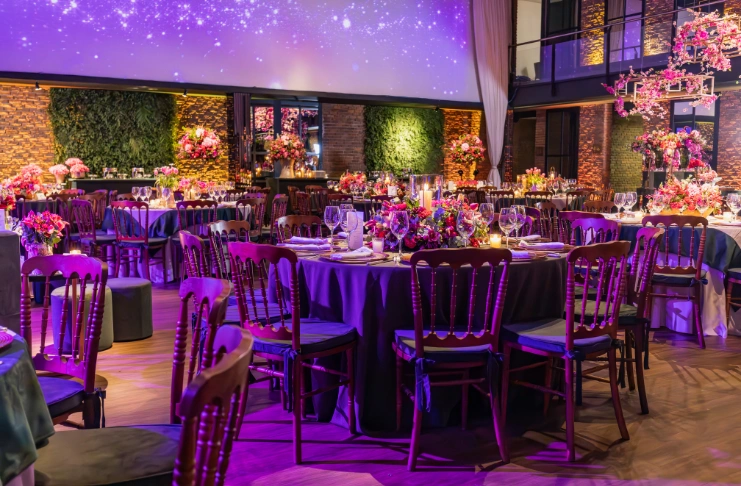
Special events require modified front-of-house procedures. Plan staffing levels, table configurations, and service timing well in advance.
Large parties need dedicated attention from experienced servers. Assign your best front-of-house staff to handle groups that significantly impact your dining room flow.
Coordinate closely with the back-of-house team for special event menus. Ensure your kitchen display system can handle modified timing requirements for group orders.
What’s the Key to Managing Customer Expectations?
Clear communication prevents most customer service problems. Train your front-of-house team to explain wait times, describe dishes accurately, and confirm special requests immediately.
Set realistic expectations from the moment guests arrive. If your kitchen is running behind, inform guests immediately rather than letting them wonder about delays.
Follow through on every promise made. If you tell guests their food will be ready in 15 minutes, deliver on that timeline or communicate any changes promptly.
How Do You Create Memorable Experiences?
Memorable experiences come from exceeding expectations in small ways. Train your front-of-house staff to notice celebration opportunities like birthdays or anniversaries.
Personalize service when possible. Remembering regular customers’ favorite dishes or drink preferences creates strong emotional connections that drive repeat business.
Handle mistakes gracefully. When problems occur, your response often matters more than the original issue. Quick resolution and genuine apologies can actually strengthen customer relationships.
What About Managing the Bar Area?
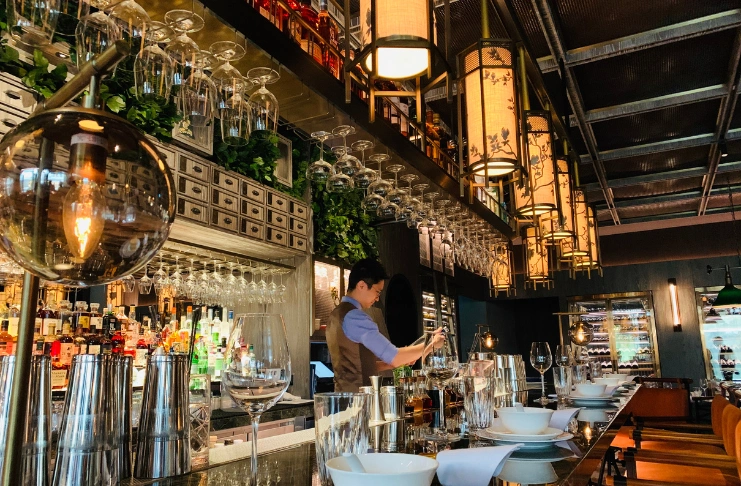
Your bar area often serves as overflow seating during busy periods. Train bartenders to provide the same level of service as your dining room staff.
Coordinate the timing of the bar and dining room for guests who move between areas. When someone starts with drinks at the bar, ensure smooth transitions to their dining table.
Use your bar area strategically during wait times. Offer appetizers and drinks to waiting guests, turning potential frustration into additional revenue.
How Do You Maintain Quality Control?
Consistent quality control requires systematic monitoring of every aspect of your front-of-house operations. Create checklists for opening and closing procedures that cover all critical areas.
Regularly audit your service standards through mystery shopping or management observation. Identify gaps between your expectations and actual performance.
Address quality issues immediately when they arise. Don’t let small problems become bigger issues that impact the guest experience.
Conclusion
Managing front-of-house restaurant operations effectively requires constant attention to detail and commitment to excellence. Since your team creates every guest’s first and last impression, their performance is critical to your restaurant business.
Focus on clear communication, thorough training, and systems that support both your staff and your customers. When you get these fundamentals right, exceptional customer service follows naturally.
Remember that great front-of-house management is about people serving people. Invest in your front-of-house staff, give them the tools they need to succeed within the restaurant industry, and support them in delivering the dining experience your guests deserve.
Your bottom line will reflect the care you put into every aspect of your front-of-house operations.
Frequently Asked Questions
1. How to be the best foh manager?
Focus on clear communication, consistent training, and leading by example. Support your restaurant staff during busy periods and address issues immediately when they arise.
2. What is the 30/30/30/10 rule for restaurants?
This budgeting guideline suggests 30% for food costs, 30% for labor costs, 30% for overhead expenses, and 10% for profit margins in restaurant operations.
3. How to run front of house restaurant?
Establish clear procedures, train staff thoroughly, maintain open communication with the back of house, and monitor service quality consistently throughout every shift.
4. How to be the best front of house manager?
Master scheduling, handling customer complaints professionally, maintaining high service standards, and creating a positive work environment for your entire front-of-house team.
5. How to manage front of house staff?
Provide regular training, set clear expectations, offer constructive feedback, recognize good performance, and maintain fair scheduling practices for all team members.
6. What are the responsibilities of a restaurant’s front of house staff?
Greeting guests, taking orders, serving food, handling payments, managing reservations, maintaining dining room cleanliness, and ensuring positive customer experiences throughout service.
7. What is front of house restaurant management?
The coordination of all customer-facing operations, including seating, service, staff scheduling, quality control, and creating positive dining experiences that drive guest satisfaction and repeat business.