

Singapore’s vibrant food scene attracts millions of visitors annually, making it one of the most competitive and best restaurant markets in Southeast Asia. The city-state’s unique cultural blend creates diverse dining options that appeal to food-obsessed locals and tourists alike. Choosing the right restaurant location in Singapore can determine the difference between long queues of eager customers and empty tables, making location strategy a critical component of restaurant success.
The restaurant industry in Singapore operates within a complex ecosystem where location influences visibility, foot traffic, and overall profitability. From bustling hawker centers like Maxwell Food Centre serving authentic street food such as Hainanese chicken rice, nasi lemak, and fish head curry, to upscale dining establishments in Marina Bay and Orchard Road targeting affluent clientele, each area caters to distinct customer demographics and dining preferences. Neighborhoods such as Little India or residential districts provide opportunities for family-friendly concepts and community engagement, supporting consistent local patronage.
Effective location selection requires careful consideration of multiple factors beyond foot traffic, including rental costs, licensing, competition analysis, and alignment with target customer segments. Conducting thorough local market research, understanding cultural expectations, and analyzing neighborhood dynamics are essential steps for restaurateurs to ensure local restaurants achieve long-term success in Singapore’s dynamic and competitive food landscape.
Understanding Singapore’s Dining Landscape
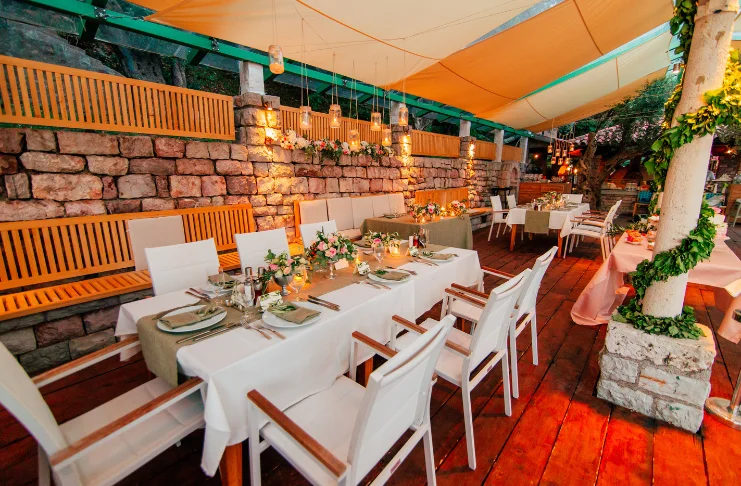
Before starting a restaurant business, you need to understand the location, the people, and formulate a proper business plan, among other things. To understand the Singapore dining landscape, it is essential to be aware of the various hotspots.
Hawker centers, modern food courts, and Michelin-recognized fine dining districts in Singapore offer diverse dining options, from street food like Hainanese chicken rice and nasi lemak to upscale dishes, shaping strategic restaurant locations.
The Hawker Center Culture
Hawker centers are at the heart of Singapore’s vibrant food scene, offering insights for restaurateurs on choosing the right location. Key factors that make hawker centers ideal include:
- High customer traffic with locals and tourists seeking affordable street food
- Concentrated food ecosystems that create destination dining experiences
- Government support for preserving heritage and ensuring stable business opportunities
Leveraging hawker centers can help new food businesses thrive in Singapore’s competitive culinary landscape for long-term business planning while maintaining affordable dining options for the broader community.
Modern Food Courts and Dining Options
Contemporary food courts showcase how traditional dining concepts adapt to modern lifestyles, offering valuable lessons for restaurant location planning. Key advantages of these venues include:
- Climate-controlled spaces with modern amenities that appeal to younger diners
- Steady foot traffic from shopping mall visitors, including professionals and families
- Flexibility in service models through mixed-use developments combining dining and social spaces
Choosing a contemporary food court location can balance convenience, visibility, and modern dining expectations for restaurateurs.
Michelin Guide Recognition and Fine Dining
The Michelin Guide has reshaped Singapore’s fine dining landscape. In the 2025 edition, the guide recognizes 288 establishments, including 3 three-star, 7 two-star, and 32 one-star restaurants. This strong presence of Michelin-awarded venues illustrates how influential the guide has become in defining Singapore’s premium dining scene. Key considerations for choosing a Michelin-friendly area include:
- Proximity to prestigious districts like Marina Bay and Orchard Road that attract affluent diners
- Locations that support high-end ambiance and justify premium pricing
- Opportunities to benefit from the visibility and credibility of nearby Michelin-recognized restaurants
Positioning a restaurant near established fine dining hubs can enhance reputation and draw discerning customers in Singapore.
Key Factors in Restaurant Location Selection

Evaluating foot traffic, neighborhood demographics, and market saturation is crucial for Singapore restaurants, helping them choose strategic locations, attract loyal diners, and succeed in competitive areas like Little India, Marina Bay, and residential districts that offer diverse food options .
Foot Traffic and Visibility Analysis
High foot traffic locations can boost restaurant visibility, but converting visitors into loyal customers requires a strategy. Crucial considerations involve:
- Prominent locations with clear signage and accessible entrances to attract spontaneous diners
- Tourist hotspots like Little India and Marina Bay are offering steady visitor flow but higher competition
- Residential neighborhoods provide a consistent local clientele with opportunities for loyalty-building
Choosing the right type of high-traffic area can help restaurants maximize exposure while building a strong customer base in Singapore.
Demographics and Target Market Alignment
Singapore’s varied population shapes unique dining demands, offering insights for restaurant location strategy. Main points to evaluate are:
- Neighborhoods with concentrated ethnic groups supporting traditional cuisine concepts
- Professional districts requiring lunch-focused operations and strategies for off-peak hours
- Residential areas with young families favor casual, child-friendly dining environments
Aligning a restaurant concept with local demographics can enhance relevance, attract loyal customers, and uncover underserved market opportunities.
Competition Analysis and Market Saturation
Restaurants often thrive when located within established dining districts, but careful analysis is essential for long-term success. Key elements to focus on are:
- Balancing the benefits of shared foot traffic with the risks of high competition in saturated markets
- Leveraging complementary businesses to create synergistic relationships and enhance district appeal
- Evaluating historical success and failure rates to identify stable areas with sustainable demand
Selecting a location with the right mix of competition and collaboration can significantly improve a restaurant’s chances of thriving in Singapore, especially given that in 2024, over 3,000 F&B outlets shut down, marking the highest number of closures in two decades..
Prime Restaurant Locations in Singapore
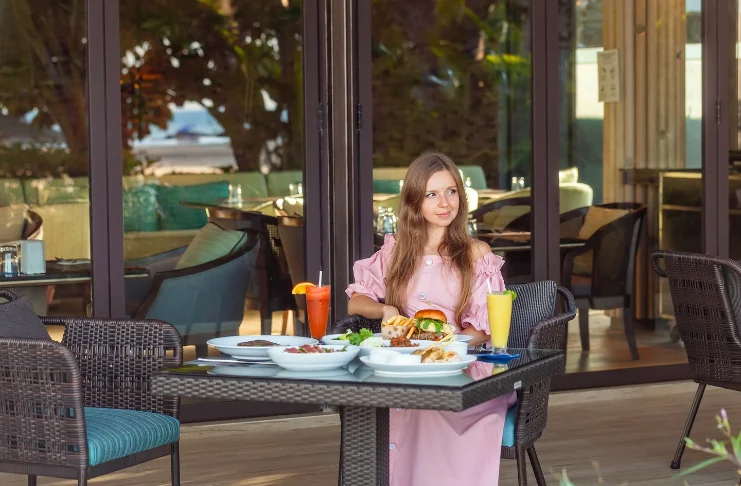
Singapore’s top restaurant locations, like Marina Bay, Orchard Road, Little India, and Maxwell Food Centre, offer high foot traffic, authentic Singaporean cuisine, and opportunities to attract food-obsessed locals and tourists.
Marina Bay Area
Marina Bay stands out as Singapore’s premier dining hub, offering opportunities for restaurants targeting upscale clientele. Key factors to consider are:
- Prestigious locations near luxury hotels and attractions that attract international tourists and affluent locals
- Integrated resort developments provide built-in foot traffic and cross-promotional opportunities
- Waterfront and scenic dining options that support premium pricing and special occasion experiences
Establishing a restaurant in Marina Bay can combine visibility, prestige, and high-spending customers for long-term success.
Orchard Road Shopping District
Orchard Road is Singapore’s bustling shopping corridor, offering strategic advantages for restaurants seeking high visibility, diverse dining options, and a premium dining experience. Key factors to evaluate are:
- Consistent foot traffic from retail visitors, tourists, and hotel guests, creating opportunities for restaurants serving Singaporean cuisine, international dishes, and popular local favorites like Hainanese chicken rice and nasi lemak
- Integration within shopping malls providing climate-controlled food courts, marketing support, and operational consistency for cafes, wine bars, and casual dining concepts
- Street-level locations offering maximum visibility, accessibility, and potential for high-spending customers looking for seafood, curry sauce, peranakan food, and other signature dishes
Positioning a restaurant on Orchard Road allows businesses to capitalize on vibrant foot traffic, premium addresses, and Singapore’s food-obsessed culture.
Little India Cultural District
Little India is a vibrant district in Singapore where cultural authenticity and culinary tradition create unique dining opportunities. Key points to focus on are:
- Restaurants can leverage the area’s reputation for authentic Indian cuisine, attracting both tourists and local Indian communities
- Traditional and upscale dining options benefit from established customer expectations for spice-rich dishes, roti prata, curry sauce, and other signature flavors
- Heritage preservation and government support provide stability while enhancing the district’s appeal as a destination for Singaporean culture and food enthusiasts
Opening a restaurant in Little India allows businesses to combine cultural authenticity, strategic positioning, and steady foot traffic for long-term success.
Hawker Centers and Food Courts
Maxwell Food Centre exemplifies how hawker centers in Singapore blend tradition, tourism, and local dining culture, offering strategic insights for restaurateurs. Main factors to consider are:
- Concentrated hawker environments that reward quality, value, and authentic Singaporean cuisine like Hainanese chicken rice, fish head curry, and nasi lemak
- Modern food courts in malls provide controlled settings, standardized facilities, and opportunities to test new concepts with lower startup costs
- Heritage hawker centers support traditional cooking techniques, communal dining experiences, and government-backed cultural preservation
Operating in hawker centers or food courts can help restaurants build a reputation, attract food-obsessed customers, and expand sustainably in Singapore.
Analyzing Costs and Financial Considerations

Evaluating rental costs, licensing, and long-term financial sustainability helps restaurants in Singapore balance profitability, comply with regulations, and thrive in neighborhoods offering diverse dining options and stable customer bases.
Rental Costs Across Different Areas
Rental costs play a crucial role in selecting a restaurant location in Singapore, influencing concept, pricing, and long-term profitability. Key points to evaluate are:
- Premium districts like Marina Bay and Orchard Road require higher revenue per square foot and often suit upscale concepts with dishes like chili crab, Peranakan food, and fine dining experiences
- Residential neighborhoods offer lower rental costs and stable local customer bases, supporting family-friendly restaurants, casual dining, and neighborhood favorites such as nasi lemak or bak kut teh
- Heritage shophouses provide unique architectural charm that enhances ambiance and marketing appeal, though renovation costs may be higher to meet modern dining standards
Recent data shows Singapore’s island-wide prime retail rents rose 0.6% quarter-on-quarter in Q1 2025, indicating steady demand in core areas.
Balancing rental costs with location advantages ensures restaurants can achieve profitability while delivering appealing Singaporean cuisine and dining experiences.
Licensing and Regulatory Requirements
Navigating restaurant licensing and regulatory requirements is essential when selecting a location in Singapore, impacting operations, concept feasibility, and revenue potential. Crucial considerations are:
- Understanding area-specific approvals and streamlined processes, especially in established dining districts with clear regulatory precedents
- Alcohol licensing rules affecting wine bars and fine dining establishments, including service hours and proximity restrictions
- Health and food safety compliance, with shared infrastructure benefits in food courts versus full independent management in standalone locations
Aligning restaurant concepts with regulatory requirements ensures smooth operations and long-term success in Singapore’s competitive dining scene.
Long-term Financial Sustainability
Choosing a restaurant location with long-term sustainability is key to enduring success in Singapore’s dynamic food scene. Important elements to assess are:
- Areas with diverse customer bases and mixed-use developments provide stable revenue streams across different times and seasons
- Lease terms and renewal options that offer financial predictability, including profit-sharing arrangements in premium locations
- Local market trends and development plans, helping restaurants capitalize on gentrification or infrastructure growth while avoiding declining areas
Focusing on sustainable locations allows restaurants to adapt to changing consumer preferences and economic conditions while supporting consistent business growth.
Understanding Customer Demographics

Understanding customer demographics—including tourists, locals, income levels, and cultural preferences—helps Singapore restaurants tailor authentic Singaporean cuisine, menu offerings, and dining experiences to attract loyal and diverse clientele.
Tourist vs Local Customer Base
Restaurant locations catering to different customer types must balance authenticity, accessibility, and market stability to succeed in Singapore. Key considerations are:
- Tourist-focused areas requiring authentic experiences, multilingual menus, and service that meets international expectations
- Neighborhood locations serving local customers, emphasizing consistent quality, value, and community loyalty
- Mixed customer bases combining tourists and locals, creating opportunities for unique dining experiences that appeal to both groups
Selecting a location with the right customer mix helps restaurants maintain steady business while delivering memorable Singaporean cuisine and dining experiences.
Income Levels and Spending Patterns
Income demographics play a crucial role in determining suitable restaurant concepts and pricing strategies in Singapore. Key factors to consider are:
- High-income areas supporting premium dining with sophisticated menus, extensive wine selections, and elevated service standards
- Middle-income neighborhoods favor casual dining that balances quality, value, and community-focused experiences
- Mixed-income locations require flexible pricing and diverse menu options to cater to varied customer segments
Aligning restaurant concepts with local income demographics ensures pricing, offerings, and service match customer expectations while maximizing profitability.
Cultural Preferences and Dietary Requirements
Singapore’s multicultural population demands that restaurants adapt to diverse dietary preferences and cultural requirements to succeed. Essential points to address are:
- Catering to ethnic concentrations with authentic Singaporean cuisine, traditional cooking techniques, and culturally preferred dishes
- Navigating halal certification and compliance to serve Muslim communities while expanding customer reach
- Offering vegetarian and health-conscious options to meet growing demand from younger and health-focused demographics
Designing restaurant concepts that respect cultural and dietary diversity ensures broad appeal, customer satisfaction, and long-term success in Singapore’s food scene.
Transportation and Accessibility Factors

Proximity to MRT stations, bus routes, and parking options influences restaurant accessibility in Singapore, helping establishments attract diverse customers, ensure smooth operations, and optimize foot traffic for consistent dining experiences.
MRT and Public Transportation Access
Proximity to public transportation is a key factor in restaurant location strategy, influencing accessibility, customer flow, and convenience in Singapore. Core points to evaluate are:
- MRT stations with high passenger volumes provide natural customer bases and support quick-service dining options
- Bus connectivity enhances access for residents and extends catchment areas beyond immediate neighborhoods
- Covered walkways and weather-protected routes ensure comfort and maintain customer traffic during Singapore’s frequent rain showers
Selecting locations near well-connected transportation hubs helps restaurants attract steady foot traffic and improve overall accessibility for diverse customer segments.
Parking and Vehicle Access
Accessibility and operational logistics are critical considerations when selecting a restaurant location in Singapore, balancing customer convenience with efficient operations. Core factors to evaluate include:
- Limited parking availability makes public transport, valet, or validated parking essential for attracting diners who prefer private vehicles
- Delivery and supply access require careful planning to maintain food quality and operational efficiency
- Ride-sharing and taxi accessibility provide alternatives for customers, especially during evenings or in areas with restricted parking
Selecting a location that balances transportation options and operational needs ensures restaurants remain convenient, efficient, and appealing to a wide range of customers.
Menu Concept and Location Synergy

Aligning restaurant concepts, pricing, and cuisine with neighborhood character in Singapore—whether traditional, modern, or family-oriented—ensures authentic dining experiences, customer satisfaction, and long-term business success.
Matching Food Style to Area Character
Different neighborhood types in Singapore influence the type of restaurant concepts that succeed, shaping menus, ambiance, and customer expectations. Strategic points to examine are:
- Traditional neighborhoods like Little India support authentic ethnic cuisines such as fish head curry, nasi lemak, and other cultural favorites
- Modern dining districts like Marina Bay accommodate innovative concepts, fusion dishes, and chef-driven experiences with premium pricing
- Family-oriented areas favoring casual dining with broad menu appeal, child-friendly facilities, and comfortable environments
Aligning restaurant concepts with neighborhood characteristics helps businesses meet customer expectations while maximizing appeal and long-term success.
Price Point Alignment with Location
Restaurant pricing strategies in Singapore are closely tied to location, customer demographics, and market expectations. Important elements to assess are:
- Premium locations requiring upscale concepts, superior ingredients, and elevated service to meet higher revenue expectations per customer
- Neighborhood areas supporting moderate pricing with a focus on consistent quality, value, and community loyalty
- Tourist-focused locations balancing authentic cultural experiences with convenience, seasonal demand, and flexible pricing strategies
Aligning pricing and concept with location ensures restaurants can attract the right customers while maintaining profitability and long-term sustainability.
Cuisine Type and Cultural Expectations
Singapore’s diverse culinary landscape demands that restaurants tailor concepts to cultural expectations, authenticity, and local tastes. Core factors to evaluate are:
- Chinese restaurants are balancing traditional cooking techniques and Chinese ingredients with modern fusion concepts in cosmopolitan areas
- Malay food establishments serving dishes like nasi lemak, roti prata, and bak kut teh, thriving in community-focused neighborhoods and cultural dining hubs
- Peranakan cuisine requires mastery of complex flavors and traditional techniques, best supported by locations attracting cultural tourism and authentic dining experiences
Selecting locations that align with cultural authenticity and customer expectations helps restaurants preserve heritage while appealing to both locals and visitors.
Competition Analysis Strategies

Analyzing competitors, market gaps, and positioning strategies allows restaurants in Singapore to differentiate their concepts, capture unmet demand, and secure long-term success in competitive dining districts.
Identifying Direct and Indirect Competitors
Analyzing competition and complementary businesses is essential for selecting a successful restaurant location in Singapore. Main considerations involve:
- Direct competitors offering similar cuisine and price points, requiring differentiation through menus, service, and value propositions
- Indirect competitors, including fast food, fine dining, home cooking, and delivery services, influence customer choices and market positioning
- Complementary businesses that create synergistic opportunities, such as wine bars near fine dining or dessert shops adjacent to family restaurants
Understanding the competitive and complementary landscape helps restaurants choose locations that maximize visibility, customer appeal, and long-term profitability.
Market Gap Analysis
Identifying gaps in the market allows restaurants in Singapore to capture unmet demand and differentiate their concepts effectively. Strategic points to examine are:
- Underserved customer segments within established dining areas, such as specific cuisine types, price points, or dining occasions
- Timing gaps, including late-night, early morning, or off-peak dining opportunities that complement existing restaurant schedules
- Service model gaps where customers seek alternatives like quick service, takeaway, family-style sharing, or technology-enhanced experiences
Targeting these gaps helps restaurants stand out, attract new customers, and create sustainable advantages in competitive dining areas.
Positioning Against Established Players
Entering established dining markets in Singapore requires restaurants to craft strategies that differentiate them while leveraging local strengths. Core factors to evaluate are:
- Clear positioning strategies that address unmet customer needs and complement existing offerings without directly challenging competitors
- Quality differentiation through superior ingredients, cooking techniques, or elevated service standards to attract discerning diners
- Innovation positioning with new concepts, service models, or menu items that create unique market segments and avoid direct price competition
Effective positioning enables new restaurants to stand out, attract loyal customers, and achieve sustainable success in competitive areas.
Licensing and Legal Considerations

Understanding licensing, zoning, building codes, and insurance requirements is critical for restaurants in Singapore to operate legally, maintain safety standards, and protect assets while ensuring smooth, compliant operations.
Food Service Licensing Requirements
Navigating restaurant licensing in Singapore is essential for legal compliance and smooth operations. Important elements to assess are:
- Compliance with multiple government agencies, including the Singapore Food Agency for food safety and municipal authorities for business licensing and zoning approvals
- Food handler certification requirements for staff, impacting training, scheduling, and ongoing operational costs
- Import licensing for specialty ingredients or equipment, affecting menu planning, supply chains, and cost management for international cuisines
Ensuring full compliance with licensing requirements allows restaurants to operate confidently while maintaining quality and safety standards.
Zoning and Building Code Compliance
Commercial zoning, building codes, and health approvals play a critical role in determining feasible restaurant locations in Singapore. Core points to examine are:
- Zoning restrictions affecting food service hours, alcohol sales, and outdoor seating, requiring alignment with restaurant concepts and potential variances
- Building code compliance for fire safety, ventilation, accessibility, and emergency egress often impacts renovation costs and timelines
- Health department approvals for kitchen design and food preparation areas, including inspections and modifications to meet safety and sanitation standards
Carefully navigating these regulatory requirements ensures restaurants can open efficiently, operate legally, and provide safe, high-quality dining experiences.
Insurance and Risk Management
Insurance is a crucial consideration for restaurant operations in Singapore, protecting businesses, employees, and customers from potential risks. Strategic points to examine are:
- Comprehensive coverage, including property, liability, and business interruption insurance to safeguard assets and operations
- Food safety insurance protects against contamination incidents and related liability, particularly for high-risk menu items
- Workers’ compensation insurance covering employee injuries and medical costs, ensuring safety compliance, and managing liability
Securing the right insurance allows restaurants to operate confidently while mitigating financial and operational risks.
Marketing and Branding Opportunities

Location-based marketing in Singapore enables restaurants to leverage neighborhood character, local events, and chefs’ expertise, enhancing brand recognition, customer engagement, and long-term success in competitive dining districts.
Location-Based Marketing Strategies
Location-specific marketing strategies help restaurants connect with customers, build brand presence, and leverage local advantages in Singapore. Essential points to focus on are:
- Area-focused campaigns aligning with neighborhood character, cultural events, and demographic preferences to drive engagement
- Social media strategies highlighting unique location features, partnering with food bloggers, influencers, and using geotargeted promotions
- Community partnerships through festivals, charity events, or local business associations to increase visibility and foster local connections
Implementing targeted marketing approaches tailored to location enhances customer engagement, brand recognition, and long-term success for restaurants.
Building Brand Recognition in Competitive Markets
Defining and communicating unique selling propositions is essential for restaurants to differentiate themselves in Singapore’s competitive dining landscape. Main considerations involve:
- Highlighting distinctive offerings such as signature dishes like chilli crab or Hainanese chicken rice, exceptional service, or unique dining experiences
- Maintaining consistency across menus, interior design, service standards, and online presence to build trust, loyalty, and repeat business
- Leveraging media relationships with food bloggers, reviewers, and local publications to increase brand recognition and attract customers
Clearly articulated and consistently promoted unique selling points help restaurants stand out, drive traffic, and establish credibility in competitive markets.
Leveraging Area Reputation and Foot Traffic
Being located in established dining districts offers restaurants strategic marketing advantages in Singapore. Core points to assess are:
- Leveraging area reputation and tourism marketing in recognized food destinations like hawker centers or cultural districts
- Cross-promotional partnerships with neighboring businesses to extend reach, enhance customer loyalty, and create joint marketing opportunities
- Participating in local events, festivals, and cultural celebrations to increase visibility and attract new customers
Positioning a restaurant within a vibrant dining district enables businesses to capitalize on collective reputation, community engagement, and marketing efficiencies.
Future Trends and Market Evolution

Restaurants in Singapore must embrace technology, evolving consumer preferences, and urban development trends to remain competitive, ensuring convenient digital services, health-conscious and sustainable offerings, and strategic location choices aligned with city growth.
Technology Integration and Delivery Services
Technology integration is increasingly vital for restaurant success in Singapore, enhancing customer convenience and operational efficiency. Strategic points to examine are:
- Integrating online ordering and food delivery platforms while maintaining dine-in quality and managing logistics effectively
- Implementing mobile payment and contactless ordering systems to meet modern customer expectations and improve efficiency
- Using social media for marketing, reservations, customer service, and community engagement while balancing digital tools with personal service
Adopting appropriate technology solutions allows restaurants to streamline operations, enhance customer experiences, and stay competitive in a digitally-driven market.
INDUSTRY INSIGHT
| According to the Singapore Department of Statistics (SingStat), online transactions accounted for 25.9% of total Food & Beverage services sales in July 2025, highlighting the growing importance of digital platforms in Singapore’s dining landscape. |
Changing Consumer Preferences
Emerging dining trends in Singapore shape restaurant concepts, menu development, and customer expectations, influencing location and operational strategies. Core factors to assess are:
- Health-conscious dining, incorporating nutritious ingredients, preparation methods, and menu transparency while maintaining flavor and value
- Sustainability practices, including responsible sourcing, waste reduction, and energy efficiency, which increasingly affecting customer preferences and brand perception
- Cultural fusion concepts that blend Southeast Asian and international influences, offering unique, innovative dishes for adventurous diners
Adapting to these trends helps restaurants remain relevant, attract diverse customer segments, and differentiate themselves in Singapore’s evolving food scene.
Urban Development and Infrastructure Changes
Urban development and infrastructure planning play a key role in shaping restaurant success in Singapore. Essential points to focus on are:
- Transportation improvements, such as MRT expansions and bus route changes, are affecting accessibility, foot traffic, and future customer flow
- Mixed-use developments are creating new dining districts with diverse customer demographics and opportunities for innovative restaurant concepts
- Heritage preservation and cultural district initiatives offering support for authentic dining experiences while benefiting from tourism promotion and infrastructure enhancements
Considering urban development trends helps restaurants select locations that maximize accessibility, attract diverse customers, and align with long-term area growth.
Conclusion
Selecting the right restaurant location in Singapore is a decisive factor for building a successful and sustainable food business. By analyzing neighborhood demographics, competition, rental structures, and cultural preferences, restaurateurs can position their concepts to attract the right customer base and maximize revenue potential. Areas like hawker centers provide platforms for authentic Singaporean cuisine that draws both locals and tourists, while premium districts such as Marina Bay and Orchard Road offer visibility and an affluent clientele for high-end dining experiences. Residential and culturally rich neighborhoods, including Little India, support community-focused and family-friendly restaurants that foster loyalty and repeat business.
Long-term success also depends on aligning restaurant concepts with licensing requirements, operational capabilities, and local dining habits. Understanding foot traffic patterns, customer expectations, and neighborhood nuances helps restaurateurs make informed decisions that minimize risk while enhancing brand recognition and customer satisfaction.
Ultimately, restaurants that carefully evaluate location alongside concept, pricing, and service strategy are best positioned to thrive in Singapore’s competitive market. By combining thorough market research with strategic positioning, restaurateurs can create memorable dining experiences, attract diverse customer segments, and achieve sustainable growth in one of Southeast Asia’s most dynamic culinary landscapes.
Frequently Asked Questions
1. How to choose a restaurant location?
Choosing a restaurant location involves evaluating foot traffic, target demographics, accessibility, and local competition to ensure the concept attracts the right customers and sustains long-term success.
2. What factors would you consider in choosing the location of the restaurant?
Key factors include rental costs, customer demographics, visibility, competition, accessibility by public transport or vehicles, and alignment with the restaurant’s concept and pricing strategy.
3. What type of location is best for a restaurant?
The best location balances high foot traffic with affordability, matches the target market, offers good accessibility, and supports the restaurant’s concept, whether in a hawker center, mall food court, or premium dining district.
4. What does 68 mean in a restaurant?
In a restaurant, “68” typically refers to a menu item, table number, or internal operational code used to streamline ordering and service efficiently.