

Restaurant owners constantly face theft threats that can significantly affect operations and profit margins. Internal and external theft in restaurants is a major challenge, impacting everything from daily cash flow to long-term sustainability. Internal theft often involves cash, inventory, or time theft by employees, while external theft includes dine-and-dash incidents, credit card fraud, and break-ins. Addressing these issues related to restaurant theft is critical for protecting a restaurant’s revenue and maintaining smooth operations.
The restaurant industry is particularly vulnerable to theft due to unique operational characteristics such as multiple access points, cash-heavy transactions, and high employee turnover. These factors create ample opportunities for both internal and external theft, which can severely erode profit margins. Implementing comprehensive loss prevention strategies—like strict inventory controls, robust cash handling procedures, employee training, and advanced security technologies—helps mitigate theft risks and ensures the long-term success and sustainability of the restaurant.
Understanding Internal Theft in Restaurants
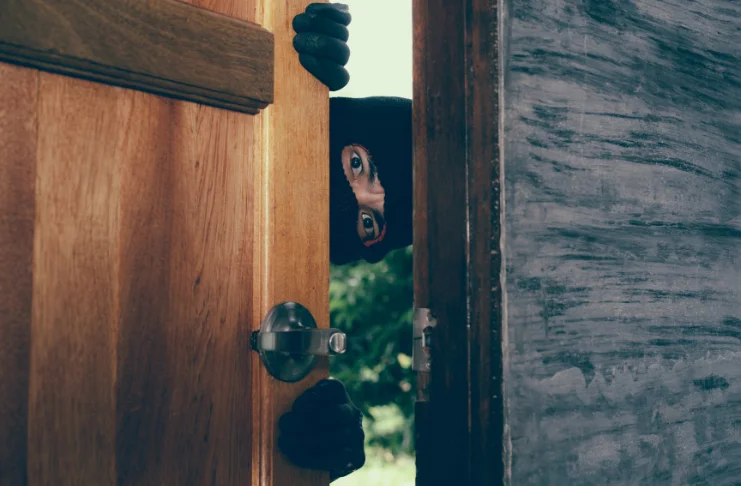
Internal theft occurs when restaurant employees steal money, inventory, or manipulate time, ranging from petty theft to sophisticated fraudulent transactions, causing significant financial losses and affecting a restaurant’s profit margins.
INDUSTRY INSIGHT
| According to the Food Industry Association, 85% of U.S. food retailers reported theft or fraud (shrinkage) as the top threat negatively impacting their businesses in the past year. The National Restaurant Association reports that 75 percent of all inventory shrinkage happens as a result of theft, most of it by your employees. |
Common Types of Employee Theft
Internal theft in restaurants can take several forms, each affecting profits in different ways. Key types of internal theft include:
- Cash theft, where employees pocket payments or skim money before recording transactions in the point of sale system
- Inventory theft, involving stolen food, beverages, or supplies, and unauthorized free meals
- Time theft, where employees are paid for hours they did not work through extended breaks or buddy punching
Addressing these issues to prevent employee theft is essential to protect a restaurant’s revenue and maintain operational efficiency.
Warning Signs of Internal Theft
Spotting unusual behavior early can help restaurants avoid significant financial losses. Signs that theft may be occurring often appear as:
- Irregularities in cash register totals, frequent voids, or unexplained inventory shortages
- Behavioral change, such as employees volunteering for cash-heavy shifts, avoiding vacations, or reacting defensively to questions
- Operational issues like missing inventory records, unexpected food cost variations, or repeated register complaints
Monitoring these warning signs allows restaurant owners to address potential theft before it escalates.
External Theft Challenges

External theft involves threats from outsiders, including break-ins where criminals steal cash, inventory, or equipment, often causing property damage in addition to significant financial losses for the restaurant.
Customer-Related External Theft
External theft can take many forms, each impacting a restaurant’s revenue and operations. Common examples of external theft are:
- Dine-and-dash incidents, where customers leave without paying, create both financial and safety risks
- Credit card fraud and chargebacks lead to lost merchandise, fees, and administrative burdens
- Shoplifting or deceptive attempts to obtain free food can gradually erode profits
Addressing these threats with clear procedures and security measures helps safeguard both revenue and staff well-being.
Vendor and Supplier Fraud
External theft can also originate from vendors and the supply chain, posing hidden risks to restaurants. Typical vendor-related threats involve:
- Short deliveries, substitutions of lower-quality products, or falsified delivery documentation
- Theft of items during transport by delivery personnel or truck crews
- Systematic billing fraud by suppliers can go unnoticed without regular audits
Maintaining strong vendor relationships and verifying deliveries consistently helps reduce these external theft risks.
Intellectual Property Theft

Intellectual property theft occurs when external parties or former employees use a restaurant’s menu, recipes, or operations without permission, threatening brand reputation, competitive advantages, and potentially violating trademark or copyright protections.
Recipe and Menu Protection
A restaurant’s sensitive data and intellectual property are critical assets that must be protected from misuse. Key threats to consider are:
- Unauthorized sharing of proprietary recipes or menu items by former employees or external parties
- Brand identity theft through the misuse of logos, names, or marketing materials
- Online impersonation via fake social media accounts or websites can harm reputation
Protecting these assets with legal agreements and active monitoring ensures the restaurant maintains its competitive edge.
Data and Customer Information
Data security is essential to protect both customers and restaurant operations from theft. Key risks in this area include:
- Cyber attacks targeting payment information, personal data, or loyalty program details
- Unauthorized access to customer, supplier, or operational information by employees
- Potential misuse of sensitive business intelligence if data access is not properly controlled
Strengthening cybersecurity and controlling access helps restaurants safeguard valuable information and maintain trust.
Cash Handling Security Measures
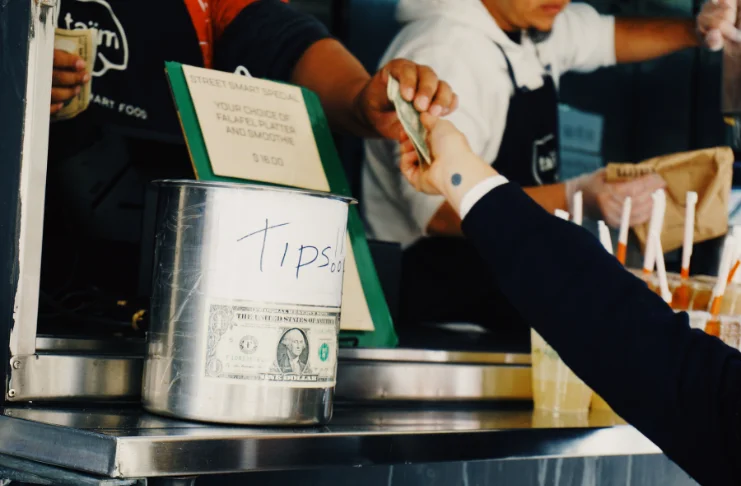
Proper cash handling procedures, including cash drops, register reconciliation, and deposit preparation, reduce opportunities for cash theft, create accountability, and form a critical foundation for preventing internal theft in restaurants.
Register Management Procedures
Proper cash handling is critical to prevent cash skimming, internal and external theft in restaurants, and to protect the restaurant’s profits. Key strategies for securing cash include:
- Using individual employee logins for point of sale systems, limiting cash register access to authorized personnel, and implementing dual approval requirements for voids or discounts to prevent fraudulent transactions
- Performing cash drops at predetermined intervals or dollar amounts into secure drop safes with time-delay mechanisms to deter cash theft and minimize losses from potential robberies
- Conducting end-of-shift reconciliation procedures by comparing sales reports with actual cash and card payments, while using security cameras to monitor cash handling areas and gather evidence
Following these cash handling procedures ensures accountability, deters theft risks, and safeguards a restaurant’s profit margins.
Deposit and Banking Procedures
Varying cash deposit procedures helps protect restaurants from external theft and potential robberies. Key measures for secure deposits are:
- Using varying deposit schedules and routes, with multiple employees involved in preparation to prevent manipulation and ensure accuracy
- Maintaining detailed deposit documentation, including cash, checks, and credit card receipts, with signatures from all participating employees
- Employing secure transportation methods and making bank deposits during daylight hours whenever possible to reduce robbery risks
Implementing these deposit practices strengthens accountability and safeguards a restaurant’s profits.
Inventory Management and Controls

Strict inventory controls, including regular counts, proper storage, and systematic tracking, protect against internal and external theft, help detect unusual patterns, and improve overall restaurant operational efficiency.
Inventory Tracking Systems
Systematic inventory management helps restaurants detect internal theft and control food costs. Key strategies include:
- Using digital inventory management systems to track food, beverages, and supplies in real time and alert for unusual usage
- Comparing theoretical usage based on sales with actual consumption through perpetual inventory systems
- Conducting regular and surprise physical inventory counts with multiple employees, while documenting results for trend analysis
These practices reduce inventory shrinkage and support a restaurant’s overall operational efficiency.
Storage and Access Controls
Controlling access to storage areas is vital for preventing internal theft and protecting inventory. Effective measures include:
- Restricting access with locked doors, key card systems, and different permission levels, while regularly reviewing access as staffing changes occur
- Organizing storage with labeled locations, first-in, first-out rotation, and security cameras to monitor inventory movement
- Verifying deliveries against purchase orders with multiple employees and promptly updating inventory records
These practices help maintain accurate inventory management and deter theft in restaurants.
Employee Screening and Hiring Process

Background checks, including employment history, criminal records, and reference verifications, serve as a critical first line of defense against hiring individuals prone to theft or fraud in restaurant operations.
Pre-Employment Verification
Thorough background checks are essential for preventing internal theft in restaurants. Effective hiring practices involve:
- Verifying employment history by directly contacting previous employers to spot patterns of short-term employment or terminations
- Performing criminal background checks that focus on theft, fraud, and dishonesty, using professional and compliant screening services
- Consulting multiple references to evaluate reliability, honesty, work ethic, and experience with cash handling
These steps ensure restaurant owners make informed hiring decisions and reduce the risk of internal theft.
Interview and Assessment Techniques
Structured interviews and assessments help restaurants identify candidates less likely to engage in internal theft. Key evaluation methods are:
- Using ethical and situational interview questions to assess attitudes toward workplace integrity and decision-making in cash handling or theft scenarios
- Conducting skills assessments for cash handling roles to ensure candidates can accurately manage money and operate point of sale systems
- Employing personality assessments and integrity tests to gain additional insights into potential counterproductive behaviors
These evaluation strategies support informed hiring decisions and help minimize theft risks in restaurants.
Training Programs for Theft Prevention
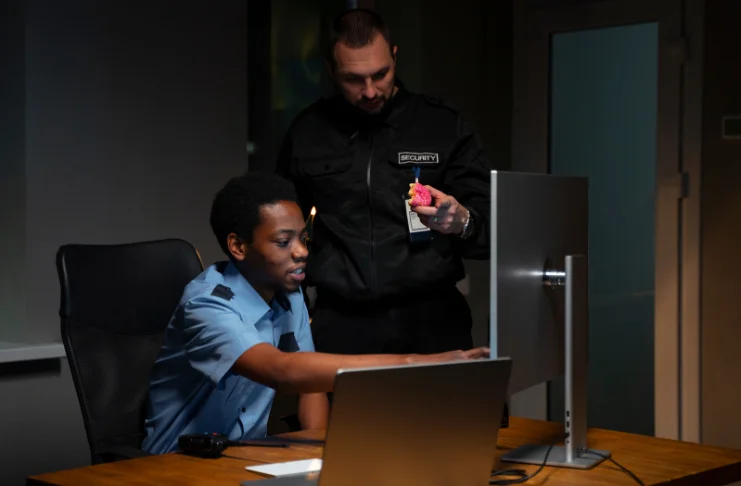
Comprehensive employee training educates staff on theft prevention policies, proper procedures, and workplace integrity, with regular updates reinforcing current expectations, security measures, and the restaurant’s commitment to preventing theft.
It has been reported that employee training on theft prevention improves detection rates by up to 40%.
Initial Training Components
Comprehensive employee training is crucial for preventing internal and external theft in restaurants. Effective training strategies involve:
- Providing new hires with detailed anti-theft policies, consequences for violations, and reporting procedures, supported by a written acknowledgment
- Conducting hands-on cash handling training, including register operation, cash drops, and deposit preparation, with supervised practice and certification
- Offering security awareness education on different types of theft, warning signs, and appropriate responses to protect restaurant assets
Implementing these training programs helps create a knowledgeable workforce and reduces theft risks.
Ongoing Education and Reinforcement
Ongoing training and management development are essential to maintain a strong anti-theft culture in restaurants. Key approaches include:
- Conducting regular refresher sessions to reinforce theft prevention, introduce policy updates, and engage employees through interactive formats
- Providing supervisor training to recognize theft indicators, manage investigations, and ensure consistent application of security policies
- Implementing cross-training so employees understand multiple job functions, enabling them to spot unusual patterns or deviations from standard procedures
These strategies strengthen oversight, promote integrity, and help protect a restaurant’s profits.
Surveillance and Monitoring Systems

Installing surveillance cameras throughout the restaurant deters internal and external theft, with strategic placement covering cash handling, storage, and customer areas while maintaining employee privacy and legal compliance.
Camera Placement and Coverage
Comprehensive surveillance is key to preventing internal and external theft in restaurants. Effective camera coverage involves:
- Installing high-resolution cameras in point of sale areas to monitor register operations, cash handling, and customer interactions from multiple angles
- Positioning cameras in storage areas to track inventory access and detect unauthorized removal of supplies or food items
- Using strategically placed dining area cameras to monitor customer theft, service quality, and document incidents for management review
Proper surveillance protects restaurant assets while supporting accurate record-keeping and accountability.
Monitoring and Response Procedures
Live monitoring and integrated security systems enhance restaurant protection against theft and unauthorized access. Key measures include:
- Using live monitoring to detect suspicious activity in real time and enable immediate intervention by trained personnel
- Reviewing security footage systematically to identify patterns, investigate incidents, and maintain long-term digital records
- Integrating alarm systems with motion detectors, door sensors, and professional monitoring to prevent break-ins and secure the premises
These measures create a robust security framework that safeguards both assets and staff.
Regular Auditing and Review Processes

Regular audits of financial and operational procedures, including cash handling, inventory management, and sales data, help identify vulnerabilities, detect ongoing theft, and uncover unusual patterns requiring timely investigation.
Financial Audit Procedures
Regular financial reviews are essential to detect internal theft and maintain restaurant profitability. Effective reconciliation practices involve:
- Conducting daily sales reconciliation by comparing point of sale reports with cash deposits and credit card totals, while reviewing voids, discounts, and cash handling procedures
- Performing weekly financial reviews to analyze broader sales, cost, and profitability trends against historical data and industry benchmarks
- Carrying out monthly comprehensive audits covering payroll, vendor payments, and expenses, often using external audit services for independent verification
These financial oversight practices help identify discrepancies early and protect a restaurant’s revenue.
Operational Audit Components
Regular audits help restaurants detect internal theft and improve operational efficiency. Key audit practices involve:
- Conducting inventory audits by comparing physical counts with recorded quantities, performing surprise checks, and documenting discrepancies
- Reviewing employee schedules to identify unusual patterns, time theft, or buddy punching, with biometric systems reducing opportunities for fraud
- Performing vendor audits to verify deliveries, pricing, and quality against purchase orders and invoices while fostering strong vendor relationships
Implementing these audit procedures strengthens oversight and protects a restaurant’s profits.
Creating Anti-Theft Policies

Comprehensive anti-theft policies set clear expectations, procedures, and consequences, providing legal protection and consistent standards for employees and management to prevent and address theft incidents effectively.
Policy Development and Communication
Clear anti-theft policies are essential for protecting restaurants from internal and external theft. Effective policy measures involve:
- Establishing written policies that define prohibited activities, reporting procedures, and consequences, with legal review for compliance
- Distributing policies to all employees with acknowledgment of understanding, and updating them regularly to address new threats
- Implementing enforcement procedures, including investigations, disciplinary actions, and documentation, to ensure consistency and legal protection
These structured policies create accountability and deter theft, safeguarding a restaurant’s operations and profits.
Reporting and Investigation Procedures
Anonymous reporting systems and structured investigations help restaurants address internal theft effectively. Key practices include:
- Providing multiple reporting channels, such as hotlines, suggestion boxes, and management meetings, while protecting whistleblowers
- Conducting thorough investigations that respect employee rights, gather sufficient evidence, and utilize professional services when needed
- Implementing resolution procedures, including counseling, restitution, termination, or legal action, with consistent application of progressive discipline
These measures encourage accountability, deter theft, and support a culture of integrity in the restaurant.
Creating a Positive Work Environment

Positive work environments reduce employee theft by addressing job dissatisfaction, financial stress, and unfair treatment, while investing in engagement and satisfaction promotes long-term theft prevention and improves operational performance.
Employee Engagement Strategies
Competitive compensation and employee engagement programs help reduce internal theft risks in restaurants. Effective strategies involve:
- Offering fair wages, benefits, and advancement opportunities, with regular salary reviews and performance-based incentives
- Implementing recognition programs to reward integrity, excellent performance, and customer service through awards and public acknowledgment
- Providing professional development opportunities such as skills training, management programs, and educational assistance to foster loyalty and career growth
These initiatives create a positive work environment that encourages honesty and minimizes theft.
Communication and Support Systems
Open communication and support systems help prevent internal theft by addressing employee concerns proactively. Key approaches include:
- Encouraging regular dialogue through meetings, suggestion systems, and accessible management to resolve issues early
- Offering employee assistance programs with confidential counseling, financial planning, and crisis intervention
- Implementing conflict resolution procedures to handle workplace disputes, harassment, and negative environments fairly and consistently
These practices foster a supportive work culture that reduces theft motivations and promotes integrity.
Technology Solutions for Theft Prevention

Modern technology helps prevent, detect, and investigate theft in restaurants, with point of sale systems, inventory management software, and security tools providing protection while enhancing operational efficiency.
Point of Sale Security Features
Advanced point of sale systems play a key role in preventing internal theft in restaurants. Key features and practices involve:
- Using user authentication, biometric logins, transaction logging, and real-time monitoring to track employee activities and protect transaction data
- Employing transaction monitoring software to detect unusual sales patterns and trigger automated alerts for excessive voids or discounts
- Integrating POS systems with video surveillance for time-stamped visual evidence that supports investigations and legal actions
These technologies enhance oversight, deter fraudulent transactions, and protect a restaurant’s profits.
Inventory Management Technology
Technology-driven inventory management enhances security and reduces theft risks in restaurants. Key systems include:
- Using radio frequency identification (RFID) to track inventory in real time, with automated alerts for unexpected movements
- Implementing barcode scanning to monitor items through the supply chain, enable quick counts, and support automatic reordering
- Employing temperature monitoring for refrigerated and frozen inventory, logging storage conditions, and alerting management to unauthorized access
These tools improve inventory accuracy, protect food safety, and help prevent internal theft.
Conclusion
Internal and external theft in restaurants requires comprehensive prevention strategies that address multiple vulnerability areas simultaneously. Successful theft prevention combines proper hiring practices, employee training, physical security measures, and ongoing monitoring to create layered protection against losses.
Restaurant owners must recognize that theft prevention is an ongoing investment rather than a one-time implementation. Regular review and updating of security measures ensures continued effectiveness against evolving threats in a successful restaurant. The cost of comprehensive theft prevention programs is typically far less than the losses prevented through their implementation.
Creating a culture of integrity through positive work environments, fair policies, and consistent enforcement provides the strongest foundation for long-term theft prevention. Technology solutions enhance human oversight but cannot replace the importance of engaged management and motivated employees in protecting restaurant assets and profitability.
Frequently Asked Questions
1. What is internal theft and external theft?
Internal theft occurs when employees steal money, food, or supplies, while external theft involves customers or outsiders taking restaurant assets without permission.
2. What is an internal theft?
Internal theft is when restaurant employees engage in stealing cash, inventory, or manipulating time and records for personal gain.
3. What is an example of internal and external shrink?
Internal shrink happens when staff take free food or pocket cash, and external shrink occurs when customers dine-and-dash or commit credit card fraud.
4. Which of the following are common types of internal theft?
Common types include cash theft, inventory theft, time theft, and manipulation of sales or records by employees.