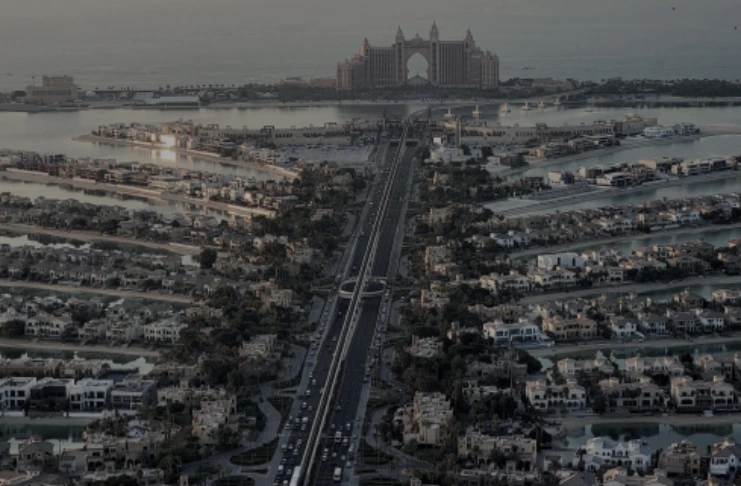

In a decisive move to bolster its hospitality ecosystem, Dubai Department of Economy and Tourism (DET) has rolled out a fresh incentive scheme aimed at spurring hotel development in high-growth zones of the city. The programme, approved under Executive Council Resolution No. 68 of 2025 by Sheikh Hamdan bin Mohammed bin Rashid Al Maktoum, offers 100% reimbursement of the Dubai Municipality room-fee and Tourism Dirham charges for a period of two years to eligible new hotel projects in designated areas.
Under the scheme, new hotels, resorts and serviced apartments approved by DET and located within emerging districts such as Dubai South, Palm Jebel Ali, Dubai Parks and Dubai Islands qualify for full reimbursement of the municipality fee on room sales and the Tourism Dirham for their first two years of operation. Applicants must commence guest operations within three years from application to benefit.
According to Issam Kazim, CEO of Dubai Corporation for Tourism and Commerce Marketing (DCTCM), this initiative, as noted by ET Hospitality, “marks an important new phase in the development of Dubai’s hospitality ecosystem, expanding its footprint in emerging areas of the city and ensuring we can maintain our strong tourism growth trajectory.”
Why this matters for hospitality stakeholders:
- Investment magnet: By waiving two core cost elements for new hotels, the city is seeking to accelerate supply in zones with commercial and residential momentum, rather than only redeveloping established tourism hubs.
- Strategic positioning: For international hotel operators and investors, the scheme lowers early cost burdens and enhances ROI metrics in districts that are still in growth phase, offering an entry window into Dubai’s broader hospitality boom.
- Operator implications: For hotel brands looking at Middle East expansion, the timing is favourable, but with caveats around site selection, market demand and execution in non-traditional zones still under development.
- Broader ecosystem impact: As tourism continues to climb (Dubai welcomed 12.54 million international overnight visitors in the first eight months of 2025, up 5% year-on-year) this incentive is a clear signal that infrastructure and accommodation growth will follow demand.
Dubai’s incentive reflects a purposeful pivot, from legacy tourism hubs to emerging hospitality districts.