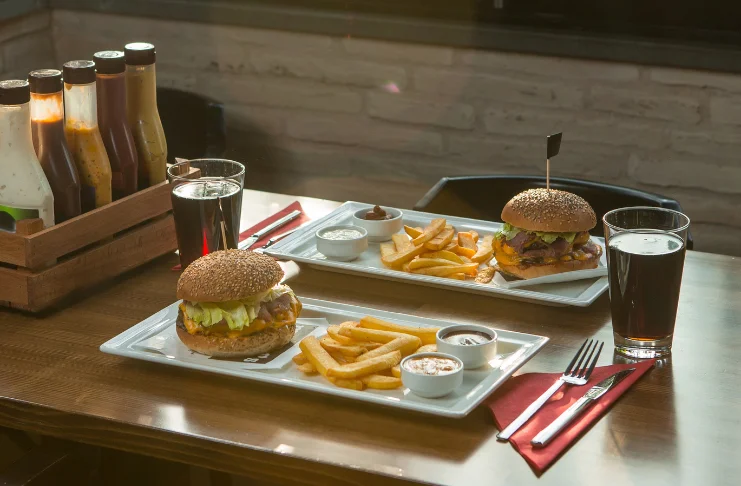

It’s a busy Friday night. Your tables are full, the kitchen is firing on all cylinders, and guests are happily tucking into their meals. One table orders your signature burger, but skips the sides. Another picks a salad but leaves out the drink. A third browses indecisively, scanning for something that feels like a deal. You’re serving great food, but you’re leaving money on the table with customers.
Now, imagine a different scenario, similar to those found in fast food restaurants. That same burger is now served with perfectly crisp fries and a refreshing iced tea, sold as a combo. The guest doesn’t hesitate. The value feels obvious, the choice is easy, and you’ve just increased the average order by 25%, all while streamlining prep and inventory.
This is the quiet power of food combos. Not flashy, not complicated, just smart, strategic bundling that taps into customer psychology and business sense. In a time when margins are thin and diner expectations are high, crafting the right food combinations to create bundles can be a game-changer. From fast food chains to full-service restaurants, most restaurants that understand the art and science of combo meals are driving more revenue with every order.
In the sections ahead, we’ll explore how to engineer profitable bundles, raise your average order value, and create a restaurant menu that does the selling for you. In today’s competitive dining landscape, mastering the combo is a strategy that can help increase revenue. Let’s get into it.
1. Combo Meal Fundamentals

Combos are experiences that tap into menu psychology. A curated plate featuring a signature item (for instance, healthier options in a QSR that promotes health and fitness), as a tasty side, and a drink offers convenience and perceived value.
INDUSTRY INSIGHT
| Since late 2015, bundling strategies have significantly boosted sales performance across top quick-service chains. According to the NPD Group, McDonald’s, Burger King, and Wendy’s collectively sold over 100 million additional combo meals, driven by the growing popularity of bundled offers. While deals were once a smaller part of customer behavior, that figure has now surged to 35%, reflecting a significant increase in visits tied to bundled promotions. This trend underscores the enduring effectiveness of value-driven bundling in increasing both volume and revenue in the fast-food segment. |
Core Elements:
- Convenience equals value: Guests appreciate bundles that reduce decision fatigue and package value into recognizable formats.
- Psychological pricing impact: A combo priced slightly below the combined price of individual items feels like a win.
- Upsell potential: Even budget combos often encourage guests to upgrade to a premium drink or side.
Combo meals provide a foundation for effective menu architecture. When you combine ease of ordering with strong margins, you build a compelling value proposition that resonates with guests and your bottom line.
2. Elevating Average Order Value (AOV)
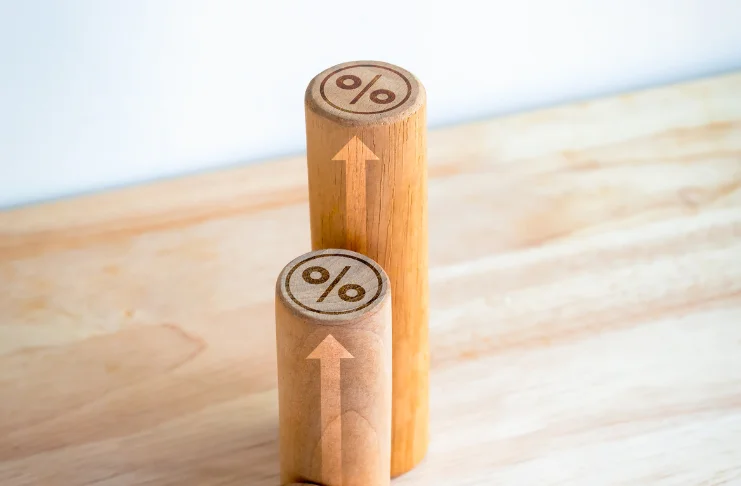
In any F&B operation, a few extra rupees per order can compound quickly. Here’s how combos boost AOV, especially when combined with a higher-priced item.
Mechanics at Play:
- Bundled nudging: Guests who land on combo options usually spend more than they would on a single item.
- Marginal gives, maximum return: Include high-margin add-ons like French fries or chocolate mousse to enhance take rates.
- Moving lesser-selling items: Pair underperforming dishes with star mains to increase exposure and turnover.
AOV is engineered through consistent, strategic nudging. Bundles are the vehicle; thoughtful add-ons and menu placement are the fuel that drives more profit.
3. Menu Engineering: The Strategic Backbone
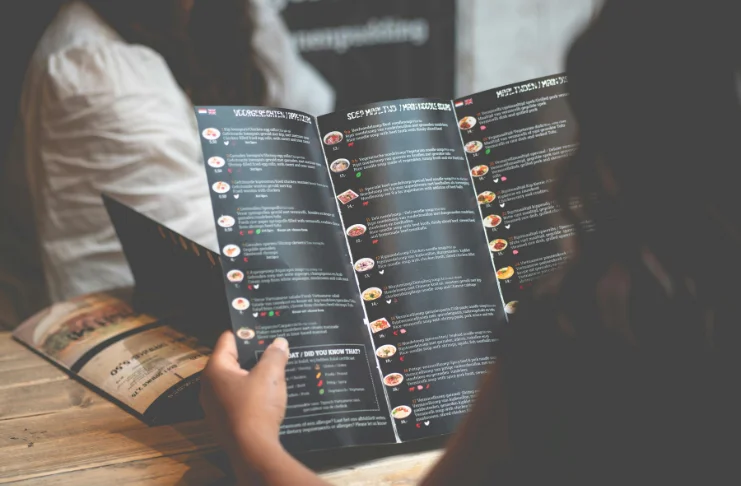
Behind every successful combination is robust menu engineering, a disciplined process that analyzes, designs, prices, and refines.
Framework Overview:
- Data-led categorization: Use sales and cost data to segment menu items into Stars, Plowhorses, Puzzles, and Dogs.
- Combination by strategy: Marry popular items (Stars) with profitable sides or drinks to balance satisfaction and margins.
- Visual placement: Prime menu real estate, upper-right spots, highlighted boxes, draw eyes to combo options.
- Iterative refinement: Seasonally rotate combos, monitor trends and margins, and redeploy based on performance.
Menu engineering makes combos purposeful. Restaurants that utilize focused menu engineering, analyze sales data, and optimize menu placement experience an average and ongoing profit increase of 10–15%. It’s not guesswork; it’s a data-driven strategy of pairing high-margin items that customers love with those that generate profit.
4. Bundle Types & Tactical Usage
Not all combos are created equal. Here’s a breakdown of different bundle models and when to use them:
Bundle Types:
- Pure Bundling: Items can only be purchased together. Ideal for promoting new offerings or exclusive experiences.
- Price-Based Bundling: A slight discount is offered for ordering the set versus purchasing the items individually, which encourages guests to make larger purchases.
- Mixed Bundling (Build-Your-Own): Guests select from categories of main courses, side dishes, and beverages to create their own customized meal. Offers customization and perceived value.
- Time/Loyalty Bundles: Special deals (e.g., “Family Night”) to drive midweek traffic or repeat visits.
- Incentive Bundles: Free or discounted add-ons are offered once a specified threshold is reached, encouraging upselling without overtly discounting.
Choose your bundle type based on your goals: clear value with pure deals, personalization with build-your-own options, or loyalty incentives. Each serves a different strategic purpose.
5. Pricing Strategy: Control with Value
Pricing isn’t about cheap deals; it’s about calculated value. Here’s how to do it without harming margins.
Key Tactics:
- Value ladder pricing: Offer combos priced 10–20 % lower than individual order totals.
- Control perception: Highlight savings with subtle cues: “Save ₹50 when you choose Combo A.”
- Time-bound offers: Stamp a sense of urgency: “Summer Combo, available till August 31.”
Pricing must signal value without training guests to expect relentless discounts. Time-limited or seasonal bundling ensures price integrity.
6. Upselling Across Channels

Combos shine not just on menus; they integrate into every sales touchpoint.
Touchpoint Strategies:
- Frontline prompts: “For an extra ₹30, add fries and a drink.” Train staff and POS systems accordingly.
- Online upsell pop-ups: If someone orders a burger, present a combo upgrade.
- Loyalty rewards: Offer bonus points for combo purchases, or a free side with every fifth combo.
When every interaction, from greeting to payment, hints at the combo, conversion becomes almost automatic.
7. Operational Efficiencies

It’s not just about more money; it’s also about smarter operations.
Operational Benefits:
- Simplified prep: Standardized orders equal predictable workflow.
- Inventory clarity: Easier forecasting and less waste when you know what’s trending in combos.
- Waste reduction: Include seasonal or slow-moving items to rotate stock and prevent spoilage.
Combos stabilize more than just your profits; they stabilize your kitchen workflow and inventory planning.
8. Avoiding Common Pitfalls
Bundles are powerful, but beware of common missteps.
Potential Pitfalls:
- Overdiscounting: If your combo margin is too slim, volume won’t save you.
- Combo fatigue: Too many or too frequent bundles can confuse guests.
- Perception dilution: Constant deals dilute brand positioning, undermining the premium image that the brand is trying to convey.
Bundling must serve value AND profitability. Keep combos limited, meaningful, and margin-safe.
9. Launch Blueprint: A Smart Rollout Plan
Ready to kick off? Follow this road map:
Step-by-step Plan:
- Audit your current menu with sales and margin data.
- Classify items into Stars, Plowhorses, etc.
- Design three initial combo pilots targeting key customer segments.
- Launch in-store and online with POS pop-ups and signage.
- Train staff and align incentives on combo upsells.
- Track KPIs weekly: AOV, margin, pickup rate.
- Optimize quarterly, swapping low performers and refining offerings.
Pilot small, analyze fast, evolve smartly. Treat combos as living offers, not set-and-forget.
10. Real-World Success Example: McDonald’s $5 Meal Deal Boosts Visits with Strategic Bundling

In June 2024, McDonald’s launched a $5 value combo to attract budget-conscious customers during a period of economic strain. The deal proved impactful despite slim margins. Here’s why it worked:
- Profit Margins: Each combo yielded only 1% to 5% profit, yet the value perception outweighed the lower returns.
- Franchise Support: A striking 93% of U.S. franchisees chose to extend the deal due to increased traffic.
- Bundling Strategy: McDonald’s paired low-margin main items with high-margin sides, such as fries and soda.
- Customer Impact: The bundled promotion helped boost sales and reinforced McDonald’s market share during periods of intense competition.
By designing a combo that balances perceived savings with a smart product mix, McDonald’s demonstrated how bundling can be a powerful tool to drive volume and safeguard ROI, even in tight-margin scenarios.
11. Adaptation Beyond Fast Food
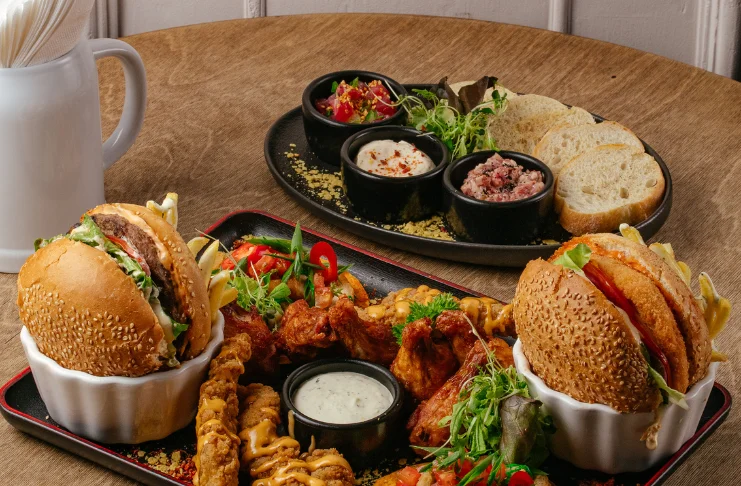
Combos aren’t just for quick-service; they work across a range of price points.
Strategies for Other Segments:
- Prix fixe dinners for upscale diners bundle appetizer, entrée, and dessert at a premium price.
- Family-style spreads in casual dining encourage group orders and shared plates, fostering a communal dining experience.
- Healthy bundles pair wellness-focused mains with fresh juices to appeal to health-conscious diners.
Whatever your concept, combo strategies can be tailored to fit your guest experience and environment.
12. Metrics to Monitor Continuously

You can’t manage what you don’t measure, especially not combos.
Key Performance Indicators:
- Combo adoption rate: What percentage of transactions include a bundle?
- Average Order Value Growth: Compare Pre- and Post-Bundle Rollouts.
- Margin impact: Combo margin versus the sum of its parts.
- Guest feedback: Monitor satisfaction via reviews or surveys.
Metrics tell the story; stay on top of them to ensure bundles remain profit-positive.
Conclusion
Smart bundling is a comprehensive strategy that transforms the way restaurants approach profitability and customer experience. When thoughtfully designed and consistently optimized, combo meals can significantly boost average order value, reduce operational complexity, and deepen guest satisfaction through perceived value. But success lies not in simply grouping items together; it requires understanding your menu data, curating bundles that align with both customer desires and business goals, and integrating those bundles seamlessly across your ordering channels. It’s a process of continual refinement, where guest behavior, seasonal trends, and margin realities inform smarter decisions over time.
As competition intensifies in the restaurant industry, those who treat menu engineering and food combos as a strategic advantage—not an afterthought—will be the ones who see sustained revenue growth, stronger loyalty, and a more resilient bottom line. Now’s the time to rethink how your restaurant combines value, creativity, and profitability, because the right combo can serve much more than just selling products; it can serve as the foundation for your entire business plan.
Frequently Asked Questions
1. Which meal is most profitable for restaurants?
The most profitable meals are those with high-margin ingredients and low labor costs, such as pasta dishes, pizza, and breakfast items like omelets or pancakes.
2. Do fast food combos save money?
Fast food combos can save customers money by offering bundled discounts, while also increasing order size and profitability for the restaurant.
3. What is a good ROI for a restaurant?
A good ROI for a restaurant typically ranges between 15% to 25%, depending on location, concept, and operational efficiency.
4. What is the most profitable food item?
The most profitable food items often include beverages, fries, and pasta dishes, as they have low ingredient costs and high markups.
5. What is the most profitable meal to sell?
The most profitable meals to sell are usually pure bundles, which are combo meals that pair high-margin sides and drinks with a popular main dish.
6. What is the most profitable menu item?
The most profitable menu items are drinks (especially alcoholic or specialty beverages), followed by appetizers and desserts with low prep cost.
7. What food business is most profitable?
The most profitable food businesses include cloud kitchens, specialty coffee shops, bakeries, and fast-casual restaurants that offer streamlined menus.
8. How to make a menu item more profitable?
Menu item profitability increases by optimizing portion size, using seasonal ingredients, reducing waste, and pairing it with upsell-friendly sides.
9. How does bundling increase profits?
Bundling increases profits by encouraging higher average spend per order and helping move lower-performing or surplus items.
10. How does product bundling benefit a company?
Product bundling benefits a company by enhancing perceived value, increasing sales volume, and lowering marketing and operational costs per unit.
11. Is bundling more profitable than selling separately?
Bundling is often more profitable than selling items separately because it encourages customers to buy more and simplifies inventory turnover.
12. What are revenues with the bundled price?
Revenue with a bundled price reflects a combination of items sold together at a discount, which can increase total revenue per transaction despite lower individual item margins.
13. What is an example of menu engineering?
An example of menu engineering is featuring a high-profit “signature burger combo” prominently on the menu to drive customer selection.
14. What is menu engineering in food production?
Menu engineering in food production involves analyzing sales and cost data to optimize item placement, pricing, and combinations for maximum profit.
15. What are the four quadrants of menu engineering?
The four quadrants of menu engineering are Stars (high profit and high popularity), Plowhorses (low profit and high popularity), Puzzles (high profit and low popularity), and Dogs (low profit and low popularity).
16. What is a combo on a menu?
A combo on a menu is a set of two or more items—typically a main, side, and drink—offered together at a combined or discounted price.