



The restaurant industry in Delhi is experiencing a period of rapid transformation, driven by evolving consumer preferences, growing disposable incomes, and a thriving dining culture. Restaurateurs in the city operate within a highly competitive market, where strategic decisions regarding pricing, operational efficiency, and brand positioning have a direct impact on profitability. With over 120,000 restaurants in Delhi, of which 66,230 belong to the organised segment, the city has emerged as one of India’s most dynamic hubs for culinary ventures, offering both challenges and opportunities for entrepreneurs.
For restaurant owners, improving profit margins requires a combination of precise cost management, targeted marketing, and an understanding of Delhi’s diverse customer base. This comprehensive guide examines proven strategies to enhance earnings, minimize operational costs, and capitalize on Delhi’s vibrant dining scene, enabling long-term success. From fast food outlets to fine dining destinations, every restaurant can find growth opportunities by adapting to consumer trends and making informed business decisions.
Delhi’s growing population and influx of food lovers from across India and abroad make it a unique market. In 2024, India’s food service market was valued at $80 billion and is expected to grow to $144-152 billion by 2030, with Delhi NCR contributing significantly to this growth. Restaurateurs who tap into this expanding demand with effective business models, innovative offerings, and customer engagement strategies stand to secure higher revenue streams and sustainable growth.
The restaurant business in today’s world demands adaptability and innovation. Successful restaurant owners understand that profitability extends beyond serving quality food; it requires strategic location selection, efficient operations, and the ability to maintain consistency across all aspects of the business. Whether operating under one roof or managing more outlets across the city, the key lies in understanding what drives sales and implementing systems that support scalable growth.
Understanding the New Delhi Market

New Delhi has established itself as one of India’s top cities for restaurant growth, driven by high disposable incomes, a strong tourism sector, and a cosmopolitan culture. The city’s food scene is a blend of tradition and innovation, offering a diverse range of options from street food to fine dining experiences. For entrepreneurs, New Delhi’s diverse clientele presents an opportunity to cater to multiple market segments under one roof.
INDUSTRY INSIGHTS
| India’s food services market was valued at $80 billion in 2024 and is projected to grow to between $144 billion and $152 billion by 2030, reflecting a compound annual growth rate (CAGR) of 10–11%. This growth is driven by several factors, including increased consumer spending, a shift towards organized food services, and the rise of cloud kitchens. Cloud kitchens, in particular, have disrupted traditional dining models by offering scalability and flexibility to meet the diverse needs of consumers. |
The presence of corporate offices, shopping districts, and upscale neighborhoods also contributes to the high demand for premium dining experiences. Restaurateurs who strategically choose locations near commercial hubs and cultural landmarks often benefit from higher foot traffic and consistent revenue.
The city’s infrastructure supports restaurant growth through well-developed transportation networks, robust digital payment systems, and established supply chains. This environment enables restaurant owners to focus on their core business rather than addressing operational challenges that may exist in smaller cities. The availability of skilled labor, from experienced chefs to trained service staff, provides another major advantage for restaurant operations.
However, operating in New Delhi comes with challenges. Prime real estate is expensive, and competition is fierce, with established brands and new restaurants constantly vying for attention. Restaurateurs must invest in creating unique dining experiences, implementing efficient service models, and leveraging influencer marketing to stand out in this competitive market.
The restaurant industry in Delhi is a microcosm of India’s evolving food service sector. With a rapidly expanding middle-class population and increasing exposure to global cuisines, Delhi has seen a surge in restaurants catering to every taste and budget. From luxury fine dining establishments in Connaught Place and Khan Market to high-volume fast food chains in malls and high streets, the market offers enormous diversity for both customers and business owners.
Delhi’s status as India’s political and cultural capital makes it an attractive location for restaurateurs. The Delhi NCR has a food market size of Rs 42,000 crores, making it a high-potential area for growth. The city’s restaurant landscape comprises cafes, bars, bakeries, delivery-only kitchens, and specialized cuisine outlets, each contributing to the shaping of market dynamics.
The industry has undergone significant structural changes over the past decade, with technology playing an increasingly important role in operations. Cloud kitchens have emerged as a major force, holding a 36 percent share in the organised food sector, followed by quick-service restaurants (QSRs), which capture 31 percent of the market share. This shift reflects changing consumer preferences and the growing importance of delivery services in the restaurant business.
One major advantage of operating in Delhi is the city’s cosmopolitan culture, which embraces regional and international cuisine trends. Restaurateurs who keep pace with these preferences often gain a competitive edge. However, they must also navigate challenges like rising rental prices, intense competition, and shifting consumer habits driven by online food aggregators.
The restaurant industry in Delhi serves as a testing ground for new concepts and formats. Many successful chains that later expand across India first prove their business model in Delhi’s demanding market. This creates both pressure and opportunity; restaurants that succeed here often have the foundation needed to scale nationally.
Restaurant Business in Delhi
Running a restaurant business in Delhi demands resilience and strategic thinking. Restaurateurs face challenges ranging from sourcing quality raw materials to managing high staff turnover, but those who invest in strong branding, quality service, and tech-driven operations often find significant success. The restaurant business in the city requires owners to be hands-on managers who understand every aspect of their operations, from kitchen workflows to customer service standards.
A profitable restaurant in Delhi focuses on three pillars: customer experience, operational efficiency, and menu optimization. Delivering consistent quality food and service is essential, as customers in urban areas are more likely to share reviews on platforms like Google and Zomato, which can significantly influence a brand’s reputation. In today’s world, a single negative review can impact potential profit, while positive social media attention can drive substantial growth.
Business owners also benefit from exploring niche concepts, such as health-focused cafes, specialty bakeries, or chef-led tasting menus. These create differentiation in a crowded market and cater to evolving consumer expectations. The younger generation in Delhi is particularly drawn to innovative dining formats, which present numerous opportunities for restaurants willing to experiment with their business model.
The restaurant business requires significant investment, not just in initial setup but in ongoing operations. Successful owners typically allocate 15-20% of revenue for marketing and brand building, 25-30% for raw materials, 25-35% for staff and operations, and 15-25% for rent and utilities. Understanding these cost structures is crucial for maintaining profitability and planning expansion.
Many restaurant owners in Delhi operate with thin margins initially but build sustainable businesses by focusing on customer retention and operational efficiency. The most successful restaurateurs view their business as a long-term investment, often taking 18 to 24 months to achieve consistent profitability while building their brand and expanding their customer base.
Fast Food in New Delhi
Fast food has become a dominant force in Delhi’s restaurant landscape, driven by the younger generation’s demand for convenience, speed, and affordability. The segment has evolved far beyond traditional offerings, now encompassing regional flavors, health-conscious options, and innovative fusion concepts that cater to Delhi’s diverse population.
The success of fast food in Delhi is built on operational efficiency and scalability. Standardized preparation methods, streamlined menus, and efficient service models allow fast food outlets to serve high volumes of customers while maintaining consistent quality. This operational advantage translates directly to better profit margins and faster return on investment compared to full-service restaurants.
Technology integration has been particularly beneficial for the fast food segment. Digital ordering systems, kitchen automation, and delivery platform integration enable these establishments to operate with leaner staff while maintaining high service quality. The resulting operational efficiency directly contributes to higher profitability and better customer experiences.
The growing trend of snacking and informal dining has created additional opportunities for fast food restaurants. Many customers now prefer multiple smaller meals throughout the day rather than traditional three-meal patterns, creating additional sales opportunities during off-peak hours when traditional restaurants struggle to maintain traffic.
Fast food restaurants play a crucial role in Delhi’s restaurant ecosystem, with quick service restaurants (QSRs) experiencing some of the fastest growth. These outlets cater to customers seeking affordability, convenience, and speed. The India Quick Service Restaurant (QSR) market is projected to grow at a compound annual growth rate (CAGR) of 9.36% from 2025 to 2030, increasing from an estimated USD 27.8 billion in 2025 to USD 43.5 billion by 2030.
The fast food segment in Delhi has expanded beyond burgers and pizzas, now encompassing regional snacks, street food-inspired dishes, and fusion cuisine. This diversification has allowed QSR operators to attract a wider audience while maintaining efficient operations. North Indian food has found particular success in the fast food format, with concepts like butter chicken wraps and tandoori pizza becoming popular among customers seeking familiar flavors in convenient formats.
For restaurateurs, a key factor in fast food profitability is scalability. Smaller spaces, streamlined menus, and centralized kitchens make it easier to manage costs and open more outlets. The business model allows for rapid expansion with relatively lower investment per location compared to full-service restaurants. Many fast food operators achieve profit margins of 15-20%, which is significantly higher than those of fine dining establishments.
Fast food restaurants benefit from shorter service times and higher table turnover rates, allowing them to serve more customers throughout the day. The average fast food outlet in Delhi can serve 200-400 customers daily, compared to 80-150 for casual dining restaurants. This volume advantage, combined with standardized operations, creates compelling economics for entrepreneurs looking to enter the market.
Delivery has become integral to the fast food business model, with many outlets generating 40-60% of revenue through online orders. The efficiency of fast food operations makes them particularly well-suited for delivery, as dishes can be prepared quickly and travel well. This compatibility with delivery platforms provides a significant additional advantage in Delhi’s competitive market.
Profit Margins in Delhi
Profit margins in Delhi’s restaurant market are influenced by several key factors, including rent, food costs, labor expenses, and the effectiveness of marketing efforts. QSRs and delivery-focused kitchens often achieve higher margins due to lower overhead costs, while fine dining establishments typically see narrower margins due to high real estate costs, premium ingredients, and extensive staffing requirements.
Operational costs can be challenging for both new and established restaurants. Rent in prime areas of Delhi often accounts for 15–25% of total expenses, while staff salaries and training programs take another significant portion of revenue. Restaurateurs who adopt energy-efficient equipment, renegotiate supplier contracts, and streamline their menus often find ways to lower operational costs without compromising service or quality.
Technology is increasingly being used to manage costs and improve margins. Tools such as AI-based demand forecasting, automated inventory systems, and predictive analytics enable restaurant owners to identify trends and optimize their purchasing decisions. This level of planning allows restaurateurs to stabilize profit margins and remain competitive even during economic fluctuations.
The most successful restaurants in Delhi achieve profit margins of 12-18% by focusing on operational efficiency, strategic pricing, and customer retention. These establishments understand that sustainable profitability comes from optimizing every aspect of their operation rather than relying solely on high sales volumes.
Maximizing restaurant profits in Delhi is about more than offering great food; it requires strong operational planning, data-driven decisions, and an in-depth understanding of the city’s dining culture. Profitability varies widely based on factors such as location, menu design, business model, and marketing efforts. Restaurants that consistently adapt to changing consumer behavior and trends can achieve higher net profits, even in highly competitive markets.
The potential profit in Delhi’s restaurant industry is substantial for those who understand the market dynamics. A profitable restaurant typically maintains food costs between 28-35% of revenue, operational costs at 40-50%, and achieves net profit margins of 8-15%. However, these figures can vary significantly based on the restaurant’s positioning, with fast food establishments often achieving higher margins due to standardized operations and lower labor costs.
Restaurant owners in Delhi benefit from a diverse client base that includes office workers seeking quick meals during long hours, families seeking fine dining experiences, and a younger generation drawn to Instagram-worthy cafes and themed spaces. Understanding these customer groups enables restaurateurs to create effective pricing strategies, tailor menu offerings, and design loyalty programs that foster repeat business.
The average customer in Delhi dines out multiple times a month, spending an average of ₹1,165 per meal while dining out and preferring to eat non-home-cooked meals at least 8.96 times a month. This frequent dining behavior creates substantial opportunities for restaurants to build a loyal customer base and generate consistent revenue throughout the year.
Operational costs in Delhi, including rent, raw materials, and labor, can account for a significant portion of revenue. To maintain a profitable restaurant, owners must regularly analyze their cost structures, identify areas of waste, and explore ways to enhance efficiency. Many restaurants in the Delhi NCR region achieve profit margins of 10–15%, which is higher than the national average for smaller cities, largely due to high sales volumes and premium pricing opportunities in prime locations.
Opening a New Restaurant
Opening a new restaurant in Delhi is both exciting and demanding. While the city offers many opportunities for growth, it is also one of the most competitive food markets in India. Restaurateurs often face challenges such as acquiring the right location, navigating licensing requirements, and managing high initial investments. Operational costs, including staffing, equipment, and raw materials, can quickly accumulate, making financial planning essential for long-term success.
Despite these hurdles, Delhi provides a supportive ecosystem for innovative food businesses. The younger generation’s willingness to try new dining formats, combined with the city’s robust food delivery infrastructure, gives new restaurants a platform to experiment with unique cuisines and business models. Entrepreneurs who adopt cloud kitchens or hybrid service formats can reduce overhead costs and scale more quickly than traditional dine-in models.
For those seeking success, thorough market analysis is crucial. Understanding the target audience, competitors, and local food trends helps restaurateurs make informed decisions about pricing, menu selection, and brand positioning. The market is highly dynamic, but restaurants that focus on quality service, strong branding, and efficient operations can establish themselves as profitable ventures in a shorter timeframe than expected.
Location selection remains the most significant factor influencing the success of new restaurants. While prime locations offer high visibility and foot traffic, they come with substantial rental costs that can strain initial cash flow. Many successful new restaurants start in emerging neighborhoods where rent is lower but growth potential is high, then expand to premium locations once they’ve established their brand.
Food Costs
Food costs are one of the biggest factors affecting restaurant profits in Delhi. Restaurateurs typically aim to keep food costs between 25% and 35% of total sales, which requires meticulous planning, effective supplier negotiation, and regular menu adjustments. In a city where customer preferences shift rapidly, staying on top of pricing trends and ingredient costs is crucial to maintaining profitability.
Delhi’s access to wholesale markets and local farms is a significant advantage for restaurants seeking to source high-quality raw materials at competitive prices. The city’s proximity to agricultural regions in Punjab, Haryana, and Uttar Pradesh ensures a steady supply of fresh produce at reasonable rates. By working directly with suppliers and leveraging seasonal produce, owners can reduce costs while offering fresher, quality food that meets customer expectations.
Some restaurants also adopt centralized purchasing systems, which help standardize pricing and streamline supply chain operations across multiple outlets. This approach is particularly effective for chains and franchise operations, where maintaining consistency in food quality and cost control is essential for brand integrity and profitability.
Technology has played a crucial role in controlling food costs. Inventory management software allows owners to track ingredient usage, monitor wastage, and optimize portion sizes. This data-driven approach not only reduces costs but also enhances consistency, which is crucial for establishing a loyal customer base in a competitive market.
The beverage industry offers particular opportunities for cost optimization and profit enhancement. Beverages typically carry higher profit margins than food items, with markup ratios often reaching 300-400% for specialty drinks. Restaurants that develop signature beverages or partner with local suppliers can create unique offerings while maintaining excellent profit margins.
Menu engineering plays a crucial role in effectively managing food costs. By analyzing the profitability and popularity of each dish, restaurants can identify and eliminate low-margin items, promote high-profit dishes, and refine recipes to utilize ingredients more efficiently. This strategic approach to menu design can significantly impact overall food costs while maintaining customer satisfaction.
Delhi’s Restaurant Owners
For restaurant owners in Delhi, striking a balance between creativity and business acumen is crucial. The market is full of opportunities, but operating a profitable restaurant requires a deep understanding of customer behavior, operational efficiency, and financial planning. Owners must be prepared to adjust their strategies quickly in response to shifting market dynamics, such as increasing commissions from delivery apps or fluctuations in raw material costs.
Successful restaurant owners in Delhi often share common characteristics: they invest significant time in understanding their local market, maintain close relationships with their teams, and continuously monitor financial performance. Many work long hours, especially in the initial years, to ensure that every aspect of their operation meets quality standards. This hands-on approach is particularly important in a market where customer expectations are high and competition is fierce.
Owners who prioritize staff training, customer engagement, and streamlined operations often see long-term success. Many have begun implementing digital loyalty programs and CRM systems to retain regular customers and attract new diners. This is especially important in a city where word-of-mouth recommendations and online reviews have a significant influence on dining decisions.
Another area of focus for Delhi restaurateurs is branding. A well-defined brand identity—whether built around a signature dish, a chef’s expertise, or a unique dining experience—helps restaurants stand out. With strong branding and efficient management, many restaurants in the Delhi NCR region have successfully scaled their operations and maintained profitability for over a decade.
The most successful restaurant owners understand that their role extends beyond traditional management. They serve as brand ambassadors, quality controllers, and strategic planners simultaneously. This multifaceted responsibility necessitates continuous learning and adaptation, as the industry evolves rapidly in response to shifting consumer preferences and technological advancements.
Strategies to Expand Your Restaurant Business in New Delhi

Expanding a restaurant in New Delhi requires a strategic approach that balances operational efficiency, market insights, and customer engagement. Restaurateurs seeking to expand their operations must identify emerging neighborhoods, consumer demographics, and dining trends to target areas with high growth potential. Beyond location, expansion strategies should integrate technology, sustainability, and operational scalability to ensure long-term profitability and competitiveness.
One effective method is multi-format operations, where a single brand operates a combination of dine-in restaurants, cloud kitchens, and delivery-first outlets. This approach enables restaurateurs to target diverse customer segments, experiment with menu concepts, and optimize revenue streams without incurring significant capital expenditures on traditional restaurant spaces. Data-driven insights from POS systems, AI analytics, and delivery platforms help operators identify popular menu items, monitor customer preferences, and forecast demand across multiple outlets.
Brand development and marketing are equally crucial in expansion. Maintaining consistent service standards, operational protocols, and branding across multiple locations fosters trust and loyalty among customers. Integrating loyalty programs, CRM systems, and digital engagement tools enables restaurants to personalize customer interactions, enhance retention, and drive repeat business. Additionally, aligning expansion with health-conscious menus and sustainable practices—such as plant-based offerings, energy-efficient operations, and locally sourced ingredients—appeals to Delhi’s increasingly conscious and urban customer base.
Finally, leveraging strategic partnerships with delivery platforms, tech providers, and influencer networks amplifies reach and strengthens brand positioning. Restaurants that combine operational excellence with technology adoption, marketing innovation, and sustainable practices are better positioned to scale successfully in the competitive New Delhi market.
Influencer Marketing
Influencer marketing has become a crucial growth strategy for restaurants in Delhi, offering a direct connection to digitally active, trend-sensitive audiences. Customers are increasingly discovering new dining experiences through Instagram Reels, YouTube reviews, and social media content, rather than traditional advertising. By collaborating with food influencers, restaurants can tap into loyal follower bases, generate buzz, and drive foot traffic, all while creating authentic connections with potential customers.
The influencer marketing industry in India continues to grow rapidly, reflecting its increasing role in brand awareness and revenue growth strategies. Restaurants that align with influencers whose values mirror their own—whether focused on health-conscious dining, sustainability, or premium culinary experiences—can craft campaigns that resonate deeply with target audiences. By combining influencer partnerships with social media campaigns, exclusive tasting events, behind-the-scenes content, and limited-time menu launches, the restaurant strengthens engagement and positions itself as a future-ready, digitally empowered brand in Delhi’s competitive landscape.
Micro-influencers, with follower counts ranging from 10,000 to 100,000, often yield a higher return on investment compared to celebrity endorsements. These influencers tend to have more engaged audiences, charge lower fees, and are accessible to smaller chains or independent restaurants. When leveraged effectively, influencer marketing enhances customer loyalty, brand visibility, and profitability, while supporting the broader digital and data-driven growth strategy.
Food Delivery
The rise of food delivery platforms has fundamentally reshaped restaurant operations in Delhi. Aggregators such as Zomato and Swiggy provide access to customers beyond immediate neighborhoods, allowing restaurants to scale without significant investment in dine-in infrastructure. For many operators, online orders now account for 30–50% of total revenue, particularly in fast-food and casual dining segments.
While delivery platforms present significant growth opportunities, they also introduce operational challenges. Commission fees can erode margins, requiring restaurateurs to optimize menu pricing, introduce delivery-exclusive items, and negotiate strategic partnerships with platforms. Some restaurants are also developing proprietary ordering apps to reduce dependency on third-party services while capturing valuable customer data for retention and marketing initiatives.
Urban neighborhoods with busy professionals have demonstrated a strong demand for convenient and timely dining solutions. Restaurants that focus on efficient packaging, faster delivery, and loyalty rewards for repeat online orders are better able to build lasting customer relationships and protect profitability. Notably, average delivery order values in Delhi often exceed dine-in orders by 20–30%, demonstrating the revenue potential of this channel.
The emergence of cloud kitchens complements the delivery-first economy. These operations focus solely on online orders, eliminating front-of-house costs such as seating, décor, and large staff overhead. Operating from industrial or residential zones with lower rent allows cloud kitchens to maintain higher profit margins while serving the same customer base. Combined with technology integration, AI-powered demand forecasting, and sustainable packaging solutions, cloud kitchens represent a future-ready, scalable, and profitable model for restaurateurs seeking rapid expansion in Delhi.
Building a Loyal Customer Base in a Competitive Market

Loyalty programs have become a powerful tool for restaurant owners in Delhi, enabling them to strengthen customer retention in an increasingly competitive market. With competition at an all-time high, retaining regular customers is often more cost-effective than constantly attracting new ones. Digital loyalty programs, app-based reward systems, and subscription-based dining packages are now widely adopted by restaurants of all sizes.
These programs enable owners to track customer preferences, personalize offers, and encourage repeat visits. Fast food restaurants often provide points-based systems that encourage customers to increase their order size to unlock rewards. Fine dining establishments focus on exclusive offers and VIP experiences to build a sense of community among high-spending guests.
Effective loyalty programs in Delhi often incorporate social media platforms to amplify their reach. Customers who share their dining experiences on Instagram or Facebook may receive additional rewards, creating organic marketing while building brand loyalty. This integration has proven particularly effective with the younger generation.
Industry research indicates that loyalty programs can increase repeat visits by up to 30%, making them a critical strategy for improving profitability. Restaurants that integrate these programs with social media campaigns and influencer collaborations often see even greater results, as customers are more likely to engage with brands that make them feel valued.
In Delhi’s highly competitive restaurant landscape, cultivating a loyal customer base is one of the most critical factors determining long-term success. Repeat business ensures consistent revenue streams and provides restaurants with a resilient foundation in an environment where new entrants and delivery-first concepts are proliferating. Loyal customers not only contribute directly to stable sales but also serve as brand ambassadors, recommending restaurants to friends and family and driving organic growth that reduces marketing spend.
Restaurants can foster loyalty by prioritizing exceptional service, consistent food quality, and personalized experiences. Leveraging POS systems, loyalty programs, and AI-powered customer analytics, operators can gather detailed insights into dining habits, favorite dishes, order frequency, and special occasions. This data enables restaurants to deliver tailored offers, suggest complementary menu items, and recognize milestones such as birthdays or anniversaries, actions that enhance customer satisfaction and strengthen emotional connections with the brand.
Digital engagement has become increasingly important in building and sustaining loyalty. Restaurants that actively interact with customers on social media platforms, respond promptly to reviews, share user-generated content, and provide glimpses behind the scenes foster community trust and a sense of belonging. This engagement encourages repeat visits and positions the restaurant as a future-ready, digitally connected brand in the minds of consumers.
The economic impact of customer retention is significant. Acquiring a new customer can cost five to ten times more than retaining an existing one, emphasizing the value of loyalty programs and retention strategies. Loyal diners also tend to be less price-sensitive, more willing to try new menu items, and more receptive to premium or health-conscious offerings. By understanding and anticipating customer preferences, restaurants can increase average order values, boost profitability, and sustain competitive advantage.
Integrating technology-driven solutions further strengthens loyalty initiatives. AI can personalize promotions, optimize communication timing, and segment customers based on their ordering patterns, ensuring highly relevant engagement. Additionally, loyalty platforms that integrate with delivery apps, reservation systems, and POS tools provide a seamless experience that keeps customers returning while offering operators actionable insights for strategic decision-making.
Incorporating health-conscious, plant-based, or sustainable menu options into loyalty programs also aligns with the evolving expectations of consumers. Customers increasingly appreciate brands that reflect their values, whether through responsible sourcing, eco-friendly packaging, or nutritionally balanced offerings. By blending operational excellence, technology, and value-driven initiatives, restaurants in Delhi can cultivate loyalty that drives repeat business, enhances profitability, and secures long-term success.
How to Maintain Consistency Across Outlets

For multi-outlet restaurants and chains, maintaining consistency in service and quality is a key priority. Customers expect the same experience regardless of which location they visit. Achieving this level of consistency requires standardized operating procedures, robust training programs, and quality control systems that ensure uniformity across all outlets.
Many successful restaurant brands in Delhi, some of which have been operating for more than a decade, rely on centralized kitchens and procurement systems to ensure uniform taste and presentation. These systems also help reduce costs by enabling bulk purchases of raw materials, which can improve profit margins. Centralized operations enable better quality control and more efficient resource utilization.
Technology plays an important role in scaling operations while maintaining consistency. Cloud-based POS systems, kitchen display units, and inventory management solutions give owners real-time visibility into outlet performance. Regular audits, staff training workshops, and well-defined SOPs ensure that teams deliver the same level of service at every branch.
Restaurants that manage consistency effectively are more likely to earn a loyal customer base and scale their business successfully. This approach also improves brand reputation, making it easier for restaurateurs to expand into new locations or enter partnerships with delivery platforms.
Cloud Kitchens: A Profitable Restaurant Business Model

Cloud kitchens, also known as delivery-only or virtual kitchens, have revolutionized the restaurant industry in Delhi by offering a highly scalable, cost-efficient, and technology-driven business model. Unlike traditional dine-in restaurants, cloud kitchens eliminate the need for high-footfall locations, expensive décor, and large front-of-house staff, allowing restaurateurs to focus solely on preparing high-quality food optimized for delivery. This model is particularly advantageous for entrepreneurs entering the market with limited capital while aiming to maximize profitability.
The rapid growth of online food delivery platforms in India has significantly increased customer convenience and expanded market reach. Delhi continues to emerge as a key growth hub for delivery services, supported by a digitally connected, tech-savvy population. Cloud kitchens allow restaurateurs to capitalize on this demand by offering multiple cuisines or menu concepts under a single roof, optimizing operational efficiency while catering to diverse consumer preferences. The flexibility to experiment with menus also encourages innovation in fusion dishes and health-conscious options, meeting the evolving expectations of young, urban consumers.
Scalability is one of the most compelling advantages of cloud kitchens. Operators can expand into new areas without heavy investments in real estate, décor, or seating capacity. By leveraging data analytics from delivery platforms, restaurateurs can track order patterns, identify popular dishes, optimize inventory, and refine pricing strategies. This data-driven approach enables sustainable profitability, enhances customer satisfaction, and provides actionable insights for menu engineering and targeted marketing campaigns.
Cloud kitchens also benefit from the integration of technology and automation. From AI-driven demand forecasting and smart inventory management to kitchen display systems and digital POS platforms, these technologies streamline operations, reduce human error, and ensure timely delivery. Automation in food preparation and order handling further enhances efficiency, allowing operators to handle higher order volumes with minimal incremental costs, which is crucial for maintaining competitive profit margins.
Another significant advantage is the reduction in operational overheads. Without front-of-house staff, elaborate interiors, or prime-location rents, cloud kitchens can operate with 40–50% lower costs compared to traditional restaurants while maintaining similar revenue potential through robust delivery channels. This allows operators to reinvest savings into technology, sustainable packaging, and eco-conscious initiatives, aligning with the growing consumer preference for sustainability and responsible dining practices.
Furthermore, cloud kitchens are well-suited to support health-conscious dining trends. By offering plant-based dishes, gluten-free options, and nutritionally balanced meals, operators can cater to younger, health-oriented demographics while commanding premium pricing. Integrating digital ordering platforms, mobile apps, and AI-powered customer insights ensures that menu offerings remain aligned with consumer preferences, driving repeat business and loyalty.
In summary, cloud kitchens in Delhi represent a future-ready restaurant model that combines operational efficiency, technological innovation, and consumer-centric offerings. Restaurateurs who leverage AI, automation, data analytics, sustainability practices, and health-focused menus can maximize profitability, scale rapidly, and maintain a competitive edge in the city’s dynamic and growing delivery-driven market.
North Indian Food and Its Market Impact
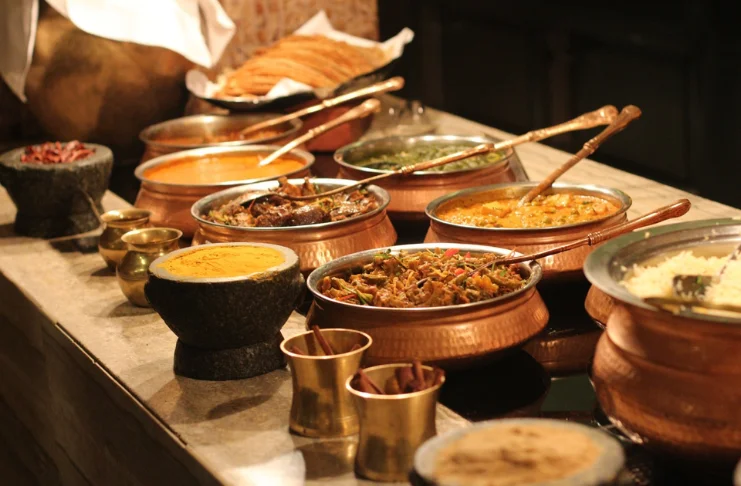
North Indian food holds a special place in Delhi’s restaurant landscape, driving sales for many fine dining and casual dining outlets. From rich curries and kebabs to tandoor-cooked breads, these dishes have been synonymous with Delhi’s culinary culture for decades. Restaurants specializing in North Indian cuisine often enjoy strong customer loyalty, as these dishes appeal to both locals and tourists seeking authentic regional experiences.
Premium North Indian restaurants in Delhi have successfully combined innovation with traditional recipes. Chefs experiment with plating styles, healthier ingredients, and tasting menus to appeal to evolving customer preferences. This balance between authenticity and creativity has allowed the cuisine to remain a top choice among Delhi’s food lovers.
The popularity of North Indian food has also fueled growth on delivery platforms and cloud kitchens. Many customers prefer ordering traditional dishes online, creating opportunities for restaurants to design delivery-friendly packaging while maintaining quality. Restaurateurs who specialize in this cuisine often achieve higher average order values, making it a profitable niche in Delhi’s competitive market.
Street food-inspired North Indian dishes have found particular success in the fast food segment. Concepts like tandoori wraps, butter chicken burgers, and fusion chaat have enabled QSR operators to offer familiar flavors in convenient formats, making the cuisine accessible to time-pressed customers.
Leveraging the Beverage Industry for More Money

The beverage industry offers a lucrative revenue stream for restaurants in Delhi. Whether through craft cocktails, artisanal coffee, or specialty teas, beverages significantly contribute to profit margins due to their relatively low cost-to-price ratio. Upselling drinks is a proven way to increase the average check size and generate more money without significantly raising operational costs.
Delhi’s growing cafe culture has made beverages a focal point for many brands. Specialty coffee shops and tea houses appeal to the younger generation, while fine dining restaurants utilize curated wine lists and signature cocktails to enhance the customer experience. Restaurants that partner with local breweries or beverage brands often benefit from cross-promotion opportunities and enhanced visibility.
Beverage-focused promotions, such as happy hours or tasting sessions, encourage repeat visits and help build a loyal customer base. Restaurateurs who understand this market segment can position their outlets as lifestyle destinations rather than just dining venues, improving customer retention and overall profitability.
The profit margins on beverages are typically 60-80%, compared to 65-70% for food items. This difference makes beverage sales crucial for overall restaurant profitability. Restaurants that successfully increase their beverage-to-food sales ratio often see significant improvements in their bottom line.
Optimizing Menu Engineering to Maximize Profits
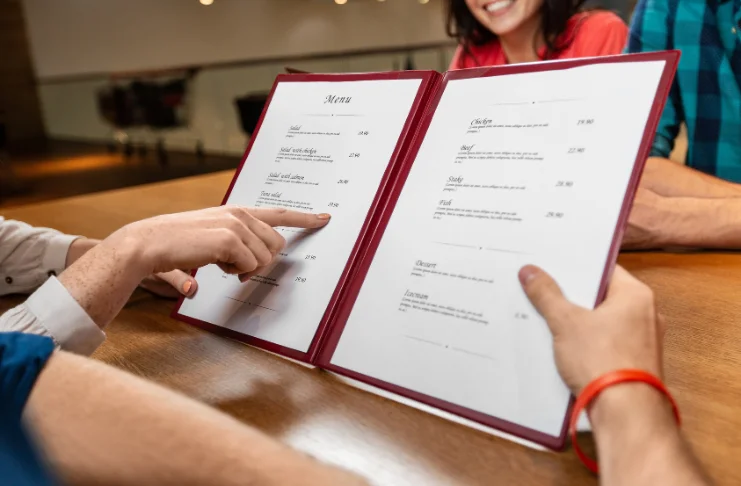
Menu engineering is a proven technique to boost profitability by analyzing menu performance and strategically pricing dishes. In Delhi, where customers are exposed to a wide range of dining options, restaurants need menus that appeal to local tastes while delivering high margins.
The process begins with categorizing menu items based on popularity and profitability. Star items – high-margin dishes that are also popular with customers – should be prominently featured and actively promoted by staff. These items often become signature dishes that differentiate restaurants from competitors.
Adjusting pricing based on demand and local market conditions allows restaurants to optimize revenue. Premium items can be priced slightly higher, especially in upscale locations where customers expect to pay more for quality and ambiance. However, pricing must be balanced against customer expectations and competitive positioning.
Streamlining offerings by reducing underperforming items helps simplify inventory management and reduce waste. Menu items that are neither popular nor profitable consume resources without generating a meaningful contribution to revenue. Eliminating these items allows kitchens to focus on profitable dishes while improving operational efficiency.
Restaurants in Delhi can capitalize on data-driven decisions to align menus with profitability goals. Point-of-sale systems provide detailed analytics on item performance, allowing owners to make informed decisions about menu adjustments.
Managing Prime Location Costs Effectively

Prime locations in Delhi attract foot traffic but come with hefty rental costs that can significantly impact profitability. Restaurateurs should negotiate leases strategically and explore emerging neighborhoods, such as Dwarka, Rohini, or Rajouri Garden, which offer lower rents and growing customer bases.
Leasing smaller spaces and investing in design to create a unique ambiance can reduce overheads while maintaining customer appeal. Many successful restaurants in Delhi maximize their space efficiency through clever layout design, vertical storage solutions, and multi-functional furniture.
Shared kitchens, also known as cloud kitchens, are cost-effective alternatives that enable restaurants to avoid high rentals while still catering to delivery demand in multiple areas across Delhi. These facilities enable restaurateurs to test market demand before committing to expensive prime locations.
The concept of location value has evolved in response to changing consumer behavior. While foot traffic remains important, factors like delivery accessibility, parking availability, and proximity to public transportation have become equally crucial for long-term success.
Training Staff to Deliver Exceptional Service

Employee training is a cornerstone of operational excellence and long-term profitability in Delhi’s competitive restaurant landscape. Well-trained staff not only enhances the customer experience but also contributes directly to higher revenue, efficient operations, and sustainable competitive advantage. Studies indicate that customer retention rates can improve by 20–25% when employees are trained in service excellence, highlighting the measurable impact of workforce development on restaurant performance.
Comprehensive training programs should cover multiple dimensions of restaurant operations. Staff should gain in-depth knowledge of menus, including ingredients, preparation methods, health-conscious options, and dietary considerations such as plant-based and gluten-free offerings. Training should also encompass service standards, upselling techniques, conflict resolution, and effective communication. Employees who understand menu items and can provide informed recommendations often increase average order value, encourage repeat visits, and contribute to stronger brand loyalty.
Cross-training staff across multiple roles—such as hosting, serving, bar management, and kitchen assistance—enhances operational flexibility and efficiency. This approach allows restaurants to adapt to fluctuating demand, handle peak-hour rush efficiently, and reduce labor costs during slower periods. Cross-trained employees can seamlessly shift between responsibilities, ensuring smooth operations without the need for additional hires, thereby improving overall profit margins.
Reducing staff turnover is another critical aspect of workforce strategy. Restaurants that offer competitive wages, career development opportunities, and flexible scheduling experience lower attrition rates. Replacing staff is costly, with estimates ranging from ₹15,000 to ₹40,000 per position when factoring in recruitment, training, and lost productivity. Investing in training and retention programs not only mitigates these costs but also cultivates a motivated, high-performing workforce capable of delivering consistent service across multiple locations.
Modern technology can enhance training and performance management. AI-powered learning platforms and digital training modules allow staff to learn at their own pace, track progress, and receive personalized feedback. Automated performance tracking and analytics can help managers identify strengths and areas for improvement, aligning workforce development with operational goals. Restaurants that integrate these technologies build a future-ready team capable of delivering superior service while supporting operational efficiency.
Furthermore, training programs can incorporate elements of sustainability and eco-conscious practices, ensuring staff understand energy-efficient operations, waste reduction techniques, and responsible sourcing. Employees who are aware of a restaurant’s sustainability initiatives can effectively communicate this to customers, reinforcing the brand’s commitment to environmental responsibility and enhancing the overall dining experience.
In summary, investing in comprehensive staff training enables restaurants in Delhi to improve customer satisfaction, increase revenue, reduce operational inefficiencies, and achieve a sustainable competitive edge. By combining skill development, cross-training, technology-enabled learning, and sustainability awareness, restaurateurs can build a workforce that not only supports profitability but also drives the restaurant toward future-ready operations in a dynamic and competitive market.
Implementing Restaurant Technology Solutions
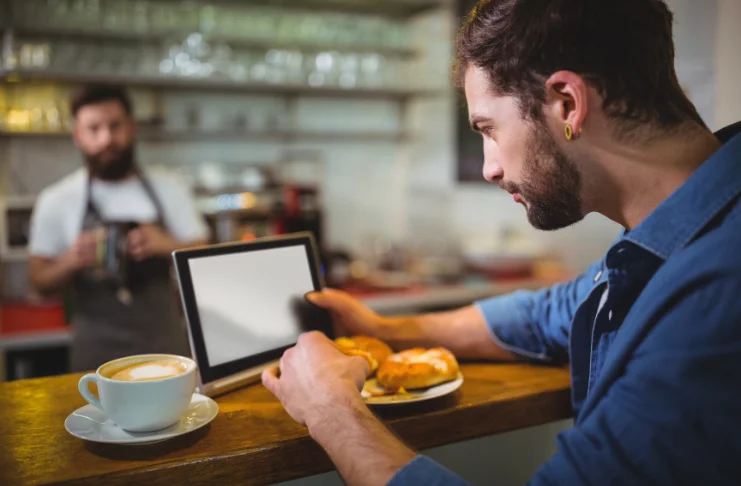
Technology adoption in Delhi’s restaurant industry has accelerated sharply, driven by the need to enhance operational efficiency, customer experience, and profitability. Restaurants are increasingly investing in point-of-sale (POS) systems, kitchen display systems (KDS), online reservation platforms, and AI-powered analytics tools to optimize workflows, reduce errors, and create seamless dining experiences. The integration of these solutions is now becoming a strategic imperative for operators seeking to remain competitive in a rapidly evolving market.
Point-of-sale systems are no longer limited to processing payments; modern POS platforms provide in-depth analytics on sales trends, peak service times, popular menu items, and customer preferences. By leveraging these insights, restaurateurs can make informed decisions about menu engineering, pricing strategies, staffing, and inventory management. For example, AI-enabled POS systems can predict demand for specific dishes, helping restaurants reduce food waste, optimize ingredient ordering, and improve profitability. The resulting operational improvements not only cut costs but also allow restaurants to allocate resources more efficiently and respond proactively to customer demand.
Kitchen display systems replace traditional paper tickets with digital screens that prioritize and sequence orders based on preparation time, delivery requirements, or customer preferences. This technology minimizes human error, streamlines kitchen workflows, and ensures timely service, which is particularly crucial in high-volume operations or multi-location restaurants. The integration of automation and AI can further enhance efficiency by dynamically reallocating kitchen resources, forecasting prep times, and suggesting process improvements, leading to better customer satisfaction and higher margins.
Online reservation and table management systems enable restaurants to manage seating capacity efficiently, reducing no-shows through automated reminders. These platforms also enable the collection of customer data for personalized marketing campaigns, loyalty programs, and targeted promotions. By integrating reservation systems with POS and KDS platforms, restaurants create a unified technology ecosystem that enables data-driven decision-making, thereby enhancing both operational agility and the customer experience.
Technology also plays a significant role in supporting health-conscious and sustainable dining trends. For example, AI-based analytics can help track menu items with lower carbon footprints or optimize ingredient usage for plant-based offerings, aligning operations with eco-friendly and health-oriented practices. Digital menu boards and ordering apps reduce paper usage while enabling interactive experiences that highlight sustainable options and nutritional information.
In a market like Delhi, where competition is intense and customer expectations are high, implementing advanced restaurant technology solutions is no longer optional. Restaurants that adopt a digitally empowered, future-ready approach gain a significant competitive advantage, improving service speed, order accuracy, and operational efficiency, while simultaneously supporting sustainability and profitability objectives. By leveraging AI, automation, and integrated technology platforms, Delhi restaurateurs can not only enhance the dining experience but also drive long-term growth and market differentiation.
Sustainability and Eco-Friendly Practices

Sustainability and eco-conscious practices are increasingly becoming key differentiators for restaurants in Delhi, especially among younger, environmentally aware consumers. Diners today are not only seeking flavorful and diverse cuisine but are also making decisions based on a restaurant’s environmental footprint. Establishments that actively adopt eco-friendly initiatives—such as reducing single-use plastics, implementing composting systems, sourcing ingredients locally, and offering plant-based menu items—can attract this growing customer segment while simultaneously enhancing operational efficiency.
Waste management and energy efficiency are central to sustainable restaurant operations. Composting food waste, recycling, and installing energy-efficient appliances in kitchens and dining areas help reduce operational costs while signaling environmental responsibility to customers. In addition to cost savings, these measures align with global sustainability trends, positioning restaurants as future-ready enterprises that are both socially and environmentally conscious. AI-driven tools can further optimize energy usage, predict food demand, and reduce waste, enabling restaurants to improve margins while staying sustainable.
Local sourcing strategies are another impactful practice. By procuring fresh ingredients from regional farmers and suppliers, restaurants not only lower transportation costs but also support the local economy. Marketing these efforts can resonate with consumers who value freshness, traceability, and community engagement. Restaurants that highlight locally sourced produce and seasonal offerings can create a strong competitive advantage, enhancing both brand perception and customer loyalty.
Plant-based dining represents one of the fastest-growing segments within sustainable practices. Plant-based proteins typically cost less than meat and often yield higher profit margins, particularly when presented as innovative, health-conscious menu options. Restaurants that integrate nutritious, plant-forward dishes alongside technology-driven menu customization tools can cater to dietary preferences while boosting revenue per order. This strategy complements health-conscious dining trends, reinforces brand positioning, and demonstrates alignment with global culinary innovations.
Furthermore, technology integration can enhance sustainability efforts. For example, AI-powered inventory management can accurately forecast ingredient usage, minimizing overproduction and spoilage. Digital menu boards, QR-based ordering systems, and automated ordering platforms help reduce paper waste and improve operational efficiency. Combining eco-conscious practices with automation and AI not only improves cost management but also helps create a digitally empowered, future-ready restaurant that meets both customer expectations and operational goals.
By embedding sustainability into core business practices—through local sourcing, waste reduction, energy efficiency, plant-based offerings, and technology adoption—restaurants in Delhi can simultaneously address environmental concerns, satisfy evolving consumer preferences, and achieve long-term profitability. Restaurants that successfully integrate these practices are likely to attract loyal, health-conscious, and environmentally aware diners, command premium pricing, and secure a competitive edge in an increasingly dynamic market.
Strategic Growth and Expansion

Successful restaurant growth in Delhi requires a combination of strategic planning, operational discipline, and market insight. Restaurants that achieve sustainable expansion typically begin with a single profitable location, refining their operational model, customer experience, and financial management before replicating success across additional markets. This methodical, step-by-step approach reduces business risk while building strong brand recognition within the city’s competitive dining landscape.
Market analysis and location selection are critical components of an expansion strategy. Restaurateurs must consider demographic trends, income levels, foot traffic patterns, and neighborhood development trajectories. Emerging neighborhoods with growing populations, enhanced infrastructure, and increasing commercial activity often provide better opportunities than saturated markets, even if initial traffic is modest. Incorporating consumer behavior insights and data analytics into site selection can significantly improve the probability of long-term success.
Operational efficiency and technology integration become essential as restaurants scale. Leveraging AI and automation in order management, kitchen operations, and delivery logistics allows multi-location operators to maintain consistent quality while reducing labor costs. Early adoption of digital ordering systems, POS integration, and predictive inventory management not only streamlines operations but also provides actionable insights to optimize menu offerings, reduce food waste, and improve profit margins across all locations.
Financial planning and risk management are equally important. Expansion requires careful consideration of cash flow, return on investment, and timelines to ensure optimal results. Many successful operators use profits from existing outlets to fund growth, avoiding excessive debt that could compromise the business during economic fluctuations or slow seasons. Scenario planning and cost forecasting for new locations help ensure financial stability while pursuing aggressive growth targets.
Brand development and operational standardization are key factors in achieving multi-location success. Consistency in branding, customer experience, service protocols, and menu quality fosters trust and loyalty across all locations. Implementation of quality control systems, training programs, and sustainability practices ensures that each new outlet reflects the parent brand’s values, including eco-conscious operations, healthy dining options, and modern technological conveniences.
Menu innovation and differentiation also play a strategic role in expansion. Offering global cuisines, fusion concepts, or regionally tailored menus can help new outlets stand out and attract a diverse range of customers. Combined with premium pricing strategies and a strong focus on customer experience, these innovations support both revenue growth and brand positioning in an increasingly competitive market.
Finally, successful expansion in Delhi is not only about scaling operations but also about creating a future-ready, digitally empowered restaurant ecosystem. Establishments that integrate technology, sustainability, health-conscious options, and global culinary trends are better positioned to maintain profitability, attract a loyal customer base, and navigate evolving market dynamics. By aligning strategic growth initiatives with these forward-looking trends, restaurateurs can build resilient operations and secure a leadership position in Delhi’s vibrant restaurant sector.
Future Trends and Opportunities

The restaurant industry in Delhi is witnessing rapid evolution, driven by a combination of technological innovation, changing consumer behaviors, and sustained economic growth. Restaurateurs who proactively anticipate these shifts and adapt their business models are better positioned to thrive in this increasingly competitive and dynamic market.
One of the most prominent trends is the growing focus on health-conscious dining. Consumers, particularly younger demographics and working professionals, are increasingly seeking menus that emphasize nutrition, fresh ingredients, and dietary customizations such as plant-based options, keto, gluten-free, and low-sugar dishes. Restaurants that cater to these preferences are not only meeting customer expectations but also enhancing their ability to command premium pricing, thereby boosting profitability.
Sustainability and eco-conscious practices are also becoming a critical differentiator. Delhi diners are progressively favoring restaurants that adopt environmentally responsible measures, ranging from sustainable sourcing of ingredients and reducing food waste to using biodegradable packaging and energy-efficient kitchen equipment. Establishments integrating these practices can enhance their brand reputation, attract environmentally conscious consumers, and qualify for green certifications that may support marketing and public relations efforts.
On the technology front, the integration of artificial intelligence (AI) and automation into restaurant operations is reshaping efficiency and cost structures. AI-powered tools are now enabling predictive inventory management, dynamic pricing, and personalized marketing campaigns. Automation in food preparation, order management, and delivery logistics helps reduce labor costs, minimize errors, and accelerate service. Early adopters of such technology gain a measurable competitive advantage, improving both profit margins and customer satisfaction.
The rise of cloud kitchens and digital-only dining models complements these technological advances. These setups reduce overheads, allow experimentation with multiple cuisines, and leverage delivery aggregators and proprietary apps to expand reach without heavy investments in physical storefronts. For restaurateurs seeking to scale quickly, digital-first strategies provide flexibility and adaptability in a rapidly changing market.
Global cuisine trends and fusion concepts continue to open doors for innovation. Delhi’s diverse and cosmopolitan population is increasingly receptive to international flavors, hybrid menus, and cross-cultural culinary experiences. Restaurants that successfully combine global culinary elements with local tastes not only differentiate themselves but also create memorable dining experiences that drive repeat business and customer loyalty. Fusion menus, limited-time collaborations, and chef-curated experiences have emerged as key levers for building a strong market position.
Finally, data-driven decision-making is poised to transform strategic planning in Delhi’s restaurant sector. Insights derived from customer analytics, ordering patterns, and social media engagement help operators refine menus, optimize pricing, and personalize promotions. Restaurants that adopt an analytical approach are better equipped to respond to market shifts, maximize revenue streams, and future-proof their operations.
In summary, restaurateurs in Delhi who align their operations with health trends, sustainability, technological advancements, and global flavor innovations are likely to capture greater market share. By embracing these trends, they can enhance profitability, strengthen brand loyalty, and position themselves as leaders in an increasingly sophisticated dining ecosystem.
Conclusion
Delhi offers endless opportunities for restaurant owners to succeed, but profitability requires a strategic balance of innovation, cost control, and customer-centric practices. By optimizing menus, leveraging delivery platforms, adopting technology, and focusing on exceptional service, restaurants can stay ahead of the competition while building sustainable businesses.
The restaurant business in Delhi rewards those who understand that success comes from mastering multiple disciplines simultaneously. From food costs and operational efficiency to customer retention and brand building, every aspect contributes to overall profitability. Restaurant owners who approach their business holistically often achieve the best long-term results.
As the city’s culinary scene continues to evolve, restaurateurs who embrace adaptability and data-driven decision-making will thrive. The market offers numerous opportunities for those willing to invest in quality, innovation, and fostering strong customer relationships. Whether operating a single location or managing more outlets across the city, the principles of successful restaurant management remain consistent.
For entrepreneurs considering entering Delhi’s restaurant market, the key is thorough preparation, adequate capitalization, and a clear understanding of local customer preferences. With continued economic growth, urbanization, and evolving consumer preferences, the market will continue to reward restaurants that combine passion for food with sound business practices. This guide provides a roadmap for increasing earnings and reducing costs in one of India’s most competitive and exciting foodservice markets.
Frequently Asked Questions
1. Is food business profitable in Delhi?
Yes, the food business in Delhi is highly profitable due to its large customer base, strong dining-out culture, and growing demand for diverse cuisines. However, profitability depends on location, menu pricing, and operational efficiency
2. How much profit does a restaurant make in India?
Restaurants in India typically earn profit margins of 10–15%, with successful brands or well-optimized outlets achieving up to 20%. High footfall and efficient cost management significantly boost earnings.
3. What is the profit rate for restaurants?
The average profit rate for restaurants globally is around 10%, while in India, it ranges between 10% and 15%. Premium restaurants and quick-service chains with streamlined operations can earn higher margins.


