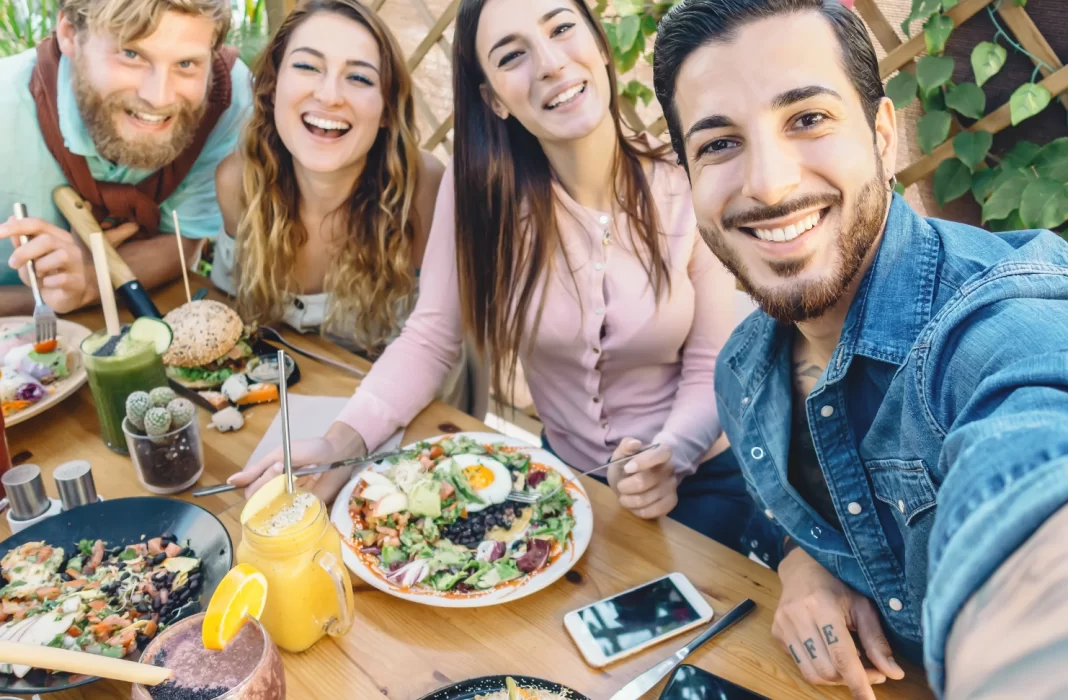

Millennial diners have reshaped the food business industry from the ground up. Their eating habits favor quality, ethics, and personalization, forcing restaurants to rethink more than just their menus.
Gourmet markets are expanding, casual dining is being redefined, and experience now matters as much as flavor.
For restaurant owners, success depends on understanding what drives millennial customers. Below, we are going to discuss in detail the impact of millennial food habits on restaurants. Let’s get into it.
How Are Millennials Changing Restaurant Operations?
The impact of millennial food habits on restaurants goes beyond menu preferences. These younger diners expect seamless digital experiences, Instagram-worthy presentations, and meaningful connections with their food choices.
Restaurant operations have adapted to accommodate millennial dining patterns. Unlike baby boomers who planned dining experiences weeks ahead, millennials make spontaneous food choices. They order through delivery apps, share meals on social media, and expect personalized experiences every time.
The numbers tell the story. 53% of millennials dine out at least once a week compared to 43% of the general population. They’ve made the restaurant industry restaurants pivot toward faster service, diverse menus, and tech-forward solutions.
What Social Media Trends Drive Millennial Restaurant Choices?

Social media dominates how millennials discover and choose restaurants. Instagram-worthy presentations here become non-negotiable. They’re essential for survival in today’s competitive landscape.
About 22% of Americans choose restaurants based on how photogenic the food looks. Millennials take this behavior to another level. They photograph 69% of their meals before eating, turning every dining experience into potential marketing content.
Smart restaurant owners now design their dining room spaces with social media in mind. Good lighting, colorful dishes, and unique plating styles have become standard requirements. The restaurants that resist this trend often struggle to attract younger consumers.
Which Food Trends Are Millennials Driving Forward?
Millennials eat differently from previous generations. They prioritize experiences over simple sustenance. Their food habits emphasize quality, sustainability, and authenticity in ways that challenge traditional restaurant models.
Plant-based options have exploded because of millennial demand. These younger diners actively seek different and exotic cuisines, pushing restaurants to expand beyond conventional offerings.
Global trends like Korean BBQ, authentic ramen, and fusion concepts gained popularity through millennial enthusiasm.
Fine dining establishments now offer casual experiences. Millennials prefer approachable luxury over stuffy formality. They want exceptional food quality without pretentious service or luxurious decor that feels intimidating.
How Do Gen Z and Millennials Compare in Restaurant Preferences?

Gen Z and millennials share many dining preferences, but key differences exist. Both generations value authentic experiences and sustainable practices. However, their spending habits and restaurant choices reveal distinct patterns.
Gen Z diners prioritize value even more than millennials. They’re more likely to choose food trucks or fast-casual options over sit-down restaurants. Economic challenges have made this younger generation extremely price-conscious about their food choices.
Both groups use delivery apps frequently. Gen Z orders takeout 69% more than older generations. Millennials focus more on the dining experience itself, while Gen Z treats restaurants as convenient meal solutions.
INDUSTRY INSIGHT:
| Millennials are redefining what a restaurant experience looks like. Nearly half of their at-home meals come from leftovers or takeout, yet only one in three meals is eaten out. Still, they expect variety, speed, and quality on their terms. Seventy percent prefer off-peak dining, 25% want tableside ordering, and 35% say social media influences their spending. Word-of-mouth drives decisions for 54%, putting pressure on restaurants to create meals worth talking about. Think reheat-friendly portions, lighter menus, and dishes designed for the camera. For operators, it’s a chance to stretch one visit into many and build loyalty in the process. |
What Role Does Technology Play in Millennial Dining Habits?
Technology integration separates successful restaurants from struggling ones. Millennials expect digital ordering, loyalty programs, and seamless payment processing as standard features, not luxuries.
Delivery apps have become essential infrastructure. Recent data suggests 71% of weekly delivery users are Millennials or Gen Z, and they’re affluent, averaging $119K in annual income. In fact, the most active users juggle 3.4 delivery apps at once.
According to the National Restaurant Association, young adults view takeout and delivery as their go-to food, with 72% of millennials and 66% of Gen Z calling it “essential” to their lifestyle. The vast majority use 3rd-party delivery, even though they indicate a slight preference for ordering directly from a restaurant.
Mobile payment systems and tableside ordering tablets appeal to millennial preferences for efficiency. These younger consumers want control over their dining experience without feeling rushed by servers.
How Are Changing Food Habits Affecting Menu Development?
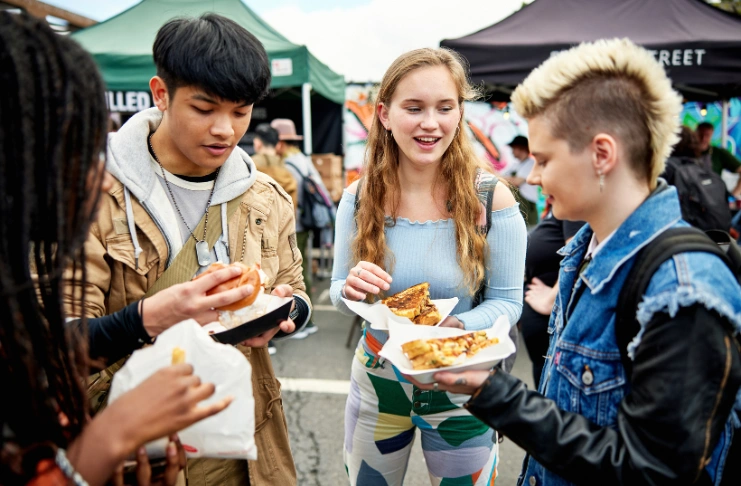
Millennial food habits force restaurants to constantly evolve their offerings. Traditional menus with limited options no longer satisfy these adventurous eaters. Restaurants must balance familiar comfort foods with innovative menu items that surprise and delight.
Healthy food options aren’t niche anymore. They’re mainstream requirements. Millennials want conscious indulgence – foods that taste amazing while aligning with their health and ethical values. This means offering non-greasy food alongside traditional favorites.
Seasonal menus appeal to millennial desires for freshness and sustainability. Restaurant industry professionals now source locally, change offerings quarterly, and highlight ingredient origins to attract these informed consumers.
What Environmental Concerns Shape Millennial Restaurant Choices?
Sustainability matters more to millennials than to any previous generation. They actively research restaurant practices before dining. This scrutiny extends from reducing food waste to sourcing ingredients responsibly.
Eco-conscious packaging has become standard at successful establishments. Millennials notice when restaurants use biodegradable containers, offer reusable options, or minimize packaging altogether. These details influence their loyalty and repeat visits.
Food waste reduction programs resonate strongly with millennial values. Restaurants that donate surplus food, compost scraps, or offer smaller portion options earn millennial respect and business.
How Do Marketing Strategies Need to Adapt?
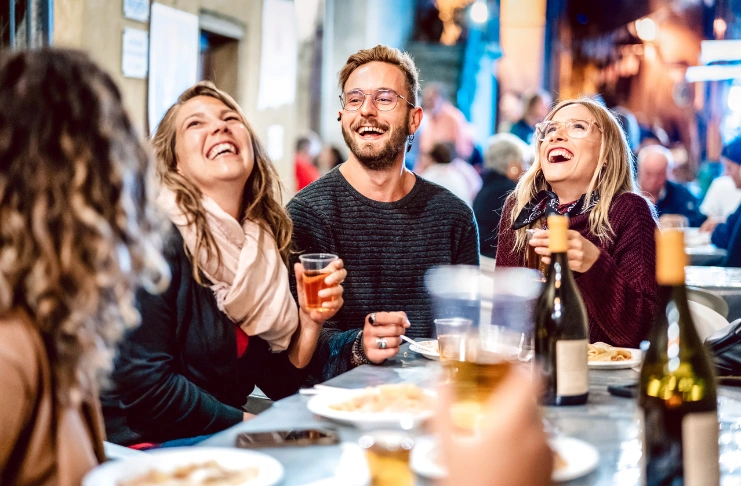
Traditional advertising doesn’t work with millennials. These consumers trust peer recommendations and authentic social media content more than polished advertisements.
Storytelling connects with millennial values. They want to know about your ingredients, cooking methods, and company values. Restaurant marketing now emphasizes transparency, authenticity, and social responsibility rather than just food quality.
Influencer partnerships work better than traditional ads. Millennials trust food bloggers, local personalities, and peer reviews. Smart restaurant owners collaborate with micro-influencers who genuinely connect with their target audience.
What Economic Challenges Do Millennials Face in Dining?
Despite loving restaurant experiences, millennials face significant financial pressures. Their disposable income remains lower compared to older generations. This creates both challenges and opportunities for restaurant businesses.
Millennials spend 38% less than Gen X on home cooking. They offset this by being strategic about restaurant spending. They’ll splurge on special occasions while choosing budget-friendly options for regular meals.
Value-driven promotions appeal to millennial spending patterns. Happy hours, loyalty programs, and social media discounts help restaurants attract these price-conscious consumers without sacrificing profit margins.
How Are Baby Boomers Different from Younger Diners?

Understanding generational differences helps restaurants serve diverse age groups effectively. Baby boomers prioritize different aspects of the dining experience than younger consumers.
Baby boomers counted calories and focused on nutritional information. Millennials care more about ingredient sourcing and ethical practices. While older generations want efficient service and familiar flavors, younger diners seek adventure and authenticity.
The contrast affects everything from portion sizes to service styles. Restaurants serving multiple age groups must balance traditional expectations with millennial demands for innovation and sustainability.
What Does This Mean for Restaurant Owners Going Forward?
The food industry continues evolving as millennial preferences become dominant market forces. Restaurant owners who adapt to these changing global trends will thrive. Those who resist change risk losing their customer base to more progressive competitors.
Successful adaptation requires understanding that millennial food habits aren’t temporary fads. These preferences represent permanent shifts in consumer behavior. From the importance of social media presence to sustainability initiatives, these trends will only strengthen over time.
Smart restaurant owners embrace these changes as opportunities. They invest in technology, revamp their marketing strategies, and redesign their operations to meet millennial expectations while maintaining profitability.
The future belongs to restaurants that can authentically connect with younger consumers while providing the truly authentic experiences they crave.
Conclusion
Millennial food habits have fundamentally changed how restaurants operate, market themselves, and serve customers.
Restaurant owners who understand millennial preferences will capture the largest spending demographic in history. Those who ignore these changing food habits risk losing relevance in an increasingly competitive market.
Frequently Asked Questions
1. What do millennials look for in restaurants?
Millennials prioritize authentic experiences, sustainable practices, and Instagram-worthy presentations. They want quality food, efficient service, and meaningful connections to their dining choices.
2. What are Gen Z restaurant habits?
Gen Z dines out frequently but focuses heavily on value and convenience. They use delivery apps more than any other generation and prefer casual, approachable restaurant concepts.
3. What generation goes out to eat the most?
Millennials currently dine out most frequently, with 53% eating at restaurants at least once weekly. They’ve made dining out a regular lifestyle choice rather than a special occasion activity.
4. Which generation eats the most fast food?
Gen Z and younger millennials consume the most fast food, driven by convenience, affordability, and their comfort with mobile ordering technology.