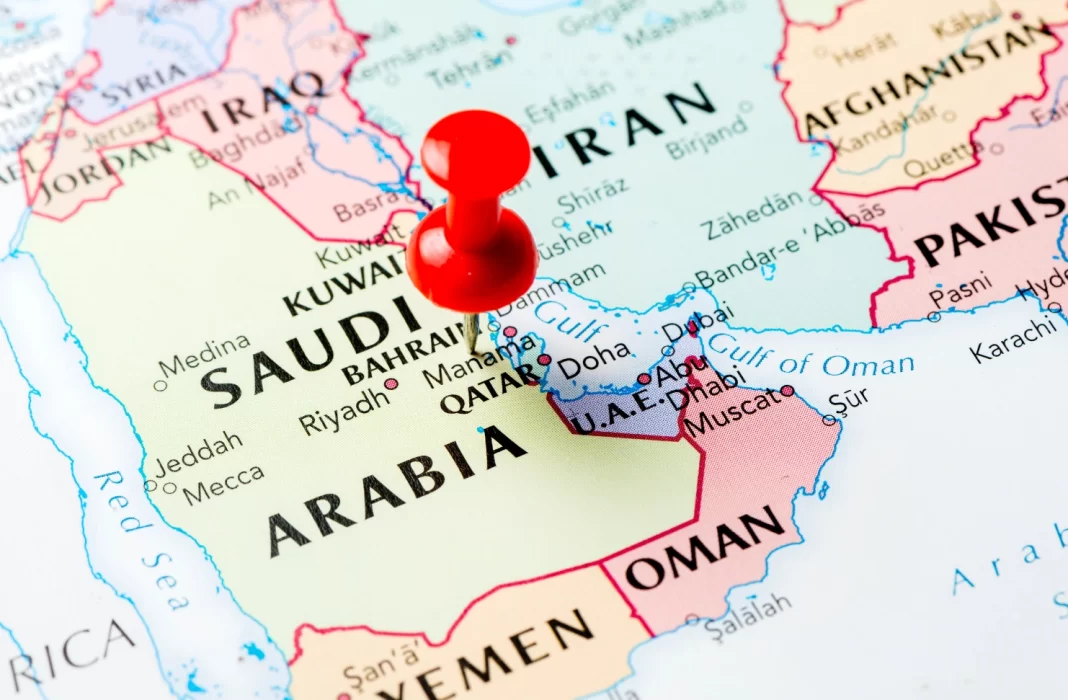

Saudi Arabia’s food industry is in a phase of unprecedented growth, positioning it as one of the most sought-after markets for restaurant entrepreneurs. The real challenge, however, lies in finding the right location.
Restaurant location selection in Saudi Arabia demands a deep understanding of cultural, regulatory, and economic dynamics that set it apart from other countries.
With Vision 2030 fueling economic diversification, the restaurant sector has become increasingly profitable. In fact, the Saudi Arabian food service market is projected to hit USD 61.77 billion by 2032, with a CAGR of 8.70% between 2023 and 2032.
Success in such a market relies heavily on strategic location choices. Foot traffic alone does not dictate performance. Entrepreneurs must weigh cultural preferences, family-centric dining habits, and strict food service regulations when selecting a site.
How Does the Saudi Restaurant Market Landscape Look Today?
The restaurant industry in Saudi Arabia encompasses a diverse range of segments, from traditional Saudi food establishments to international quick-service restaurants. Major cities like Riyadh, Jeddah, and Dammam lead market development, while smaller urban centers present emerging opportunities.
Coffee shops have gained remarkable popularity, particularly among younger demographics. These venues serve as social gathering spaces where families meet and conduct business, demonstrating the importance of understanding local social customs when selecting restaurant locations.
Shopping malls house numerous dining options, creating competitive environments that reward superior restaurant concepts. These controlled environments offer a predictable customer flow, but require careful positioning to effectively attract potential customers.
INDUSTRY INSIGHT
| Saudi Arabia’s restaurant boom in 2025 is less about expansion and more about recalibration. The Western Region, led by Makkah and Jeddah, controls 37.07% of the market, with over 30,000 outlets; however, growth in this region is slowing due to saturation. Riyadh, holding 26.7%, delivers higher revenue per outlet, pointing to stronger ROI for strategic concepts. Meanwhile, Southern and Eastern regions are recording double-digit transaction growth, making them prime ground for niche and emerging formats. |
Who Are the Key Target Demographics in Saudi Arabia?

Identifying your target audience forms the foundation of location strategy. Saudi Arabia’s population is notably young, with two-thirds of the population being under 35 years old. This demographic drives demand for contemporary dining experiences while maintaining respect for traditional values.
Local demographics vary significantly between regions. Coastal areas exhibit greater international influence, while inland cities tend to maintain stronger traditional preferences. Understanding these nuances helps restaurant owners select locations that align with their restaurant concept.
Consumer preferences increasingly favor convenience, quality, and family-friendly environments. The average Saudi family expenditure increased from SAR 509,351 million in Q4 2024 to SAR 520,284 million in Q1 2025, representing a 2.1% quarter-over-quarter rise. The graph has been pretty much consistent to date, indicating growing market potential for well-positioned establishments.
What Regulatory and Legal Requirements Affect Restaurant Locations?
The legal framework governing restaurant operations involves multiple agencies. The Saudi Food and Drug Authority oversees food safety standards, while the Ministry of Municipal and Rural Affairs manages licensing and operational permits.
Commercial registration represents the first step in establishing any restaurant in Saudi Arabia. This process requires registering your trade name and obtaining approvals from relevant authorities before beginning operations.
Local regulations encompass comprehensive requirements for kitchen equipment, fire extinguishers, emergency exits, and health and safety standards. These strict regulations ensure food safety but require careful location evaluation to ensure compliance feasibility.
What Defines a Prime Restaurant Location in Saudi Arabia?
A prime location combines high visibility, easy accessibility, and strong customer traffic patterns. The best location for restaurants typically features ample parking, clear signage opportunities, and proximity to complementary businesses.
Prime spots in business districts attract office workers and professionals during lunch hours. These locations are well-suited for quick-service restaurants and casual dining concepts that target working professionals seeking convenient meal options.
Residential areas offer various advantages, including lower rent costs and opportunities to build a loyal customer base. These locations require an understanding of neighborhood preferences and the establishment of strong community relationships for sustained success.
How Do Cultural and Religious Factors Influence Location Decisions?

Saudi Arabia’s Islamic foundation influences all aspects of restaurant operations. Prayer times affect customer flow throughout the day, requiring flexible staffing and service adjustments to accommodate religious observances.
Family dining preferences demand careful space planning and seating arrangements. Many Saudi families prefer private dining areas or family sections, which in turn influence layout requirements and overall restaurant design considerations.
During Ramadan, dining patterns shift dramatically. Restaurants experience reduced daytime activity but increased evening traffic. Locations that can adapt to these seasonal variations maintain consistent profitability throughout the year.
What Infrastructure and Accessibility Factors Matter Most?
Easy accessibility proves crucial for restaurant success in a car-dependent Saudi society. Locations must provide convenient parking, clear entry points, and safe pedestrian access for families with children.
Reliable infrastructure supports smooth operations and customer satisfaction. Areas with stable utilities, good road conditions, and established commercial activity provide better operating environments than developing districts.
Proximity to delivery routes enhances revenue potential through food delivery services. Modern customers expect multiple service options, making delivery accessibility an important location consideration.
How Should Restaurants Analyze Competition and Position Themselves?
Market research reveals competitive landscapes and identifies opportunities for new restaurant concepts. Areas with limited quality dining options may support new entrants, while saturated markets require strong differentiation strategies.
Understanding existing food establishments helps determine optimal positioning and pricing strategies. This analysis should include traditional restaurants, coffee shops, food trucks, and international chains operating in the target area.
Successful restaurants often locate near complementary businesses that attract similar customer demographics. Strategic positioning can create synergistic relationships that benefit all nearby establishments.
What Financial Factors Influence Location Investment Decisions?

Location costs significantly impact overall restaurant profitability. Prime locations command higher rents but may generate superior revenue volumes, requiring careful financial modeling to determine optimal investment levels.
Beyond rental costs, consider infrastructure requirements, renovation expenses, and compliance-related improvements. Some locations require substantial upgrades to kitchen equipment or the installation of safety systems to meet regulatory standards.
Long-term growth potential should factor into location decisions. Areas scheduled for development may offer early-entry advantages, while established districts provide immediate market access with proven customer bases.
How Do Licensing and Permit Processes Work in Saudi Arabia?
Obtaining necessary licenses requires coordination with multiple government agencies. The process begins with business registration and progresses through obtaining health permits, fire safety approvals, and operational licenses specific to the food service industry.
License application timelines vary between municipalities. Some areas offer streamlined approval processes, while others require extensive documentation and multiple inspections before granting operational permits.
Ensure compliance with all regulatory requirements, protect investments, and prevent operational disruptions. Professional guidance helps navigate complex approval processes and avoid common application errors.
What Should Foreign Investors and International Brands Consider?
Foreign companies entering Saudi Arabia can benefit from recent regulatory reforms that simplify the business establishment process. These changes have made the Kingdom more accessible to international restaurant brands seeking to expand into the Middle East.
Business visa requirements for foreign entrepreneurs have been streamlined under Vision 2030 initiatives. However, location selection must still consider local partnership opportunities and cultural adaptation requirements for sustained success.
International restaurant concepts must strike a balance between brand consistency and local market adaptation. Successful foreign investment typically involves modifying operational approaches while maintaining core brand elements that attract customers.
How Does Technology Impact Modern Restaurant Operations?

Modern restaurant operations require sophisticated management systems that handle everything from inventory tracking to customer relationship management. Location selection should consider technology infrastructure requirements and internet connectivity capabilities.
The Balady platform provides digital access to municipal services, streamlining permit applications and regulatory compliance processes. Understanding these digital tools accelerates the approval and registration of locations and businesses.
Food preparation areas require adequate space for modern kitchen equipment and food storage systems. Technology integration extends beyond customer-facing elements to include back-of-house operations that ensure food quality and operational efficiency.
How Do Quality Standards Shape Customer Experience and Location Choice?
Maintaining high food quality standards requires locations that support proper food preparation and storage. Health standards in Saudi Arabia are comprehensive, requiring restaurants to demonstrate consistent compliance through regular inspections.
Service quality directly correlates with location choice, as some areas provide better access to qualified staff and training resources. Hiring staff becomes easier in areas with established restaurant industries and available talent pools.
Excellent customer service depends partly on creating comfortable, welcoming environments that respect local customs while providing modern amenities. Location selection should consider how physical space can enhance service delivery and customer satisfaction.
What Venue and Space Planning Requirements Should Be Considered?
Venue requirements vary significantly based on restaurant concept and target market. Family restaurants require larger spaces with flexible seating arrangements, while quick-service concepts can operate effectively in smaller footprints with optimized layouts.
Kitchen space requirements depend on the complexity of the menu and the food preparation methods used. Locations must accommodate necessary equipment while maintaining efficient workflow patterns that support consistent service delivery.
Storage and delivery access affect operational efficiency and cost management. Restaurants require adequate space for inventory storage and convenient access for supplier deliveries and waste management.
How Can Location Choice Support Customer Loyalty and Community Engagement?

Establishing a strong customer base requires consistent engagement with local communities. Locations that facilitate community interaction and regular customer visits tend to develop more sustainable business models.
Understanding customer preferences enables the tailoring of service offerings and operational schedules to meet local needs. This knowledge becomes particularly valuable in residential areas where repeat customers form the foundation of business success.
A restaurant’s success often depends on building a reputation through word-of-mouth recommendations and community involvement. Strategic location selection can facilitate these relationship-building opportunities.
What Safety and Security Factors Affect Restaurant Success?
Creating a safe environment for customers and staff requires attention to location security and emergency preparedness. Areas with good lighting, security presence, and safe parking tend to attract more family customers.
Safety standards extend beyond regulatory compliance to include practical considerations like traffic patterns, pedestrian safety, and overall neighborhood security. These factors particularly influence family dining decisions and evening business.
Emergency procedures and safety protocols must align with location-specific risks and local emergency services capabilities. This planning affects both customer confidence and regulatory compliance.
How Should Restaurants Plan for Future Growth and Expansion?
Long-term growth potential should influence initial location decisions. Areas experiencing development or infrastructure improvements may offer opportunities for appreciation and expanding customer bases over time.
Market trends indicate continued growth in the Saudi restaurant sector, with particular strength in family dining and delivery services. Locations that can adapt to evolving service models position themselves for sustained success.
Expansion planning benefits from choosing initial locations that can serve as platforms for broader market entry. Understanding regional preferences and operational requirements facilitates future growth strategies.
Conclusion
Restaurant location selection in Saudi Arabia requires balancing multiple complex factors, from regulatory compliance to cultural sensitivity. Success depends on understanding the unique characteristics of this attractive market and adapting location strategies accordingly.
Frequently Asked Questions
1. How to choose a restaurant location?
Research local demographics, analyze competition, ensure regulatory compliance, and evaluate accessibility. Consider foot traffic patterns, parking availability, and proximity to complementary businesses that attract your target customers.
2. Is restaurant business profitable in Saudi Arabia?
Yes, the restaurant business is profitable in Saudi Arabia. However, success depends on selecting the proper location, understanding consumer preferences, and maintaining high service quality standards.
3. How to set up a local restaurant?
Begin with business registration and commercial licensing, obtain health permits from the relevant authorities, ensure venue requirements are met, and complete all tax obligations. Professional guidance helps navigate the approval process efficiently.
4. Why is the location of a restaurant important?
Location determines customer accessibility, influences operational costs, affects regulatory compliance complexity, and impacts long-term growth potential. The right location can significantly enhance profitability and market success.