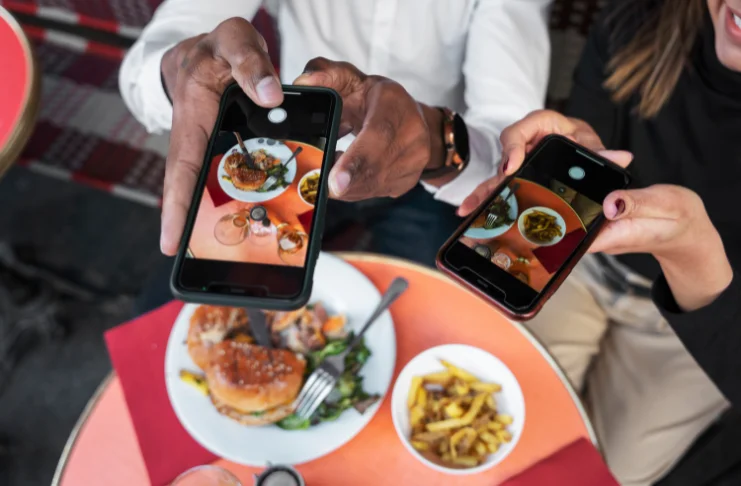

In the fiercely competitive restaurant industry, many small and emerging eateries struggle to promote themselves without draining resources. This is where low-cost restaurant marketing comes into play. With creativity, consistency, and smart use of local channels, you can attract “new customers” and strengthen loyalty among existing ones, without breaking the bank.
This post covers a full restaurant marketing plan centered on budget-friendly tactics. We explore marketing channels, marketing strategies, and how to integrate them into a cohesive marketing mix. You’ll find practical pointers on social media marketing, local SEO, direct mail, word of mouth marketing, partnerships with local businesses, and more.
Why Low-Cost Marketing Matters for Restaurants

Running a restaurant involves a constant balancing of expenses, including ingredients, staff wages, utilities, rent, and maintenance, which often consume the bulk of revenue. In such a tight environment, marketing sometimes becomes an afterthought. Yet, smart marketing is essential for survival and growth. When done strategically, low-cost restaurant marketing ensures visibility, customer engagement, and profitability without straining your finances.
Several key insights highlight why focusing on budget-friendly marketing is critical:
- Acquiring a new customer costs significantly more than retaining one.
INDUSTRY INSIGHT
| Research indicates that it can be 5 to 25 times more expensive to attract a new guest compared to keeping an existing diner engaged. This means every repeat visit you earn through loyalty programs, referral incentives, or community engagement directly strengthens profit margins. |
- Repeat business is the backbone of restaurant revenue. Roughly 65% of sales come from returning customers, underscoring the importance of nurturing relationships with your existing customer base. The stronger the bond you build with local diners, the more consistent and predictable your revenue stream becomes.
- Retention drives exponential growth. Even a 5% increase in customer retention has been linked to profit boosts of up to 95%, thanks to higher visit frequencies, increased average ticket sizes, and stronger word-of-mouth referrals.
- Healthy repeat-customer rates are measurable. In restaurants, achieving a 30%–40% repeat-customer rate is considered a good benchmark. If you fall below this, you may be relying too heavily on new customer acquisition, an expensive path in the long run.
- Marketing budgets are lean across the industry. On average, restaurants allocate only 3%–6% of total revenue to marketing. This limited budget underscores the need for strategies that maximize return on investment, particularly for independent or small restaurants that lack the extensive advertising resources of chain brands.
What this means for restaurant owners: Instead of trying to outspend competitors, success lies in out-thinking them. By making marketing dollars work harder through tactics such as word-of-mouth marketing, social media engagement, community events, and local SEO, restaurants can achieve stronger visibility and deeper customer loyalty at a fraction of the cost.
Basic Principles for a Low-Cost Restaurant Marketing Strategy

A budget-friendly marketing approach does not mean a lack of planning. In fact, when financial resources are limited, your marketing strategy must be even more structured and intentional. A well-designed restaurant marketing plan ensures that every campaign, promotion, and outreach effort supports your long-term objectives. Here are the foundational principles to guide you:
1. Define Your Target Audience
Knowing exactly who you are trying to attract allows you to avoid wasted spend. For example, a small café near a university should prioritize students and young professionals, while a family-friendly restaurant in a residential neighborhood should target parents with children. Defining your target customers helps you design offers, communication, and even menu items that resonate with them.
2. Set Clear, Measurable Goals
Without goals, it is impossible to evaluate whether your marketing efforts are working. Instead of vague ambitions like “increase sales,” aim for specific, time-bound objectives:
- Boost weekday lunch traffic by 20% within three months
- Acquire 50 new customers each month through referral programs
- Increase online ordering revenue by 15% over the next quarter
These goals guide daily activities and provide benchmarks for success.
3. Choose Your Channels Wisely
Restaurants often feel pressure to be present on every marketing channel, from social media platforms like Facebook and Instagram to print ads and influencer collaborations. A smarter approach is to focus on the platforms where your local customers actually spend time. For some, social media platforms like Instagram may be effective, while for others, a combination of local advertising, community events, and search engines may work better.
4. Track Results and Adjust Regularly
Marketing is not a one-time effort but a continuous process. Track key metrics, including coupon redemptions, customer acquisition rate, loyalty sign-ups, and website traffic. Simple spreadsheets or free analytics tools can provide clear insights. If a direct mail campaign underperforms but a social media giveaway brings measurable traction, shift more resources toward the latter.
5. Reinvest Returns into Effective Tactics
Once a channel demonstrates strong ROI, double down. For example, if social media posts consistently drive engagement and generate new reservations, consider investing modestly in boosted ads or hiring a photographer to create better content. This cycle of reinvestment ensures that your marketing budget grows in tandem with your success.
In summary, a low-cost strategy is not about cutting corners, but about working with precision. By aligning your marketing plan with clear goals, the right target audience, and cost-effective channels, you create a scalable approach that builds visibility and loyalty without overspending.
Marketing Channels You Can Use (on a Budget)

Here’s a breakdown of tried-and-tested marketing channels that work for restaurants, especially when funds are limited. The idea is to combine them to cover multiple touchpoints for your potential customers.
Social Media Marketing & User-Generated Content
Social media offers widespread reach at a low cost if used strategically. Combine social media platforms, social media posts, and user-generated content (UGC) to amplify reach. Tactics:
- Regular posts: Share attractive food photos, behind-the-scenes, staff stories, customer shoutouts.
- UGC campaigns: Invite diners to post their photos using a hashtag. Repost the best ones.
- Social media giveaways: E.g., “Tag a friend and win a free appetizer” to increase visibility in local circles.
- Stories/reels / short videos: Instagram Reels or TikTok-style videos of food prep or plating can go viral organically.
- Engagement: Prompt comments (“Which dish should we bring back?”), polls, Q&A.
- Collaboration: Partner with a local micro-influencer (e.g., food bloggers) for a complimentary meal in exchange for a social media post.
Why it works:
- Approximately 80% of customers expect restaurants to have a social media presence.
- 88% of consumers said that they trusted recommendations from people they know, above all other forms of marketing messaging.
- 92% of consumers trust recommendations from friends/family more than ads.
If your posts resonate with local customers and encourage sharing, the viral lift can be significant.
Local SEO & Search Engines
Even if you don’t pay for Google Ads, optimizing for local SEO ensures your restaurant appears when people search nearby. Use search engines like Google to your advantage. Actions you can take:
- Claim and optimize your Google Business Profile (name, address, hours, photos, menu).
- Encourage customers to leave reviews online.
- Use relevant keywords on your website, like “best pizza in [neighborhood]” or “restaurant near me.”
- Add location pages if you have multiple branches.
- Use schema markup for menus and reviews.
- Maintain a blog or announcements section to keep fresh content (which search engines like).
- List yourself in local directories (Yelp, Zomato, TripAdvisor, local food blogs).
- Ensure mobile friendliness and page load speed (important ranking signals).
When locals search terms like “restaurant near me” or “Indian food in [area],” you want to be visible.
Restaurant Website & Online Ordering
Your restaurant website is your digital storefront. Even a simple, clean site with essential information can help your marketing efforts.
Features to include:
- Menu with current prices and images
- Contact details, map, hours
- Online ordering or reservation integration (if feasible)
- Link from social media and directory listings
- Testimonials or customer reviews
- Option to collect email addresses (newsletter signups)
Ensure the site is SEO-optimized (with load speed, responsiveness, and relevant keywords). You can also promote special deals or seasonal menus via the website.
Direct Mail & Local Print
Though more “traditional,” direct mail can still yield returns, especially when hyper-targeted. Ideas:
- Send postcards or flyers to homes and apartments within a radius (e.g., 2-3 km).
- Include a coupon for a free appetizer or a discount for first-time customers.
- Co-op mailers: Partner with a local business (e.g., gym, bookstore) to include a joint flyer.
- Use “refer a neighbor” incentives (e.g, bring this flyer, get a discount).
- Use small inserts in local community newsletters or school circulars.
Because coupon redemption drops sharply as distance increases, aim your mail to addresses closest to your restaurant.
Word of Mouth Marketing & Referral Incentives
Word of mouth marketing is perhaps the most powerful, and it costs virtually nothing. The idea is to turn each happy customer into a walking advertisement.
Tactics:
- Ask satisfied customers to leave reviews or recommend you to their friends.
- Incentivize referrals: e.g., “Bring a friend and both get 10 % off.”
- Encourage social media shares: “Share your food photo and tag us to get a free dessert next visit.”
- Provide “shareable” experiences: memorable service, friendly staff, and Instagrammable presentation.
- Feature customer testimonials on your website or in printed materials.
According to the Nielsen report, “recommendations from people I know” scored highest (92%) in consumer trust compared to paid advertising.
Partnerships with Local Businesses & Community Events
Your restaurant is an integral part of the local community. Forge relationships with other local businesses and community events to expand visibility.
Partnership ideas:
- Cross-promotions: partner with a local bookstore, gym, or boutique to offer joint promotions or shared coupons.
- Office outreach: supply lunch specials to nearby offices or coworking spaces.
- Special events include hosting tasting nights, live music, trivia nights, and cooking workshops.
- Pop-ups or food stalls at local fairs or farmers’ markets.
- Sponsor local sports teams, school events, or charity fundraisers; have your brand present.
- Gift cards: make your gift card available at partner shops.
These partnerships help you reach new segments of your local customers without huge ad spend.
Loyalty Programs & Customer Retention
No set of marketing strategies is complete without focusing on retention. A well-designed loyalty program ensures repeat business.
Ideas:
- Simple punch cards (“Buy 9 meals, get the 10th free”).
- Point-based system via a mobile app or in-house software.
- Tiered rewards (Silver, Gold) with escalating perks.
- Birthday rewards or anniversary offers.
- Exclusive member events or priority bookings.
- Personalized offers based on purchase history.
Why loyalty matters:
- Loyalty members often visit 20% more frequently and spend 20% more than non-members.
- Members generate 12–18% more annual revenue than non-members.
- 78 % of customers are more likely to visit a restaurant where they can earn points.
- Many diners (47%) use loyalty programs several times a month.
When retention and new customer acquisition work together, your total revenue increases faster than it would from acquisition alone.
Creating a Cohesive Marketing Plan (Pointers + Steps)

Individual marketing ideas—whether social media giveaways, direct mail, or community events—are powerful on their own, but they become far more effective when tied together into a structured framework. A restaurant marketing plan is what connects these individual activities into a clear roadmap, ensuring that efforts are consistent, measurable, and scalable.
Below is a step-by-step approach to developing a cohesive strategy that optimizes your marketing budget and enables you to effectively reach both new and loyal customers.
1. Set Priorities and Allocate Budget
The first step is deciding how much you are willing to spend and where it should go. On average, most restaurants allocate between 3% and 6% of revenue to marketing. For smaller or newer restaurants, starting at the lower end of this range is practical, with room to expand as campaigns prove their worth.
- Budget Allocation: Begin by allocating approximately 3% of the monthly revenue for marketing.
- Identify Key Channels: Focus on areas with the highest impact—such as social media marketing and local SEO —rather than spreading resources across expensive, less-targeted advertising.
- Reserve for Testing: Set aside a small portion (10%–15% of the marketing spend) for experimental activities, such as a direct mail campaign or a paid social boost.
By prioritizing channels strategically, you make sure your limited funds create the most visibility among your local customers.
2. Plan Content and Creative
A strong plan requires consistent messaging and visuals that reflect your restaurant’s brand. This step sets the foundation for professional and recognizable marketing.
- Content Calendar: Map out a month’s worth of social media posts, seasonal specials, holiday campaigns, and community tie-ins.
- Templates & Design Assets: Prepare reusable templates for flyers, postcards, and digital ads to save both time and money.
- Brand Guidelines: Establish rules for tone, imagery, and style to ensure every message feels cohesive, whether it appears on your restaurant’s website, social media, or a printed flyer.
Planning content upfront reduces last-minute scrambling and ensures that every marketing effort looks polished and consistent.
3. Launch Pilot Campaigns
Before committing significant resources, test small-scale campaigns to see what resonates with your audience. Pilots reveal which marketing channels connect best with your target market.
- Run a social media giveaway for a week, offering a free appetizer to one winner who tags your restaurant.
- Deliver direct mail postcards to a small neighborhood radius with a limited-time discount.
- Launch a referral incentive program, rewarding current customers for referring a friend.
- Partner with a local business, such as a fitness studio or bookstore, for a joint promotional event.
These trials allow you to measure actual customer response without overcommitting your marketing dollars.
4. Measure and Analyze
Without measurement, you cannot know whether your campaigns are effective. Tracking ensures your budget is not wasted on low-performing tactics.
- Metrics to Watch: Count new customer acquisitions, coupon redemptions, loyalty program sign-ups, website traffic, and social media engagement.
- Tools: Simple spreadsheets are sufficient for small restaurants; however, affordable software options are available for those who want automation.
- Compare Costs vs Returns: Analyze how much each campaign cost versus the revenue it generated.
Consistent evaluation helps you understand which efforts deliver tangible results and which need refining or discontinuing.
5. Double Down on What Works
Once you know what delivers value, it’s time to increase your investment.
- Scale Effective Channels: Allocate a bigger budget to tactics with proven ROI, such as targeted Facebook ads, loyalty rewards, or local SEO enhancements.
- Phase Out Weak Channels: Stop or reduce efforts that show little or no measurable impact.
- Expand Reach: Gradually widen the scope—such as extending direct mail campaigns to more neighborhoods or increasing spend on successful social ads.
This ensures your marketing mix is constantly optimized for efficiency and results.
6. Iterate and Evolve
Marketing is never static. Restaurants must adapt to shifting customer behavior, seasonal changes, and competitive dynamics.
- Experiment Regularly: Introduce fresh content formats, promote new seasonal menu items, or run themed events.
- Adapt to Trends: If you notice a rise in video engagement on Instagram, shift your efforts toward Reels or Stories.
- Listen to Feedback: Use customer data and reviews to shape future promotions.
- Refine the Mix: Keep balancing digital strategies, community partnerships, and loyalty efforts to maintain relevance.
By iterating regularly, you ensure that your marketing remains aligned with your target customers and continues to drive both new business and retention.
By following these six steps—budgeting, planning, testing, measuring, scaling, and evolving—you turn scattered ideas into a clear, results-driven restaurant marketing plan. Each marketing dollar works harder, and instead of chasing every trend, you build momentum in the areas that truly connect with your community and sustain your restaurant’s success.
Examples of Low-Cost Restaurant Marketing in Action

It’s often easier to grasp the power of low-cost marketing by looking at practical, real-world examples. Below are scenarios that many small and mid-sized restaurants have successfully implemented. The key takeaway is that creativity, community connection, and consistency often matter more than a big budget.
- Instagram Contest for Engagement: A small café launches a simple campaign: “Post your coffee moment, tag us, and win a free cake.” With minimal investment, they achieve 200 new user-generated posts and 50 fresh followers in just one week. Not only do they expand their visibility, but they also build a gallery of authentic, customer-created content to reuse in future marketing efforts.
- Hyperlocal Direct Mail with a Twist: A fast-casual restaurant prints 500 postcards and delivers them within a 2-km radius, offering 10% off the first meal. The redemption rate of 5% translates to 25 new customers, many of whom bring family or friends along. This approach demonstrates how traditional marketing, when hyper-targeted, can still yield strong results without incurring significant expenses.
- Community Partnerships That Cross-Promote: A neighborhood pizza shop partners with a local fitness studio. The deal is simple: anyone presenting a monthly class pass receives 15% off pizza orders, while the studio promotes the restaurant in its newsletter. This mutually beneficial partnership enables both businesses to reach overlapping yet complementary audiences at virtually no cost.
- Loyalty Punch Cards That Drive Repeat Visits: Sometimes, old-school methods still work. A simple punch card program motivates customers to visit more often, on average, two extra times per month. For the restaurant, this not only boosts repeat revenue but also nurtures a sense of belonging and customer appreciation.
- School Fair Sampling for Local Awareness: At a neighborhood school fair, a restaurant sets up a booth offering small samples and collects email addresses in return. Parents discover the restaurant firsthand, and the email list becomes a long-term asset for sending targeted offers and event invites. The goodwill built at a community event often pays dividends in brand reputation.
These examples prove that low-cost restaurant marketing doesn’t mean low impact. When executed thoughtfully, even small actions—whether on social media, in partnership with local businesses, or through community events—can deliver significant results. The secret is not to spread yourself too thin but to focus on activities that connect authentically with your local audience.
Tips & Best Practices for Successful Low-Cost Restaurant Marketing

Executing low-cost marketing is not just about saving money; it’s about making smart decisions that maximize return and build strong community relationships. Below are best practices to keep your efforts consistent, effective, and scalable.
- Use High-Quality Food Photography: Great visuals sell food. You don’t need an expensive DSLR; your smartphone, natural light, and simple styling can go a long way. Investing time in photography ensures that every post, flyer, or menu instantly grabs attention.
- Keep Branding Consistent Across All Touchpoints: Colors, fonts, logo usage, and even your restaurant’s tone of voice should be uniform across platforms. This consistency makes your brand more memorable and builds trust with customers who recognize your style instantly.
- Be Responsive to Customers Online: Replying to reviews and comments on social media shows attentiveness and care. Even a quick “thank you” or a thoughtful response to criticism builds goodwill and positions you as a customer-first business.
- Encourage and Reward Online Reviews: Loyal customers often just need a polite nudge. Encourage them to leave positive reviews on Google or Yelp, as these reviews directly influence local search rankings and new customer decisions.
- Leverage Email Marketing to Stay Connected: A simple monthly newsletter with specials, events, or seasonal menu updates can keep your restaurant top of mind for past visitors. Email lists are assets you fully own—unlike social platforms where algorithms control visibility.
- Tailor Offers to Slow Periods: Instead of blanket discounts, create time-sensitive offers that drive traffic during off-peak hours. For example, “2-for-1 on Tuesday evenings” boosts business when seats would otherwise stay empty.
- Promote High-Margin Menu Items Strategically: Utilize your marketing channels to spotlight dishes that yield the highest margins. This increases profitability without needing to raise prices across the board.
- Avoid Blanket Discounts—Reward Loyalty Instead: Over-discounting can cheapen your brand. Instead, focus on loyal customers who are more likely to return and spread positive word of mouth.
- Engage With the Local Community Actively: Participating in local events, supporting causes, or partnering with neighborhood organizations fosters a strong “support local” narrative that customers value deeply.
- Always Test Small Before Scaling Big: Before investing heavily in any tactic, trial it on a small scale. Whether it’s a limited social ad boost or a short-run flyer drop, testing minimizes risk and provides real-world performance data to guide expansion.
Low-cost marketing for restaurants thrives on authenticity, creativity, and consistency. By focusing on strong branding, customer relationships, and strategic testing, restaurants can achieve sustainable growth without incurring significant expenses. Remember, marketing is less about the size of your budget and more about how effectively you use it.
Integrating All Sections into a Unified Strategy

When your strategy brings together social media marketing, local SEO, direct mail, word of mouth, partnerships, and loyalty, the effects are reinforced. For example:
- A local event you host gets photographed and posted on social media (User-Generated Content, or UGC).
- That social content drives traffic to your restaurant website or bookings.
- Guests mention your restaurant to neighbors (word of mouth).
- Those new customers become loyalty members.
- You mail direct offers to your loyalty base or local zone.
- Local business partners cross-promote.
Over time, your marketing mix builds brand awareness, community presence, and repeat engagement at a significantly lower cost than mass media advertising.
Conclusion
Low-cost restaurant marketing is not about cutting corners; it’s about being smart and resourceful. With a well-structured restaurant marketing plan that leverages local businesses, community events, social media, local SEO, direct mail, and word-of-mouth marketing, you can attract new customers, convert them into loyal customers, and sustainably boost sales.
Start small. Test, measure, double down. As your restaurant marketing budget grows, you’ll know exactly where to invest. The key is consistency, alignment with your community, and always centering your efforts on delivering value to your diners.