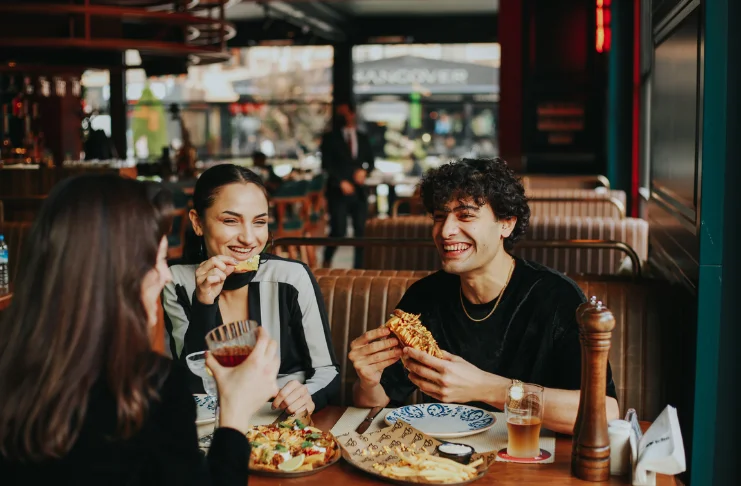

The aroma of truffle oil and caramelized onions wafted through the abandoned warehouse as guests lined up around the block, clutching their phones like golden tickets. What started as a wild idea scribbled on a napkin three months earlier had transformed into the most coveted dining reservation in the city. The chef watched through the kitchen window as influencers, food critics, and curious locals mingled in the candlelit space that would disappear forever in just two weeks.
This wasn’t luck; it was the power of strategic pop-up restaurant marketing at its finest.
This guide dives deep into the most effective, creative, and profitable temporary restaurant marketing strategies to get your pop-up noticed and booked.
Why Pop-Up Restaurants Are All the Rage?
In a post-pandemic world, flexibility is power. Pop-up eateries offer the perfect blend of mobility, creativity, and cost-efficiency. These temporary restaurants give chefs the freedom to innovate and allow business owners to build hype before committing to a permanent location.
The numbers tell a compelling story.
INDUSTRY INSIGHTS
| 75% of people believe unique dining experiences are worth paying more for. In this context, pop-ups aren’t just fleeting trends; they’re profitable, buzz-worthy business models that tap into our collective hunger for the extraordinary. |
These temporary dining experiences serve as incubators for culinary innovation, testing grounds for new concepts, and bridges between established restaurants and unexplored markets.
How to Build a Buzz-Worthy Concept First?
Before you jump into promotions, make sure your pop-up restaurant concept is solid and compelling.
Ask yourself the hard questions:
- What makes your pop-up different from a traditional restaurant?
- Is your pop-up menu curated to surprise and delight?
- Are you offering something hyper-local, seasonal, or immersive?
- Does your concept have a story that people want to be part of?
Remember, a good concept sells itself. A great one sells out before you even announce the location.
Why Identifying Your Target Market is Crucial?
Is your pop-up restaurant geared toward young professionals, families, or foodies chasing the next trend? Defining your target audience helps in tailoring your marketing efforts for better reach and engagement.
The key is to go beyond basic demographics and dig into psychographics. What drives your ideal customer? Are they motivated by Instagram-worthy moments, culinary education, social connection, or the thrill of discovery? Understanding these deeper motivations allows you to craft messaging that resonates on an emotional level.
Use tools like Google Trends, Instagram Insights, and local F&B communities to understand preferences and trends. Pay attention to what’s trending in your city’s food scene, but don’t just follow and find the gaps.
How to Choose the Right Pop-Up Restaurant Location?

Your location sets the tone for your pop-up.
The location should complement your concept and enhance the overall experience. A rustic farm-to-table concept might thrive in a converted barn or urban garden, while a sleek modernist menu could shine in a minimalist gallery space or industrial loft.
Consider the journey your guests will take to reach you. Is the location easily accessible by public transport? Is there adequate parking? Does the neighborhood itself contribute to the story you’re telling? Sometimes the most unexpected locations become part of the magic, a hidden speakeasy in a basement, a rooftop garden in the middle of the financial district, or a pop-up in a vintage bookstore after closing hours.
Think about partnerships, too. Collaborating with established venues like breweries, art galleries, or even retail stores can provide built-in audiences and shared marketing opportunities.
How to Create a Unique Pop-Up Restaurant Menu?
Your menu is your manifesto; it should communicate your culinary point of view clearly and confidently. Unlike traditional restaurants where variety is often expected, pop-ups thrive on curation. Every dish should have a purpose, and every ingredient should contribute to the narrative you’re crafting.
- Offer limited dishes with bold flavors that create talking points
- Rotate specials during the pop-up run to encourage repeat visits
- Include one viral-worthy dish for online traction, something visually striking or unexpectedly delicious
- Consider dietary restrictions without compromising your vision
- Price strategically to reflect the exclusive nature of the experience
Think about the flow of the meal and how each dish connects to the next.
How to Build Your Brand from the Ground Up?
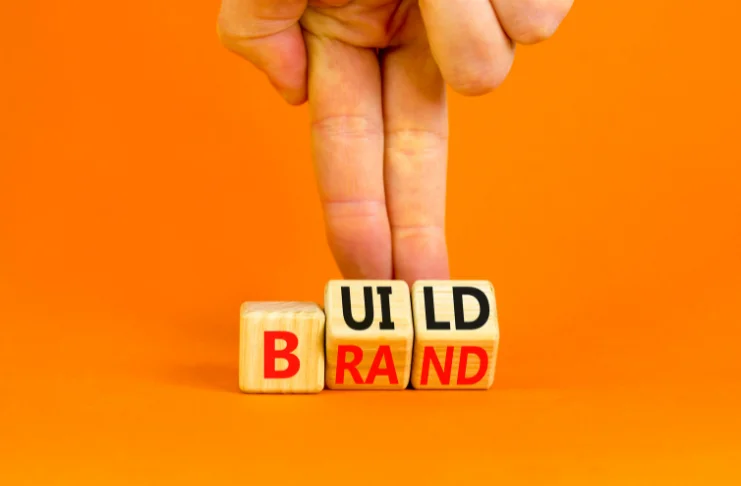
Your pop-up restaurant business needs a strong identity.
- A catchy name that’s memorable and searchable
- A simple, clean logo that works across all platforms
- Consistent visual branding across digital and offline platforms
- A distinct voice and personality that shows up in all communications
- A clear brand story that explains why you exist and what you stand for
Consistency builds familiarity, and familiarity builds trust. This consistency extends to everything from the fonts you use to the music you play, from the style of your social media captions to the way you present dishes.
How to Build a Restaurant Website or Landing Page?
A digital home is crucial. In the age of short attention spans, clarity trumps creativity.
Your website should include:
- Dates and location (prominently displayed)
- Full food menu with descriptions that make mouths water
- Reservation or ticketing links that actually work
- Your story and team intro that connects emotionally with visitors
- Social media links and contact information
- High-quality photos that capture the essence of your concept
Make sure your website is mobile-optimized since most people will likely discover and book your pop-up through their phones. Nothing kills momentum like a broken reservation system or a confusing checkout process.
How to Use Social Media to Create Excitement?
Want to create buzz? Go where your audience lives: Instagram, TikTok, and Facebook.
- Post behind-the-scenes videos and chef introductions that humanize your brand
- Tease your menu ideas and highlight ingredients with mouth-watering visuals
- Use countdowns, polls, and event reminders to build urgency
- Share the story behind your concept and what makes it special
- Partner with micro-influencers in your city who align with your brand values
Plan your content calendar around key milestones: announcement, menu reveals, behind-the-scenes prep, opening night, and follow-up content.
Don’t forget about user-generated content opportunities. Create hashtags that guests will want to use, and consider offering small incentives for people who share their experiences. The goal is to turn every guest into a potential brand ambassador.
What are Some Pop-Up Restaurant Advertising Ideas That Work?
Traditional advertising might feel too corporate for a pop-up, but creative promotional strategies can generate significant buzz without breaking the bank.
Local Collaborations: Partner with local breweries, artists, or musicians to create cross-promotional opportunities. A craft beer dinner with a local brewery, for example, combines two audiences and splits marketing costs.
Guerrilla Marketing: Chalk art, pop-up signs, or flash tastings can create curiosity and word-of-mouth marketing. These tactics work especially well in areas with high foot traffic.
Event Platforms: List your restaurant pop-up on sites like Eventbrite, Meetup, and Resy to reach people actively looking for dining experiences.
Foodie Communities: Post in Reddit threads, Discord groups, and local Facebook groups where food enthusiasts gather. Be authentic and focus on starting conversations rather than just promoting.
Email Newsletters: Build an email list and share sneak peeks, menu drops, and RSVP links. Email marketing often has higher conversion rates than social media alone.
Consider partnerships with local media outlets, food bloggers, and industry publications. A well-placed feature article or review can drive significant traffic and lend credibility to your concept.
How Does Offering Online Ordering or Pre-Booking Help Boost Business?
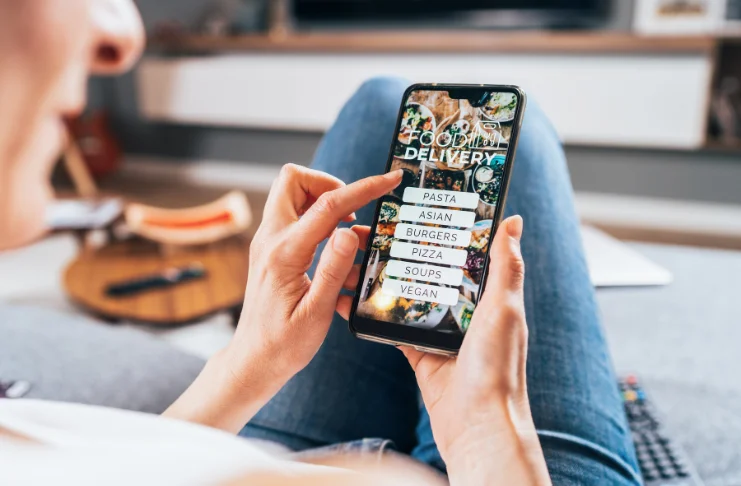
Boost sales by allowing guests to pre-order or reserve spots via an online platform. This builds urgency and reduces no-shows while providing valuable data about customer preferences.
Consider different booking models depending on your concept; some pop-ups work better with timed reservations, others with ticket sales, and some with walk-in service only.
Pre-booking also allows you to better manage inventory and staffing. When you know exactly how many guests to expect, you can prepare more efficiently and reduce waste. This is especially important for pop-ups where profit margins are often tight.
What are Loyalty and Referral Programs?
Even in temporary locations, you can build a loyal customer base that follows you from pop-up to pop-up or eventually to a permanent location.
- Offer discounts for repeat visits during the pop-up run
- Create referral incentives like free dessert or early access to your next pop-up model
- Encourage user-generated content and tag-for-discount strategies
- Build an email list of past guests who want to be notified about future pop-ups
These loyal customers become your best marketing asset, spreading word-of-mouth recommendations and providing social proof for new guests.
How to Create Collaborative Pop-Ups?

Team up with other chefs, food trucks, or vendors to bring in more customers and offer variety. Collaborative pop-ups attract wider audiences and split marketing duties while creating unique experiences that neither party could achieve alone.
Think coffee roasters + brunch chef. Or taco night + craft beer bar. Look for partners who share your values and aesthetic but offer something different from what you bring to the table.
Collaborative pop-ups also provide learning opportunities. Working with other culinary professionals can expose you to new techniques, ingredients, and business practices that benefit your own development.
How to Tell a Story with Your Pop-Up Restaurant Team?
Let your team shine. People love knowing the faces behind the food. Showcase your pop-up restaurant team on social media, blogs, or printed materials.
Personality drives connection, and connection drives loyalty. Share the stories that led your team to this moment, the sous chef who trained in Thailand, the bartender who creates cocktails inspired by her grandmother’s garden, or the server who’s also a local artist. These human elements make your pop-up more memorable and relatable.
Consider creating team spotlights or behind-the-scenes content that shows the passion and skill that goes into every dish.
How Does Leveraging User-Generated Content Help?
Encourage your guests to tag your pop-up restaurant in their posts. Create a custom hashtag and repost stories, photos, and videos that showcase the experience from the guest’s perspective.
79% of people say UGC highly impacts their purchasing decisions. When potential guests see real people enjoying your food and sharing authentic experiences, it carries more weight than any professional marketing campaign.
Make it easy for guests to share by creating Instagram-worthy moments throughout the experience.
Why Should You Run Limited-Time Campaigns?
Scarcity sells, and pop-ups are naturally built around this principle. Leverage this by creating additional layers of urgency and exclusivity.
Promote phrases like:
- “One weekend only!”
- “Only 100 seats per night”
- “Pre-book to avoid missing out”
- “Final weekend—don’t miss your chance”
Create time-sensitive urgency around every element of your pop-up, from initial announcements to final service.
Why is Focusing on Exceptional Customer Experience Crucial?
Just because it’s temporary doesn’t mean it should feel rushed. Essential elements of exceptional pop-up service include:
- Train your staff on warm hospitality that matches your brand personality
- Keep wait times short and communicate clearly if delays occur
- Surprise with freebies like amuse-bouche or thank-you cards
- Pay attention to details like music volume, lighting, and table settings
- Have a plan for handling problems gracefully and memorably
Remember that guests are often paying premium prices for pop-up experiences. They expect not just great food, but great service and atmosphere to match.
How Does Monitoring Reviews and Collecting Feedback Help?
What do most successful pop-ups have in common? They listen to their guests and continuously improve based on feedback.
- Collect feedback cards at the event
- Send follow-up emails or texts asking for reviews
- Analyze common themes and use insights for your next pop-up concept
- Respond to online reviews promptly and professionally
94% of diners check reviews before deciding where to eat. This makes reputation management crucial for pop-ups, especially since you’re building trust quickly with new audiences.
How to Stay Compliant with Local Laws?

Every temporary dining establishment must meet health and safety regulations. Check requirements for:
- Local food licenses and permits
- Event permits and insurance
- Fire and occupancy codes
- Alcohol service licenses, if applicable
- Noise ordinances and neighborhood restrictions
You can find city-specific info via your local health department website. When in doubt, consult with local authorities or hire a consultant who specializes in food service regulations. The upfront cost of compliance is always less than the potential cost of violations or accidents.
Conclusion
Your pop-up restaurant isn’t just about food; it’s an experience, a movement, and a brand-building opportunity wrapped in the intoxicating appeal of the temporary. It’s your chance to prove that great ideas don’t need perfect conditions to flourish, that passion can overcome limited resources, and that sometimes the best way to build something permanent is to start with something that’s designed to disappear.
So go ahead, launch that bold idea, spark curiosity, and attract customers who can’t wait to taste what you’re cooking next. The food world is hungry for fresh concepts and authentic experiences. Your pop-up could be exactly what they’ve been waiting for, even if they don’t know it yet.
Frequently Asked Questions
1. Are pop-up restaurants profitable?
Yes, pop-up restaurants can be highly profitable due to lower overheads, limited staff, and the ability to charge premium prices for exclusive, time-limited experiences.
2. How do pop-up restaurants attract customers?
They attract customers through unique concepts, social media buzz, influencer collaborations, limited-time menus, and by offering exclusive or immersive dining experiences.
3. How to do a pop-up restaurant?
Choose a compelling concept, secure a temporary location, design a focused menu, get permits, market through digital channels, and manage logistics like staffing and pre-bookings.
4. How do you market a pop-up shop?
Use social media teasers, collaborate with local influencers, create an event page, send email invites, use countdowns, and offer limited-time deals to build urgency.
5. What is the best way to advertise my restaurant?
Combine local SEO, Google My Business, Instagram, and TikTok content, influencer partnerships, loyalty programs, and targeted online ads for maximum reach.
6. How do I attract customers to my restaurant?
Offer great food and service, run promotions, host events, use social proof (reviews/UGC), optimize online presence, and engage with your community both online and offline.
7. What are the 4 P’s of local restaurant marketing?
Product (menu and experience), Price (value and positioning), Place (location and ambiance), Promotion (advertising, events, and community outreach).
8. What is the best marketing strategy for restaurants?
A mix of digital marketing (SEO, social media, email), in-house promotions (events, loyalty programs), influencer partnerships, and a strong brand presence.
9. What are the 4 P’s of marketing for restaurants?
Product, Price, Place, and Promotion — tailored to food offerings, pricing strategy, location visibility, and marketing efforts.
10. What are the 7 Ps of service marketing in restaurants?
Product, Price, Place, Promotion, People (staff/customer interaction), Process (service delivery), and Physical Evidence (ambience, branding, décor).