
Pune has evolved into one of India’s most dynamic culinary destinations. With its blend of cosmopolitan residents, a thriving student population, IT professionals, and long-standing Maharashtrian traditions, the city presents restaurants with both opportunity and competition. Diners in Pune are discerning: they want delicious food, seamless service, and an experience that reflects both global trends and local culture.
For restaurant owners and professionals in the food and beverage industry, the challenge lies not just in offering a strong menu but in ensuring that the restaurant is seen, remembered, and chosen repeatedly. This is where effective restaurant marketing strategies in Pune become essential. From digital presence to community engagement, the right marketing moves can help restaurants attract new customers, retain loyal ones, and ensure consistent growth.
The modern restaurant landscape in Pune has undergone a dramatic transformation over the past decade. Traditional word-of-mouth marketing, while still valuable, is no longer sufficient to sustain growth in an increasingly competitive environment. Today’s restaurant owners must navigate complex digital ecosystems, understand evolving customer expectations, and adapt to rapidly changing market dynamics.
The city’s demographic diversity creates unique opportunities for restaurants willing to invest in comprehensive marketing approaches. College students seeking affordable yet Instagram-worthy meals, working professionals looking for convenient lunch options, families celebrating special occasions, and food enthusiasts exploring culinary experiences all represent distinct market segments with specific needs and preferences.
Successful restaurants in Pune recognize that marketing extends far beyond traditional advertising. It encompasses every touchpoint of the customer journey, from initial discovery through social media to post-dining follow-up communications. The most successful establishments create integrated marketing ecosystems that reinforce their brand message across multiple channels while maintaining authentic connections with their target audiences.
This blog explores comprehensive strategies tailored for Pune’s restaurant industry. You’ll discover how digital marketing, customer loyalty programs, local partnerships, event hosting, and cultural integration can create a loyal customer base while boosting operational efficiency and profitability. Each strategy presented here has been developed with Pune’s unique market characteristics in mind, ensuring practical applicability and measurable results.
Pune Restaurant Marketing Strategies
Every successful restaurant in Pune thrives on three pillars: visibility, consistency, and connection. Visibility ensures customers know your restaurant exists. Consistency guarantees that each experience matches or exceeds expectations. Connection builds loyalty and emotional attachment, encouraging repeat visits.
To achieve these pillars, restaurants must take a structured approach to marketing. This involves investing in digital presence, embracing delivery services, fostering customer loyalty, and leveraging the cultural and culinary uniqueness of Pune.
1. Visibility: In Pune, visibility isn’t limited to signage or word-of-mouth. It now depends on how your restaurant ranks in Google searches, how it appears on food delivery apps, and how actively it engages with social media platforms like Instagram. Without a strong digital presence, even the best dining experience risks going unnoticed.
The visibility challenge in Pune is particularly complex due to the city’s geographic spread and neighborhood-centric dining culture. Customers in Koregaon Park may rarely venture to restaurants in Wakad, making hyperlocal visibility strategies crucial for these establishments. Restaurants must optimize their presence for specific locality searches while maintaining citywide brand recognition.
Modern visibility extends beyond traditional marketing channels to encompass review platforms, social media algorithms, and search engine optimization. The most successful restaurants develop comprehensive visibility strategies that include both online and offline elements, ensuring they capture attention regardless of how potential customers discover dining options.
2. Consistency: Customers expect the same level of food quality, hygiene, and service every time they visit. Marketing plays a role here, too, as your brand promise from the appearance of your ads to the tone of your social media posts needs to reflect the reliability you want to be known for.
Consistency in restaurant marketing goes beyond maintaining uniform quality standards. It requires alignment between marketing messages and actual dining experiences. When advertisements promote a particular ambiance or service level, the physical restaurant must deliver on those promises to avoid customer disappointment and negative reviews.
The challenge of maintaining consistency becomes more complex as restaurants expand their operations through delivery services, multiple locations, or franchise models. Successful restaurant marketing strategies in Pune address consistency challenges through detailed brand guidelines, staff training programs, and regular quality audits across all customer touchpoints.
3. Connection: Pune diners, whether students seeking affordability or professionals looking for premium dining, value experiences that resonate with them personally. By embracing local culture, offering tailored promotions, and creating loyalty programs, restaurants can cultivate long-term relationships with their audience that extend beyond transactional interactions.
Building genuine connections with Pune’s diverse customer base requires a deep understanding of local preferences, cultural sensitivities, and lifestyle patterns. Restaurants that successfully create connections often become integral parts of their customers’ social lives, serving as venues for celebrations, casual meetups, and special occasions.
The connection pillar becomes particularly important in Pune’s competitive landscape, where numerous restaurants offer similar cuisine types and price points. Establishments that create emotional bonds with customers through personalized service, community involvement, and cultural alignment often enjoy higher customer lifetime value and stronger word-of-mouth marketing.
When applied together, these Pune restaurant marketing strategies create a cycle: attract new customers, delight them, turn them into loyal advocates, and use their word-of-mouth to attract even more customers. This virtuous cycle becomes self-reinforcing over time, creating sustainable competitive advantages that are difficult for competitors to replicate.
The implementation of these three pillars requires careful coordination across all aspects of restaurant operations. Marketing teams must work closely with kitchen staff, service personnel, and management to ensure that promotional messages align with actual capabilities and customer experiences. This integrated approach distinguishes
Digital Presence & Digital Marketing Strategies
A restaurant’s first impression today is often not its menu or its décor, but its digital presence. Customers in Pune increasingly search online before deciding where to eat, order, or even celebrate an occasion. A strong presence across digital platforms ensures that your restaurant not only competes but also stands out.
The digital transformation of Pune’s restaurant industry has accelerated rapidly, particularly following the global pandemic and the widespread adoption of smartphone technology. Today’s diners conduct extensive online research before making dining decisions, comparing reviews, browsing menus, checking prices, and evaluating ambiance through photos and videos shared on various platforms.
INDUSTRY INSIGHTS
| India’s online food delivery market was valued at USD 26.199 billion in 2024 and is projected to reach USD 59,552.1 billion by 2030, growing at a CAGR of 14.2% from 2025 to 2030. This illustrates the accelerated growth of the sector and the increasing preference among customers for their restaurants to have an online presence. |
The complexity of digital marketing in today’s landscape requires restaurants to maintain a presence across multiple platforms while ensuring consistent messaging and brand representation. Each platform serves different purposes and reaches different audience segments, requiring tailored approaches that maximize engagement and conversion rates.
Successful digital marketing for restaurants involves understanding customer behavior patterns, preferences, and the decision-making processes that drive their choices. This includes recognizing that different customer segments may prefer different communication channels and respond to different types of content and promotional approaches.
Here are key digital marketing strategies that every restaurant owner should consider:
1. Build a Strong Online Identity
Your restaurant’s website is your virtual storefront. It should load quickly, be mobile-friendly, and clearly present essential information, including menu, location, hours, contact details, and delivery options. High-quality food photography and consistent brand visuals enhance credibility and trust.
A strong online presence, professional design go beyond aesthetics. It signals reliability, sets customer expectations, and influences their decision-making. For instance, if your restaurant specializes in Maharashtrian thalis or artisanal desserts, the website should effectively communicate this through both visual elements and well-written content.
Without a professional digital identity, customers may not even consider visiting your physical location. Think of your website as the handshake that sets the tone for the dining experience.
Modern website development for restaurants requires attention to multiple technical and design elements. Loading speed is particularly crucial, as customers often abandon websites that take more than three seconds to load. Mobile optimization has become essential, as the majority of restaurant searches now occur on mobile devices.
Content organization and user experience design have a significant impact on conversion rates. Restaurants should prioritize easy access to menus, contact information, and ordering systems while providing compelling visual content that showcases their food quality and dining atmosphere.
Search engine optimization begins with website structure and content. Restaurants should incorporate relevant local keywords naturally throughout their website content, ensuring that search engines can easily understand and index their offerings for relevant customer searches.
2. Optimize for Local SEO
Search Engine Optimization (SEO) ensures that when someone types “best biryani in Pune” or “Pune rooftop restaurants,” your restaurant appears in the results.
- Google Business Profile: Claim and update your Google Business Profile. Add photos, menus, offers, and respond to reviews regularly. This is critical for local discoverability.
- Local Keywords: Use terms like “Koregaon Park café,” “Viman Nagar family dining,” or “Baner casual dining” on your site and social media to rank in hyperlocal searches.
- Consistent NAP: Make sure your restaurant’s name, address, and phone number are consistent across all platforms and directories.
Local SEO makes your restaurant visible to customers actively searching for dining options in your area, significantly improving your chances of being chosen over competitors.
Google Business Profile optimization extends beyond basic information updates. Restaurants should regularly post updates about special events, seasonal menus, and promotional offers. High-quality photos of food, interiors, and dining experiences help potential customers visualize their visit and increase click-through rates.
Review management has become a critical component of local SEO success. Restaurants that actively encourage satisfied customers to leave reviews and respond professionally to all feedback typically achieve higher local search rankings and increased customer trust.
Local citation building involves ensuring consistent business information across multiple online directories and platforms. This includes food delivery apps, local business listings, and industry-specific directories that help establish credibility and improve search engine rankings.
3. Engage Customers on Social Media
Social media is where Pune’s younger population and food enthusiasts discover restaurants. Platforms like Instagram, Facebook, and YouTube offer powerful ways to connect with potential customers.
- Instagram Reels & Stories: Showcase behind-the-scenes content, plating techniques, and chef specials.
- Interactive Campaigns: Encourage polls, Q&A sessions, and contests to engage your audience.
- Partnerships with food bloggers & local influencers: Invite them to dine and share experiences with their followers. Pune has a growing influencer community that can amplify your reach.
Social media is more than broadcasting. It’s a space to foster a dialogue with your audience, humanize your brand, and keep customers informed about upcoming events and exclusive offers.
Content creation for restaurant social media requires understanding platform-specific audience preferences and engagement patterns. Instagram users typically respond well to visually appealing food photography and behind-the-scenes content, while Facebook audiences may prefer longer-form posts that tell stories about ingredients, cooking techniques, or restaurant history.
User-generated content campaigns can significantly amplify restaurant marketing efforts. Encouraging customers to share photos of their dining experiences with branded hashtags creates authentic content that serves as social proof, attracting new customers through peer recommendations.
Social media analytics provide valuable insights into customer preferences, engagement patterns, and content performance. Restaurants that regularly analyze these metrics can refine their content strategies, optimize posting schedules, and improve overall social media effectiveness.
4. Invest in Paid Digital Advertising
While organic marketing is crucial, paid ads provide a quicker way to reach target audiences.
- Google Ads: Target keywords like “Pune Italian restaurant delivery” or “best veg restaurants Pune.”
- Meta Ads (Facebook & Instagram): Use location targeting to reach specific neighborhoods or demographics such as students, corporate professionals, or families.
- Remarketing Ads: Display ads to individuals who have previously visited your website or interacted with your social media pages.
Paid advertising, when used strategically, ensures your restaurant is visible to the right people at the right time, helping drive both dine-in traffic and delivery orders.
Campaign optimization for restaurant advertising requires continuous monitoring and adjustment based on performance metrics. Successful campaigns often involve testing different ad creatives, targeting parameters, and messaging approaches to identify the most effective combinations for specific business objectives.
Budget allocation across different advertising platforms requires an understanding of customer behavior patterns and the effectiveness of each platform. Restaurants may find that certain platforms generate better results for specific objectives, such as delivery orders versus dine-in reservations.
Seasonal advertising strategies can help restaurants capitalize on peak dining periods, local events, and cultural celebrations. Planning advertising campaigns around festivals, holidays, and local events often yields higher engagement and conversion rates than generic promotional approaches.
5. Leverage Email and SMS Marketing
Collecting customer data with consent allows you to create personalized marketing campaigns.
Email newsletters can announce seasonal menus, exclusive deals, or upcoming events.
SMS alerts can be used for timely updates, such as “20% off lunch this weekend” or “Reserve your table for wine tasting night.”
Customer segmentation ensures offers are targeted, for example, sending family deals to regular family diners and premium offers to corporate professionals.
Regular, relevant communication keeps your restaurant top of mind and fosters stronger customer relationships without overwhelming them.
Email marketing automation enables restaurants to create sophisticated customer journey campaigns that nurture leads and encourage repeat visits. Welcome sequences for new customers, birthday promotions, and reactivation campaigns for lapsed customers can significantly improve customer lifetime value.
Personalization in email marketing goes beyond using customer names. Restaurants can leverage purchase history, dining preferences, and visit frequency to create highly targeted campaigns that resonate with individual customers and drive higher engagement rates.
SMS marketing requires careful attention to timing and frequency to avoid customer annoyance. The most successful SMS campaigns provide immediate value, such as limited-time offers, last-minute reservation availability, or important updates about restaurant operations.
6. Add Interactive Video Content
Video content generates higher engagement than static images. Restaurants in Pune can utilize this format to differentiate themselves.
- Cooking Demonstrations: Show how a signature dish is made.
- Virtual Tours: Give online viewers a glimpse of your interiors, ambiance, and service style.
- Customer Testimonials in Video Format: Short clips of happy diners can act as powerful endorsements.
Interactive video content personalizes your brand, sparks curiosity, and gives potential customers a genuine sense of your restaurant before they even step inside.
Video content production for restaurants requires striking a balance between production quality and authenticity. Customers often prefer genuine, unpolished content that showcases real kitchen operations and dining experiences over highly produced commercial-style videos.
Live streaming has become an increasingly popular format for restaurant marketing. Cooking demonstrations, special events, and behind-the-scenes content streamed live on social media platforms can create real-time engagement and encourage immediate visits or orders.
Video analytics provide insights into viewer behavior, content preferences, and engagement patterns. Restaurants can utilize this data to optimize future video content, enhance storytelling techniques, and craft more engaging visual narratives.
7. Partner with a Digital Marketing Company or Consulting Firm
For many restaurant owners, handling digital campaigns in-house can be overwhelming. This is where collaborating with a digital marketing company or a business consulting firm specializing in the restaurant industry becomes valuable.
Such firms can:
- Develop tailored campaigns that align with local market trends
- Analyze customer data to guide promotional strategies
- Streamline advertising across multiple platforms to maintain a consistent brand message and identity
Outsourcing to professionals enables restaurant owners to focus on delivering delicious food and exceptional service, while ensuring that marketing strategies are executed with precision and expertise.
Professional marketing partnerships require clear communication about business objectives, target audiences, and budget parameters. The most successful collaborations involve agencies that understand the unique challenges and opportunities of the restaurant industry.
Performance measurement and reporting are crucial aspects of professional marketing partnerships. Restaurants should establish clear metrics and reporting schedules to evaluate campaign effectiveness and ensure marketing investments generate positive returns.
Long-term strategic planning benefits from professional marketing expertise. Experienced agencies can help restaurants anticipate market trends, adapt to changing customer behaviors, and develop comprehensive marketing strategies that support sustainable business growth.
Understanding Local Customers and Pune’s Culinary Culture

Every city has its own unique food identity, and Pune is no exception. Known for its mix of traditional Maharashtrian flavors and a rapidly growing cosmopolitan dining culture, Pune offers a fascinating blend that restaurants must understand to thrive.
From Misal Pav joints in Narayan Peth to modern bistros in Koregaon Park, food preferences in Pune are heavily influenced by both regional traditions and urban aspirations. College students, working professionals, IT employees, and families comprise the diverse dining crowd. Each of these customer segments has distinct spending habits, food choices, and service expectations.
To succeed in Pune’s restaurant scene, businesses must go beyond offering good food; they need to align with the city’s pulse. Understanding local preferences involves recognizing the cultural significance of certain dishes, the importance of value for money among student populations, and the growing demand for premium experiences among affluent professionals.
The cultural complexity of Pune’s dining scene reflects the city’s evolution from a traditional Marathi stronghold to a modern metropolitan center. This transformation has created multiple layers of culinary preferences that coexist and often intersect, providing opportunities for restaurants that can navigate these diverse demands successfully.
Key Ways to Understand and Connect with Local Customers
Pune’s dining landscape thrives on a blend of tradition and modernity. With its diverse mix of students, professionals, and long-time residents, the city represents a microcosm of India’s evolving food culture. For restaurant owners, understanding these varied preferences is crucial to shaping menus, promotions, and experiences that resonate. By aligning with local tastes and cultural values, restaurants can establish themselves as trusted spaces where customers feel both a sense of familiarity and a sense of excitement.
1. Study Food Habits Across Demographics: Pune has a young student population, office-goers with disposable income, and families that value tradition. Understanding what each group prefers—whether it’s budget-friendly thalis, craft coffee, or health-conscious meals—can help restaurants design menus and promotions that resonate.
2. Celebrate Local Festivals Through Food: Pune’s calendar is filled with events like Ganesh Chaturthi, Diwali, and cultural gatherings at Shaniwar Wada. Restaurants that create festival-special menus, décor, or offer discounts often see a surge in foot traffic and customer goodwill.
3. Blend Tradition with Modernity: Dishes like Bakarwadi or Puran Poli remain close to Pune’s heart, but today’s diners also seek global influences. Fusion menus—such as a Bakarwadi-inspired starter in a fine-dining setting—show respect for heritage while staying relevant to evolving tastes.
4. Engage in Neighborhood-Specific Campaigns: Pune is a neighborhood-centric city. Diners in Aundh may prefer casual cafés, while those in Kalyani Nagar tend to lean toward upscale dining. Tailoring marketing campaigns to reflect these micro-markets can create stronger connections.
When a restaurant takes time to understand Pune’s food culture, it doesn’t just serve meals; it creates an emotional connection with the city’s people. That connection is what brings diners back again and again.
Delivery and Takeout Services
The rise of Pune’s IT sector, rapid urbanization, and changing lifestyles have made delivery and takeout an essential revenue stream for restaurants in Pune. Platforms like Zomato and Swiggy dominate the city’s food delivery ecosystem, but customer expectations now extend far beyond “just getting food at the doorstep.”
For restaurants, delivery isn’t just an additional service; it’s a critical business model that requires the same attention to branding, packaging, and customer experience as dine-in operations. The delivery market has fundamentally changed how restaurants approach their offerings, necessitating the adaptation of menus, operational processes, and customer communication strategies.
The growth of delivery services has created new opportunities for restaurants to reach customers who might never visit their physical locations. This expanded reach necessitates an understanding of different customer behaviors, preferences, and expectations compared to traditional dine-in customers.
Smart Delivery & Takeout Strategies for Pune Restaurants
The rise of delivery and takeout has transformed Pune’s restaurant industry into a hybrid of dine-in and off-premise experiences. Customers now expect food that travels well, arrives quickly, and maintains its quality. For owners, this demand creates an opportunity to rethink menus, invest in smart packaging, and optimize partnerships with delivery platforms. By treating delivery and takeout not as add-ons but as core business drivers, Pune restaurants can expand reach, improve customer satisfaction, and build sustainable growth.
1. Optimize Menus for Delivery: Not every dish travels well. Restaurants that succeed in Pune’s delivery market often curate a delivery-specific menu with items that maintain quality during transit. For example, dry snacks, rolls, and rice bowls tend to fare better than items that get soggy.
2. Invest in Packaging Innovation: In a competitive market, eco-friendly and spill-proof packaging is more than a necessity; it’s a brand differentiator. Many Pune customers actively prefer sustainable packaging, and restaurants that align with this expectation build long-term loyalty.
3. Leverage Delivery Apps & Direct Ordering: While Zomato and Swiggy bring visibility, restaurants can increase profitability by encouraging direct ordering through WhatsApp or their own branded apps. Offering exclusive discounts for direct orders ensures better margins and direct customer relationships.
4. Delivery-Friendly Branding: A diner’s first impression of your brand during delivery is often formed by the packaging. Adding customized thank-you notes, discount vouchers, or QR codes that link to loyalty programs can convert a one-time order into repeat business.
5. Partner with Cloud Kitchen Models: Pune’s demand for quick, affordable meals has fueled the cloud kitchen trend. Traditional restaurants can expand their delivery wings through virtual brands, allowing them to capture niche audiences (such as health bowls or late-night snacks) without opening new outlets.
Delivery is no longer a side option; it’s a pillar of growth. Restaurants in Pune that take delivery seriously often see a steady revenue stream, especially during late-night hours, peak office lunch breaks, and festival rushes.
Customer Loyalty Programs

In Pune’s competitive dining ecosystem, where customers have numerous choices, customer loyalty is a restaurant’s most valuable asset. Loyalty members visit restaurants 20% more frequently and spend 20% more time than non-members. Acquiring new customers can be costly, but retaining existing ones delivers a higher ROI over time.
The importance of customer loyalty programs has grown significantly in recent years. With 67% of restaurants offering a loyalty program, there’s healthy competition for customer loyalty. This widespread adoption means that customers have come to expect reward programs as a standard feature of restaurant service.
Understanding customer behavior patterns is crucial for designing effective loyalty programs. Almost half of restaurant loyalty members (47%) use their memberships several times a month, and almost a third (32%) do so several times a week. These statistics illustrate the substantial impact that well-designed loyalty programs can have on customer visit frequency and revenue growth.
Effective Customer Loyalty Strategies
Attracting a customer for the first time is only half the challenge; retaining them is where long-term success lies. Loyalty programs are becoming essential tools for Pune restaurants aiming to build strong, repeat-driven relationships with diners. Whether through reward points, tiered benefits, or data-driven personalization, these programs turn satisfied customers into brand advocates. A thoughtfully designed loyalty program not only boosts retention but also strengthens a restaurant’s presence in a highly competitive market.
1. Points-Based Rewards Systems: Simple yet effective, loyalty points encourage customers to return. For example, “Earn 1 point for every ₹100 spent, and redeem for free meals or discounts” provides customers with a tangible reason to choose one brand over another.
2. Tiered Membership Models: Creating tiers (Silver, Gold, Platinum) gives diners a sense of achievement. Exclusive perks, such as priority reservations at Koregaon Park outlets or early access to new menus, add aspirational value.
3. Collaborations with Local Businesses: Partnering with local gyms, theaters, or bookstores in Pune can offer cross-reward benefits, thereby widening a restaurant’s customer base. Imagine earning dining points that can be redeemed for movie tickets; it creates a stronger ecosystem of loyalty.
4. Digital Loyalty Apps & QR Codes: Mobile-first loyalty programs are well-suited for Pune’s young, tech-savvy crowd. Restaurants can integrate QR codes on bills or packaging that directly link to their reward systems.
5. Personalized Offers Through Data: Data analytics allows restaurants to tailor offers. If a customer frequently orders biryani on weekends, a targeted Saturday discount SMS or app notification makes the experience feel personal.
Loyalty programs are not just about discounts; they’re about building long-term emotional and transactional relationships. Restaurants that implement thoughtful loyalty strategies can turn first-time visitors into lifetime ambassadors.
Customer Feedback and User-Generated Content
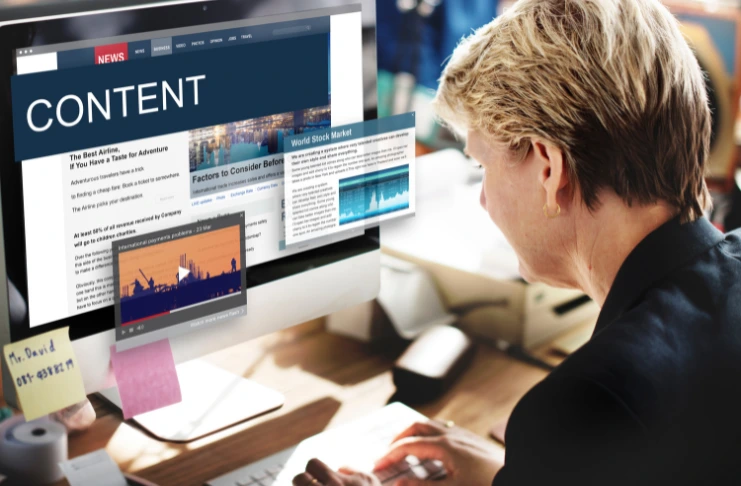
In Pune’s competitive restaurant scene, listening to customers is a powerful marketing tool. Feedback provides valuable insights into service quality, menu satisfaction, and the overall dining experience. Approximately 70% of millennials in India use social platforms like Instagram and TikTok to discover new restaurants. Beyond insights, user-generated content (UGC) such as reviews, social media posts, and photos can amplify your restaurant’s credibility and reach.
Key Approaches to Leverage Feedback and UGC
Customer feedback and user-generated content are invaluable tools for restaurants in Pune looking to refine their operations and strengthen their brand. By actively collecting opinions, reviews, and social posts, restaurants gain actionable insights while simultaneously creating authentic content that attracts new diners and reinforces loyalty.
1. Encourage Reviews on Multiple Platforms: Restaurants should actively request reviews on Google, Zomato, Swiggy, and other social media platforms. Positive reviews boost visibility and trust, while constructive criticism highlights areas for improvement.
2. Respond to Customer Feedback Promptly: A timely response shows diners that their opinions matter. Addressing concerns professionally improves satisfaction and fosters loyalty. Businesses that effectively use customer feedback to improve their service experience a 15% increase in customer retention rates. For positive feedback, expressing gratitude strengthens the customer relationship.
3. Feature Customer Content on Digital Channels: Sharing posts, photos, or videos created by diners engages your broader audience. Highlighting customer testimonials and reviews reinforces your restaurant’s credibility and attracts potential diners.
4. Incorporate Feedback into Operations: Feedback should guide menu changes, service adjustments, and operational improvements. This demonstrates that the restaurant values customer input and continuously strives to enhance the experience.
Effectively leveraging customer feedback and UGC transforms diners into brand advocates, enhances your strong online presence, and positions your restaurant as a responsive and customer-centric establishment.
Hosting Events and Interactive Dining Experiences
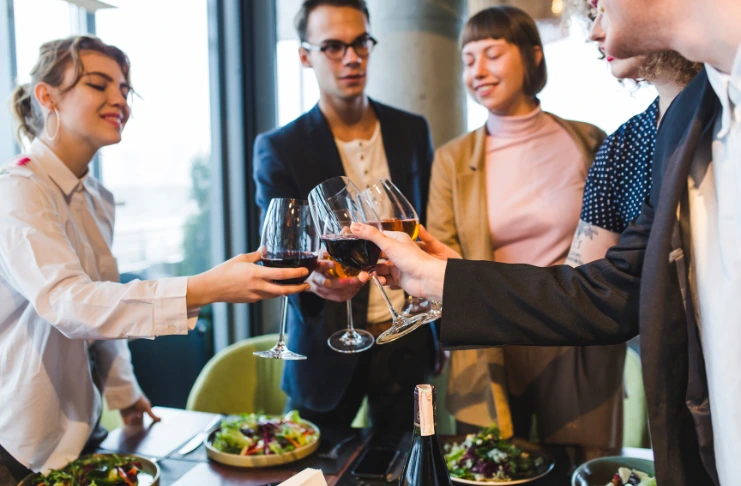
Creating memorable experiences is a cornerstone of attracting repeat customers. Beyond daily dining, interactive events such as wine tastings, cooking classes, or live performances can elevate a restaurant’s brand in Pune’s vibrant food and beverage (F&B) scene.
Strategies for Hosting Events
Events and interactive experiences provide restaurants with a unique way to stand out in a crowded market. Carefully planned culinary workshops, themed nights, or live performances not only enhance the dining experience but also engage customers on an emotional level, encouraging repeat visits and positive word-of-mouth.
1. Themed Nights and Culinary Experiences: Organize wine-tasting events, craft beer evenings, or chef’s special nights that align with your cuisine. These experiences add exclusivity and encourage bookings.
2. Collaborate with Local Artists and Influencers: Engaging Pune-based musicians, painters, or social media influencers provides dual benefits: unique entertainment for diners and additional promotion via the artists’ networks.
3. Interactive Dining Workshops: Host cooking demonstrations or mixology classes. Such hands-on experiences increase engagement, encourage social sharing, and make diners feel a deeper connection to the brand.
4. Leverage Food Festivals: Participate in Pune’s food festivals and fairs to showcase your restaurant’s signature offerings. These events attract new customers, foster community recognition, and boost brand credibility.
Hosting events and interactive experiences is a dynamic marketing strategy that goes beyond food. It creates a unique dining experience, generates buzz, and cultivates a loyal community of diners.
Community Engagement and Supporting Local Initiatives

Restaurants are more than food providers; they are community hubs. Engaging with Pune’s local community can strengthen brand reputation and build meaningful connections that extend far beyond typical customer relationships.
Community engagement represents an investment in long-term brand building that often yields returns through increased customer loyalty, positive word-of-mouth marketing, and enhanced reputation within local markets. Restaurants that position themselves as community partners rather than simply service providers often enjoy stronger relationships with customers, suppliers, and local authorities.
The authenticity of community engagement efforts significantly impacts their effectiveness. Customers can distinguish between genuine community involvement and superficial marketing activities, making sincere commitment to local causes essential for building trust and credibility.
Community-Centric Strategies
Restaurants that actively participate in their local community build goodwill and long-term customer trust. Supporting charities, local farmers, and neighborhood initiatives positions a restaurant as socially responsible and strengthens connections with Pune’s diverse and socially conscious customer base.
1. Support Local Charities and Nonprofits: Partnering with local charities or organizing fundraising events demonstrates social responsibility and appeals to environmentally conscious customers.
2. Collaborate with Local Farmers and Artisans: Incorporating local and organic ingredients supports regional suppliers and communicates a commitment to quality. Highlighting these partnerships in marketing campaigns can attract eco-conscious diners.
3. Sponsor or Participate in Neighborhood Events: Engaging with community fairs, school events, or cultural gatherings enhances visibility and fosters goodwill among local customers.
4. Engage in CSR Activities: Corporate social responsibility initiatives, such as zero-waste campaigns or food donations, reinforce the restaurant’s positive societal impact and improve brand perception.
Active participation in local initiatives elevates a restaurant’s profile beyond its dining offerings. It builds trust, strengthens customer loyalty, and positions the restaurant as a responsible and valued part of Pune’s community.
Collaboration with Industry Professionals
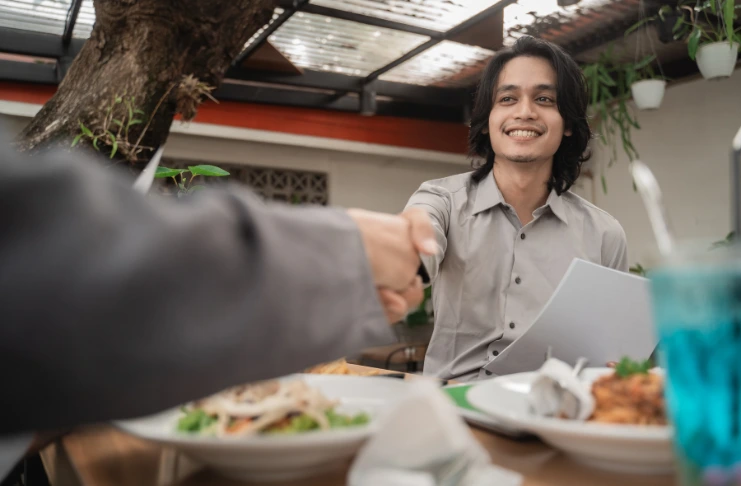
Networking and collaborating with other industry professionals in the restaurant and hospitality sector can accelerate growth, enhance service quality, and provide access to specialized expertise that might otherwise be unavailable or cost-prohibitive for individual restaurants.
Industry collaboration creates opportunities for knowledge sharing, cost reduction through shared resources, and access to professional networks that can provide referrals, partnerships, and business opportunities. These relationships often prove invaluable during challenging periods and can accelerate growth during expansion phases.
Professional development and continuous learning through industry connections help restaurant owners stay current with trends, regulations, and best practices while building relationships that can provide support and guidance throughout their business journey.
Ways to Leverage Industry Expertise
Collaboration and networking within the restaurant and hospitality sector can drive growth and innovation. Engaging with chefs, consultants, and professional associations enables restaurants to refine their operations, implement best practices, and adopt new trends, thereby enhancing service quality and gaining a competitive advantage.
1. Partner with Experienced Chefs and Consultants: Bringing in expertise from seasoned chefs or business consulting firms specializing in the restaurant industry can optimize menu design, operational efficiency, and marketing strategies while providing access to specialized knowledge.
Chef partnerships can elevate menu quality and creativity while providing access to professional networks and industry connections. Consulting relationships should be structured to provide ongoing support rather than one-time recommendations to maximize value and ensure implementation success.
Menu engineering expertise from professional chefs can optimize ingredient costs, preparation efficiency, and customer appeal while maintaining quality standards. Professional guidance in menu design can significantly impact profitability and customer satisfaction.
Operational consulting can identify inefficiencies, recommend technology solutions, and improve workflow processes that enhance service quality while reducing costs. Professional consultants often bring experience from multiple restaurant operations that can inform best practice implementation.
2. Engage in Professional Associations and Forums: Active participation in local business groups or culinary associations helps restaurants stay updated with industry trends and standards while building professional networks that can provide ongoing support and opportunities.
Professional association membership provides access to industry research, training programs, and networking opportunities that can inform strategic decisions and operational improvements. These resources often prove valuable for staying competitive in rapidly evolving markets.
Industry conference participation enables exposure to new trends, technologies, and best practices while providing opportunities to connect with suppliers, consultants, and other professionals who can support business growth and development.
Professional certification programs can enhance staff skills and restaurant credibility while demonstrating commitment to industry standards and continuous improvement. Certifications in food safety, wine service, and hospitality management can differentiate restaurants and improve operational quality.
3. Collaborate for Cross-Promotions: Joint events, co-branded promotions, or knowledge-sharing sessions with other restaurants or suppliers can attract new customers while providing value to existing patrons and creating mutually beneficial business relationships.
Cross-promotional partnerships should complement rather than compete with core restaurant offerings to maximize effectiveness while maintaining customer loyalty. Partnerships with complementary businesses can expand the customer base without cannibalizing existing business.
Supplier partnerships can provide access to premium ingredients, exclusive products, and favorable pricing while creating opportunities for joint marketing and promotional activities. Strong supplier relationships often yield benefits beyond simple procurement advantages.
Industry networking events and collaborative initiatives can generate referrals, partnership opportunities, and shared learning experiences that benefit all participants while strengthening the broader restaurant community.
4. Incorporate Feedback from Other Industry Professionals: Peer reviews and insights from experienced restaurateurs can refine your operations, technology adoption, and marketing approaches, enhancing overall service quality and operational effectiveness.
Peer mentorship programs can provide ongoing guidance and support while creating accountability relationships that encourage continuous improvement and professional growth. Experienced restaurateurs often provide insights that can prevent costly mistakes and accelerate success.
Best practice sharing within industry networks can identify successful strategies and proven solutions that can be adapted to different restaurant contexts. Learning from others’ successes and failures can inform better decision-making and strategic planning.
Professional critique and feedback can identify blind spots and improvement opportunities that might be overlooked by internal teams. External perspectives from industry professionals can provide valuable insights into customer perceptions and operational effectiveness.
Collaboration with other industry professionals is not just networking; it’s an investment in operational excellence, innovation, and credibility. By leveraging their insights, Pune restaurants can strengthen their loyal customer base, improve efficiency, and enhance growth potential while contributing to the broader success of the local restaurant community.
Customer Experience Technology
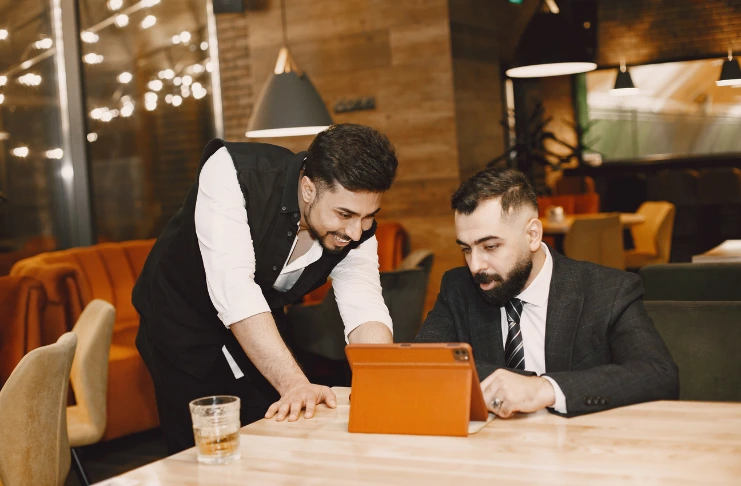
In 2025, diners in Pune increasingly expect seamless, personalized, and tech-enabled experiences. Restaurants that adopt modern customer experience technology not only enhance service quality but also streamline operations, reduce errors, and improve customer satisfaction while creating competitive advantages in crowded markets.
Technology integration in restaurants has evolved from simple point-of-sale systems to comprehensive customer relationship management platforms that enable personalized service, efficient operations, and data-driven decision making. The most successful restaurants use technology to enhance rather than replace human interaction, creating experiences that combine digital convenience with personal service.
Customer expectations for technology integration continue to evolve, with diners increasingly seeking seamless digital experiences that complement rather than complicate their dining experiences. Restaurants that successfully integrate technology often see improved customer satisfaction, increased operational efficiency, and enhanced data collection capabilities that inform strategic decisions.
Key Ways to Implement Customer Experience Technology
Technology is transforming how restaurants engage with their customers. From digital menus and online ordering systems to automated reservations and data-driven personalization, leveraging the right tools allows restaurants to enhance service quality, streamline operations, and create seamless dining experiences. Implementing these solutions ensures diners enjoy convenience, speed, and satisfaction at every touchpoint.
1. Digital Menus and Ordering Systems: Digital menus enable restaurants to instantly update their offerings, highlight specials, and provide allergy and dietary information. Integrating with online ordering systems enables smoother takeout and delivery, while QR-code menus reduce wait times and improve hygiene standards.
Digital menu implementation requires consideration of device accessibility, internet connectivity, and user interface design to ensure positive customer experiences across different demographics and technical comfort levels. Backup systems and staff training ensure smooth operations when technical issues arise.
Real-time menu updates allow restaurants to manage inventory more effectively while promoting available items and removing sold-out options immediately. This capability reduces customer disappointment and improves kitchen efficiency by preventing orders for unavailable items.
Nutritional information and dietary accommodation features in digital menus can attract health-conscious customers and those with specific dietary requirements while demonstrating restaurant attention to customer needs and regulatory compliance.
2. Automated Reservation and Feedback Systems: Automation tools help manage reservations, prevent overbooking, and collect structured feedback to enhance the overall experience. This ensures that customers are informed and engaged throughout their entire dining experience while reducing administrative workload for staff.
Reservation system integration with customer databases enables personalized service by providing staff with customer preferences, visit history, and special requirements before guests arrive. This preparation enhances service quality and creates more memorable experiences.
Automated feedback collection through email surveys, SMS requests, or QR code links increases response rates while providing structured data that can inform operational improvements and service enhancements.
Waitlist management and communication systems can maximize table utilization while improving customer satisfaction through transparent communication about wait times and table availability.
3. Personalization Through Data: By analyzing ordering patterns, frequency, and preferences, restaurants can enhance customer experience technology to suggest dishes, promotions, or loyalty rewards tailored to individual diners while respecting privacy preferences and regulatory requirements.
Customer data analytics can identify trends, preferences, and behavior patterns that inform menu development, promotional strategies, and operational decisions while ensuring compliance with privacy regulations and customer consent requirements.
Recommendation engines can suggest menu items, wine pairings, or promotional offers based on customer history and preferences, increasing average order values while improving customer satisfaction through relevant suggestions.
Predictive analytics can help restaurants anticipate demand, optimize staffing, and prepare for busy periods while identifying customers at risk of defection and creating targeted retention strategies.
4. Streamlining Operations with Automation Tools: Kitchen display systems, inventory trackers, and integrated POS systems reduce errors and improve efficiency. Automation allows staff to focus on delivering memorable experiences rather than routine administrative tasks while improving accuracy and speed of service.
Kitchen automation systems can optimize food preparation timing, reduce waste through better inventory management, and improve order accuracy through digital communication between front-of-house and kitchen staff.
Inventory management automation can track ingredient usage, predict reorder needs, and identify waste patterns while providing data that informs menu engineering and cost control decisions.
Staff scheduling and payroll automation can optimize labor costs while ensuring adequate coverage during peak periods, improving both operational efficiency and employee satisfaction through fair and predictable scheduling.
Technology empowers restaurants to deliver faster, more reliable, and personalized service. In Pune’s competitive market, embracing digital solutions is crucial for retaining customers and cultivating a loyal customer base while improving operational efficiency and profitability.
Strong Branding and Digital Presence
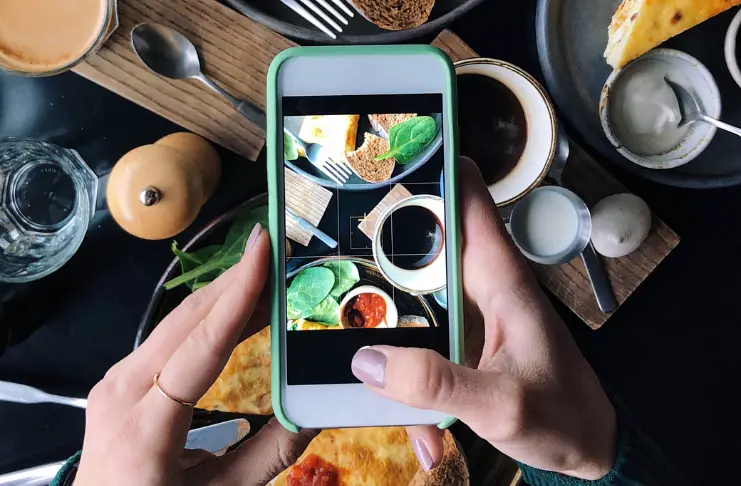
A consistent, memorable brand is central to long-term restaurant success. In Pune, diners value restaurants with a clear identity, strong online presence, and professional communication that reflects their values and creates emotional connections with target audiences.
Brand development for restaurants involves creating distinctive visual identities, developing consistent messaging strategies, and establishing unique positioning that differentiates establishments from competitors while resonating with target customer segments. Strong brands often command premium pricing and enjoy higher customer loyalty than generic or inconsistent competitors.
Digital presence management requires ongoing attention to multiple platforms, channels, and touchpoints to ensure consistent brand representation and effective customer engagement. The most successful restaurants integrate their digital and physical brand experiences to create seamless customer journeys that reinforce brand values and encourage loyalty.
Strategies to Strengthen Branding
A strong brand sets a restaurant apart in Pune’s competitive market. Consistent messaging, engaging digital content, and a memorable identity not only attract new customers but also foster loyalty among existing patrons. By strategically building and maintaining their digital presence, visual identity, and interactive campaigns, restaurants can reinforce trust, increase recognition, and appeal to a broader audience.
1. Consistent Brand Message Across Channels: Whether through social media, website, delivery apps, or in-store décor, maintaining consistency in visuals, tone, and messaging ensures recognition and trust while reinforcing brand values and positioning in customer minds.
Brand guideline development should address visual elements, messaging tone, communication style, and core values to ensure consistent representation across all customer touchpoints and marketing channels. These guidelines should be accessible to all staff members and regularly updated to reflect brand evolution.
Cross-channel integration ensures that customers receive consistent experiences whether they interact with the restaurant online, in-person, or through third-party platforms while maintaining brand integrity and recognition across different contexts and customer journey stages.
Staff training in brand representation helps ensure that customer service, communication, and operational decisions align with brand values and positioning while creating authentic experiences that reinforce brand promises and customer expectations.
2. Engage Through Interactive Content: Utilize video content, polls, contests, and customer testimonials to create an engaging digital presence. Adding interactive video content on platforms like Instagram and YouTube increases reach and encourages sharing while creating deeper connections with audiences.
Content strategy development should balance promotional material with entertaining, educational, and engaging content that provides value to followers while subtly reinforcing brand messages and encouraging customer engagement and loyalty.
Interactive campaigns such as photo contests, recipe sharing, or behind-the-scenes content can generate user participation and authentic content while providing insights into customer preferences and behavior patterns that inform future marketing strategies.
Community building through social media groups, loyalty program communications, and exclusive content can create a sense of belonging among customers while providing platforms for feedback, suggestions, and ongoing engagement beyond individual transactions.
3. Leverage Influencers and Food Bloggers: Collaborating with Pune-based food bloggers, lifestyle influencers, and local media boosts visibility and credibility while reaching new audiences through trusted recommendations and authentic endorsements from recognized local personalities.
Influencer partnership strategies should prioritize authentic fit between influencer audiences and restaurant target customers while ensuring that collaboration content aligns with brand values and messaging to maintain credibility and effectiveness.
Content collaboration with influencers should balance promotional messaging with authentic experiences and honest reviews to maintain credibility while providing valuable content that serves both restaurant marketing objectives and influencer audience interests.
Long-term relationship building with key influencers and media personalities can provide ongoing marketing value while creating advocates who understand and appreciate restaurant brand values and can provide authentic endorsements over time.
4. Highlight Unique Selling Points: By showcasing local and organic ingredients, sustainability efforts, or signature dishes, you communicate value beyond the meal itself. This appeals to environmentally conscious customers and those seeking authentic, memorable experiences while differentiating from competitors.
Value proposition communication should clearly articulate what makes the restaurant special, unique, or superior to alternatives while connecting these differentiators to customer benefits and values that resonate with target audiences.
Storytelling around unique aspects such as chef backgrounds, ingredient sourcing, or restaurant history can create emotional connections while providing compelling content for marketing materials and customer conversations that build brand loyalty and recognition.
Visual presentation of unique selling points through photography, video content, and design elements should reinforce messaging while creating memorable impressions that help customers remember and recommend the restaurant to others.
A strong, professional brand supported by an active digital presence ensures your restaurant remains visible, trusted, and preferred by customers while creating sustainable competitive advantages that support long-term business growth and success.
Conclusion
Navigating Pune’s competitive restaurant market requires a multifaceted marketing strategy that addresses the unique characteristics of this dynamic city. From establishing a strong digital presence and leveraging delivery and takeout services to implementing customer loyalty programs and hosting engaging events, each element contributes to attracting and retaining customers while building sustainable business growth.
The restaurant business in Pune demands an understanding of local culinary culture, demographic diversity, and evolving customer expectations. Successful restaurateurs recognize that effective marketing extends beyond traditional advertising to encompass every aspect of customer experience, from initial discovery through long-term relationship building.
By embracing Pune’s unique culinary culture, working with other industry professionals, and maintaining consistent branding across all touchpoints, restaurants can enhance service quality, foster customer loyalty, and drive sustainable growth. The integration of customer experience technology, personalized marketing approaches, and community engagement creates comprehensive strategies that resonate with Pune’s diverse customer base.
Supporting local charities, collaborating with local farmers and artisans, and participating in neighborhood events demonstrates social responsibility while building authentic connections with the community. These efforts, combined with professional digital marketing strategies and operational excellence, create restaurant brands that customers trust, recommend, and return to consistently.
The importance of customer feedback and user-generated content cannot be overstated in today’s digital landscape. Restaurants that actively listen to their customers, respond professionally to reviews, and incorporate feedback into their operations demonstrate commitment to continuous improvement while building loyalty and attracting new customers through positive word-of-mouth marketing.
Every satisfied customer becomes an advocate, every thoughtful event or promotion strengthens reputation, and every technology-enabled improvement streamlines operations while enhancing customer satisfaction. The most successful restaurants in Pune create integrated marketing ecosystems that reinforce their brand message across multiple channels while maintaining authentic connections with their target audiences.
The city’s dining landscape is competitive, but restaurants that implement strategically planned marketing efforts, maintain focus on operational excellence, and continuously adapt to changing customer preferences can achieve lasting success while contributing to Pune’s vibrant culinary community.
Success in Pune’s restaurant industry requires patience, persistence, and a willingness to evolve with changing market conditions and customer expectations. Restaurants that embrace this challenge while maintaining commitment to quality, service, and community engagement are well-positioned to thrive in this dynamic and rewarding market. The strategies outlined in this guide provide a comprehensive framework for building successful restaurant businesses that can weather competitive pressures while delivering consistent growth and customer satisfaction.
Frequently Asked Questions
1. What is the best marketing strategy for restaurants?
The best strategy combines digital marketing, loyalty programs, community engagement, and experiential events. Balancing online presence with offline relationships ensures long-term customer retention.
2. What are the 4 P’s of restaurant marketing?
The 4 P’s include Product, Price, Place, and Promotion. Restaurants must optimize menu offerings, set competitive pricing, choose strategic locations, and execute compelling promotional campaigns.
3. What are the 7 Ps of service marketing in restaurants?
The 7 P’s expand on the traditional 4 P’s to include People, Process, and Physical Evidence. Staff training, service flow, and tangible elements (such as ambiance or packaging) are crucial to delivering a comprehensive customer experience.