

Rebranding a restaurant is not a creative exercise. It’s a strategic reset. Whether driven by changing demographics, declining foot traffic, or a shift in market positioning, the process demands the utmost clarity.
The risk is obvious: disrupt the look and feel, and you risk alienating the very people who built your brand. But done with intent, a rebrand can strengthen loyalty, streamline operations, and open the door to a new tier of growth.
This guide walks you through the top restaurant rebranding strategies that you can use right away.
What Does Restaurant Rebranding Mean, and How Do You Do It Right?
Restaurant rebranding means a complete transformation of your restaurant’s image, customer experience, and market positioning. Your brand identity includes everything from your visual identity to your restaurant’s mission and the way customers perceive your business.
A successful rebranding touches every aspect of your operation, including your menu design, interior design, social media presence, and even staff training. This ensures your rebranding efforts create lasting change rather than temporary fixes.
Think of rebranding as giving your restaurant brand a second chance to make a first impression. You’re not just changing how you look – you’re changing how customers feel about dining with you.
How can you do it?
Strategy 1: Analyze Your Current Brand Position
First, understand your current position. Your current brand might have strengths you don’t want to lose and weaknesses that desperately need fixing.
Start by gathering customer feedback about your restaurant’s image. What do your existing customers love the most? What complaints come up repeatedly?
Look at your sales data from the past two years. Are certain menu items consistently popular? Do you see patterns in customer visits?
Study your competition, too. What are other restaurants in your area doing differently? How do they present their brand identity? Understanding these factors, along with your competitive market, will help you identify ways to make your restaurant stand out.
Strategy 2: Define Your New Brand Identity

Your new brand identity should reflect both your restaurant’s mission and your target audience’s preferences. Focus on creating something authentic that resonates with your customers.
Write down your restaurant’s core values. What makes your business special? Why should customers choose you over other restaurants? Your brand messaging should convey these qualities.
Consider your target audience carefully. Are you trying to attract younger consumers, families, or business professionals? Different groups respond to different brand approaches. Your visual identity and marketing should speak directly to the people you want to serve.
Here are the key elements that you must consider:
- Your restaurant’s personality and tone
- Core values and mission statement
- Target customer demographics
- Unique selling propositions
- Brand voice and messaging style
Strategy 3: Plan Your Visual Identity Overhaul
Your visual identity is often the first thing customers notice about your restaurant. This includes your new logo, color scheme, typography, and overall design aesthetic. Every visual element should work together to create a cohesive brand experience.
Start with your new logo design. It should be simple, memorable, and reflect your restaurant’s personality. Avoid trendy designs that might look dated in a few years.
Select colors that create the perfect ambiance for your dining experience. For example, choose warm colors like red and orange to stimulate the appetite and cool colors to create a calming atmosphere. Your color choices should match your restaurant’s vibe and price point.
Update your menu design to match your new visual identity. Your menu is a crucial touchpoint that customers spend time with during their visit. Make it easy to read and visually appealing.
Strategy 4: Redesign Your Physical Space
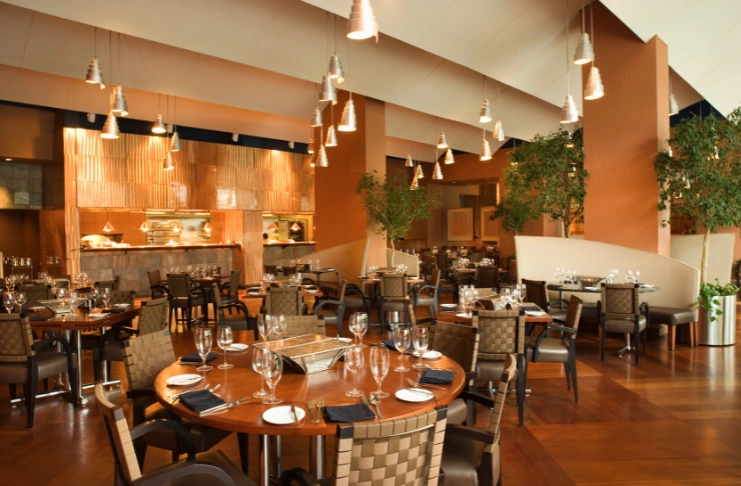
Your restaurant’s interior design plays a huge role in customer perception and their willingness to return. The physical space should reflect your new brand identity while creating a comfortable atmosphere for your target audience.
According to research, 41% of consumers would pay more to dine at an aesthetically pleasing restaurant. How can you ensure your restaurant is on their radar?
Focus on lighting first. Good lighting can transform any space and create the right mood for your brand. Sultry lighting is ideal for upscale dining, while bright, energetic lighting is more suitable for casual family restaurants.
Next, choose a color scheme that gives your space a unified look. Your walls, furniture, and decorations should all reinforce your restaurant brand identity. Consider how different areas of your space serve different purposes and design accordingly.
Strategy 5: Refresh Your Menu and Offerings
Your menu is central to your restaurant’s identity. Menu changes should reflect your new brand while also taking into account customer preferences. This doesn’t mean completely starting over – it means making strategic updates.
Analyze your sales data to identify your most and least popular items. Keep the dishes that drive repeat business, and consider removing items that don’t sell well. This creates space for new ideas that align with your updated brand.
Consider current trends in your market, but don’t follow every fad. Younger generations might appreciate plant-based options or locally sourced ingredients. These additions can attract new customers without alienating existing ones.
Update your menu descriptions to match your new brand voice. If you’re aiming for a more casual and friendly approach, use conversational language. For upscale rebranding, use more sophisticated descriptions.
Strategy 6: Revamp Your Online Presence

Your online ordering systems and social media connect you to both existing and potential customers. These platforms should consistently reflect your new brand identity.
Update all your social media platforms with your new visual identity. This includes profile pictures, cover photos, and the overall aesthetic of your posts.
Also, refresh your website to align with your new brand identity. Ensure it is user-friendly and visually appealing. Many customers form their first impression of your restaurant brand online.
Create content that showcases your rebranding journey. Share photos of your new interior design, introduce new menu items, and highlight what makes your restaurant unique. This content will help build excitement and attract new customers.
Strategy 7: Develop New Marketing Campaigns
Your marketing should introduce your refreshed brand to the world while remaining relevant to your existing customers. This requires a balanced approach that excites without creating unnecessary confusion.
Create a launch campaign that explains the changes and their benefits. Focus on how the rebrand improves the customer experience rather than just what’s different. Your target audience would want to know how these changes benefit them.
Utilize multiple marketing channels to target distinct segments of your customer base.
Partner with local influencers or food bloggers to review your restaurant. Focus on securing word-of-mouth recommendations from trusted sources. It can be more valuable than traditional advertising.
INDUSTRY INSIGHT
| Influencer content shapes dining decisions. In fact, 39% of Gen Z diners have tried a restaurant based on an influencer’s post. Add to that the 55% who cite social media reviews as their top reason for trying a spot, and the takeaway is clear: if you’re rebranding, visibility starts online. Partnering with the right creators during your relaunch can give you reach, relevance, and a higher ROI. |
Strategy 8: Train Your Team on the New Brand

Your staff are brand ambassadors who directly impact customer perception. They need to understand and embody your new brand identity in every customer interaction.
Conduct training sessions that explain your rebranding goals and their implications for daily operations. Your team should understand why changes were made and how they improve the customer experience.
Update your service standards to match your new brand personality. If you’re repositioning as more upscale, your service should become more polished. For casual rebranding, encourage a friendlier, more relaxed approach.
Create talking points for common customer questions about the changes. Your staff should be prepared to explain the rebrand in a positive and enthusiastic manner.
Strategy 9: Monitor Customer Response
After implementing your restaurant rebranding strategies, you need to track how customers respond. This feedback helps you fine-tune your approach and address any concerns quickly.
Watch your sales data closely for the first few months after rebranding. Are you maintaining repeat visits from existing customers? Are you attracting new customers as planned?
Monitor online reviews and social media mentions. Customer feedback often reveals insights you might miss otherwise. Address negative feedback promptly and professionally.
Survey your customers directly about their experience with your rebranded restaurant. Ask specific questions about what they like and what could be improved.
Strategy 10: Measure Success and Adjust

Your rebranding efforts need ongoing evaluation to ensure they’re achieving your goals. Success metrics help you understand what’s working and what needs adjustment.
Track key performance indicators (KPIs) like customer retention rates, new customer acquisition, and average ticket size. These numbers indicate whether your rebrand is enhancing your business performance.
Compare your restaurant’s performance to industry benchmarks. Are you keeping pace with other restaurants in your market? Are you gaining market share?
Make quick adjustments based on what you learn. Even the best-planned rebranding efforts require fine-tuning as you see how customers actually respond.
How Do You Maintain Customer Loyalty During Rebranding?
The biggest fear during restaurant rebranding is losing existing customers. The secret is to involve them in the process and make changes gradually, rather than all at once.
Communicate your plans with your loyal customers before making major changes. Use your social media presence to share behind-the-scenes updates about your rebranding efforts. This transparency will help build excitement from the get-go.
Keep your most popular menu items and signature dishes. These are often the main reasons customers return. You can update presentations and descriptions without changing the actual recipes your customers love.
Train your staff to communicate changes in a positive manner. When customers ask about the new look, your team should be ready with explanations about how the changes improve their dining experience.
How to Rebrand Without Losing Your Restaurant’s Soul?
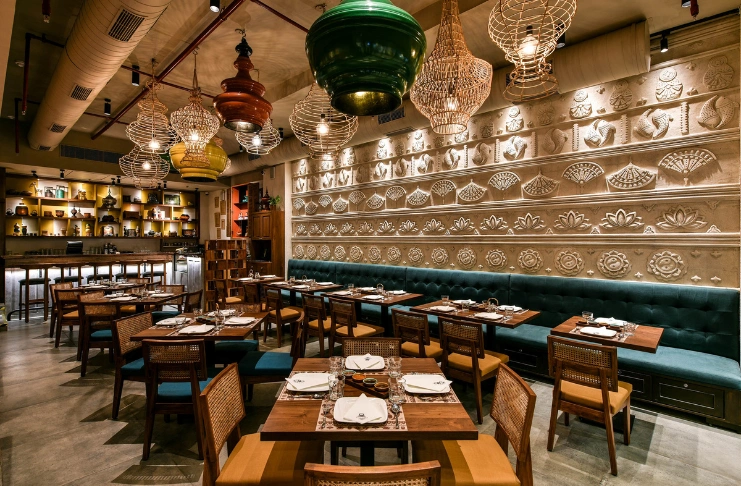
The most successful restaurant rebranding efforts enhance what already works rather than starting over from scratch. Your restaurant’s mission and core values should guide every decision you make.
Identify the elements that make your restaurant special to loyal customers. These might include signature dishes, friendly service, or a particular atmosphere. Build your new brand around these strengths.
Make changes gradually when possible. Sudden, dramatic changes can shock customers and hurt your reputation. Phased rebranding will enable you to test responses and make adjustments accordingly.
Stay true to your restaurant’s personality. If your place has always been a neighborhood gathering spot, your rebrand should enhance that quality rather than trying to compete with it.
What Are the Most Common Rebranding Mistakes?
Learning from others’ mistakes helps you avoid costly errors in your own rebranding project. These common pitfalls can derail even well-planned rebranding efforts.
Changing too much too quickly often confuses customers and staff. A successful rebrand introduces changes systematically, allowing everyone to adjust gradually.
Ignoring customer feedback during the process can lead to changes that push away your customer base. Regular communication prevents major missteps.
Focusing solely on visual changes without enhancing the actual customer experience disappoints customers who expect genuine improvements.
What Role Does Technology Play in Modern Rebranding?

Today’s restaurant rebranding strategies must account for technology’s role in the dining experience. Online ordering, mobile apps, and social media all impact how customers interact with your brand.
Ensure your online ordering system matches your new brand identity. The digital experience should feel aligned with your physical restaurant. Such consistency builds brand recognition and trust.
Use technology to enhance human connections. Your staff should still provide the personal service that builds customer loyalty while technology handles routine tasks more efficiently.
How Can You Successfully Implement Your Restaurant Rebranding Strategies?
A successful rebrand requires careful timing and coordination. Rushing the process often leads to mistakes, while taking too long can hurt your business momentum.
Plan your rebranding project in phases. Start with planning and research, then move to design and development, followed by implementation and launch. Each phase should have clear goals and deadlines.
Consider seasonal factors when timing your launch. Avoid major changes during your busiest seasons when staff are already stretched thin. Slower periods provide better opportunities for training and adjustment.
Allow buffer time for unexpected challenges. Rebranding projects often take longer than expected, especially when coordinating multiple vendors and suppliers.
Conclusion
Restaurant rebranding shouldn’t be a one-time fix but part of an ongoing strategy to stay relevant and competitive. The most successful restaurants regularly evaluate and refresh their brand to meet changing customer preferences.
Stay connected with emerging market trends in the restaurant industry, but don’t chase every new fad. Focus on changes that align with your brand identity and serve your target audience.
Continue gathering customer feedback after your rebrand is complete. Customer preferences evolve, and your brand should evolve with them while maintaining its core identity.
Build systems for regular brand evaluation. Conduct annual or semi-annual reviews to assess whether your brand resonates with customers and supports your business goals.
Frequently Asked Questions
1. What is the rebranding strategy?
A rebranding strategy is a detailed plan to change how customers perceive your restaurant while maintaining business continuity and customer loyalty.
2. How do you rebrand without losing customers?
Communicate changes transparently, maintain popular menu items, implement gradual changes, and engage loyal customers in the process through social media updates.
3. Why would a restaurant rebrand?
Restaurants rebrand to stay relevant, attract new customers, improve sales, differentiate from competitors, or recover from negative publicity.
4. How do I make my restaurant unique?
Focus on your core values, create signature dishes, develop a distinctive atmosphere, and emphasize what sets you apart from other restaurants.
5. What are the steps in rebranding?
Analyze the current position, define a new brand identity, update visual elements, redesign the physical space, refresh the menu, revamp the online presence, and train the staff.
6. How much does rebranding cost?
Costs vary widely, ranging from $10,000 to over $ 100,000, depending on the scope, which includes design, renovation, marketing, and staff training expenses.
7. How does branding help to maintain customer loyalty?
Strong branding creates emotional connections, sets clear expectations, builds trust, and makes customers feel part of a community.
8. How do you maintain customer loyalty?
Provide consistent quality, listen to feedback, reward repeat customers, maintain personal connections, and continuously improve the experience.
9. What is the relationship between branding and customer loyalty?
Branding establishes the foundation for customer relationships by fostering trust, setting clear expectations, and cultivating emotional connections that drive repeat business.
10. What are 2-3 ways a brand has increased your loyalty?
Consistent quality experiences, personalized service that makes customers feel valued, and rewards programs that acknowledge repeat business.