
If your restaurant serves amazing food, but your social media isn’t bringing in customers, you’re not alone. Many restaurants struggle with common social media mistakes that kill engagement and drive potential customers to competitors.
Social media drives 74% of dining decisions today. When customers choose where to eat based on your online presence, every post matters. One inconsistent social media presence or poor-quality image can cost you guests coming through your doors.
This guide breaks down the biggest restaurant social media mistakes and gives you actionable steps to fix them. Below, you’ll learn how to create content that attracts customers, builds brand loyalty, and turns followers into paying diners.
What are the Most Common Mistakes Restaurant Businesses Make on Social Media?
Social media can do both – drive footfall or hurt your reputation, and it all comes down to the small steps you take. Below, we’ll break down some of the most common social media mistakes that prevent restaurants from turning attention into real business impact.
Mistake 1: Inconsistent Posting Schedules
Sporadic posting kills your restaurant’s visibility. The algorithm rewards consistent creators, and your audience forgets about you when you disappear for weeks.
Many restaurants post randomly when they remember. This approach destroys engagement and wastes your marketing efforts. Your competitors who post consistently will always outrank you.
Here’s how to fix inconsistent posting:
- Create a monthly content calendar
- Post at least 3 times per week, minimum
- Use scheduling tools to automate your posts
- Batch create content during slow periods
Set specific posting days like Monday, Wednesday, and Friday. Your audience will expect your content, and the algorithm will prioritize your posts when you’re consistent.
Mistake 2: Ignoring Customer Comments and Reviews
Your customers are talking, but you’re not listening. When you ignore comments and reviews, you’re telling potential customers that you don’t care about customer experience.
73% of diners will choose a competitor if a restaurant doesn’t respond online. Every unanswered comment is a missed opportunity to showcase your brand’s personality and build community engagement.
So, respond to every comment within 24 hours:
- Thank customers for positive feedback
- Address concerns professionally and quickly
- Ask questions to keep conversations going
- Share customer posts to your stories
Turn negative reviews into opportunities. When you respond professionally to complaints, other customers see that you care about fixing problems. This builds trust with your target audience.
Mistake 3: Posting Low-Quality Food Photos
Blurry, dark, or poorly composed food photos make your dishes look unappetizing. 40% of diners try new restaurants after seeing compelling food visuals, but bad photos drive them away.
Many restaurants rush food photography or use stock photos that don’t represent their actual menu items. This creates false expectations and disappoints customers when they visit your restaurant.
Create high-quality images with these steps:
- Use natural light whenever possible
- Clean your plates and surfaces before shooting
- Focus on one hero dish per photo
- Show food being prepared or served fresh
Invest in basic photography equipment or hire a local food photographer. Quality visuals showcase your food properly and make customers hungry for your dishes.
INDUSTRY INSIGHT
| According to a DoorDash report, adding high-quality menu photos can boost delivery volume by 15%. Grubhub places that number even higher, with restaurants seeing up to a 30% sales lift. Deliveroo’s findings show a 24% increase. Across platforms, the message is clear: investing in professional visual content consistently translates into stronger revenue performance. |
Mistake 4: Lacking a Clear Brand Voice
Generic captions and templated language don’t connect with your audience. When your social media sounds like every other restaurant, you blend into the background.
Your brand voice should reflect your restaurant’s personality. A family diner needs different messaging than an upscale steakhouse. Many restaurants fail to develop a consistent voice that resonates with their community.
Develop your brand voice by:
- Defining your restaurant’s personality in 3-5 words
- Writing captions like you’re talking to friends
- Sharing behind-the-scenes stories and moments
- Using local references and community language
Create a style guide for your team. Include tone examples, hashtag lists, and response templates. This ensures everyone posting for your restaurant maintains the same voice.
Mistake 5: Treating Social Media as an Afterthought
Despite 50% of customers choosing restaurants via social media platforms, many operators still treat it as secondary to other marketing channels. This backward thinking costs you customers daily.
Social media isn’t just promotion. It’s customer service, brand building, and direct sales all combined. When you treat it like an afterthought, you miss opportunities to attract customers and build lasting relationships.
To do: Make social media a priority –
- Assign specific team members to manage accounts
- Budget for social media marketing like other advertising
- Track metrics and adjust your strategy accordingly
- Integrate social media with all marketing efforts
Schedule daily social media time just like you schedule food prep. Your online presence needs the same attention as your physical restaurant.
Mistake 6: Not Optimizing for Mobile Users
Many restaurants link to desktop-only menus or complicated ordering systems. When customers can’t easily view your menu or place online orders on their phones, they’ll choose a competitor instead.
Optimize your mobile experience:
- Test all links on multiple phone sizes
- Ensure your menu loads quickly on mobile
- Simplify your online ordering process
- Use mobile-friendly payment options
Check your website monthly on different devices. If you can’t easily navigate your own site on a phone, neither can your customers.
Mistake 7: Overusing Stock Photos Instead of Original Content
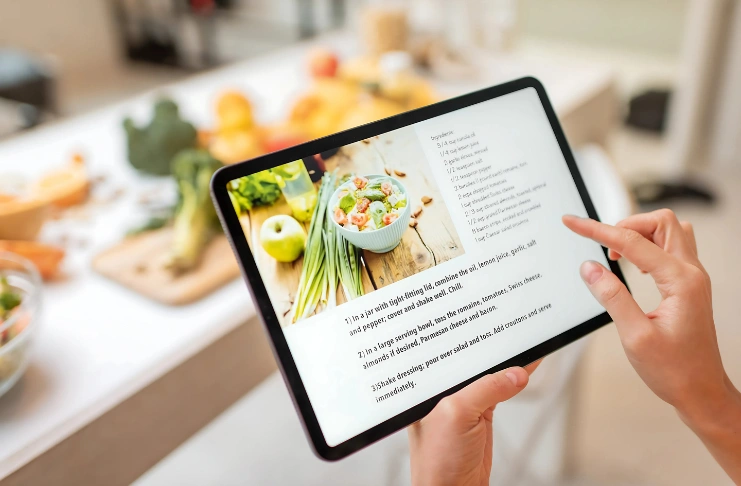
Stock photos of generic food make your restaurant look fake. Customers want to see your actual dishes, your real kitchen, and your authentic atmosphere.
When you use the same stock photos as competitors, you lose credibility. 68% of customers check a restaurant’s social media before visiting, and they want to see what they’ll actually experience.
That’s why you must create original content that showcases your restaurant. How?
- Photograph your actual menu items
- Show your kitchen team preparing food
- Capture your dining room atmosphere
- Feature real customers enjoying meals
Even phone photos beat stock images when they show your authentic restaurant experience. Customers trust real content over perfect, generic photos.
Mistake 8: Missing Local SEO Opportunities
One of the biggest mistakes you might be making is not connecting with customers in your immediate area.
Local SEO through social media helps nearby diners find your restaurant when they’re looking for places to eat.
Many restaurants focus on broad hashtags and forget location-based marketing. Your most valuable customers live and work within a few miles of your restaurant.
You can improve your local SEO strategy by:
- Using location tags on every post
- Including neighborhood hashtags
- Tagging other local businesses you partner with
- Sharing community events and local news
Create content around local landmarks, events, and partnerships. This helps you appear in local searches and builds stronger community connections.
How Can You Measure Your Social Media Success?
Without tracking analytics, you’re flying blind. You need to know which posts drive foot traffic and which strategies actually bring customers to your restaurant.
Many restaurants post content without measuring results. They waste time on strategies that don’t work while missing opportunities that could double their engagement.
Use analytics tools to track:
- Engagement rates on different content types
- Click-through rates to your website
- Conversion from social media to actual visits
- Peak posting times for your audience
Check your metrics weekly and adjust your strategy based on what works. Focus your efforts on content types that drive real business results.
What Should Your Posting Strategy Include?
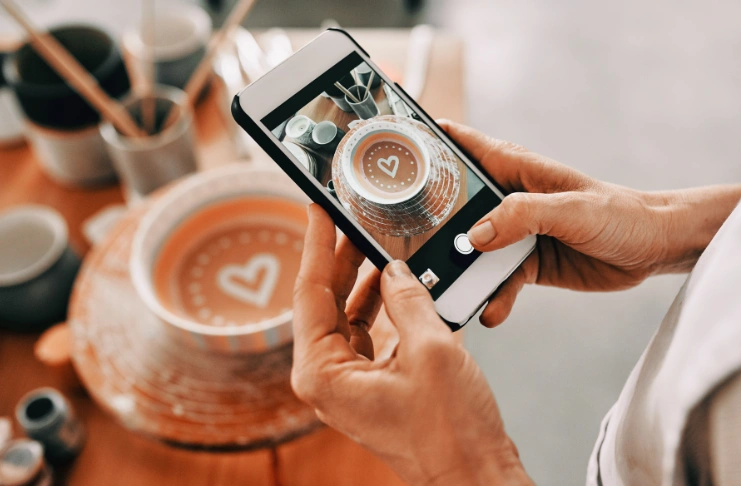
A successful social media strategy balances different content types. You need variety to keep your audience engaged while consistently showcasing why customers should visit your restaurant.
Mix these content types in your feed:
- Behind-the-scenes kitchen moments
- Finished dishes with appetizing close-ups
- Customer testimonials and reviews
- Staff spotlights and restaurant culture
- “Daily specials” video content and limited-time promotions
Follow the 80/20 rule: 80% valuable content that entertains or educates, 20% direct promotional posts. This keeps your audience engaged without feeling constantly sold to.
Which Platforms Should You Focus On?
You don’t need to be everywhere. Focus your marketing efforts on platforms where your customers spend time and where your content performs best.
Instagram and Facebook remain the top platforms for restaurants. TikTok is rising fast for discovery, especially among younger diners. LinkedIn works for corporate catering, while Twitter helps with customer service.
Choose platforms based on your audience:
- Instagram for visual food content
- Facebook for community building and events
- TikTok for trendy dishes and quick recipes
- Google My Business for local discovery
Master 2-3 platforms before expanding. Better to excel on fewer channels than to struggle across many social media platforms.
How Do You Handle Negative Feedback Online?

Negative reviews happen to every restaurant. How you respond determines whether you lose customers or build stronger brand loyalty.
Never ignore criticism or get defensive. Public responses show potential customers how you handle problems. Professional responses to complaints often impress viewers more than positive reviews.
Respond to negative feedback:
- Acknowledge the customer’s concern immediately
- Apologize sincerely for their poor experience
- Offer to discuss the issue privately
- Take action to prevent similar problems
Move detailed discussions to private messages or phone calls. This shows you care while keeping public threads positive.
What Type of Content Drives Restaurant Visits?
Content that makes people hungry drives the most visits. Focus on creating posts that trigger immediate cravings and showcase your restaurant’s unique value.
Videos of sizzling steaks, fresh pasta being tossed, or desserts being plated get people excited about dining with you. Static photos work too, but motion captures attention better.
Time your posts when people plan meals. Lunchtime content should be posted by 10:00 AM, and dinner content by 3:00 PM. This catches customers when they’re deciding where to eat.
Final Thoughts
Social media mistakes cost restaurants customers every day. But fixing these common problems doesn’t require a huge budget or marketing team. It requires consistency, authenticity, and focus on what actually drives business results.
Start with one mistake from this list. Fix it completely before moving to the next. Small improvements in your social media strategy create big changes in your customer base.
Your restaurant deserves customers who appreciate great food and service. Social media connects you with those people when you avoid these costly mistakes and create content that truly represents your brand’s value.
Frequently Asked Questions
1. What is the 5 5 5 rule on social media?
Post 5 times per week, engage with five comments per post, and spend 5 minutes daily responding to messages. This creates consistent engagement without overwhelming your schedule.
2. What is the most common mistake that restaurants make?
Inconsistent posting schedules. Many restaurants post randomly, which hurts visibility and engagement. Consistent posting, at least three times per week, keeps your audience engaged.
3. How social media affects the restaurant industry?
Social media drives 74% of dining decisions and helps restaurants attract customers directly. It’s become the primary marketing channel for building brand awareness and driving foot traffic.
4. What does 68 mean in a restaurant?
In the social media context, 68% refers to the percentage of diners who check a restaurant’s social media before visiting. This statistic shows why maintaining an active online presence is crucial for success.