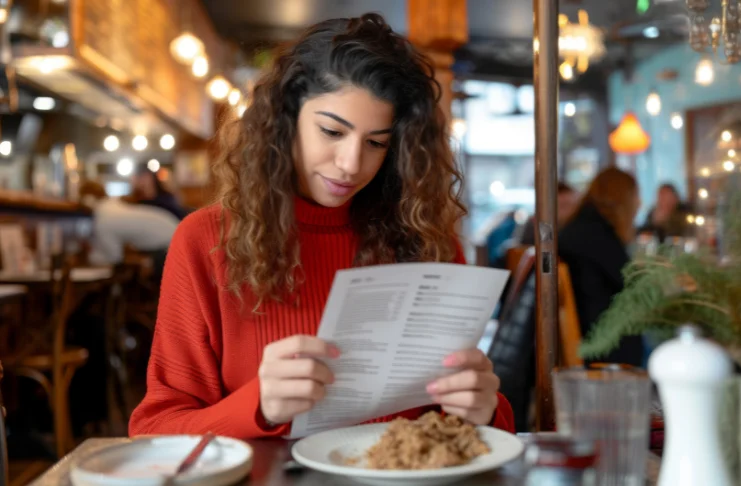

The restaurant industry constantly evolves as operators look for ways to maximize revenue while delivering exceptional dining experiences. One strategy gaining momentum is the adoption of a limited menu. But what is a limited menu, and why are successful establishments embracing this model? A limited menu focuses on offering fewer menu items and a small menu compared to traditional extensive menus, allowing restaurants to concentrate on perfecting their best dishes rather than spreading resources thin across countless options. This approach not only improves operational efficiency but also enhances food quality and customer satisfaction.
Understanding this dining establishment strategy involves examining its core principles, benefits, and practical applications. From food trucks and coffee shops to full service restaurants and fine dining venues, limited menus streamline operations, reduce food waste, and optimize profit margins. Restaurants that implement this model can provide consistent quality, faster service, and a more satisfying overall dining experience for guests.
Understanding the Limited Menu Concept

A limited menu emphasizes high-quality signature dishes, streamlines kitchen and table operations, differentiates from full service restaurants, and balances target market preferences with operational efficiency and profitability.
What Defines a Limited Menu
A limited menu focuses on delivering high-quality dishes while keeping operations efficient. Key aspects of this approach are:
- Curated selection of five to fifteen signature items allows kitchen operations to maintain precision and consistency
- Streamlined menus in limited service model restaurants highlight specific cuisines or meal types, differentiating them from full service restaurants with extensive offerings
- Strategic menu decisions are based on target market preferences, operational efficiency, and profit optimization rather than restricting choice
This focused approach ensures consistent quality and a better dining experience for guests.
How Limited Menus Differ from Traditional Offerings
Limited menus provide an efficient alternative to extensive offerings in full service restaurants. Key differences include:
- Full service restaurants feature multiple sections with numerous options, requiring extensive ingredient inventory and complex staff training
- Limited menus focus on core competencies, perfecting select dishes to improve consistency and make better inventory management tools
- Streamlined table service and self-serve formats in limited service restaurants reduce wait times and increase table turnover while maintaining food quality
This approach enhances operational efficiency and ensures a smoother dining experience for guests.
Core Benefits of Implementing a Limited Menu

Limited menus reduce food costs, minimize waste, and streamline kitchen operations, improving efficiency, speed, and profitability while maintaining consistent quality.
INDUSTRY INSIGHT
| According to the National Restaurant Association’s 2025 State of the Restaurant Industry Report, U.S. restaurant sales are expected to reach $1.5 trillion this year. With 64% of full-service diners and 47% of limited-service guests saying experience matters more than price, operators are focusing on consistency and quality over variety. A smaller, curated menu supports this shift, enabling kitchens to perfect fewer dishes, deliver faster service, and create memorable dining experiences that drive customer loyalty. |
Reducing Food Costs Through Strategic Planning
Fewer menu items can significantly reduce food costs and improve profitability. Key benefits of limited menus are:
- Restaurants purchase fewer ingredients in larger quantities, often benefiting from volume discounts and lower food costs
- Minimizing inventory carrying costs reduces capital tied up in perishable stock and helps maintain fresher ingredients
- Focusing on select ingredients strengthens supplier negotiations, enabling better purchasing power and optimized profit margins
This strategy allows restaurants to control expenses while maintaining high-quality menu offerings.
Minimizing Food Waste and Spoilage
Limited menus help restaurants tackle food waste while enhancing efficiency. In the US alone, full-service restaurants produce seven million tons of waste annually at a cost of $16 billion. Ways this approach reduces waste are:
- Consistent ingredient usage across fewer dishes prevents spoilage from slow-moving items common in extensive menus
- Overlapping ingredients in multiple meals maximize utilization, boosting profitability and supporting sustainability goals
- Streamlined menus allow more accurate demand forecasting, helping operators order only what is needed for anticipated service volume
This focused strategy reduces waste while maintaining quality and operational efficiency.
Improving Kitchen Efficiency and Speed
Limited menus streamline kitchen operations, improving speed and consistency. Key advantages are:
- Simplified workflows and specialized preparation stations help cooks master specific dishes, reducing errors and accelerating service
- Fewer dishes lower prep complexity and shorten training time, enabling faster table turnover and the ability to serve more guests
- Focused stations eliminate bottlenecks, enhancing coordination and consistently reducing service times
This approach ensures smoother kitchen operations while maintaining high food quality.
Operational Advantages of Limited Menus

Limited menus streamline inventory, simplify staff training, and focus on high-performing dishes to improve operational efficiency, profitability, and overall dining experience.
Streamlining Inventory Management Systems
Limited menus provide restaurants with stronger inventory control and streamlined operations. Key benefits are:
- Tracking fewer ingredients simplifies monitoring systems and lowers administrative overhead in inventory management
- Focusing on select ingredients makes purchase orders straightforward, reducing errors and maintaining consistent stock levels
- Optimized storage needs require less refrigeration and dry space, potentially cutting facility costs or freeing space for other uses
This approach enhances efficiency while supporting cost-effective restaurant operations.
Enhancing Staff Training and Retention
Limited menus simplify staff training and improve team performance. Key advantages are:
- New employees learn offerings quickly, becoming productive faster than in restaurants with extensive menus
- Servers gain deeper product knowledge by focusing on fewer dishes, enhancing the customer experience with confident recommendations
- Simplified operations reduce staff stress and boost job satisfaction, supporting higher retention and lower turnover costs
This approach strengthens both team efficiency and the overall dining experience.
Optimizing Profit Margins Through Focus
Limited menus help restaurants maximize profit margins by focusing on high-performing dishes. Key ways this strategy boosts profitability are:
- Concentrating resources on select items ensures every dish contributes meaningfully to revenue, avoiding losses from underperforming offerings
- Precise pricing strategies based on costs and customer demand allow operators to adjust portions or prices for optimal revenue
- Reduced waste, improved efficiency, and better ingredient utilization contribute to higher profit margins and a more sustainable business model
This focused approach strengthens financial performance while supporting long-term operational success.
Customer Experience Considerations

Limited menus enhance dining satisfaction by delivering quality, balancing variety, accommodating dietary preferences, and using seasonal ingredients and special occasions strategically. In fact, 80% of diners now research menus online to evaluate dish options, cost and convenience which makes presenting a clear, concise and focused menu a crucial factor in easier decision-making.
How Limited Menus Affect Dining Satisfaction
Customer satisfaction often improves with limited menus despite initial concerns about fewer options. Limited menus enhance the overall dining experience by prioritizing quality and clarity. Key benefits are:
- Exceptional execution of a smaller selection allows diners to appreciate quality over quantity
- Simplified menu choices reduce decision fatigue, preventing overwhelm from extensive menu options
- Focused menus convey confidence and specialization, signaling that the restaurant excels in its core offerings
This approach elevates customer satisfaction while reinforcing the restaurant’s culinary expertise.
Balancing Variety with Specialization
Limited menus can maintain variety while staying focused and efficient. Key strategies are:
- Thoughtful curation offers options that cater to different tastes and dietary restrictions, balancing proteins, preparations, and flavors
- Seasonal ingredients or limited time offers for special occasions introduce variety without complicating operations.
- Menu balance is guided by target market preferences and restaurant type, with fine dining often justifying smaller selections than casual concepts
This approach ensures guests enjoy diverse options while operations remain streamlined.
Potential Challenges and Solutions

Limited menus cater to diverse tastes and maintain excitement through customization, seasonal rotations, special events, and limited time offers.
Addressing Diverse Customer Preferences
Limited menus can cater to diverse tastes while keeping operations efficient. Key approaches are:
- Researching target market preferences ensures menu offerings meet customer expectations in varied populations
- Customization options, such as protein swaps or preparation modifications, provide flexibility without increasing menu complexity
- Seasonal rotations introduce evolving selections over time, keeping offerings fresh and appealing to repeat customers
This strategy balances customer satisfaction with streamlined restaurant operations.
Avoiding Menu Monotony Over Time
Long-term success with limited menus relies on keeping offerings fresh and engaging. Key strategies are:
- Limited time offers generate excitement and test potential permanent menu additions
- Special events allow expanded selections that showcase creativity without altering the core menu
- Rotating seasonal ingredients within existing dishes maintains variety while leveraging current operations
These tactics ensure guests remain excited and loyal while operations stay efficient.
Strategic Implementation Guidelines

Evaluating current menu performance, identifying top-performing dishes, and testing limited menu concepts help restaurants streamline offerings, improve operational efficiency, and deliver consistent quality while meeting customer expectations.
Analyzing Your Current Menu Performance
Successful transitions to limited menus start with careful evaluation of current offerings. Key steps are:
- Assessing each dish’s profitability, popularity, and operational complexity guides informed menu decisions
- Menu engineering identifies stars, workhorses, puzzles, and dogs to determine which items to retain or remove
- Analyzing sales data across different periods reveals customer preferences and seasonal trends
This structured approach ensures the new limited menu aligns with both operational goals and guest expectations.
Identifying Your Best Performing Dishes
The best dishes form the foundation of a successful limited menu. Key factors in identifying them are:
- Combining profitability, popularity, and alignment with brand identity ensures signature items anchor the menu effectively
- Customer feedback from reviews and direct comments highlights favorites that deserve retention
- Operational considerations, such as prep time and ingredient availability, ensure dishes remain manageable during peak hours
Focusing on these elements helps restaurants maintain a menu that delights guests and runs efficiently.
Testing Limited Menu Concepts
Gradual implementation helps restaurants transition to limited menus with minimal risk. Key steps are:
- Streamlining specific meal periods or days allows testing before committing to permanent changes
- Pilot programs reveal customer reactions and operational adjustments needed for smooth execution
- Collecting feedback through surveys, comment cards, and social media ensures decisions align with customer preferences
This phased approach supports a seamless transition while keeping guests satisfied.
Technology and Limited Menu Management

Leveraging online ordering platforms and data analytics allows restaurants to refine limited menus, track customer preferences, forecast demand, and improve operational efficiency while enhancing the overall dining experience.
Leveraging Online Ordering Platforms
Online ordering platforms enhance the effectiveness of limited menus. Key advantages are:
- Clear digital presentation of available options helps customers make choices easily while supporting limited customization
- About 70% of restaurant chains have rolled out digital ordering capabilities recently, and 63% of consumers now prefer using mobile apps to place orders making menu clarity and focus even more important for digital channels.
- Data from online orders reveals customer preferences and trends, guiding menu refinements and limited time offers
- Integration with inventory management ensures accurate availability, preventing orders for out-of-stock items
This approach strengthens customer experience while optimizing operational efficiency.
Using Data Analytics for Menu Optimization
Data analytics empower restaurants to make informed decisions with limited menus. Key benefits are:
- Analyzing ordering patterns identifies popular item combinations, optimal pricing, and seasonal demand trends
- Item-level profitability metrics reveal which dishes drive revenue and which may need adjustment
- Predictive analytics improve demand forecasting, reducing waste while ensuring ingredient availability during peak periods
This approach leverages data to optimize menu performance and operational efficiency.
Measuring Success with Limited Menus

Monitoring operational efficiency with limited menus involves tracking food costs, table turnover, and profit margins, ensuring streamlined operations increase seating efficiency, reduce waste, optimize pricing, and enhance overall restaurant profitability.
Customer Feedback and Satisfaction Metrics
Limited menus can play a major role in enhancing the dining experience. Ways restaurants gauge customer satisfaction are:
- Customer satisfaction surveys evaluate whether menu offerings meet diner expectations, covering food quality, service speed, and overall experience
- Online reviews offer unsolicited feedback on dining experiences, highlighting strengths and areas needing improvement
- Repeat customer rates reveal long-term satisfaction with limited selections, showing appreciation for consistent quality and a focused menu
Tracking these measures helps restaurants refine their limited menus and boost customer loyalty.
Financial Performance Benchmarks
Restaurants can boost profitability by tracking key performance metrics with limited menus. Key indicators that show operational efficiency are:
- Revenue per available seat hour measures how effectively restaurants use seating capacity and optimize profits
- Labor cost percentages tend to drop as streamlined operations require less training and more efficient staffing
- Inventory turnover rates reflect how well limited menus manage ingredients, improving freshness and reducing food waste
Monitoring these metrics helps restaurants maximize efficiency and financial performance.
Conclusion
Limited menus are powerful tools for enhancing operational efficiency and customer experience across the restaurant industry. This focused approach reduces food costs, minimizes waste, and enables faster service through streamlined kitchen operations. Success depends on analyzing your best dishes, understanding your target market, and maintaining consistent quality. Whether managing food trucks, coffee shops, or full service restaurants, the principles of limited menus apply across all formats. Starting with limited menu testing during specific meal periods or days allows operators to gather customer feedback, monitor financial performance, and adjust offerings based on real-world results without committing to a full overhaul.
Focusing on fewer dishes ensures quality over quantity, supported by high-quality ingredients and staff training to maintain standards. The limited menu philosophy aligns with industry trends emphasizing sustainability, authenticity, and culinary excellence. By highlighting your strengths and communicating them clearly, your restaurant can attract loyal customers, differentiate itself in a competitive market, and achieve long-term success.
Frequently Asked Questions
1. What does “limited menu” mean?
A limited menu offers a smaller selection of dishes than a full menu, focusing on efficiency, quality, and faster service.
2. What is another word for a limited menu?
Another term for a limited menu is a “short menu” or “restricted menu” emphasizing fewer choices for streamlined operations.
3. What is a limited time menu?
A limited time menu features special dishes available only for a set period to create urgency and attract customers.
4. What are the benefits of a limited menu?
Benefits of a limited menu include faster service, lower food waste, simplified kitchen operations, and enhanced focus on quality.