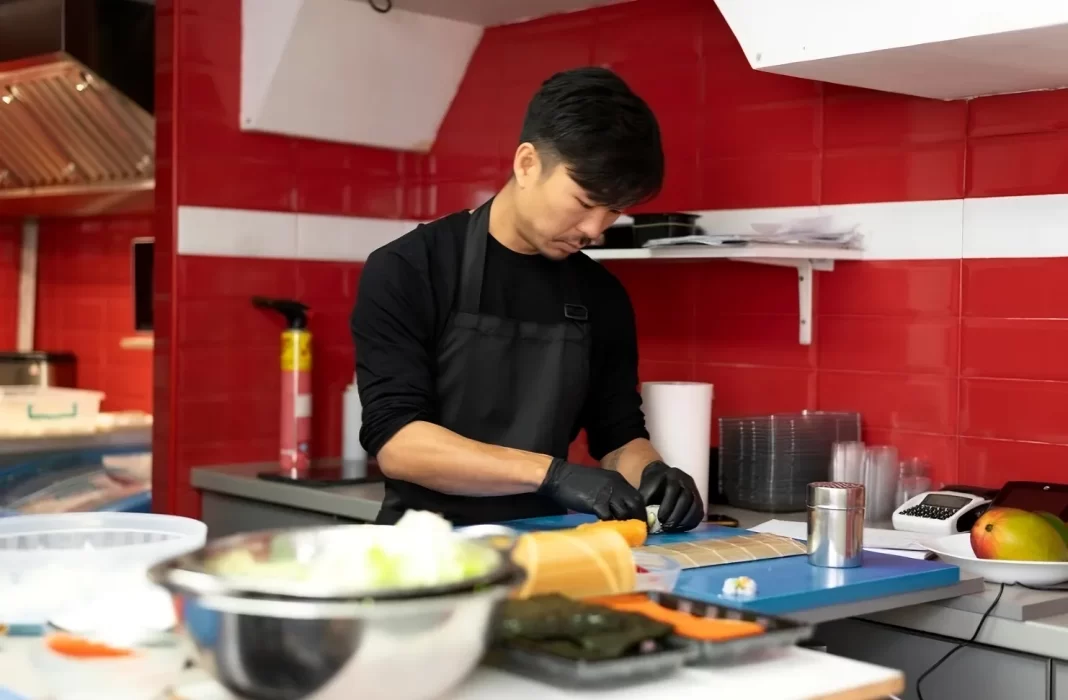

Cloud kitchens are designed to be lean. No storefront, minimal staff, fast scale. Yet 25-30% of cloud kitchens in India shut down within a year of operation. Nearly 50% of these businesses in major cities like Delhi, Bangalore, and Mumbai are unprofitable.
Commission fees to delivery platforms like Swiggy and Zomato eat up 30% of revenue. Branding and customer acquisition remain the biggest pitfalls.
Takeaway? Without a clear strategy for demand, margins, and visibility, even well-funded kitchens run out of runway.
This article outlines the most common cloud kitchen business mistakes and what it takes to avoid them.
Why Do So Many Cloud Kitchens Fail?

The failure of cloud kitchens rarely boils down to one single issue. Instead, it’s usually a combination of interconnected problems that compound over time, creating a perfect storm that even skilled entrepreneurs struggle to weather. These may be:
1. Poor Financial Planning and Initial Investment Mistakes
Many cloud kitchen owners start their kitchen business without a proper financial structure. The initial investment requirements include equipment, rent, licensing, insurance, marketing, and working capital needs.
Inadequate cash flow management kills more cloud kitchens than poor food quality. Operators frequently miscalculate monthly expenses, leading to insufficient reserves during slow periods. Hidden costs like delivery platform commissions, packaging expenses, and ingredient waste eat into already thin profit margins.
2. Lack of Standard Operating Procedures
Successful cloud kitchen operations depend on consistent processes. Without standard operating procedures, food quality varies between orders, delivery times fluctuate, and customer satisfaction plummets.
Clear procedures ensure every virtual kitchen operates at the same level regardless of staff changes. These systems cover food preparation, order processing, inventory management, and quality control checkpoints that maintain brand standards across all delivery services.
3. Limited Brand Recognition Without Physical Presence

Cloud kitchens struggle to build customer loyalty without face-to-face interactions. The absence of a dining room eliminates opportunities for personal customer relationships that drive repeat business in regular restaurants.
Brand identity becomes crucial when customers cannot visit your location. Many ghost kitchens fail to establish clear brand messaging, resulting in unclear value propositions that fail to differentiate them from competitors.
4. Over-Dependence on Third-Party Platforms
Relying solely on delivery apps creates vulnerability in the cloud kitchen business model. Platform algorithm changes, commission increases, or policy modifications can devastate kitchen operations overnight.
To reduce platform dependence, successful cloud kitchen operators diversify their customer acquisition channels through direct ordering systems, social media engagement, and partnerships with local businesses.
5. Poor Portion Controls and Inconsistent Food
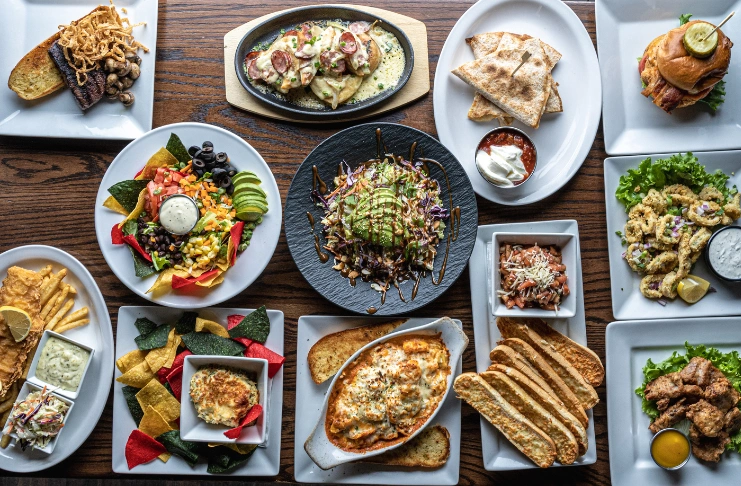
Inconsistent portion sizes and food preparation create negative customer experiences that damage online reviews and reduce repeat orders. Many cloud kitchens fail because operators lack proper measuring systems and quality control processes.
Training staff on exact portioning prevents ingredient waste while ensuring customer satisfaction. Standardized recipes with precise measurements help maintain food quality across all virtual restaurants operating from the same kitchen space.
6. Inadequate Hygiene and Safety Standards
Health code violations shut down cloud kitchens faster than financial problems. Operating without proper hygiene protocols risks foodborne illness outbreaks that permanently destroy business reputations.
Regular sanitization schedules, temperature monitoring, and employee hygiene training protect customers and business operations. Investment in stainless steel prep tables and commercial-grade cleaning equipment ensures compliance with health department requirements.
7. Inadequate Kitchen Automation Systems

Manual order processing creates bottlenecks during peak hours when kitchen automation could streamline operations. Cloud kitchens handling high order volumes need integrated systems that route orders efficiently through the preparation and packaging stages.
Point-of-sale systems that connect with inventory management prevent overselling items and reduce customer disappointment. These technologies also provide data insights for menu optimization and operational efficiency improvements.
8. Weak Delivery Process Management
Delivery coordination requires precise timing to ensure food reaches customers hot and fresh. Poor delivery process planning results in orders sitting ready while delivery staff remain unavailable.
Building relationships with multiple delivery services provides backup options during busy periods. Some successful cloud kitchen operations invest in their own delivery network to better control customer experience and increase profit margins.
9. Unclear Brand Identity and Marketing Strategy

Many cloud kitchens launch without defined target audiences or unique selling propositions. Generic menu offerings fail to capture customer attention in crowded delivery app listings, where differentiation determines success.
Innovative menu ideas that address specific dietary needs or cuisine gaps in local markets create competitive advantages. Research local food delivery market trends before finalizing menu concepts to identify profitable opportunities.
10. Inadequate Understanding of Industry Trends
The cloud kitchen industry evolves rapidly with changing consumer preferences, technological advances, and regulatory updates. Operators who ignore industry trends miss optimization opportunities and fall behind competitors.
Successful restaurant operators stay informed about food delivery industry developments, customer behavior changes, and platform policy updates that affect their operations. Regular market analysis helps identify expansion opportunities and potential threats.
INDUSTRY INSIGHT
| Cloud kitchens are reshaping the food industry, with the global market projected to reach $122.78 billion by 2032, growing at a CAGR of 12%. While demand is high, operational efficiency remains a challenge. For the record, even a 10-minute delay in order fulfillment leads to a 14.4% drop in customer satisfaction ratings. What does this mean for you? If you want your cloud kitchen to be successful, you’ll need to invest in your logistics and operations to sustain profitability. There’s no other way around. |
11. Poor Customer Service Response

Delayed responses to customer complaints escalate minor issues into major reputation problems. Social media and delivery app reviews spread negative experiences quickly, damaging brand credibility across all platforms.
Establishing customer service protocols for handling complaints, refunds, and special requests maintains positive relationships even when problems occur. Quick resolution demonstrates professionalism that encourages customer loyalty in the competitive food delivery market.
12. Ignoring Customer Feedback Patterns
Systematic customer feedback analysis reveals operational problems before they become widespread issues. Many cloud kitchens ignore recurring complaints about specific menu items, delivery times, or packaging problems.
Regular review monitoring across all platforms identifies improvement opportunities and menu optimization needs. Customer suggestions often reveal market demands that successful cloud kitchen operators capitalize on through menu expansions or service improvements.
13. Hidden Costs and Unexpected Expenses

Platform commissions, packaging, and marketing expenses accumulate quickly without proper tracking systems. Many kitchen business operations fail because owners underestimate the cost structure required for profitable operations.
Regular financial analysis identifies cost reduction opportunities through supplier negotiations, menu engineering, and operational efficiency improvements. Tracking cost per order helps optimize pricing strategies and maintain healthy profit margins.
14. Inadequate Pricing Strategy
Competitive pricing pressure from traditional restaurants and other virtual kitchens forces many operators to price below profitable levels. Without proper cost analysis, pricing decisions often prioritize market competition over business sustainability.
Menu engineering that balances customer value with operational costs ensures long-term viability. Regular pricing reviews based on ingredient costs, labor expenses, and market conditions maintain profitability while remaining competitive.
15. Inventory Management Problems
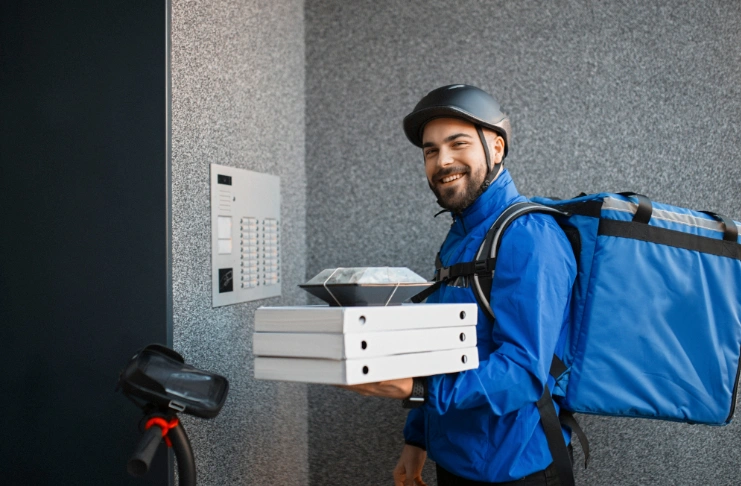
Poor inventory control leads to food waste, stockouts, and inconsistent menu availability across delivery platforms. Many virtual kitchens struggle with demand forecasting for multiple brands operating from the same kitchen space.
Implementing inventory management systems that track usage patterns helps optimize ordering schedules and reduce waste. Regular supplier evaluations ensure reliable delivery schedules and consistent ingredient quality.
16. Supplier Relationship Management
Strong supplier relationships become critical for cloud kitchen success because menu consistency depends on reliable ingredient sourcing. Weak supplier partnerships result in quality variations that damage customer satisfaction.
Diversifying supplier sources protects against disruptions while maintaining negotiating power for better pricing terms. Regular supplier performance evaluations ensure service levels meet operational requirements.
17. Premature Expansion Decisions

Many cloud kitchen owners attempt expansion before establishing profitable operations at their initial location. Premature scaling spreads resources thin and creates management challenges that overwhelm operators.
Successful scaling requires proven operational systems, positive cash flow, and management capabilities that support multiple locations. Market research for new locations should validate demand before committing resources to expansion.
18. Inadequate Management Structure
Growing cloud kitchen operations need a proper structure to maintain quality standards across multiple locations and brands. Many owners try to personally manage all aspects, creating bottlenecks that limit growth potential.
Developing management systems and training programs ensures consistent operations regardless of location or staff changes. Clear accountability structures prevent quality deterioration as operations expand.
19. High Employee Turnover
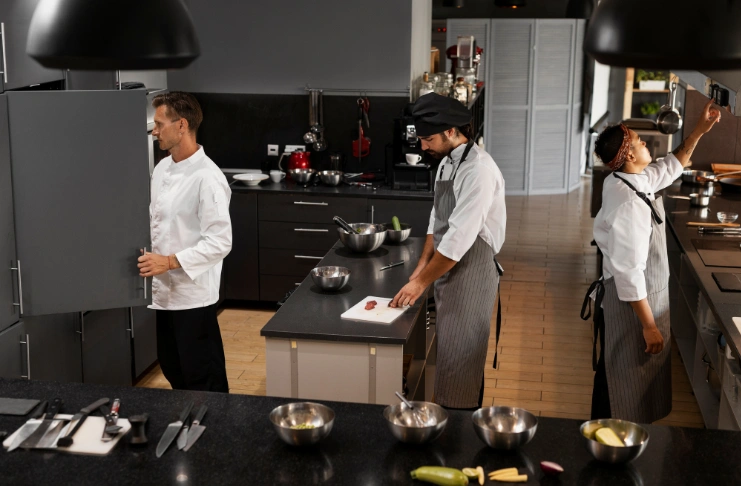
Kitchen business operations suffer from high turnover rates due to repetitive work environments and limited career advancement opportunities compared to full-service restaurants.
Creating positive work environments through competitive compensation, skills training, and advancement opportunities reduces turnover costs and maintains operational consistency. Employee retention programs often cost less than continuous recruitment and training cycles.
20. Inadequate Training Programs
Insufficient training leads to inconsistent food quality, safety violations, and operational inefficiencies that damage customer satisfaction and increase costs.
Thorough training programs covering food safety, preparation procedures, and customer service standards ensure all restaurant staff understand their roles in delivering quality experiences. Regular training updates maintain compliance with health regulations and operational improvements.
21. Insufficient Point-of-Sale Integration

Disconnected systems force manual order entry, increasing errors and slowing operations during peak periods. Many ghost kitchens fail because they cannot process orders efficiently across multiple platforms.
Integrated technology solutions that automatically route orders through preparation and fulfillment stages reduce labor costs while improving accuracy. Real-time reporting provides operational insights for continuous improvement.
22. Poor Data Analytics Usage
Successful cloud kitchen operators use data analytics to optimize menu performance, identify customer preferences, and improve operational efficiency. Many operators ignore available data, missing optimization opportunities.
Regularly analyzing order patterns, customer behavior, and operational metrics guides menu decisions and marketing strategies. Data-driven decisions typically outperform intuition-based choices in competitive markets.
23. Health Department Violations
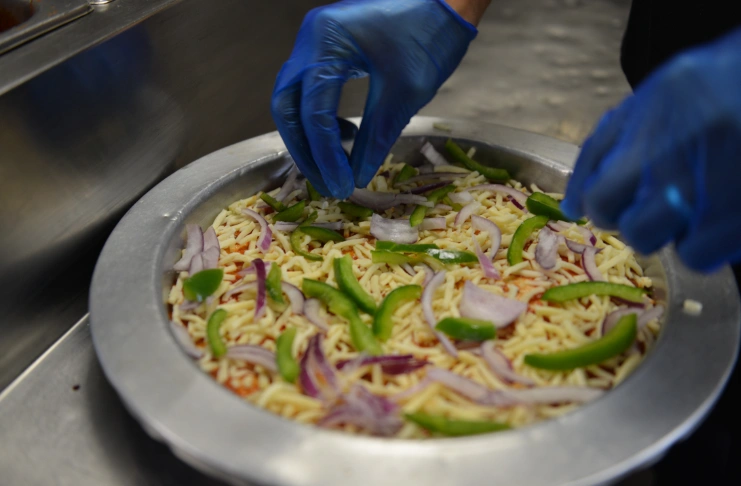
Health code violations shut down operations immediately, causing revenue loss and reputation damage that many cloud kitchens cannot quickly recover from.
Regular self-audits and professional consulting help identify potential violations before official inspections. Investment in proper equipment and training prevents costly compliance failures.
24. Business License and Permit Issues
Operating virtual restaurants often requires multiple licenses depending on jurisdiction and platform requirements. Missing permits result in fines and operational shutdowns.
Legal consultation during setup ensures all required permits and licenses are obtained before operations begin. Regular compliance monitoring prevents costly violations and business interruptions.
How Can Struggling Cloud Kitchens Recover and Rebuild Profitability?

Cloud kitchens experiencing problems can implement recovery strategies to address operational issues and return to profitability.
Operational Audit and Improvement
Comprehensive operational audits identify specific problems affecting performance. Many struggling virtual kitchens discover that addressing key issues dramatically improves overall results.
Professional consultation provides objective analysis and improvement recommendations based on industry best practices. Implementation of recommended changes often produces quick operational improvements.
Financial Restructuring Options
Struggling cloud kitchen owners have several options for financial recovery, including renegotiating supplier terms, adjusting menu pricing, and optimizing operational costs.
Working with financial advisors helps develop realistic recovery plans that address immediate cash flow needs while building sustainable long-term operations. Cost reduction programs often provide immediate relief without compromising food quality.
How Can You Build a Successful Cloud Kitchen Strategy?

Successful cloud kitchen operations require comprehensive planning that addresses all potential failure points before they become operational problems.
Market Research and Validation
Thorough market research validates demand for proposed concepts before investing in equipment and operations. Understanding local food delivery market dynamics helps position virtual restaurants for success.
Customer surveys and competitor analysis provide insights for menu development and pricing strategies. Market validation reduces risks associated with new concept launches.
Business Planning
Detailed business plans address the operational, financial, and marketing challenges that commonly cause cloud kitchen failures. Planning prevents reactive management, which leads to poor decision-making.
Professional business planning services help develop realistic financial projections and operational strategies based on industry benchmarks and local market conditions.
Conclusion
Running a successful cloud kitchen is achievable but requires a fundamentally different approach than traditional restaurant operations.
The entrepreneurs who succeed in this space understand that every aspect of their operation needs to be optimized for delivery and digital customer acquisition. They build robust financial systems that account for platform commissions and hidden costs. They develop standardized procedures that ensure consistency without the benefit of face-to-face customer interaction. Most importantly, they stay flexible and data-driven, continuously adapting their strategies based on customer feedback and market trends.
Remember, 50% of consumers prefer ordering from ghost kitchens due to their faster delivery. This is a massive opportunity, but only for operators who can bridge the execution gap that causes so many cloud kitchens to fail.
The key is to start with a solid foundation. From there, success comes down to consistent execution, continuous improvement, and the flexibility to adapt.
Frequently Asked Questions
1. What are the risks of cloud kitchen business?
Cloud kitchens face high risks from delivery platform dependency, low brand visibility, poor unit economics, and intense market competition. Without strong demand generation and cost control, many operate at a loss.
2. Is CloudKitchens profitable?
CloudKitchens has not disclosed profitability. While the company has raised billions and scaled aggressively, its financial sustainability remains unclear.
3. What happened to CloudKitchens?
CloudKitchens continues to operate across several U.S. cities, but has faced criticism over tenant churn, opaque operations, and internal management issues. It remains active but secretive.
4. What are the disadvantages of ghost kitchens?
Ghost kitchens lack walk-in traffic, rely entirely on third-party apps, and often struggle with customer loyalty. Many brands fail to scale due to weak brand recall and marketing inefficiencies.
5. What are the disadvantages of cloud kitchen?
Key disadvantages include high aggregator fees, limited customer interaction, operational fragmentation, and difficulty building a recognizable brand in crowded delivery marketplaces.
6. How successful are cloud kitchens?
Cloud kitchens can be highly successful with the right model. Operators who invest in strong branding, efficient logistics, and direct customer acquisition tend to outperform those reliant solely on third-party platforms. Success depends on execution, not just the concept.
7. Is CloudKitchens failing?
There is no public confirmation of failure, but media reports suggest the company faces internal and operational challenges. Its long-term viability remains under watch.
8. Why does cloud kitchen fail in India?
In India, cloud kitchens often fail due to poor location analysis, unsustainable discounting, lack of brand identity, and over-reliance on aggregators like Zomato and Swiggy.
9. Who is the largest cloud kitchen company in the world?
CloudKitchens and Reef Technology are considered the largest globally. Both are backed by venture capital and operate thousands of delivery-only kitchens across major cities.