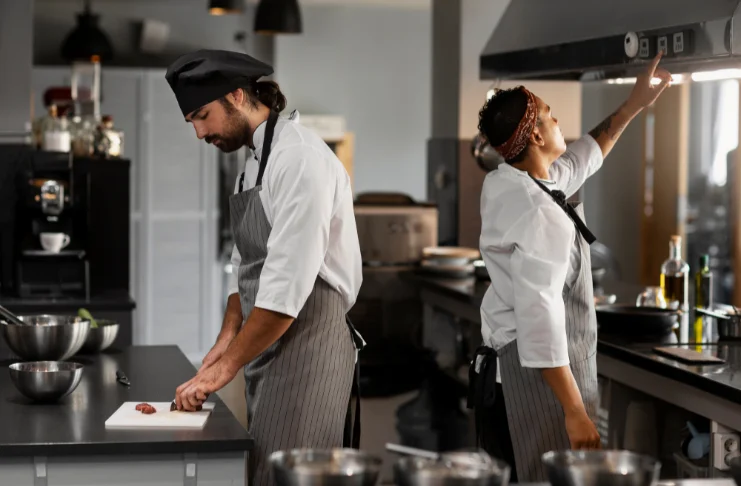

The restaurant industry is evolving fast, and the rise of delivery-only models has opened new doors for food entrepreneurs. Traditional brick-and-mortar restaurants often demand massive investments, yet consumers increasingly want efficient food delivery at their fingertips. This shift has given birth to co-kitchen spaces, also known as shared kitchens, commissary kitchens, cloud kitchens, and ghost kitchens that help culinary professionals and restaurant operators launch businesses faster, scale at lower costs, and reach more customers.
In this guide, we’ll explore why co-kitchen spaces for food delivery businesses are a game-changer, what they cost, who can benefit, and how to set them up for long-term success.
Co-Kitchen Spaces for Food Delivery Business: What’s the Buzz?

In the past, running a restaurant meant renting or buying a full space, hiring staff, and juggling endless expenses. Today, food businesses can bypass these hurdles with co-working kitchen spaces.
- Co kitchen spaces give food entrepreneurs access to a fully equipped cooking space.
- They are ideal for delivery-only restaurant businesses that want to focus on food production instead of overhead.
- Shared kitchens are flexible, allowing chefs and caterers to test ideas without committing to permanent restaurant rentals.
In short, co-kitchen spaces enable culinary professionals to focus on their strengths: cooking delicious dishes and expanding their customer base, all while minimizing costly restaurant operations.
Why Co-Kitchen Spaces Are a Smart Move for Food Businesses

38% of shared kitchens were founded after 2020, showing rising adoption. The biggest advantage of shared kitchen spaces is how much they reduce financial risk while increasing efficiency.
INDUSTRY INSIGHT
| In the U.S., the market size was about $52.67 billion in 2024, expected to reach $93.36 billion by 2030. |
- Lower Overhead: Skip the costs of a brick-and-mortar restaurant and use a commercial kitchen space that’s already set up.
- Cost-Effective Rental: Commissary kitchens can cost just $15–$40 per hour, compared to six-figure buildouts for a full restaurant kitchen.
- Rapid Setup: With equipment and compliance in place, a delivery-only restaurant can start operations within weeks.
For food businesses working with a limited budget, co-kitchen spaces are a cost-effective way to launch, allowing faster entry into the market without sacrificing quality.
Benefits of Commissary Kitchens & Commercial Kitchen Space

Beyond cost savings, commissary kitchens and commercial kitchens offer strategic advantages that help restaurants excel.
- Regulatory Compliance: Fully licensed and health-inspected spaces.
- Shared Efficiency: Users split utilities, cleaning, and services.
- Flexibility: Restaurant operators can expand into new markets or test virtual restaurants.
By choosing commissary kitchens, food entrepreneurs gain peace of mind, save money, and enjoy the flexibility that traditional restaurants cannot match.
Ghost Kitchen, Cloud Kitchen & Virtual Restaurant: What Does It Mean?
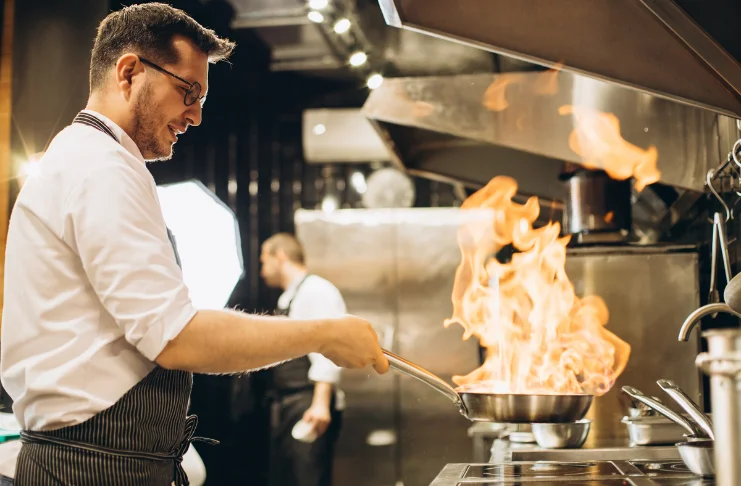
These terms are often used interchangeably, but they describe different ways to run a delivery-only restaurant business.
- Ghost Kitchens: No dining area, focused entirely on food delivery.
- Cloud Kitchens: Similar model, often managed by third parties.
- Virtual Restaurants: Online-only food brands operating within shared kitchens.
Whether ghost kitchen or cloud kitchen, the concept empowers chefs to cook, deliver, and grow without traditional barriers.
Who Can Leverage Co-Kitchen Spaces?

Co-working kitchen spaces are not just for startups. Many types of food businesses can thrive in these setups.
- Food Entrepreneurs & Startups: Launch faster with minimal investment.
- Food Truck Operators & Caterers: Use commissary kitchens for prep, storage, and delivery. In fact, delivery app usage surged 70% within a year.
- Established Restaurants: Test new markets or create virtual restaurant brands.
From solo chefs to national franchises, co-kitchen spaces open opportunities to reach a larger market and increase revenue.
Cost Snapshot Table
To better understand the financial impact, here’s a simple cost comparison.
| Model | Startup / Rental Cost |
| Build New Commercial Kitchen | $125,000–200,000 for 500 sq ft + equipment |
| Rent Commissary Kitchen | $15–$40/hr or $250–$1,250/month |
| Ghost Kitchen Startup | $20,000–60,000 total |
The numbers clearly show why shared kitchen spaces are a major contributing factor in helping food businesses cut costs while staying competitive.
Set Up Tips for Co Kitchen Spaces

Setting up a food delivery business in co kitchen spaces requires planning. These steps help ensure long-term success.
- Check Licensing: Ensure the commercial kitchen space has valid permits.
- Define Your Model: Choose between ghost kitchen, cloud kitchen, or shared kitchen spaces.
- Plan for Delivery Fees: Third-party apps may take 15–30% of sales.
- Strengthen Digital Marketing: Build presence on delivery apps and social media.
- Optimize Operations: Streamline workflow for efficient food delivery.
- Experiment & Adapt: Test virtual restaurant brands and menus.
By following these steps, food businesses can maximize efficiency, reduce risk, and set themselves up to serve more customers with confidence.
Conclusion
Co kitchen spaces are reshaping the way restaurant operators and culinary professionals launch and grow. They reduce rental costs, provide access to commercial kitchens, and allow food businesses to explore new markets with minimal risk. For chefs and entrepreneurs, they are more than just cooking spaces; they are the bridge to sustainable growth, efficient food delivery, and long-term success.
Frequently Asked Questions
1. How much does a commissary kitchen cost?
A commissary kitchen typically costs $15–$40 per hour or $250–$1,250 per month, depending on location, facilities, and rental terms.
2. How to calculate kitchen area for a restaurant?
A restaurant kitchen usually takes up 25–40% of total floor space; calculate by multiplying your total square footage by this percentage.
3. What is a ghost kitchen?
A ghost kitchen is a delivery-only restaurant with no dine-in area, focusing on food production for online orders.
4. What is a shared kitchen called?
A shared kitchen, also known as a commissary kitchen, co kitchen space, or co-working kitchen, is a facility where multiple food businesses share the same equipment and facilities.