The world of fine dining is undergoing a dramatic transformation. Traditionally celebrated for its ambiance, artistry, and impeccable service, fine dining is now entering the delivery arena, a move once considered unimaginable. However, as consumer habits evolve and technology redefine convenience, upscale restaurants are adapting, striking a balance between exclusivity and accessibility. This shift raises an important question: Can fine dining delivery match the in-restaurant experience?
In this article, we examine the contrasting worlds of fine dining restaurant food delivery vs dine-in, the motivations behind this shift, and its implications for restaurant owners, chefs, and guests.
How has Fine Dining Evolved in the Past Few Years?
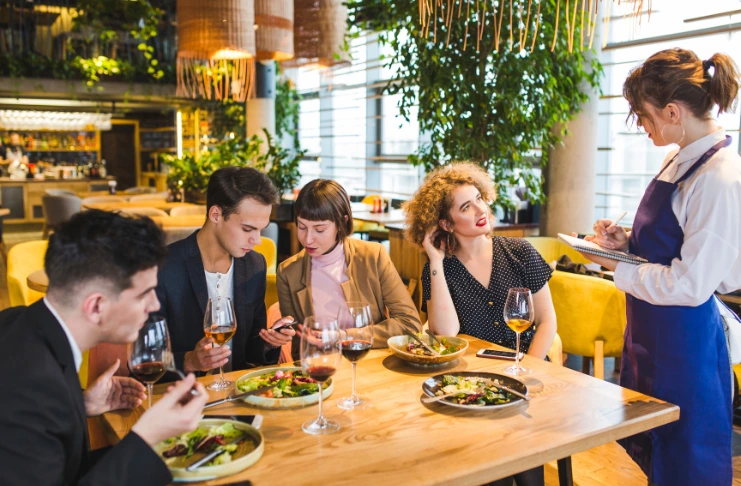
Fine dining has traditionally been the gold standard of culinary excellence, defined by multi-course tasting menus, meticulously plated dishes, polished service, and an atmosphere of refined elegance. For decades, it was an experience designed to be enjoyed exclusively within the confines of a beautifully appointed restaurant, often requiring reservations, formal dress codes, and attentive table service. The focus was on creating an immersive, often theatrical, in-person experience.
However, a notable shift has emerged in recent years, driven largely by evolving consumer behavior. Today’s diners, particularly millennials and Gen Z, prioritize flexibility, personalization, and convenience without compromising on quality. They still value the craftsmanship of a fine meal but increasingly prefer to enjoy it on their own terms, at home, at work, or on the go.
The COVID-19 pandemic significantly accelerated this transition. Lockdowns and dining restrictions compelled even the most prestigious restaurants to explore alternative models, such as gourmet takeaway, luxury meal kits, and premium delivery services. Fine dining establishments were compelled to redefine the boundaries of their service models, embracing technology and innovative packaging to deliver haute cuisine beyond the traditional dining room.
As a result, fine dining is no longer confined to the white-tablecloth setting. It has evolved into a more accessible, hybrid format, where the quality remains uncompromised, but the experience is reimagined to meet modern expectations of ease, comfort, and digital engagement.
Why Fine Dining Restaurants Offer Delivery?
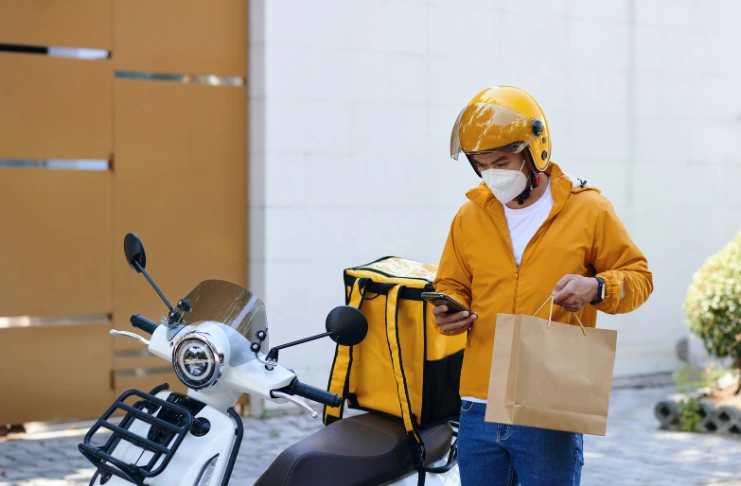
Traditionally, the very idea of delivering foie gras or truffle risotto seemed antithetical to the fine dining experience. But times have changed. Fine dining restaurants offer delivery today due to several key reasons:
- Consumer demand for convenience: Diners want gourmet meals delivered to their homes.
- Revenue diversification: Delivery provides a new income stream, especially during slow seasons or emergencies.
- Competitive pressure: When fast food and casual dining sectors thrive on delivery, fine dining cannot afford to lag behind.
- Innovation in packaging and tech: With the rise of food-safe, insulated containers and third-party delivery apps, quality can be better preserved in transit.
These motivators are helping break down the wall between in-house elegance and off-premise practicality.
What Does the Changing Landscape of Consumer Preferences Look Like?
Consumer preferences are shifting rapidly. Americans prefer delivery orders more frequently than ever. According to a recent report compiled by Escoffier, 57% of American consumers prefer takeout or delivery over dining in at a restaurant. This includes luxury meals. A growing number of consumers want bold flavors and premium experiences without leaving their homes.
Millennials and Gen Z diners, in particular, favor this model. They’re accustomed to on-demand services and are less attached to traditional dining etiquette. Fine dining restaurants tapping into this preference are better positioned for long-term success.
What are Off-Premise Sales and the Growth of Delivery?
Off-premise sales, including delivery, takeout, and meal kits, now account for a significant portion of restaurant revenue.
INDUSTRY INSIGHT
| According to Deloitte’s report (as referenced in a PR Newswire summary of Deloitte’s findings), 61% of consumers order takeout or delivery at least once per week, up from 29% the previous year and 18% before the pandemic. |
This growth is fueled by third-party delivery services like Uber Eats and DoorDash, which make high-end cuisine more accessible to a wider audience. These food delivery apps now feature curated categories for fine dining, complete with chefs’ notes and wine pairings.
What is the Role of Third-Party Delivery Services in Fine Dining?
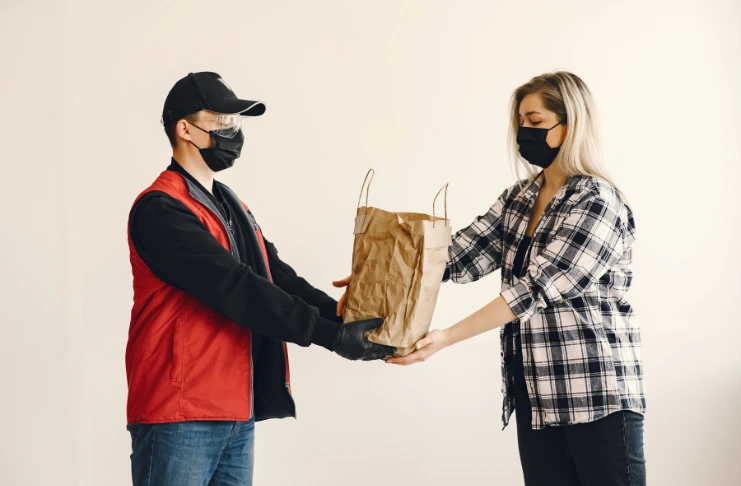
Third-party delivery apps are both a blessing and a burden for upscale restaurants. Here’s how:
Pros:
- Instant access to a large customer base
- Built-in logistics and delivery fleet
- Marketing tools to boost visibility
Cons:
- High fees that eat into profit margins
- Loss of control over food presentation
- Limited customization of the delivery experience.
For this reason, some fine dining establishments are developing their own delivery fleets or partnering with boutique food delivery services that focus on premium hospitality.
How are Delivery Apps Reshaping the Restaurant Industry?
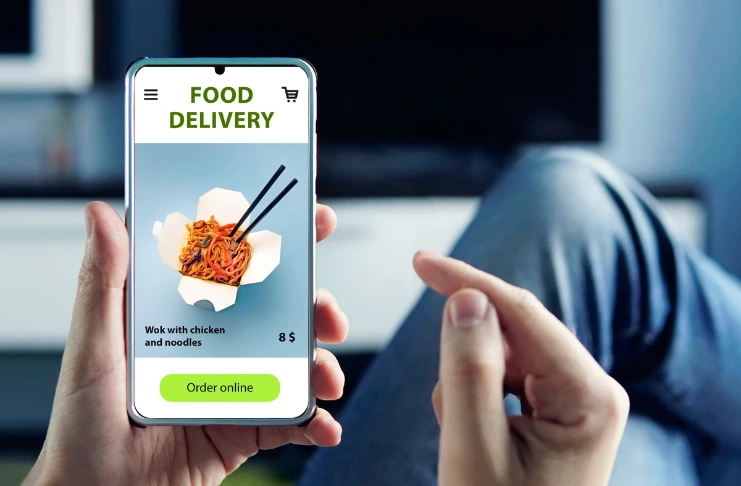
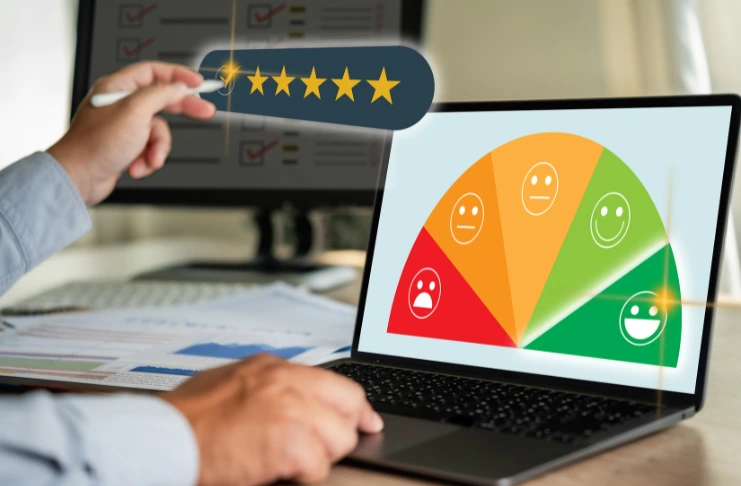
Delivery apps have become critical channels for connecting with customers. Not only do they offer discoverability, but their built-in reviews and ratings create social proof for potential customers.
Restaurants that previously relied on word of mouth and reservations are now adapting their presence to suit delivery platforms. While fast food chains dominate the space, many fine dining restaurants are carving out a niche with elevated offerings.
What are the Key Challenges in Shifting from Dine-In to Delivery?

Transitioning from a dine-in service model to food delivery isn’t as simple as putting meals in boxes. For fine dining restaurants, which are built around ambiance, service precision, and plate presentation, the shift requires a strategic overhaul. Below are the most pressing challenges operators face in this transformation:
- Maintaining food quality: Dishes in fine dining often involve delicate ingredients, intricate textures, and temperature sensitivity. During delivery, heat loss, condensation, and movement can compromise the intended flavors and presentation, diminishing the chef’s vision and ultimately affecting customer experience.
- Packaging concerns: The right packaging must do more than just carry food. It should retain heat, prevent spillage, protect plating integrity, and match the brand’s aesthetic. Yet, premium, sustainable packaging also adds to operational costs and logistical planning.
- Preserving the dining experience: Fine dining is about more than food—it’s about the overall journey, encompassing ambiance, service, and attention to detail. Translating that refined, immersive experience into a living room setting is a considerable challenge that goes beyond taste alone.
- High fees: Third-party delivery platforms, such as Uber Eats or DoorDash, can charge up to 30% in commission per delivery order. For fine dining restaurants with tight margins and higher ingredient costs, these fees can make the delivery channel financially unsustainable.
Despite these challenges, many upscale restaurants are experimenting with meal kits, branded packaging, and direct delivery to preserve brand integrity and profitability.
How to Curate the At-Home Fine Dining Experience?
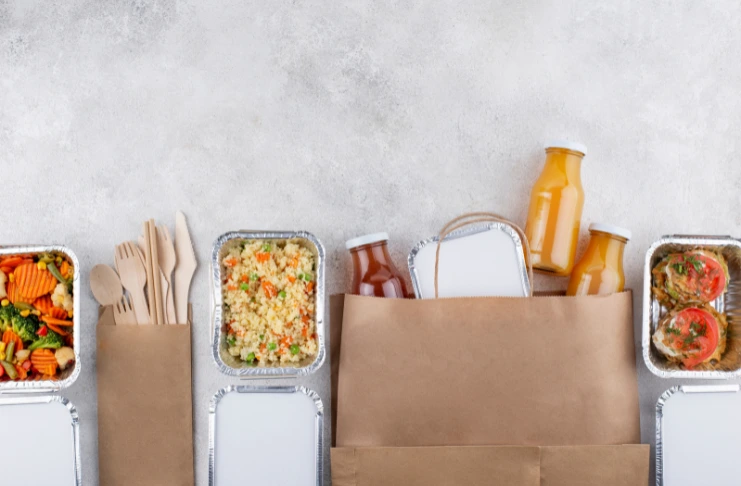
Many fine dining operators are recognizing that to thrive in the delivery landscape, they must go beyond simply transporting food; they need to deliver an experience. Customers who choose fine dining expect more than just a meal; they seek storytelling, ambiance, and a sense of connection. To meet this demand, forward-thinking restaurants are reimagining what off-premise luxury can look like by blending gastronomy with creativity and technology.
- Chef-curated meal kits: These kits include precisely portioned ingredients, recipe cards, and plating instructions that allow guests to recreate the restaurant’s signature dishes at home. Some even include video tutorials from the chef, making dinner an interactive culinary experience.
- Digital sommelier services: Through QR codes or app integrations, guests receive expert wine pairing recommendations tailored to their delivery order. This preserves a key part of the fine dining ritual and elevates the overall experience.
- Luxury packaging: Premium packaging, think embossed boxes, reusable containers, and handwritten notes, enhances perceived value and communicates brand sophistication even before the food is tasted.
- Interactive virtual events: From chef-led Zoom dinners to live cooking classes and virtual wine tastings, these experiences allow restaurants to build intimacy and community with customers beyond the table.
By integrating these elements, fine dining brands can maintain their unique identity and emotional resonance, even in a delivery format.
What is the Importance of Menu Adaptation for Delivery?
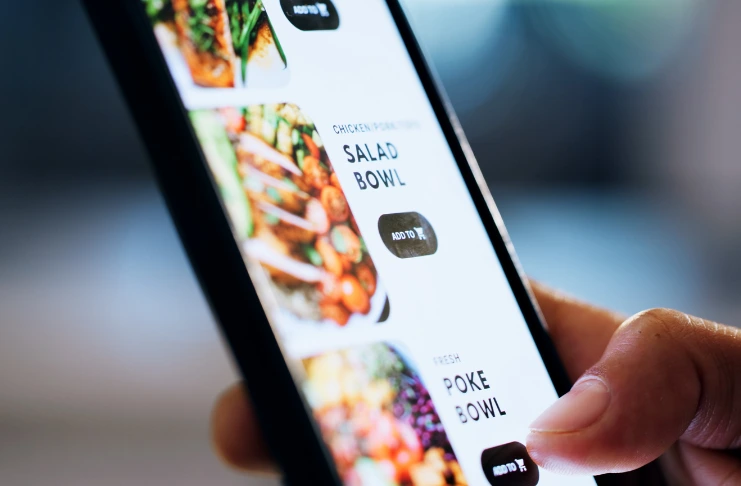
A successful fine dining delivery menu isn’t just about shrinking the dine-in menu; it’s about expanding the options. It requires:
- Selecting items that travel well
- Tweaking recipes to preserve flavor and texture
- Offering exclusive delivery-only items
- Pricing strategically to absorb packaging and delivery fees
Fine dining restaurants are discovering that a dedicated delivery menu can lead to improved consistency and customer satisfaction.
How Do Dining Habits Influence Business Models?
The modern guest wants control, convenience, and choice. Dining habits are less about formality and more about utility. This evolution is pushing restaurants to rethink formats. Ghost kitchens, hybrid models, and delivery-first concepts are all emerging within the fine dining space.
According to McKinsey’s analysis, the global food delivery market has more than tripled in size since 2017, exceeding $150 billion, and has demonstrated exponential growth across multiple regions.
Is Dine-In Still Relevant?
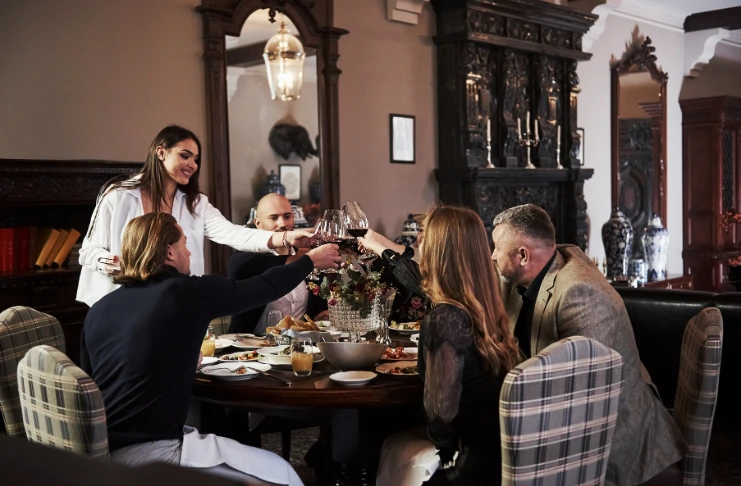
Despite the rise in delivery, dine-in remains at the core of the fine dining identity. There are experiences that cannot be replicated: the ambiance, table-side service, and spontaneous chef interactions.
Upscale restaurants may embrace delivery, but dine-in service offers key advantages:
- Higher average order values
- Greater opportunities for upselling (e.g., alcohol, desserts)
- Deep emotional connections with guests
- Enhanced brand storytelling through design and service
Restaurant owners must find a balance between delivering for scale and maintaining dine-in prestige.
Is A Combination of Ghost Kitchens & Fine Dining Good?
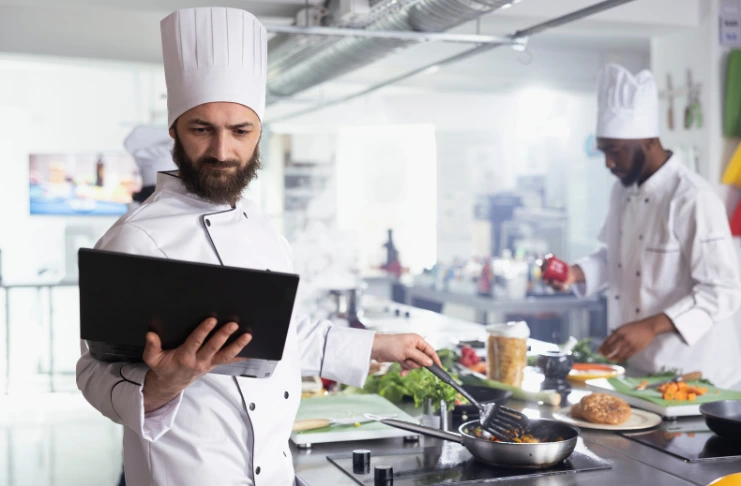
Ghost kitchens, traditionally linked with fast food and casual brands, are now being explored by high-end operators. These cloud-based kitchens offer low overhead, access to multiple delivery platforms, and freedom from the high costs associated with traditional dining locations.
For fine dining, ghost kitchens can:
- Serve as R&D hubs for new concepts
- Reach new markets without opening full-service restaurants
- Experiment with bold flavors and delivery-only menus
However, they must work extra hard to maintain a luxury brand image.
How to do Alcohol Delivery?
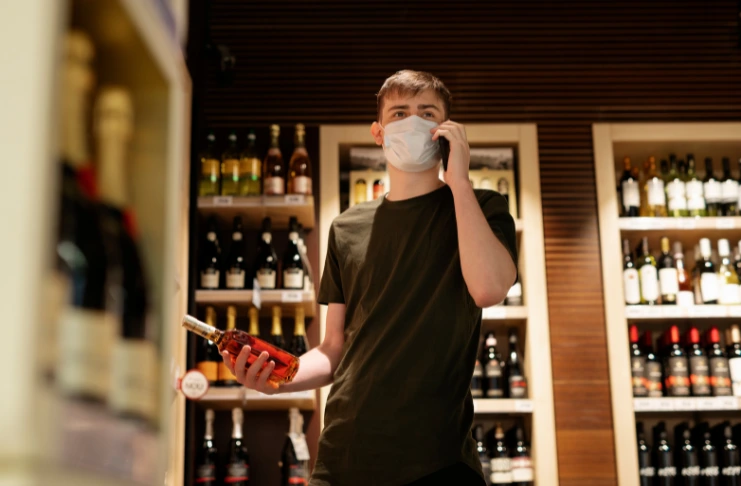
Some states and countries now permit alcohol delivery, opening up new opportunities for upscale restaurants. Wine pairings, bottled cocktails, and curated drink kits can elevate the delivery experience and improve margins.
According to Statista, the United States emerged as the largest market for alcoholic beverage e-commerce in 2023, with revenues forecasted to reach approximately $23.5 billion that year. Fine dining operators can capitalize on this by offering exclusive beverages and expertly curated selections.
Why is Investing in a Premium Delivery Experience Helpful?
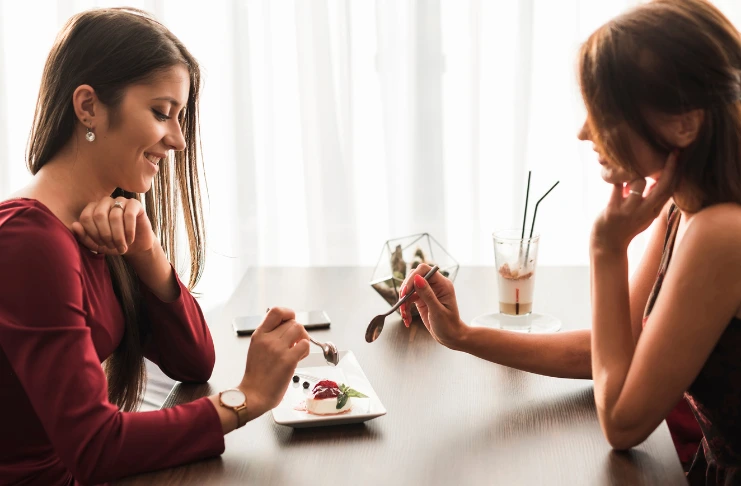
To retain the aura of exclusivity, fine dining restaurants must reimagine delivery as a high-touch service. Steps include:
- Branded packaging and handwritten notes
- Trained delivery staff in uniform
- Timed delivery slots for peak freshness
- Loyalty perks for repeat customers
This builds brand equity and ensures a memorable experience outside the restaurant walls.
How is Designing a Delivery Strategy That Aligns with Brand Values Important?
A successful delivery operation should reflect the brand’s core principles. Whether it’s sustainability, culinary innovation, or hyper-local sourcing, these values must be reflected in packaging, communication, and the product itself.
For example, a fine dining restaurant focused on farm-to-table ingredients can offer seasonal boxes with sourcing stories and cooking tips.
Conclusion
The debate between fine dining restaurant food delivery vs dine-in isn’t about replacing one with the other; it’s about coexistence. Delivery brings reach and revenue, while dine-in establishments uphold prestige and offer a unique experience.
For restaurant operators, embracing both formats thoughtfully ensures resilience and relevance. As consumer preferences evolve and off-premise dining becomes the norm, the most successful fine dining brands will be those that master both art and accessibility.
Frequently Asked Questions
1. What is the difference between food delivery and dining?
Food delivery involves online ordering of meals that are to be eaten off-site, while dining refers to eating within the restaurant premises.
2. What is the rule in a fine dining restaurant?
A fine dining restaurant typically adheres to formal service etiquette, strict dress codes, and high culinary standards.
3. What is the difference between dine in and dining?
Dine-in specifically refers to eating at a restaurant, whereas dining is a broader term that encompasses the act of eating a meal, whether at a restaurant or elsewhere.
4. What is the difference between dining and fine dining?
Dining is any form of eating a meal, while fine dining implies a premium experience with upscale service, ambiance, and cuisine.
5. How much do restaurants pay for delivery?
Restaurants often pay 15–30% in commission fees to third-party services, such as delivery platforms like Uber Eats or DoorDash.
6. Why do people pay so much for fine dining?
People pay more for fine dining due to the exceptional food quality, personalized service, luxurious setting, and overall experience.
7. Are delivery only restaurants profitable?
Yes, delivery-only restaurants, also known as ghost kitchens, can be profitable due to their lower overhead costs and high demand for delivery.
8. Why do people pay for food delivery?
People pay for food delivery for the convenience, time savings, and access to a variety of restaurant options at home.