



Running a restaurant in India requires more than just great food and ambiance. You need to earn the trust of your customers through compliance with food safety laws. One of the most critical requirements is securing an FSSAI license for restaurant operations. Whether you’re a food truck operator, a cloud kitchen entrepreneur, or running a fine-dining restaurant, registration with the Food Safety and Standards Authority of India (FSSAI) is mandatory.
This comprehensive guide will walk you through how to register an FSSAI license for a restaurant, eligibility criteria, documents required, the FSSAI registration process for food businesses, and the compliance guidelines to run your venture legally and confidently in India.
What is FSSAI and Why Does It Matter?

The Food Safety and Standards Authority of India (FSSAI) is the apex regulatory body that oversees food safety, hygiene, and quality standards in the country. It was established under the Food Safety and Standards Act, 2006, to ensure that food products consumed in India meet stringent safety regulations.
INDUSTRY INSIGHT
| The global online food delivery market is projected to grow from USD 288.8 billion in 2024 to USD 505.5 billion by 2030, a CAGR of about 9.4% |
This expansion has brought increased regulatory scrutiny and the need for standardized food safety practices. Every restaurant owner must understand that food safety compliance directly impacts customer health, business reputation, and legal standing.
FSSAI operates as a science-based organization that sets food safety standards and regulates the manufacture, storage, distribution, sale, and import of food products. The authority works closely with state governments, local bodies, and industry stakeholders to create a robust food safety ecosystem.
The importance of FSSAI extends beyond regulatory compliance. In today’s competitive market, customers are increasingly conscious about food safety and quality. A visible FSSAI license acts as a trust signal, assuring customers that your restaurant follows established safety protocols. Moreover, food delivery platforms like Zomato and Swiggy now mandate FSSAI registration for all partner restaurants, making it essential for digital business growth.
Who Are Food Business Operators (FBOs)?

Food business operators (FBOs) include any individual or entity involved in the preparation, manufacturing, processing, packaging, storage, transportation, distribution, or retail of food items. The definition is deliberately broad to ensure comprehensive coverage of the food supply chain.
The scope of FBOs includes:
Restaurants and cafés – From small neighborhood eateries to upscale dining establishments, all establishments serving prepared food to customers fall under this category.
Food trucks – Mobile food vendors operating from trucks, carts, or temporary setups at events and public spaces.
Cloud kitchens – Online-only restaurants that operate without physical dining spaces, serving customers exclusively through delivery platforms.
Caterers – Businesses providing food services for events, corporate functions, weddings, and other gatherings.
Food vending agencies – Street vendors, kiosk operators, and temporary food stalls at markets or events.
Juice shops – Establishments primarily serving fresh juices, smoothies, and related beverages.
Dairy and meat processing units – Facilities involved in processing, packaging, and distributing dairy products and meat items.
Understanding your classification as an FBO is crucial because it determines the type of license required, compliance obligations, and regulatory oversight you’ll face. The FSSAI framework ensures that regardless of your business size or type, food safety remains paramount.
What are the Different Types of FSSAI License for Restaurants?

The FSSAI has structured its licensing system into three distinct categories based on business scale, annual turnover, and operational complexity. This tiered approach ensures that regulatory requirements are proportionate to business size while maintaining consistent safety standards.
1. Basic FSSAI Registration
This entry-level registration is designed for small retailers or small food operators with minimal processing requirements. Basic registration covers businesses with an annual turnover of up to Rs. 12 lakhs.
Ideal for:
- Juice shops and beverage stalls
- Small canteens in offices or schools
- Food stalls at local markets
- Home-based food businesses
- Roadside vendors with permanent locations
Basic registration offers a simplified process with minimal documentation requirements, making it accessible for small-scale entrepreneurs entering the food business.
2. State FSSAI License
The state license category covers mid-sized businesses with annual turnover between Rs. 12 lakhs and Rs. 20 crores. These businesses typically operate within a single state and have moderate processing capabilities.
Ideal for:
- Standalone restaurants and cafés
- Cloud kitchens serving local markets
- Cold storage and warehousing units
- Medium-scale catering operations
- Regional restaurant chains (within one state)
State license requirements are more comprehensive than basic registration, including detailed documentation about food handling processes, staff training, and facility standards.
3. Central FSSAI License
Central licensing is reserved for large-scale operations with annual turnover exceeding Rs. 20 crores or businesses operating across multiple states. This category also includes specific business types regardless of turnover.
Ideal for:
- Large restaurant chains and franchises
- Merchant exporters and importers
- Vegetable oil processing units
- Companies manufacturing health supplements
- E-commerce platforms selling food products
Central license applications undergo rigorous scrutiny, including detailed facility inspections, comprehensive documentation reviews, and ongoing compliance monitoring.
What is the Eligibility Criteria for FSSAI License?

Understanding eligibility criteria is essential for selecting the appropriate license category and ensuring smooth application processing.
Basic registration eligibility:
- Petty food business operators
- Roadside vendors with established locations
- Temporary stallholders at events or markets
- Annual turnover not exceeding Rs. 12 lakhs
- Single-location operations
State license eligibility:
- Food premises operating within a single state
- Medium-scale food preparation units
- Businesses with annual turnover between Rs. 12 lakhs and Rs. 20 crores
- Operations involving moderate food processing
- Regional distribution networks
Central license eligibility:
- Large manufacturers with multi-state operations
- Import/export businesses dealing with food products
- Health supplement manufacturers
- E-commerce platforms facilitating food sales
- Companies with an annual turnover exceeding Rs. 20 crores
Certain business types require central licensing regardless of turnover, including milk and milk product units with capacity exceeding 50,000 liters per day, slaughter houses with capacity over 150 large animals or 1,000 small animals per day, and solvent extraction units.
What are the Documents Required for FSSAI License Registration?

Document preparation is crucial for smooth application processing. The required documents vary based on license type and business complexity.
Basic FSSAI Registration
The documentation for basic registration is straightforward and includes:
Photo ID and address proof – Valid government-issued identification documents like Aadhaar card, passport, or voter ID for the business owner.
Rental agreement or ownership proof – Documentation establishing legal right to operate from the business premises.
Food category details – Information about the types of food products you’ll handle, prepare, or sell.
Contact details – Complete contact information including mobile number, email address, and business address.
State and Central License
More comprehensive documentation is required for state and central licenses:
Form B signed by authorized signatory – Official application form completed and signed by the legally authorized person.
Blueprint of kitchen layout – Detailed architectural drawings showing kitchen design, equipment placement, and workflow patterns.
List of food products or raw materials handled – Comprehensive inventory of all food items, ingredients, and processing materials.
Proof of annual turnover – Financial documents demonstrating business scale and revenue generation.
Food safety management system plan – Detailed procedures for maintaining food safety standards, including HACCP implementation where applicable.
NOC from state government or local body – No objection certificate from the relevant local authorities.
Water test report – Laboratory analysis confirming water quality meets prescribed standards.
Medical fitness certificates for food handlers – Health certificates for all staff involved in food preparation and handling.
Proof of identity, GST registration, trade license – Complete set of business registration documents.
What is the Step-by-Step FSSAI Registration Process for Food Business?

The FSSAI registration process has been streamlined through digital platforms, making it more accessible and efficient for applicants.
Step 1: Identify License Type
Carefully assess your business operations, annual turnover, and geographical scope to determine the appropriate license category. This decision impacts documentation requirements, processing time, and compliance obligations.
Consider factors such as:
- Current and projected annual turnover
- Number of states where you operate
- Types of food processing activities
- Customer base and distribution channels
Step 2: Apply Online via FoSCoS
Visit the official Food Safety Compliance System (FoSCoS) portal at https://foscos.fssai.gov.in and create your Food Business Operator (FBO) account. The portal provides a user-friendly interface for application submission, document upload, and status tracking.
The online system offers several advantages:
- 24/7 application submission capability
- Real-time status updates
- Secure document storage
- Automated fee calculation
- Integration with payment gateways
Step 3: Upload Required Documents
Prepare all documents in scanned PDF format with clear, legible text. Ensure file sizes comply with portal requirements and document quality meets FSSAI standards.
Document submission tips:
- Use high-resolution scans
- Maintain consistent naming conventions
- Verify all information is current and accurate
- Keep backup copies of all submitted documents
Step 4: Pay the Applicable Fee
The license fee structure varies based on license type and duration. Payment can be made online through the FoSCoS portal using various methods, including net banking, credit cards, and digital wallets.
One-year license fees range from Rs. 100 to Rs. 7,500, depending on the license type. Multi-year options are available at discounted rates for state and central licenses.
Step 5: Verification and Inspection
Following application submission, FSSAI authorities may conduct physical inspections to verify compliance with safety and hygiene standards. Inspection scope includes:
- Facility cleanliness and layout
- Equipment condition and maintenance
- Staff hygiene practices
- Storage and handling procedures
- Documentation and record-keeping
Prepare for inspections by ensuring all facilities meet prescribed standards and staff are trained on proper protocols.
Step 6: License Issuance
Upon successful verification, your FSSAI license or registration certificate will be issued within 7–30 days. The license includes a unique 14-digit license number that must be displayed prominently at your business premises.
What are the FSSAI Guidelines for Restaurants?

Compliance with FSSAI guidelines is mandatory for all licensed food businesses. These guidelines cover operational procedures, hygiene standards, and documentation requirements.
Operational Guidelines
Maintain cleanliness and personal hygiene among staff – Implement comprehensive hygiene protocols including regular handwashing, appropriate clothing, and health monitoring.
Use clean utensils and verified food ingredients – Ensure all equipment is properly sanitized and ingredients are sourced from verified suppliers.
Ensure proper food handling practices – Follow prescribed procedures for food preparation, cooking, cooling, and storage to prevent contamination.
Label all food containers and packaging – Clearly identify contents, preparation dates, and storage requirements for all food items.
Implement pest control and waste disposal – Maintain effective pest management systems and proper waste disposal procedures.
Display the FSSAI logo and license number – Prominently show your license information at the business premises and on packaging materials.
Additional Compliance Requirements
Regular staff training programs ensure consistent implementation of food safety protocols. Maintain detailed records of supplier certifications, cleaning schedules, temperature logs, and staff health monitoring.
Establish clear procedures for handling customer complaints related to food safety and maintain incident reporting systems. Regular internal audits help identify compliance gaps and implement corrective measures.
What is the Validity and Renewal Process of FSSAI License?

FSSAI licenses are issued for specific periods ranging from 1 to 5 years, depending on the license type and applicant preference. Understanding renewal requirements is crucial for maintaining continuous compliance.
Renewal Process
License renewal must be initiated at least 30 days before the expiry date through the FoSCoS portal. The renewal process involves:
- Updating business information and contact details
- Submitting current financial documents
- Paying renewal fees
- Addressing any compliance issues from the previous term
Consequences of Late Renewal
Late renewal attracts penalties of Rs. 100 per day from the expiry date. Extended delays may result in license suspension or cancellation, requiring fresh application submission.
Maintain renewal calendars and set up reminder systems to ensure timely renewal processing. Consider opting for longer-term licenses to reduce administrative burden and ensure continuous compliance.
How Much Does an FSSAI License Cost?
The cost structure for FSSAI licenses is designed to be affordable while supporting the regulatory framework’s operational requirements.
| License Type | Cost per Year |
| Basic Registration | Rs. 100 |
| State License | Rs. 2,000–5,000 |
| Central License | Rs. 7,500 |
Additional fees may apply based on the business nature, inspection requirements, and amendment requests. Multi-year licenses offer cost savings through discounted rates.
Consider the total cost of compliance, including documentation, inspection preparation, and ongoing maintenance, when budgeting for FSSAI registration.
What is the FSSAI License for Special Food Businesses?
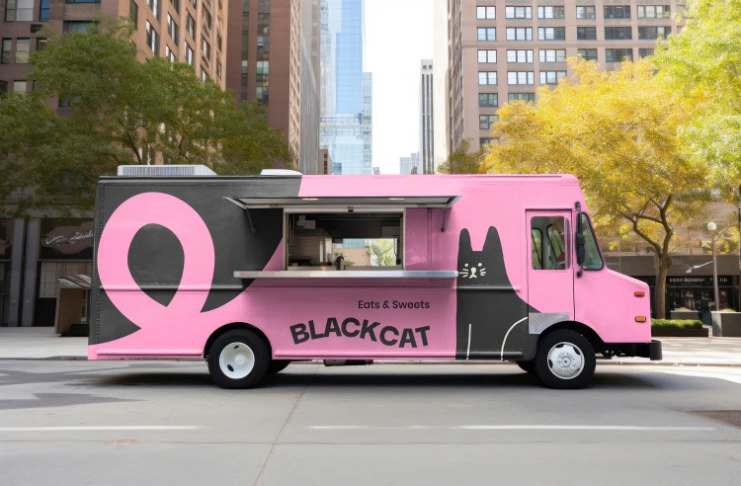
Different types of food businesses have specific requirements and considerations within the FSSAI framework.
Food Trucks
Mobile food operations require separate licenses for each unit and must address unique challenges, including:
- Sanitation in mobile environments
- Transportation hygiene protocols
- Location-specific permits
- Water and power supply arrangements
Juice Shops & Food Vending Agencies
These businesses must demonstrate:
- Clean water supply, proof, and regular testing
- Temperature control procedures for perishable items
- Raw produce handling and storage protocols
- Waste management in high-traffic locations
Catering Services
Catering operations must follow specialized protocols, including:
- Food transportation in insulated containers
- Maintenance of food logs and temperature records
- Event-specific health and safety procedures
- Scalable hygiene systems for varying order volumes
Cloud Kitchens & Online Aggregators
Digital food businesses must comply with additional requirements:
- License display on platforms like Zomato and Swiggy
- Integration with delivery partner compliance systems
- Digital record-keeping and reporting
- Customer complaint handling procedures
Since April 2023, FSSAI has initiated 1,411 prosecution cases against food business operators, including online and delivery-based businesses, for violations like operating without a valid license or selling unsafe food products
Novel Foods
Businesses dealing with specialized products require additional approvals:
- Fortified foods and nutraceuticals
- Health supplements and functional foods
- International and exotic food products
- Genetically modified or novel ingredients
How to Track FSSAI Registration Status?

The FoSCoS portal provides comprehensive tracking capabilities for all applications. Use your reference ID to monitor application progress, view inspection schedules, and access issued licenses.
Regular status checks help identify potential delays and allow proactive resolution of documentation issues. The system also sends automated notifications for key milestones and renewal reminders.
What If You Don’t Get an FSSAI License?
Operating without proper FSSAI licensing carries serious legal and business consequences. Legal penalties include:
- Fines up to Rs. 5 lakhs
- Imprisonment for up to 6 months
- License revocation or business shutdown
- Criminal prosecution for serious violations
Business impact includes:
- Exclusion from food delivery platforms
- Customer trust and reputation damage
- Inability to scale operations
- Limited access to business financing
An NRAI report pointed out that out of 24.9 lakh food business operators, only 4.67 lakh (~19%) had valid FSSAI licenses, meaning roughly 80% remained unlicensed.
What are the Legal and Business Benefits of FSSAI License?

Proper FSSAI licensing provides numerous advantages beyond regulatory compliance:
Customer trust and market access: Licensed establishments build stronger customer relationships and gain access to premium market segments.
Business expansion opportunities: Valid licensing enables geographic expansion and partnership opportunities with established brands.
Financial benefits: Licensed businesses have better access to loans, investors, and government schemes supporting food sector development.
Operational efficiency: Compliance frameworks improve operational standards and reduce long-term costs through better resource management.
Digital platform access: Mandatory licensing for online food platforms ensures participation in the rapidly growing digital food economy.
Conclusion
Getting an FSSAI license for restaurant operations represents a fundamental business requirement in India’s evolving food service landscape. The licensing process ensures food safety, protects public health, and creates a level playing field for all food businesses.
With increasing regulatory scrutiny, digital enforcement capabilities, and consumer awareness, compliance has become essential for sustainable business growth. The investment in proper licensing and ongoing compliance delivers returns through enhanced customer trust, expanded market access, and operational efficiency.
Whether you’re operating a small juice kiosk or managing a multi-state restaurant chain, FSSAI compliance forms the foundation of successful food business operations. Take the necessary steps to secure your license, implement prescribed guidelines, and build a business that serves customers with confidence and legal certainty.
The food industry’s future belongs to businesses that prioritize safety, quality, and compliance. Start your FSSAI registration journey today and position your restaurant for long-term success in India’s dynamic food service market.
Frequently Asked Questions
1. Which license is required for restaurant in India?
A restaurant in India typically requires a State FSSAI License if the annual turnover is between ₹12 lakhs and ₹20 crores.
2. How do I get an FSSAI license?
You can apply online via the FoSCoS portal (https://foscos.fssai.gov.in) by submitting the required documents and paying the applicable fee.
3. What is the minimum turnover for FSSAI license?
The minimum turnover to require an FSSAI license is above ₹12 lakhs; below that, Basic Registration is sufficient.
4. How do I get an FSSAI license?
Visit foscos.fssai.gov.in, choose your license type, upload documents, pay the fee, and await approval.
5. How to register a food business in India?
Register your food business on the FoSCoS portal, choose the correct license, submit documents, and comply with FSSAI guidelines.


