

The restaurant industry has witnessed a revolutionary shift with the emergence of ghost kitchens, fundamentally changing how food businesses operate and expand. Ghost kitchen expansion strategies have become essential for restaurant owners looking to capitalize on the growing delivery market without the overhead costs of traditional restaurant locations. These virtual restaurants operate exclusively through delivery platforms, eliminating the need for front-of-house staff and physical dining spaces.
Understanding the ghost kitchen business model is crucial for successful expansion. Unlike brick-and-mortar restaurants that rely on foot traffic and dine-in customers, ghost kitchens focus entirely on delivery orders through third-party delivery apps. This model allows restaurant brands to reach new customers across multiple locations while maintaining lower operational costs and streamlined operations.
The ghost kitchen concept has proven particularly effective for existing restaurants looking to expand their delivery radius without investing in new physical locations. By leveraging commercial kitchen spaces and focusing on efficient workflows, restaurant businesses can test new virtual brands and menu offerings in different markets with minimal risk.
Understanding the Ghost Kitchen Business Model

Mastering ghost kitchen operations requires efficient workflows, technology integration, and revenue-focused strategies to maximize profitability and customer satisfaction.
Core Components of Ghost Kitchen Operations
Ghost kitchen operations succeed when operators focus on the most important aspects of the model. The core factors that drive efficiency and profitability are:
- Optimizing kitchen space to support multiple virtual brands
- Integrating delivery platforms with seamless order management
- Reducing overhead costs by eliminating traditional front of house needs
By focusing on these strategies, restaurant owners can maintain food quality, expand revenue streams, and achieve lasting growth in the delivery-first market.
Revenue Streams and Profitability Factors
Ghost kitchens rely on a delivery-focused model that maximizes profitability, and the highest-performing kitchens report profit margins ranging from 10% to 30%, with an average of 15%. The main drivers behind their revenue growth are:
- Leveraging third-party apps like Uber Eats and other online ordering platforms
- Avoiding expenses tied to table service, dining room upkeep, and heavy staffing
- Maintaining higher profit margins through delivery-only operations
Profitability comes from more than just saving on costs. Operators boost success by offering high-margin menu items, building partnerships with delivery platforms, and creating strong customer loyalty.
Technology Infrastructure Requirements
Modern ghost kitchen success is built on advanced technology that keeps operations running smoothly. The essential elements of this system include:
- Order management tools that sync with multiple delivery platforms
- Seamless integration with kitchen workflows for accurate food preparation
- Systems that coordinate delivery drivers, track inventory, and capture feedback
Digital platforms play a critical role as the customer’s main point of contact, so user-friendly ordering and strong tech infrastructure are key to sustaining efficiency and service quality during peak demand.
Market Research and Location Analysis

Identifying target markets and analyzing competition helps ghost kitchen operators select ideal locations and capture high-demand delivery customers efficiently.
Identifying Target Markets
Effective ghost kitchen expansion strategies start with in-depth market research to guide decision-making. The most important steps include:
- Analyzing target demographics that rely heavily on delivery apps
- Identifying local food preferences and evaluating competitive offerings
- Matching virtual restaurant concepts with market demand
Strong market research also looks at delivery volumes, cuisine trends, and gaps in the food delivery landscape. By studying data from third party apps, operators can spot underserved areas with high potential for ghost kitchen growth.
Location Selection Criteria
Selecting the right location is a critical step in ghost kitchen operations. The main factors to evaluate include:
- Balancing rent costs with proximity to target customers
- Ensuring delivery drivers have easy access to high-demand areas
- Leveraging commercial or industrial spaces for affordable kitchen setups
Operators also need to account for zoning laws, permits, and food preparation regulations. By addressing these requirements early, ghost kitchens can avoid costly delays and position themselves for smooth expansion.
Competitive Landscape Assessment
Thorough competitive analysis is essential for successful ghost kitchen expansion strategies. Key aspects to focus on include:
- Reviewing other restaurant brands to understand pricing, menus, and service quality
- Analyzing both traditional restaurants and existing ghost kitchen operators
- Identifying gaps in the market to spot potential opportunities
As of 2024, the U.S. had over 7,600 ghost kitchen businesses, growing at a rate of nearly 1.9% annually since 2019. This rising competition highlights why differentiation and innovation are critical for sustained success.
By understanding competitors’ strengths and weaknesses, operators can design menus and marketing strategies that differentiate their virtual brands and attract customers looking for new dining options.
Menu Development and Optimization

Designing delivery-friendly menus, multi-brand strategies, and competitive pricing are essential ghost kitchen expansion strategies to boost revenue and efficiency.
Designing Delivery-Friendly Menus
Creating an effective ghost kitchen menu is key to maintaining food quality and customer satisfaction. The main points to consider are:
- Selecting menu items that stay fresh and appealing during delivery
- Focusing on quick-to-prepare dishes for peak hours without compromising quality
- Using packaging that preserves food and enhances the customer experience
By designing menus around takeout-friendly items and streamlined operations, ghost kitchens can boost efficiency, reduce waste, and encourage repeat business.
INDUSTRY INSIGHT
| According to a DoorDash Merchant survey, 51% of U.S. consumers consider ordering delivery and takeout an essential part of their lifestyle, with the habit being even more pronounced among younger demographics, wherein 67% of Gen Z and 64% of Millennials said the same. |
Multi-Brand Strategy Implementation
Running multiple virtual brands from one commercial kitchen can significantly boost revenue and reach new customers. Key strategies include:
- Giving each virtual restaurant a unique identity, menu, and target audience
- Testing different concepts to scale successful brands and phase out underperforming ones
- Avoiding brand confusion and market overlap through clear positioning
Efficient multi-brand operations rely on well-planned workflows and shared ingredients to cut costs while maintaining distinct experiences for each virtual brand.
Pricing Strategy Development
Competitive pricing is crucial for ghost kitchen success and long-term profitability. Effective pricing strategies focus on:
- Balancing profitability with market positioning and customer value perception
- Accounting for delivery fees, platform commissions, and packaging costs
- Using dynamic pricing to optimize revenue during peak and slow periods
Value-based and promotional pricing also help attract new customers, increase average order values, and strengthen loyalty for sustained growth in the delivery market.
Technology Integration and Operations

Advanced kitchen management, delivery platform integration, and optimized order fulfillment are crucial ghost kitchen operations strategies for efficiency and growth.
Kitchen Management Systems
Advanced kitchen management technology is essential for efficient ghost kitchen operations. The main benefits of these systems include:
- Coordinating orders from multiple delivery platforms into unified workflows
- Optimizing food preparation timing to ensure hot, fresh meals consistently
- Integrating with inventory management to prevent stockouts and reduce waste
By providing real-time visibility into orders and preparation, these systems help maintain efficient workflows and consistent quality across multiple virtual brands in the same commercial kitchen.
Delivery Platform Integration
Successful ghost kitchen expansion relies on effective integration with major delivery platforms. Key strategies include:
- Optimizing menu presentation, pricing, and promotions for Uber Eats, DoorDash, and Grubhub
- Maintaining consistent brand representation to build recognition and customer trust
- Monitoring performance metrics and adjusting availability based on kitchen capacity
Strong platform management also includes responding quickly to customer feedback and leveraging relationships with platform representatives to access promotional opportunities and boost visibility.
Order Fulfillment Optimization
Efficient order management is critical for ghost kitchen success and timely deliveries. Key practices include:
- Routing orders seamlessly through kitchen operations to meet delivery timeframes
- Using automated systems to reduce errors and ensure accurate preparation of complex orders
- Integrating with delivery services to coordinate pickup timing and minimize driver wait times
Scalable order management systems and predictive analytics also help ghost kitchens handle peak hours effectively while maintaining consistent service quality and customer satisfaction.
Marketing and Customer Acquisition

Digital marketing, platform-specific promotions, and customer retention strategies are essential ghost kitchen growth tactics for attracting and keeping loyal customers.
Digital Marketing Strategies
Ghost kitchen marketing depends on strong digital strategies to attract and retain customers. Key approaches include:
- Leveraging social media, SEO, and online advertising to boost brand awareness
- Using content marketing to showcase food quality and behind-the-scenes operations
- Engaging email marketing and CRM systems to nurture existing customer relationships
Loyalty programs and personalized promotions also help increase repeat orders, enhance customer lifetime value, and reduce overall acquisition costs for ghost kitchen operators.
Platform-Specific Marketing
Ghost kitchen growth benefits from leveraging the marketing tools offered by each delivery platform. Key tactics include:
- Using featured placement, promotional pricing, and exclusive deals to attract new customers
- Understanding platform algorithms and ranking factors to optimize listing performance
- Tailoring menu descriptions and photos to appeal to each platform’s user base
Regular participation in promotions and maintaining high ratings also enhances visibility, builds customer trust, and drives higher order volumes across all delivery platforms.
Customer Retention Strategies
Building a loyal customer base is essential for long-term ghost kitchen success. Key practices include:
- Ensuring consistent food quality, reliable service, and attentive customer support
- Monitoring feedback to identify improvements and address delivery or quality issues
- Using personalized marketing to match customer preferences and ordering patterns
Exclusive offers, referral programs, and rewards for frequent customers also strengthen loyalty while attracting new diners to the virtual brand.
Operational Excellence and Quality Control
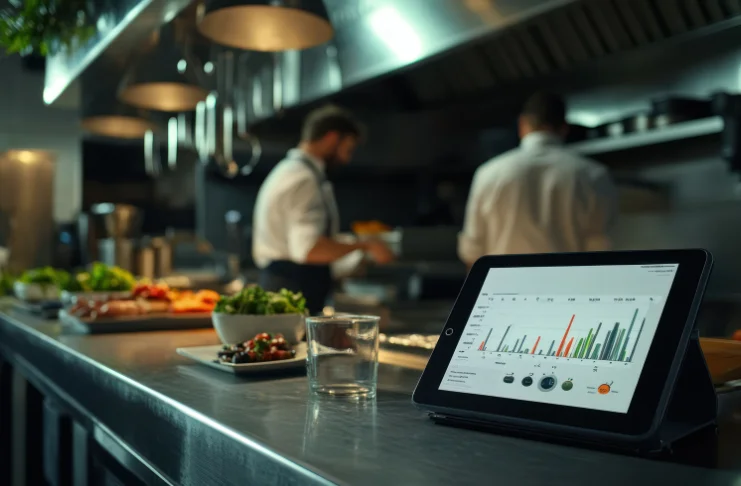
Ensuring consistent food quality, well-trained staff, and efficient supply chains are essential ghost kitchen operations strategies for success and customer satisfaction.
Food Safety and Quality Management
Maintaining consistent food quality is crucial for successful ghost kitchen operations. Key measures include:
- Implementing strict quality control processes and thorough staff training
- Ensuring temperature control during preparation and packaging for safety and satisfaction
- Conducting regular audits and monitoring customer feedback to catch issues early
Adhering to food safety protocols and maintaining proper documentation also ensures compliance with health regulations while supporting ongoing improvement initiatives.
Staff Training and Management
Well-trained staff are essential for smooth and efficient ghost kitchen operations. Key components of effective staffing include:
- Providing training on food safety, quality standards, and efficient preparation techniques
- Cross-training employees on multiple menu items to maintain flexibility during peak hours
- Using performance management systems to track productivity, accuracy, and service quality
Ongoing training and updates on new menu items and customer service practices also ensure consistent operations and high-quality experiences across all virtual brands.
Supply Chain Management
Reliable supply chain management is vital for maintaining consistent food quality in ghost kitchen operations. Key strategies include:
- Building vendor partnerships that ensure competitive pricing, timely deliveries, and quality guarantees
- Using inventory management systems to optimize ordering, reduce waste, and prevent stockouts
- Incorporating local sourcing to lower costs, ensure freshness, and support community relationships
Establishing backup supplier relationships also provides security against disruptions, helping ghost kitchens maintain smooth operations and customer satisfaction.
Financial Planning and Investment

Strategic financial planning, accurate projections, and smart funding options are essential ghost kitchen expansion strategies for sustainable growth and profitability.
Startup Cost Analysis
Successful ghost kitchen expansion depends on strategic financial preparation to support growth. Essential elements to address are:
- Budgeting for commercial kitchen setup, equipment, and licensing requirements
- Factoring in initial inventory, packaging supplies, and marketing costs
- Accounting for franchise fees or licensing expenses when partnering with established brands
Having sufficient working capital also allows operators to build a strong customer base and achieve profitable order volumes in the early stages.
Revenue Projections and Scaling
Accurate financial projections are crucial for planning sustainable ghost kitchen growth. Important steps to consider are:
- Basing projections on realistic order volumes, average ticket sizes, and market penetration rates
- Balancing scaling ambitions with operational capacity and available financial resources
- Ensuring sufficient capital and management systems when expanding to multiple locations
Conducting break-even and sensitivity analyses also helps operators understand profitability thresholds and assess how key factors like delivery fees, labor costs, and order values affect financial performance.
Funding Options and Investment Strategy
Funding is a critical component of successful ghost kitchen expansion. Effective approaches include:
- Using traditional bank loans, investor partnerships, or equipment financing to support growth
- Leveraging equipment leasing to lower upfront capital needs while accessing professional-grade kitchen tools
- Aligning funding strategies with the business’s growth timeline and risk tolerance
Staged expansion plans also help operators validate their concept and minimize financial risk before making large capital commitments.
Scaling and Multi-Location Management

Standardized operations, strong management, and strategic market targeting are crucial ghost kitchen expansion strategies for consistent quality and scalable growth.
Standardization and Quality Control
Consistency is key when expanding ghost kitchens to multiple locations. Essential strategies involve:
- Implementing standardized operating procedures, training programs, and quality control systems
- Conducting regular audits and performance monitoring to maintain brand standards
- Using technology for centralized visibility into operations across all sites
Standardized recipes, portion controls, and preparation methods also ensure customers enjoy the same high-quality experience at every location.
Team Development and Management
Effective leadership is essential for scaling ghost kitchen operations across multiple locations. Critical approaches include:
- Developing management teams through leadership programs and clear advancement paths
- Establishing regional management structures to provide local oversight while upholding corporate standards
- Implementing performance measurement systems to track metrics and recognize top performers
Regular communication and sharing of best practices also help all locations adopt successful innovations and maintain operational excellence.
Growth Strategy Implementation
Targeting the right markets is essential for successful ghost kitchen expansion. Effective approaches involve:
- Prioritizing areas with high delivery demand and favorable competition
- Using phased rollouts to manage resources while building operational expertise
- Conducting market tests to validate demand before committing to long-term leases and equipment
Clustering new locations and considering logistics, supply chain efficiency, and management oversight also help maximize operational efficiencies and overall profitability.
Conclusion
Ghost kitchen expansion strategies provide restaurant owners with a powerful way to grow their restaurant business while meeting the rising demand for food delivery services. By leveraging the ghost kitchen concept, operators can scale multiple virtual brands from a single commercial kitchen, reducing overhead costs compared to traditional brick and mortar locations. Efficient workflows, robust digital marketing strategies, and seamless integration with delivery platforms like Uber Eats and other third-party apps ensure consistent food quality and timely delivery, which enhances customer satisfaction.
Successful ghost kitchen operations depend on optimizing ghost kitchen menus, maintaining high standards across all virtual restaurant offerings, and using data-driven insights to refine menu items and streamline operations. Targeting delivery-friendly areas, understanding customer preferences, and building loyalty through repeat business allow ghost kitchen operators to attract new customers while retaining existing ones. With careful planning and operational excellence, the ghost kitchen model can deliver sustainable growth, multiple locations, and a competitive edge in the growing food industry.
Frequently Asked Questions
1. Are ghost kitchens profitable in 2025?
With lower overhead and a delivery-focused model, ghost kitchens can achieve strong profitability in 2025 when operations and marketing are optimized.
2. What is the failure rate of a ghost kitchen?
While failure rates vary, ghost kitchens with poor location selection or weak operational systems face a higher risk compared to well-managed virtual restaurants.
3. How to promote a ghost kitchen?
Promoting a ghost kitchen effectively combines digital marketing, social media engagement, delivery platform optimization, and loyalty programs to attract new customers.
4. Why are ghost kitchens struggling?
Ghost kitchens struggle when there is inconsistent food quality, poor location strategy, or limited integration with delivery platforms and marketing efforts.