
Food cost calculation can make or break your restaurant business. You need exact numbers to stay profitable, especially in the UAE’s competitive restaurant industry, where margins are tight and customer expectations run high.
Your food cost percentage directly impacts your bottom line. Get it wrong, and you’ll watch profits disappear faster than a busy lunch rush. Get it right, and you’ll build a sustainable restaurant business that thrives in the UAE market.
This guide walks you through how to calculate food cost in UAE. You’ll learn the essential formulas, discover practical cost control strategies, and understand how to price your menu items for maximum profitability.
What is Food Cost and Why Does It Matter for Restaurant Owners?
Food cost represents the total money you spend on ingredients to prepare your dishes. It includes everything from fresh produce to spices, oils, and garnishes. Restaurant owners track this metric because it’s usually their largest expense after labor costs.
Your food cost percentage indicates the proportion of your revenue allocated to ingredients. The average food cost for a profitable restaurant in the UAE should be between 28% and 32% of the total revenue. This benchmark enables you to assess your restaurant’s financial health against industry standards.
Managing food costs effectively means more money stays in your pocket. When you control ingredient expenses, you protect your profit margins and create room for business growth.
Smart restaurant managers rely on food cost data to fine-tune menu pricing, control portions, and negotiate better deals with suppliers.
Here’s what impacts your food cost:
- Market price fluctuations
- Supplier relationships
- Food waste levels
- Portion control accuracy
- Inventory management efficiency
How to Calculate Food Cost in UAE?
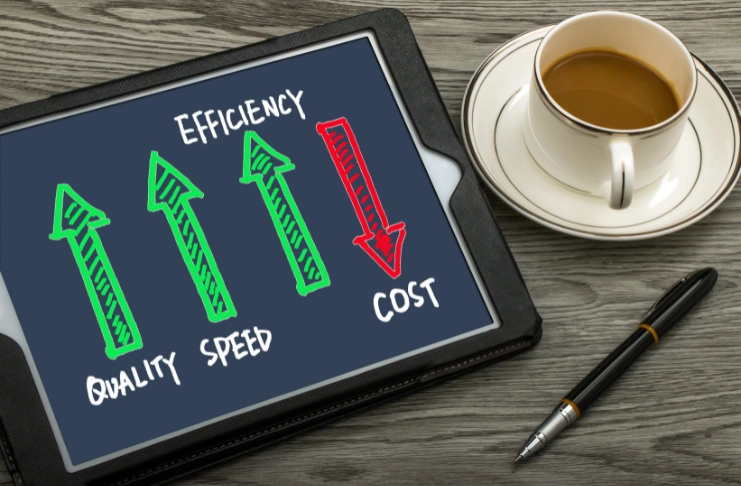
The food cost percentage formula is straightforward. It is calculated by dividing total food costs by total food sales and multiplying the result by 100.
Food Cost Percentage = (Total Food Costs ÷ Total Food Sales) × 100
Here, total food costs include every ingredient expense:
- Raw materials purchased
- Beginning inventory value
- Ending inventory value
Let’s say your restaurant spent AED 15,000 on ingredients last month and generated AED 50,000 in food sales. Your food cost percentage would be:
(15,000 ÷ 50,000) × 100 = 30%
This calculation tells you that 30% of your revenue went toward ingredient costs. You should calculate this percentage on a weekly and monthly basis to identify trends and address problems promptly.
Mind that the accurate food cost formula also accounts for inventory changes:
Total Food Costs = Beginning Inventory + Purchases – Ending Inventory
Your point-of-sale system should automatically track total food sales. Make sure you separate food sales from beverage sales for accurate food cost calculation.
How to Calculate Individual Menu Item Food Cost?
Individual menu item calculations help you understand which dishes drive profitability. Start by listing every ingredient in a recipe with exact quantities and costs.
Recipe Cost = Sum of (Ingredient Quantity × Cost per Unit)
Here’s a practical example for a chicken shawarma:
- Chicken breast (200g): AED 3.50
- Pita bread (1 piece): AED 0.75
- Vegetables (100g): AED 1.25
- Sauce (50ml): AED 0.50
Total Recipe Cost: AED 6.00
If you sell this shawarma for AED 20, your food cost percentage is: (6.00 ÷ 20.00) × 100 = 30%
This calculation helps you price menu items strategically and identify high-cost dishes that need attention.
Steps for Accurate Menu Item Costing
- Weigh ingredients precisely – Use kitchen scales for accuracy
- Include all components – Don’t forget garnishes, oils, and seasonings
- Update costs regularly – Ingredient prices change frequently
- Account for waste – Add 2-5% for preparation loss
- Consider preparation time – Factor in labor for complex dishes
INDUSTRY INSIGHT
| Food costs in the UAE rose 0.6% YoY in June 2025, far below historic highs—the long-term average sits at 2.47%, with a peak of 8.66% in Jan 2009. But that doesn’t mean you can relax your guard. While overall inflation has cooled, price volatility for high-impact commodities like coffee and cocoa continues to strain margins, making weekly food cost reviews and agile supplier negotiations non-negotiable. |
What Factors Affect Food Costs in UAE Restaurants?
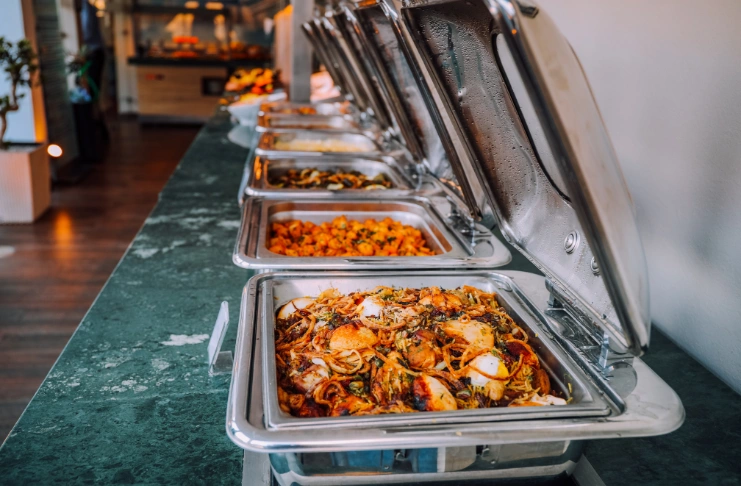
Several factors impact your ingredient costs beyond your control. Understanding these variables helps you plan and adjust your pricing strategy accordingly.
Import Dependencies: Many ingredients come from international suppliers, making costs sensitive to exchange rates and shipping expenses. Fresh produce prices fluctuate based on seasonal availability and global supply chains.
Local Market Dynamics: UAE’s food market generates significant revenue, with growth projections showing continued expansion. This growth creates both opportunities and competition that affect ingredient pricing.
Seasonal Variations: The summer months typically see higher costs for fresh produce due to climate-related challenges. Smart restaurant managers adjust their menus seasonally to manage these fluctuations.
Other cost drivers include:
- Currency exchange rates
- Fuel and transportation costs
- Weather-related supply disruptions
- Government regulations and import duties
- Local competition for premium ingredients
How to Set Menu Prices Based on Food Cost?
Menu pricing requires balancing food cost percentage with competitive positioning. Start with your target food cost percentage, then work backward to determine selling prices.
Selling Price = Food Cost ÷ Target Food Cost Percentage
If your pasta dish costs AED 8 to make and you want a 30% food cost percentage: AED 8 ÷ 0.30 = AED 26.67
Round this to AED 27 for your menu price. This ensures you maintain your desired profit margins while staying competitive.
What Role Does Tech Play in Food Cost Control?
Effective inventory management has a direct impact on your food cost calculation process. Poor inventory control leads to waste, spoilage, and inaccurate cost calculations, which harm your restaurant’s financial health.
Modern inventory management software helps track ingredient usage, monitor stock levels, and identify opportunities for cost savings.
As of early 2025, over 70% of UAE restaurants have adopted cloud or hybrid POS systems for their scalability and mobile features. These systems are credited with improving order accuracy, billing speed, and inventory control, especially within the first few months of adoption.
Choosing the Right Restaurant Management Software
Look for systems that offer UAE-specific features like VAT compliance and local supplier integration. Cloud-based solutions provide flexibility and real-time access to cost data from anywhere.
Popular options in the UAE market include comprehensive restaurant management platforms that handle everything from inventory management to customer orders. Choose software that scales with your business and integrates with your existing systems.
How to Reduce Food Waste and Control Costs?

Food waste directly increases your actual food costs without generating any revenue. The average restaurant wastes between 4% and 10% of the food it purchases, which significantly impacts its profit margins.
Implementing waste reduction strategies starts with measuring current waste levels. Track what gets thrown away, when it happens, and why. This data helps you identify patterns and opportunities for improvement.
Preparation Planning: Accurate forecasting reduces over-preparation and waste. Use sales data to predict daily demand and prepare accordingly.
Portion Control: Standardized portion sizes ensure consistent food cost percentage and reduce waste from oversized servings.
Cross-Training Staff: Train kitchen staff on proper storage, preparation, and portioning techniques to minimize waste and maintain quality.
Practical waste reduction tactics:
- Create daily prep lists based on sales forecasts
- Implement proper storage procedures for all ingredients
- Train staff on FIFO inventory rotation
- Monitor plate returns to identify over-portioning
- Repurpose ingredients creatively across menu items
How Do Labor Costs Impact Your Overall Food Service Economics?
While calculating food costs is crucial, understanding prime cost provides a comprehensive picture of your restaurant’s profitability. Prime cost, which combines food cost and labor costs, typically represents 55-65% of total revenue in successful restaurants.
Prime Cost = Food Cost + Labor Cost
If your food cost is 30% and labor cost is 25%, your prime cost is 55%. This metric helps you understand the relationship between ingredient expenses and operational efficiency.
Managing both costs together creates better operational decisions. Sometimes higher labor costs can reduce food waste and improve portion control, actually lowering your overall prime cost percentage.
Balancing Food and Labor Efficiency
Prep Work Optimization: Efficient prep schedules reduce labor hours while maintaining food quality and minimizing waste.
Cross-Training Benefits: Staff who can handle multiple roles reduce scheduling costs and improve operational flexibility during busy periods.
Technology Integration: Point of sale systems that integrate inventory management reduce manual labor while improving accuracy in cost tracking.
How Often Should You Calculate and Review Food Costs?
Regular food cost monitoring helps you catch problems before they impact profitability. Calculate your overall food cost percentage on a weekly basis and review individual menu items monthly.
Weekly Reviews: Track total food costs and sales to identify trends and seasonal patterns that affect your restaurant business.
Monthly Deep Dives: Analyze individual menu item profitability, supplier performance, and inventory management effectiveness.
Quarterly Planning: Adjust menu prices, negotiate supplier contracts, and plan seasonal menu changes based on cost analysis and market trends.
Set up automated alerts when the food cost percentage exceeds your target range. This early warning system enables you to take corrective action promptly.
Creating Your Food Cost Review Schedule
Daily: Monitor high-value inventory items and track waste.
Weekly: Calculate overall food cost percentage and review vendor invoices.
Monthly: Analyze menu item profitability and update recipe costs.
Quarterly: Review supplier relationships and adjust pricing strategies.
Annually: Conduct comprehensive menu analysis and strategic planning.
What Are Common Food Cost Calculation Mistakes to Avoid?
Many restaurant managers make calculation errors that lead to inaccurate cost data and poor business decisions. Avoiding these mistakes can significantly improve your restaurant’s financial performance.
Forgetting Hidden Costs: Include all ingredients, even small items like oils, seasonings, and garnishes. These costs add up quickly and impact your actual food costs.
Inconsistent Portioning: Variations in portion sizes create inconsistent food cost percentage calculations. Standardize all recipes and train staff accordingly.
Ignoring Waste: Failing to account for preparation waste, spoilage, and customer returns results in artificially low food cost calculations.
Outdated Pricing: Using old ingredient prices in calculations leads to inaccurate menu pricing and profit margin miscalculations.
How to Train Your Team on Cost Control Principles?

Your staff’s daily actions directly impact food costs. Proper training on cost control principles helps everyone contribute to profitable operations.
Kitchen Staff Training: Focus on proper portioning, waste reduction, and ingredient handling. Demonstrate how their actions impact the restaurant’s financial health.
Server Training: Educate front-of-house staff on menu engineering and upselling high-profit items. They should understand which dishes drive profitability.
Management Training: Ensure restaurant managers understand food cost calculations, inventory management, and supplier relationships.
Building a Cost-Conscious Culture
Regular Updates: Share your team’s weekly food cost results and celebrate improvements in cost control and operational efficiency.
Individual Accountability: Assign specific cost control responsibilities to team members and track their performance against goals.
Continuous Education: Provide ongoing training on new cost control techniques, supplier management, and inventory optimization.
What Supplier Strategies Help Control Food Costs?
Building strong supplier relationships creates opportunities for better pricing, reliable delivery, and quality consistency. Strategic supplier management reduces your actual cost while improving ingredient quality.
Multiple Supplier Strategy: Collaborate with multiple suppliers for key ingredients to ensure competitive pricing and secure supply.
Volume Negotiations: Consolidate purchases whenever possible to negotiate more favorable unit prices without compromising quality or freshness.
Payment Terms: Negotiate favorable payment terms that improve your cash flow while maintaining strong supplier relationships.
Effective supplier management tactics:
- Regular price comparisons across vendors
- Quality audits and performance reviews
- Seasonal contract negotiations
- Local sourcing opportunities
- Bulk purchasing for non-perishables
How Does Customer Satisfaction Relate to Food Cost Management?

Effective cost control should never compromise customer satisfaction. Your goal is to optimize costs while maintaining the quality and value that customers expect.
Value Engineering: Find ways to reduce costs without affecting taste, presentation, or customer experience. This might involve sourcing alternatives or improving preparation efficiency.
Portion Optimization: Right-sized portions satisfy customers while controlling costs. Monitor customer feedback and plate returns to find the optimal balance.
Quality Consistency: Standardized recipes and proper training ensure every dish meets customer expectations regardless of cost pressures.
Balancing Cost Control with Customer Experience
Menu Testing: Test cost-reduced recipes with customers before implementing changes to ensure satisfaction levels remain high.
Feedback Monitoring: Track customer reviews and complaints to identify any negative impacts from cost control measures.
Staff Input: Your kitchen and service staff interact with customers daily and can provide valuable insights into the impacts of cost control.
Conclusion
Calculating food cost in the UAE requires systematic tracking, regular monitoring, and strategic decision-making. Your food cost percentage directly impacts profitability, making accurate calculations essential for restaurant success.
Start with the basic food cost formula, then build comprehensive systems for inventory management, supplier relationships, and waste control. Use technology to automate calculations and provide real-time insights that support better business decisions.
Remember that food cost management is ongoing work. Market conditions change, supplier prices fluctuate, and customer preferences evolve. Regular monitoring and adjustment keep your restaurant profitable in the competitive UAE market.
Focus on creating sustainable systems rather than quick fixes. Train your team, invest in the right tools, and cultivate relationships with reliable suppliers. These foundations support long-term success in the challenging but rewarding restaurant business.
Frequently Asked Questions
1. What is the formula for calculating food cost?
Food Cost Percentage = (Total Food Costs ÷ Total Food Sales) × 100.
This provides the percentage of revenue allocated to ingredients.
2. How much does food cost in Dubai in US dollars?
A basic grocery basket costs AED 30-35 per day per person (approximately $8-10 USD), while mid-range restaurant meals average AED 200 for two people.
3. How much should I budget for food in Dubai?
The average monthly food spending ranges from AED 720 to AED 955 per person ($195-260 USD), depending on individual dining preferences and cooking habits.
4. What is the formula for food cost in a restaurant?
Restaurant food cost = Beginning Inventory + Purchases – Ending Inventory. Divide this by total food sales and multiply by 100 for a percentage.
5. How much does food cost in Dubai restaurants?
Mid-range restaurants charge AED 80-160 per meal, while budget meals cost around AED 40. Fine dining establishments charge significantly more.
6. How do you calculate a 30% food cost?
If your target is 30% food cost, divide your ingredient cost by 0.30 to find the selling price. For example, AED 9 ingredient cost ÷ 0.30 = AED 30 selling price.
7. How to calculate portion cost of food?
Sum all ingredient costs in a recipe: (Ingredient Quantity × Cost per Unit) for each ingredient. Add these together for the total portion cost.
8. How to calculate menu price based on food cost?
Selling Price = Food Cost ÷ Target Food Cost Percentage. This ensures you maintain desired profit margins while staying competitive.
9. How much does a meal cost in the UAE?
Meals range from AED 40 for budget options to AED 200 and above for mid-range dining. Street food and local eateries offer lower-cost alternatives.
10. Is 300 AED enough for food in Dubai?
AED 300 covers about 8-10 days of budget meals or 4-5 mid-range restaurant visits. It’s sufficient for basic food needs with careful budgeting.
11. How to manage food costs in a restaurant operation?
Utilize inventory management software, standardize recipes, train staff on portion control, monitor waste, and regularly renegotiate supplier contracts.
12. What are the food expenses in Dubai?
Food expenses vary widely based on lifestyle. Cooking at home costs AED 720-955 monthly per person, while frequent dining out costs significantly more.
13. Who is responsible for controlling costs in the food service business?
Restaurant managers, kitchen managers, and chefs share responsibility. However, successful cost control requires involvement from all staff members.
14. How to reduce restaurant expenses?
Focus on waste reduction, efficient inventory management, supplier negotiations, energy conservation, staff training, and menu optimization for profitability.