

Okay, we agree, you spend hours baking, and nothing beats the taste of your fresh bread and cakes pulled straight from the oven. But how are you keeping baked goods fresh once they leave the kitchen counter?
Without the right storage, texture changes rapidly, the crust loses its bite, and the moisture content drops, turning quality products stale before they even reach customers.
According to Kerry research, mould causes 65% of global bakery waste, and bread alone represents 83% of total bakery volume worldwide. That makes understanding shelf life and storage even more important for reducing waste and maintaining optimal freshness.
This guide explains how to keep baked goods fresh with some of the best storage tips and practices.
From using parchment paper and airtight containers to knowing when freezing baked goods extends their shelf life, here you’ll learn how to properly store delicate pastries and cream pies so they stay fresh longer and taste as close to freshly baked as possible.
INDUSTRY INSIGHT
| Globally, food waste exceeds USD 1 trillion annually, with baked goods among the biggest culprits due to their short shelf life. Bakery waste alone drives up tons of methane emissions and consumes vast agricultural resources, nearly 30% of the world’s farmland. However, regulations are tightening. Large bakeries in several countries must now report waste volumes if they generate over 100 tonnes a year. |
What are the Common Factors That Cause Staling and Spoilage?
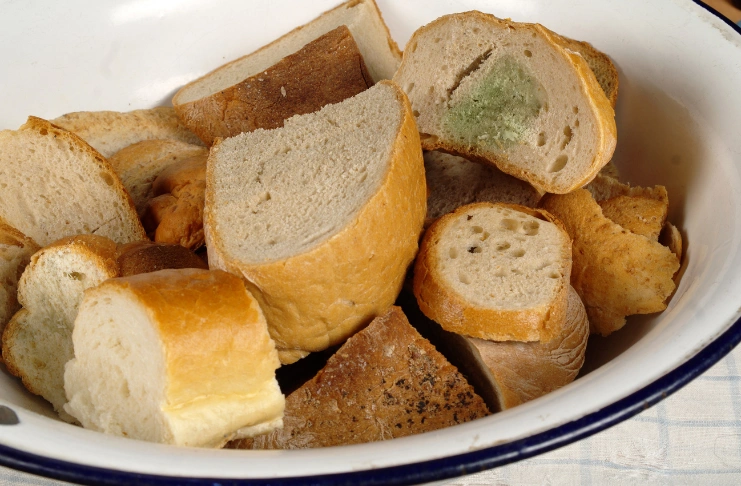
Baked goods start changing the moment they leave the oven. In fact, that just-baked perfection is “momentary,” and a few everyday factors decide how long it lasts.
1. Air exposure: Air dries out bread, cakes, and muffins, reducing moisture content. As air circulates, crust loses its texture and cakes harden.
2. Moisture migration: Moisture quickly moves from the crumb to the crust of the bread. That’s why, more often than not, a loaf can feel tender in the middle but is already stale on the outside by the next day. Texture changes before flavour does, and unfortunately, customers notice.
3. Temperature: Most baked goods are best served at room temperature, but heat and humidity speed up mould growth. Cold storage can help extend freshness, though refrigeration has a trade-off: it dries out certain items faster than you’d expect.
4. Perishable ingredients: Anything with fresh cream, fruit fillings, or dairy has a much shorter shelf life, after which they go stale, unless properly refrigerated.
5. Handling and wrapping: Poor wrapping either dries out or makes items soggy. The right bag or container protects texture, prevents freezer burn, and keeps baked goods tasting the way they should.
What are the Best Storage Methods at Room Temperature?
As already mentioned, most baked goods are perfectly fine at room temperature as long as there’s nothing highly perishable in them.
Stored properly, they retain their texture and flavour for up to 3 days. And that’s already awesome for any baked good.
- Use airtight containers: Keep cakes, muffins, and fresh cookies on the kitchen counter in airtight containers. This will limit air exposure and help them stay fresh without drying out.
- Wrap bread properly in parchment paper or foil, then place it in a bread box or paper bag. This will keep the loaf from turning soft or going stale.
- Store frosted cupcakes at room temperature for a day if the frosting is stable; otherwise, refrigerate.
Finally, keep your cakes and breads away from direct sunlight and heat, be it ovens or windows. Aim for a cool, consistent room temperature instead.
Tip: You may consider hiring a food consultant to get expert guidance on ingredient choices, packaging solutions, and storage methods tailored to your recipes. This helps your baked goods retain freshness and meet consistent quality standards.
How to Keep Baked Goods Fresh Via Refrigeration Method?
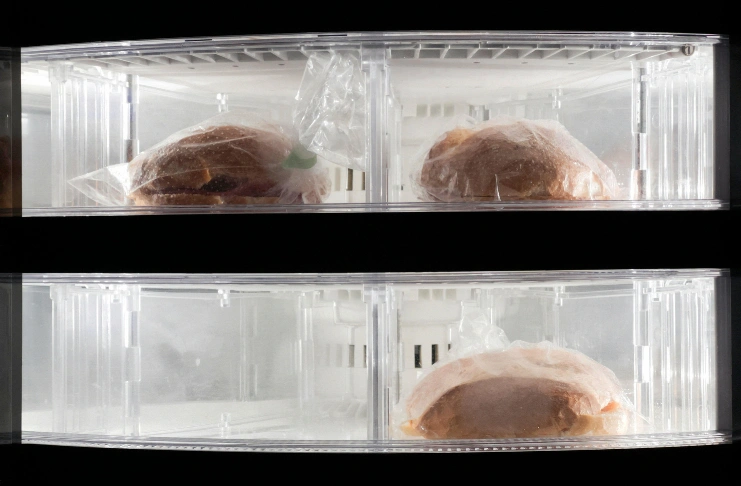
Refrigeration extends the shelf life of many baked goods, but it can also change the texture if not done correctly.
Cakes with perishable ingredients like cream pies or those topped with whipped cream must be refrigerated immediately to maintain safety. Fruit pies also benefit from cool storage, lasting up to three days when kept in an airtight container.
Bread, on the other hand, does not perform well in the fridge. Cold air accelerates starch retrogradation, making bread stale faster.
Freshly baked bread should only be refrigerated when no other option is available, and even then, wrapping it tightly in plastic wrap or parchment paper helps retain moisture.
For items like frosted cake, it’s best to refrigerate cakes in a box or container that minimizes air exposure. This prevents the frosting from drying out while keeping the cake layers moist.
Cupcakes with delicate toppings should be kept in an airtight container in the fridge so they don’t pick up unwanted odors.
What Wrapping and Packaging Materials Can You Use?
The freshness of your bakes often comes down to what you wrap them in. Once air gets to them, bread dries out, cakes lose their softness, and pastries go flat. The right packaging slows all of that down.
For everyday items, wax paper or parchment paper works perfectly well. They protect the bake without trapping too much moisture.
On the other hand, products like cookies or muffins should always go in an airtight container or resealable plastic wrap.
If you want to aim for an even longer shelf life, consider vacuum sealing. It cuts oxygen and slows down staling. Like many bakeries these days, you may also consider more eco-friendly options, such as compostable wraps and biodegradable films.
What’s the Best Way to Reheat and Serve Fresh Baked Goods?
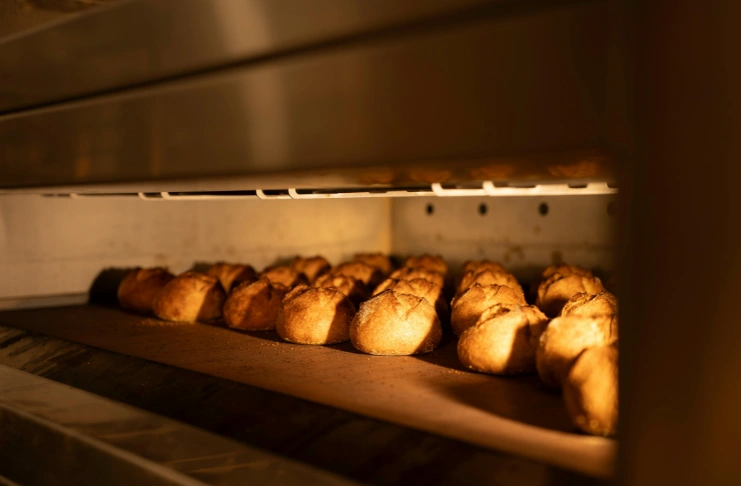
Even the most delicately-prepared and delicious baked goods lose their just-baked warmth, and there’s nothing you can do except reheat them to bring back their flavor and texture:
- Use the oven, not the microwave: Warm bread at 175°C (350°F) for 10–15 minutes. Microwaving makes it chewy and rubbery.
- Add moisture for crusty loaves: Lightly sprinkle or brush with water before reheating to revive the crispy crust.
- Slice after reheating: Cutting before reheating causes uneven texture and faster drying.
- Wrap in foil: It keeps bread soft inside while preventing burning. Unwrap for the last few minutes if you want more crunch.
And finally, always serve your bread warm, not hot. Let it rest for a few minutes before serving to avoid steam-soggy interiors.
How to Freeze and Store Baked Goods for a Long Time?
Freezing is the most effective way to extend the life of bakery items without losing quality.
Take bread, for example. Slice it before freezing, and you can take out only what you need, when you need it.
Quick warning, though: Always use a freezer bag or double wrap with plastic and aluminum foil to prevent freezer burn.
Unfrosted cupcakes and muffins freeze beautifully, too. In fact, they often stay softer and moister in the freezer than they do sitting out for days. Just make sure they’ve cooled completely before sealing.
When you’re ready to serve, let them thaw overnight on the counter or warm them briefly in the oven to bring them back to life.
Mind that freezing works for almost every category, but items with whipped cream or cream pies should be consumed fresh for the best quality.
Conclusion
Anyone who bakes knows this feeling. You make something with care, and a day later, it’s already dry or dull. More often than not, it’s the storage problem.
Simple tweaks, like sealing items in a freezer bag, keeping unfrosted cupcakes on the kitchen counter, or wrapping a loaf in plastic wrap, extend their shelf life without compromising quality.
With the right mix of baking care, smart packaging, and awareness of perishable ingredients, your favorite treats last a bit longer and taste closer to the moment they came out of the oven. When you’ve spent hours creating delicious baked goods, it’s worth investing that same attention in how you store them to maintain their optimal freshness.
Frequently Asked Questions
1. How long can baked goods stay fresh?
Most baked goods last about a day at room temperature, but with the right airtight container or plastic wrap, they stay good for two to three days. For a longer shelf life, freeze them in a freezer bag, where they can maintain quality for up to three months.
2. How to keep baked goods from getting soggy?
Always cool items fully before wrapping. Use parchment paper instead of sealing warm goods in plastic, which traps moisture content. For fruit pies or cream pies, avoid refrigeration unless needed, and place them in a paper bag at room temperature for a crisp crust.
3. How to keep baked goods from getting hard?
Wrap your breads and cakes in plastic or store them in a bread box where air exposure is limited. If they do start to firm up, a quick warm-up in the oven can bring back much of their softness.
4. What baked goods should not be refrigerated?
Never refrigerate cakes with a light crumb, fresh cookies, or unfrosted cupcakes, as cold air dries them out and alters crust and texture. Instead, properly store them at room temperature in an air-tight container. Items with perishable ingredients, such as whipped cream, should be chilled but consumed fresh.