

Casual dining restaurants play a vital role in the restaurant industry, providing a balanced experience between fast food restaurants and fine dining establishments. These restaurants feature a casual atmosphere, quality food, and table service while maintaining an affordable price point. Entrepreneurs entering this sector must focus on operational efficiency, consistent customer experience, and a strong business plan to achieve success.
This guide covers how you can open a casual dining restaurant and operate it successfully.
Understanding the Casual Dining Segment
Casual dining establishments serve a wide demographic, including young professionals, families, and groups seeking a relaxed dining experience. They typically have a dining room with comfortable seating and décor reflecting the restaurant’s theme. The average price per dish is lower than fine dining but higher than fast casual restaurants, making it an attractive choice for diners seeking quality meals without overspending.
INDUSTRY INSIGHTS
| Single-location full-service restaurants in the U.S. are projected to reach $260.1 billion in revenue by 2025, with a compound annual growth rate (CAGR) of 9.7% over the past five years |
The restaurant business is becoming increasingly competitive, with more customers seeking higher-quality options. By offering diverse menu items and creating an inviting atmosphere, casual dining restaurants can retain loyal customers and attract new diners.
Fine Dining vs Casual Dining
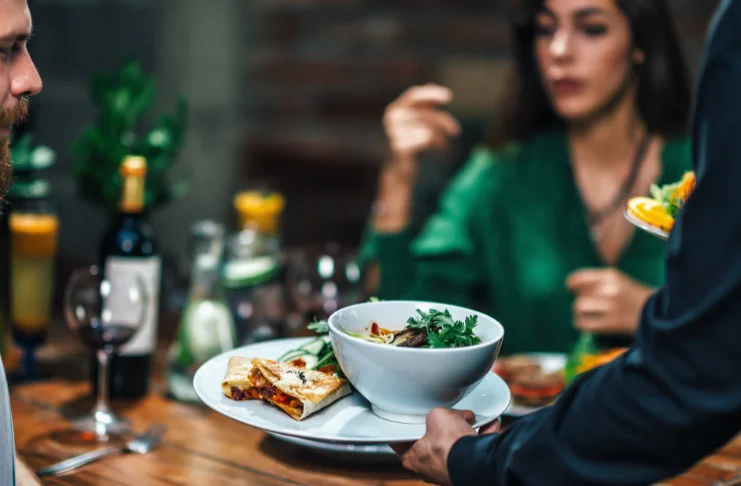
Fine dining restaurants emphasize luxury, multiple courses, and impeccable service, catering to customers willing to pay a premium for exceptional experiences. Casual dining, however, focuses on accessibility, balancing quality with affordability. While fine dining establishments often have higher overhead costs and require more specialized chefs, casual dining restaurants can achieve higher turnover and foot traffic by targeting a broader audience.
Understanding these distinctions will help you refine your restaurant concept and choose operational strategies suited to your target market.
Fast Casual Restaurants: A Growing Competitor
Fast casual restaurants are becoming a major competitor to casual dining establishments, offering higher-quality ingredients than fast food while maintaining faster service and lower prices than table-service restaurants. According to Technomic, fast casual concepts have grown by 8% annually over the past five years, emphasizing the need for casual dining operators to innovate to remain competitive. Successful restaurants in this segment invest heavily in efficient kitchen equipment, simplified operations, and strategic menu planning.
Fast Food vs Casual Dining

Fast food restaurants prioritize speed, convenience, and low costs, often relying on counter service. Casual dining restaurants, by contrast, focus on table service, creating a comfortable dining room setting, and offering higher-quality menu items. While fast food appeals to customers seeking low-cost meals, casual dining targets those willing to pay slightly more for a better overall dining experience.
Family Style Restaurants
Family-style restaurants, a subcategory of casual dining, serve food in large portions for groups to share, encouraging a communal dining experience. This model has been popular with families and groups, creating a sense of togetherness. Adding family-style dishes to your menu can help broaden your appeal and increase revenue per table.
Importance of a Strong Business Plan

A well-structured restaurant business plan is a key component of a successful restaurant. Your business plan should include:
- Company Overview: A clear description of your restaurant concept, target market, and brand identity.
- Market Research: Insights into your competitors, customer demographics, and food trends.
- Menu Items and Pricing: A detailed plan for dishes, including food costs and sourcing of high-quality ingredients.
- Operational Efficiency: A breakdown of staffing, kitchen equipment, and restaurant technology.
- Financial Planning: Budget projections, profit margins, and secure funding strategies.
An effective business plan ensures that your restaurant’s operations run smoothly and helps attract investors or lenders.
Choosing a Restaurant Concept and Theme
The restaurant’s theme sets the tone for the dining experience. Whether you opt for Japanese cuisine, a rustic casual atmosphere, or a modern casual dining establishment, the theme should align with your target audience. This step requires creativity and brand strategy to stand out from most restaurants in the market.
Key Factors for Location Selection

Foot traffic is critical for casual dining success. Your target market’s demographics, nearby competition, parking availability, and proximity to residential and commercial areas should influence your location choice. Market research will help identify areas with high potential customer demand. NRA’s 2025 State of the Restaurant Industry report highlights that the foodservice industry is projected to reach $1.5 trillion in sales in 2025, with urban areas playing a significant role in this growth.
Designing a Functional Dining Room
The dining room is the heart of any casual dining restaurant, and its layout directly affects the customer experience and operational efficiency. A well-designed space facilitates smooth traffic flow for both diners and staff, minimizing bottlenecks and improving service speed. Proper spacing between tables ensures comfort and privacy, allowing guests to enjoy their meals without feeling crowded.
Incorporating décor that reflects your restaurant’s theme reinforces the brand identity and creates a memorable dining experience. Lighting, music, and color schemes should complement the concept, whether it’s a family-style eatery, Japanese cuisine, or a modern casual dining space. Consider ergonomics when selecting furniture; chairs and tables should be comfortable for extended dining periods, while also allowing servers to navigate easily.
Additionally, flexibility in the layout can accommodate larger groups, special events, or seasonal adjustments. For example, movable partitions, modular seating, or a mix of booth and table arrangements can help optimize space utilization. By thoughtfully designing your dining room, you enhance not only the aesthetic appeal but also the operational efficiency and overall satisfaction of your guests.
Licensing and Food Safety Compliance
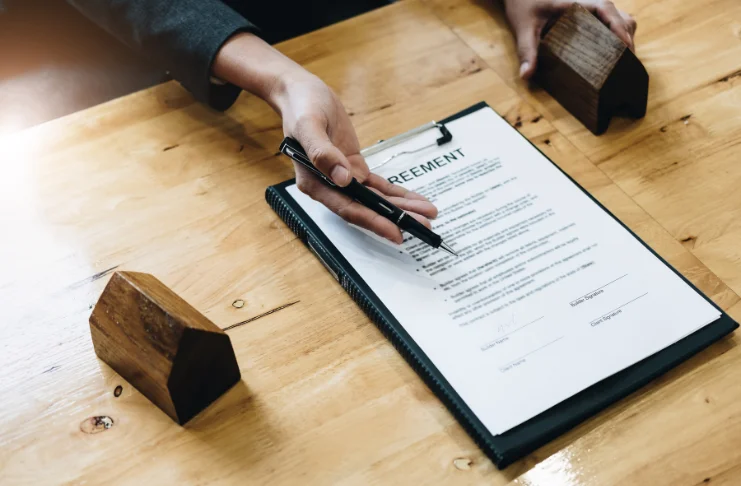
Licensing is a non-negotiable step for restaurant owners. You’ll need:
- Food Service License
- Health Permits
- Alcohol License (if applicable)
- Fire and Safety Permits
Food safety is paramount for operational success, and compliance helps build trust with customers while avoiding legal issues.
Menu Planning and Food Costs
Creating a balanced menu is essential for profitability. Menu engineering strategies help maximize sales of high-margin dishes. Track food costs and portion sizes to maintain competitive pricing while ensuring consistent quality. Research shows that optimizing menu design can increase sales by up to 10% to 15%.
Building a Strong Team

Chefs, servers, delivery drivers, and support staff form the backbone of your restaurant. Hire a head chef who can deliver consistent quality and provide training to maintain a high service standard. Strong teams help maintain operational efficiency and a consistent brand identity.
The foundation of restaurant success lies in assembling a cohesive team that shares your vision for exceptional dining experiences. Begin with recruiting a skilled head chef who not only demonstrates culinary expertise but also possesses leadership qualities to mentor junior kitchen staff. This chef should understand your concept, maintain consistency across all dishes, and adapt recipes based on seasonal availability and customer feedback. Front-of-house staff require comprehensive training in menu knowledge, wine pairings, and customer service protocols to create memorable interactions. Implement regular team meetings to address operational challenges, celebrate achievements, and maintain open communication channels. Cross-training employees across different roles ensures flexibility during peak periods and staff shortages. Establish clear performance metrics, provide ongoing professional development opportunities, and create a positive workplace culture that reduces turnover. Consider implementing incentive programs that reward exceptional service and team collaboration, as motivated employees directly impact customer satisfaction and restaurant profitability.
Investing in Kitchen Equipment and Technology
Efficient kitchen equipment improves food preparation speed and consistency. Modern restaurant technology, including POS systems and inventory management tools, enhances operational efficiency and helps maintain food safety standards.
Strategic investment in quality kitchen equipment and cutting-edge technology creates the infrastructure necessary for sustained restaurant success. Commercial-grade appliances, including convection ovens, high-BTU ranges, and professional refrigeration systems, ensure consistent cooking temperatures and food safety compliance while reducing preparation times during peak service. Implement a comprehensive Point of Sale system that integrates with inventory management, enabling real-time tracking of ingredient usage, automatic reordering triggers, and detailed sales analytics to identify popular menu items and optimize pricing strategies. Kitchen display systems eliminate paper tickets, improve order accuracy, and streamline communication between front and back-of-house operations. Consider investing in energy-efficient equipment to reduce operational costs and environmental impact. Temperature monitoring systems with automated alerts prevent food spoilage and ensure compliance with health regulations. Cloud-based management platforms provide remote access to sales data, staff scheduling, and financial reporting, enabling informed decision-making from any location. Regular equipment maintenance schedules prevent costly breakdowns during service, while technology updates ensure your systems remain competitive and secure against evolving cyber threats.
Marketing Strategies for a Successful Restaurant

Your marketing plan should focus on brand awareness, customer engagement, and loyalty-building tactics. Popular strategies include:
- Social media campaigns
- Influencer collaborations
- Search engine optimization (SEO)
- Customer feedback programs
According to a Yelp report, 72% of consumers trust online reviews, making reputation management a critical aspect of your marketing strategy.
Soft Openings: Testing Operations
Soft openings allow you to test your restaurant’s operations, train staff, and gather customer feedback before the official launch. Offering discounted meals or special previews can attract early customers while refining your processes.
Consider running multiple soft opening sessions over several days to identify potential bottlenecks in service flow, kitchen timing, and staff coordination. Invite friends, family, industry professionals, and select community members who can provide honest feedback about food quality, service speed, and overall dining experience. Use these trial runs to test your POS system, refine portion sizes, and ensure your kitchen can handle varying order volumes. Staff members gain valuable hands-on experience in a lower-pressure environment, allowing them to master menu details and service procedures. Document feedback systematically and make necessary adjustments to recipes, service protocols, or operational procedures before your grand opening. This strategic approach helps prevent costly mistakes and negative first impressions that could impact your restaurant’s long-term reputation.
Managing Profit Margins

Controlling food costs, reducing waste, and negotiating with suppliers are key components to increasing restaurant profit margins. Industry benchmarks suggest maintaining food costs between 28% and 35% of sales. Implement portion control systems and track inventory turnover rates to identify waste patterns. Regular supplier negotiations and bulk purchasing can significantly reduce costs while maintaining quality standards.
Expanding Through Food Trucks and Pop-Up Restaurants
Food trucks and pop-up restaurants can complement your casual dining establishment by expanding brand visibility and attracting new customers. These ventures allow you to test new menu items and reach untapped markets without committing to large overhead costs. Use social media to announce locations and create buzz around limited-time offerings that drive customers to your main location.
Maintaining a Competitive Edge
Staying ahead in the restaurant business requires consistent innovation. Regularly update your menu, introduce seasonal offerings, and use customer feedback to improve your dining experience. Focus on delivering exceptional service to retain loyal diners. Monitor competitor pricing and offerings while maintaining your unique value proposition through signature dishes and superior service quality.
Conclusion
Opening a casual dining restaurant involves careful planning, strong execution, and continuous adaptation. By choosing the right restaurant concept, managing food costs, creating an inviting atmosphere, and investing in effective marketing strategies, you can build a profitable and sustainable business. This comprehensive guide provides a step-by-step walkthrough of every phase of setup and operation, ensuring your restaurant thrives in a competitive market.
Frequently Asked Questions
1. Is $10,000 enough to open a restaurant?
$10,000 is usually not enough to open a full-scale restaurant, as startup costs often range from $95,000 to over $300,000, depending on size and location.
2. What is the 30/30/30 rule for restaurants?
The 30/30/30 rule for restaurants suggests allocating 30% of revenue to food costs, 30% to labor, and 30% to overhead, leaving 10% for profit.
3. How much money do you need to open a small restaurant?
Opening a small restaurant typically requires $80,000 to $150,000, though costs vary widely by market and concept.
4. Do you need an LLC to start a restaurant?
While not mandatory, forming an LLC for your restaurant is recommended to protect personal assets and establish legal and financial credibility.