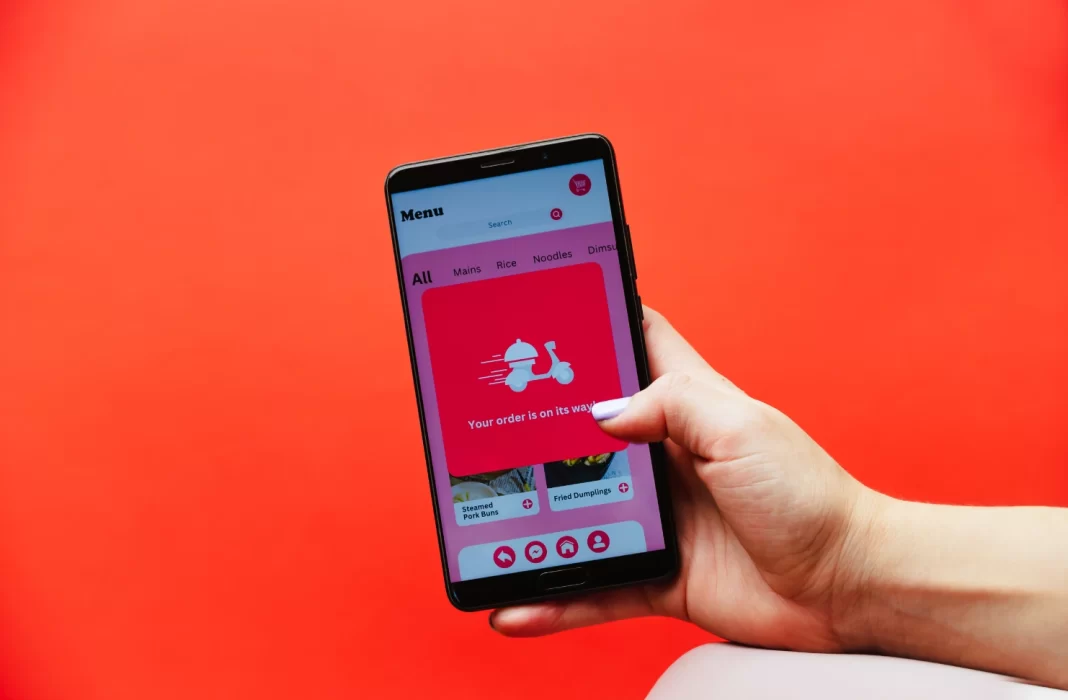

Food delivery has surged in recent years, fueled by demand for convenience and shifts in how people dine.
Cloud kitchens have emerged as a popular entry point for restaurant entrepreneurs seeking a low-cost alternative to traditional brick-and-mortar setups.
A cloud kitchen operates without dine-in space. It focuses entirely on online food delivery. This business model cuts operational costs by up to 60% compared to traditional restaurants. You don’t need expensive prime locations, servers, or fancy interiors.
The cloud kitchen market here was valued at USD 275.61 million in 2023. It’s projected to reach USD 1.06 billion by 2030, growing at a CAGR of 25.17%. Over 400 cloud kitchens already operate across more than 80 locations, with the majority concentrated in Dubai.
The numbers tell a clear story: this is the right time to enter the cloud kitchen industry. So, how to open a cloud kitchen in the UAE? Let’s break it down for you.
What Is a Cloud Kitchen and Why Should You Consider It?
A cloud kitchen is a delivery-only restaurant that prepares food exclusively for online ordering platforms. You might know it as a ghost kitchen or virtual kitchen. Unlike traditional restaurants, cloud kitchens focus solely on food preparation and delivery efficiency.
This business model works perfectly for today’s market. Rising demand for online food delivery has created opportunities that didn’t exist five years ago. Platforms like Talabat, Deliveroo, and Careem have made it easier than ever to reach customers without a physical storefront.
Here’s what makes cloud kitchens attractive:
- 60% lower operational costs than traditional restaurants
- No need for prime retail locations
- Ability to operate multiple brands from one kitchen
- Faster time to market
- Easy scalability
The cloud kitchen model allows you to test different cuisines and concepts with minimal investment. You can launch gourmet burgers one month and Asian cuisine the next, all from the same kitchen space.
How Much Does It Cost to Start a Cloud Kitchen?

Starting a cloud kitchen requires significantly less capital than opening a traditional restaurant. Initial setup costs range from AED 30,000 to AED 65,000 (approximately).
Your major expenses will include:
- Trade license and food license fees
- Kitchen equipment and setup
- Initial rent and security deposits
- Staff salaries for the first few months
- Branding and marketing materials
- Initial inventory
Setting up a cloud kitchen in the Dubai mainland typically costs between AED 10,000 and AED 15,000 for the license alone. This is just for licensing. Your total initial setup costs will be higher when you factor in equipment and operational expenses.
The beauty of the cloud kitchen business is that you can start small and scale up. You don’t need to invest in expensive dining furniture or hire large teams from day one.
Which Business Structure Should You Choose?
Choosing the right business structure affects everything from licensing costs to operational flexibility. You have two main options: setting up on the mainland or in a free zone.
Mainland setup gives you complete market access. You can deliver anywhere and partner with all delivery platforms. The Dubai Department of Economic Development issues the trade license. This structure works best if you plan to serve the entire market.
Free zone setup offers different advantages. Many free zones provide streamlined licensing processes. The relevant free zone authority handles your trade license applications. Some entrepreneurs prefer this route for the simplified procedures.
Your decision should align with your target market and business model. Mainland setups offer greater operational flexibility but require additional regulatory steps. Free zones are simpler to launch in, though they often limit where you can operate.
Consider these factors:
- Target delivery areas
- Planned business activities
- Available capital
- Long-term expansion plans
What Licenses Do You Need for Your Cloud Kitchen?
Every cloud kitchen needs two essential licenses: a trade license and a food license. These are non-negotiable requirements for legal operations.
To start a cloud kitchen in the UAE, you’ll need two key licenses: a trade license and a food license. Trade License: You can obtain this from the Department of Economic Development (DED) or the relevant free zone authority based on your business location and preferences.
How Do You Get Your Trade License?
Your trade license depends on whether you choose a mainland or a free zone setup. For mainland operations, apply through the Dubai Department of Economic Development. The process involves submitting your business plan, selecting your business activities, and paying the required fees.
Free zone applications go through the relevant free zone authority. Each free zone has specific procedures and fee structures. Some zones specialize in food businesses and offer tailored packages for cloud kitchen ventures.
The cost of a trade license varies by location and business structure. Mainland licenses typically range from AED 16,000 to AED 25,000. Free zone costs depend on the specific authority and package you choose.
What About Food Safety Licensing?
The food license comes from the food safety department in your jurisdiction. Dubai Municipality handles most food licensing in Dubai. Other emirates have their own authorities.
This license ensures you meet food safety regulations. The authorities inspect your kitchen layout, equipment, and procedures. They want to see that you can maintain food quality and handle food safely.
Key requirements include:
- Approved kitchen layout
- Proper ventilation systems
- Food storage facilities
- Staff health certificates
- HACCP compliance procedures
The Dubai Municipality must approve your kitchen layout. This ensures your kitchen meets all safety and operational standards.
Where Should You Set Up Your Cloud Kitchen?
Business location matters more than you might think for a cloud kitchen. You’re not serving walk-in customers, but location affects delivery costs, licensing requirements, and operational efficiency.
Consider these factors when choosing your location:
- Proximity to your target delivery areas
- Rental costs and lease terms
- Licensing jurisdiction and requirements
- Access to delivery drivers
- Kitchen space and layout potential
Central locations cost more but reduce delivery times. Customers expect fast delivery, and location has a direct impact on delivery efficiency. A well-positioned kitchen can serve multiple areas effectively.
Industrial areas often offer better value for cloud kitchen operations. You get more space for less money, and zoning regulations typically allow food production activities.
What Kitchen Equipment Do You Actually Need?
Kitchen equipment accounts for a significant portion of your initial setup costs. Focus on essentials first, then expand as your business grows.
Essential equipment includes:
- Commercial cooking equipment (based on your menu)
- Refrigeration units for food storage
- Food preparation surfaces and tools
- Packaging and labeling equipment
- POS system for order management
Don’t over-invest in equipment initially. Start with versatile pieces that can handle multiple menu items. As your cloud kitchen operations grow, you can add specialized equipment.
Quality matters for kitchen equipment. Commercial-grade appliances are designed to handle the volume and intensity of professional food preparation. They also meet the standards required for food license approval.
Consider equipment financing options. Many suppliers offer payment plans that spread costs over time. This preserves your working capital for operations and marketing.
How Do You Design an Efficient Kitchen Layout?
Kitchen layout approval is mandatory for your food license. The authorities aim to implement efficient workflows that uphold food safety standards.
Design your kitchen around these principles:
- Clear separation between raw and cooked food areas
- Logical flow from storage to preparation to packaging
- Adequate ventilation and drainage
- Easy cleaning and maintenance access
The layout should support your planned menu and expected volume. Don’t design for day one; plan for growth. A well-designed kitchen can handle increased orders without major renovations.
How Do You Handle Food Safety and Compliance?
Food safety isn’t optional in the cloud kitchen business. The food safety department takes compliance seriously, and violations can result in the shutdown of your operations.
Start with staff training. Everyone handling food needs to understand food safety regulations. This includes proper hand washing, temperature control, and prevention of cross-contamination.
Implement proper inventory management systems. Track expiration dates, maintain proper storage temperatures, and adhere to a first-in, first-out (FIFO) procedure. Good inventory management protects food quality and reduces waste.
Document everything. Keep records of supplier certifications, staff training, temperature logs, and cleaning schedules. The authorities may request these during inspections.
What Are the Key Food Safety Requirements?
Food safety requirements cover every aspect of your operations. Here are the critical areas:
Temperature control throughout the food preparation process. Hot foods stay hot, cold foods remain cold. Monitor and record temperatures regularly.
Proper food handling procedures must be followed by all staff. This includes personal hygiene, the use of protective equipment, and safe food preparation techniques.
Clean and sanitize work surfaces and equipment. Establish cleaning schedules and use approved sanitizers.
Safe food storage with proper labeling and rotation. Raw ingredients need separate storage from prepared foods.
The food safety department conducts regular inspections. They review your procedures, examine your records, and evaluate your compliance. Maintain high standards consistently, not just during inspections.
INDUSTRY INSIGHT
| Food safety is mission-critical in the UAE hospitality sector, guided by Federal Law No. 10 of 2015. All restaurants must implement a Food Safety Management System (FSMS) based on HACCP principles. Staff must undergo Essential Food Safety Training, with recertification every two years. Local authorities, such as Dubai Municipality and ADAFSA, enforce strict rules. These include temperature controls (5°C or below for chilled foods, 60°C or above for hot items), zoning for raw and cooked items, and traceability across the supply chain. Every product must be registered on the ZAD platform before it is sold. Moreover, routine inspections mean non-compliance carries severe penalties. Fines can reach AED 500,000, and licenses may be suspended. |
How Do You Set Up Your Corporate Bank Account?
A corporate bank account is essential for business operations and regulatory compliance. You’ll need this for supplier payments, staff salaries, and receiving payments from delivery platforms.
Most banks require these documents:
- Valid trade license
- Food license
- Tenancy contract
- Business plan
- Partner/shareholder documents
Select a bank that understands the needs of food businesses. Some banks offer specialized packages for restaurant and cloud kitchen operations. These often include POS integration and payment processing solutions.
The corporate bank account setup process can be time-consuming. Begin your licensing process early to avoid delays in operations.
What About Multiple Virtual Brands from One Kitchen?
Operating multiple brands from one kitchen maximizes your revenue potential. This strategy enables you to target different customer segments and test various concepts without requiring additional kitchen space.
You might operate a burger brand, a healthy salad concept, and an Asian cuisine brand all from the same kitchen. Each brand has its own identity, menu, and online presence.
This approach works well because:
- Shared kitchen equipment and staff
- Diversified revenue streams
- Ability to test market preferences
- Better utilization of kitchen capacity
However, multiple virtual brands require careful management. Each brand needs consistent quality and a distinct identity. Your staff must understand the different preparation requirements and standards for each concept.
Consider starting with one brand and expanding once you’ve established smooth operations. Managing multiple brands effectively requires experience and strong operational systems.
Which Online Ordering Platforms Should You Use?
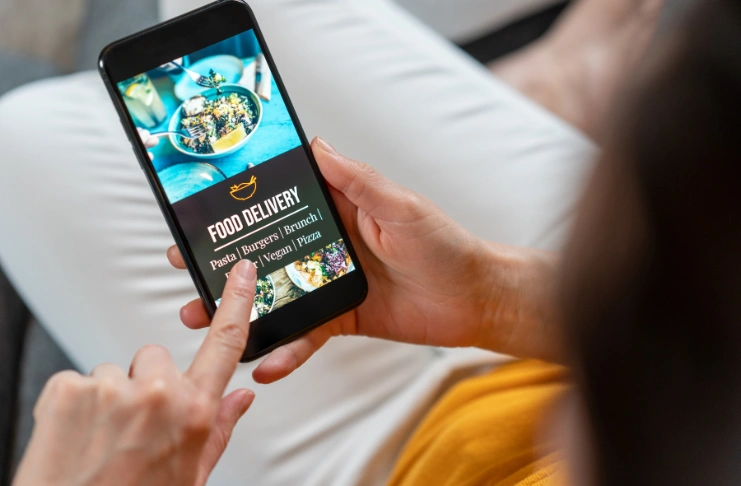
Online ordering platforms are your primary sales channels. The major platforms in this area include Talabat, Deliveroo, Careem, and Noon Food. Each platform has different commission structures, customer bases, and requirements.
Don’t limit yourself to one platform. A multiple-platform presence increases your reach and reduces your dependency on any single channel. However, managing multiple platforms requires good systems and processes.
Platform requirements vary. Some have specific packaging requirements, delivery time expectations, or menu formatting needs. Understand each platform’s requirements before signing up.
Commission rates typically range from 15% to 35% of order value. Factor these costs into your pricing strategy. Higher commission platforms may require higher menu prices to maintain profitability.
How Do You Optimize for the Online Food Delivery Segment?
The online food delivery segment has specific requirements that differ from those of traditional restaurant services. Customers expect fast delivery, hot food, and accurate orders.
Packaging plays a crucial role in customer satisfaction. Invest in quality packaging that maintains food temperature and prevents spills. Your packaging also represents your brand, so make it attractive and functional.
Delivery logistics coordination with platforms and drivers ensures smooth operations. Understand each platform’s delivery systems and requirements. Some platforms provide delivery drivers, while others require you to manage the delivery process yourself.
Order accuracy becomes critical when customers can’t immediately check their orders. Implement quality control procedures to ensure every order is complete and correct before it leaves your kitchen.
How Much Should You Budget for Marketing?
Digital marketing drives discovery and customer acquisition for cloud kitchens. Unlike traditional restaurants, you can’t rely on foot traffic or street visibility.
Budget at least 10-15% of your revenue for marketing activities. This includes:
- Social media advertising
- Platform-specific promotions
- Influencer partnerships with food bloggers
- Photography for menu items
- Brand development and design
Social media marketing works particularly well for food businesses. Instagram and TikTok are perfect for showcasing your delicious food and building brand awareness.
Partner with food bloggers and local influencers. They can provide authentic reviews and introduce your brand to their followers. This type of marketing often delivers better results than traditional advertising.
Don’t forget about platform-specific marketing. Most delivery platforms offer promotional tools and advertising options. These can boost your visibility within their apps and websites.
What Are the Staffing Requirements?
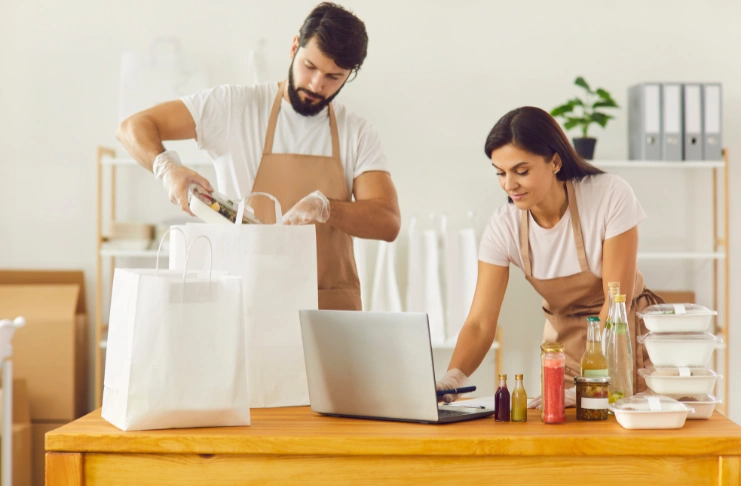
Cloud kitchen staffing needs differ significantly from those of traditional restaurants. You don’t need servers or hosts, but you still need skilled kitchen staff and management.
Essential positions include:
- Head chef or kitchen manager
- Prep cooks
- Line cooks
- Quality control supervisor
- Order management coordinator
Staff training is crucial for maintaining food quality and safety standards. Everyone must understand your recipes, portion sizes, and presentation standards.
Consider cross-training staff on multiple roles. This provides flexibility during busy periods and reduces dependency on individual employees.
Labor costs typically represent 30-35% of revenue in successful cloud kitchen operations. This is lower than that of traditional restaurants because you require fewer staff members.
How Do You Maintain Quality Control?
Quality food is essential for success in the cloud kitchen business. Customers judge your food solely on taste, presentation, and consistency. You don’t have atmosphere or service to compensate for poor food quality.
Implement standardized recipes and procedures. Every dish should taste the same regardless of which cook prepares it. Document your recipes, cooking times, and presentation standards.
Regular quality checks throughout food preparation ensure consistency. Taste test regularly and maintain visual standards for every dish that leaves your kitchen.
Customer feedback provides valuable insights into quality issues. Monitor reviews on delivery platforms and social media. Address negative feedback quickly and use it to improve your operations.
How Do You Plan Your Menu Strategy?
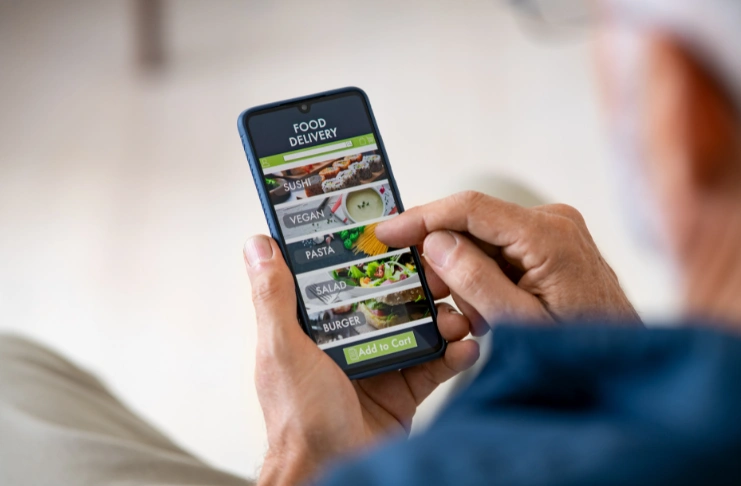
Menu planning affects everything from kitchen equipment needs to ingredient costs. Start with a focused menu that you can execute excellently, then expand based on customer demand and operational capacity.
Consider these factors when developing your menu:
- Kitchen equipment limitations
- Ingredient availability and costs
- Delivery packaging requirements
- Preparation time and complexity
- Market demand and competition
Popular categories in the cloud kitchen market include burgers/sandwiches, pizza, pasta, chicken dishes, and Asian/Mexican cuisines. These categories are well-suited for delivery and have proven to meet customer demand.
Price your menu items to cover all costs, including food, labor, packaging, platform commissions, and profit margin. Many cloud kitchen operators initially underprice their items, struggling with profitability.
When Should You Do a Cloud Kitchen Soft Launch?
A cloud kitchen’s soft launch allows you to test your operations before the full launch. This phase helps identify issues and train staff without the pressure of high order volumes.
Plan your soft launch for 2-4 weeks before your official opening. Start with limited hours and a reduced menu. Invite friends, family, and local food bloggers to try your food and provide feedback.
Use the soft launch to:
- Test kitchen workflows and timing
- Train staff on procedures
- Identify quality issues
- Test delivery logistics
- Refine your ordering and payment systems
Don’t promote heavily during the soft launch. You want manageable order volumes while you work out operational issues. Save your major marketing push for the official launch.
How Do You Scale Your Cloud Kitchen Operations?
Successful cloud kitchens eventually need to scale operations to meet growing demand. Scaling can mean increasing capacity, adding locations, or expanding your menu offerings.
Monitor these metrics to identify when scaling is needed:
- Order volume trends
- Kitchen capacity utilization
- Delivery time performance
- Customer satisfaction scores
- Revenue growth patterns
Scaling options include:
- Adding kitchen equipment and staff
- Opening additional locations
- Launching new virtual brands
- Expanding delivery areas
- Partnering with commissary kitchens
Plan your scaling strategy early. Sudden growth can overwhelm unprepared operations and hurt customer satisfaction. It’s better to scale gradually while maintaining quality standards.
What Common Mistakes Should You Avoid?
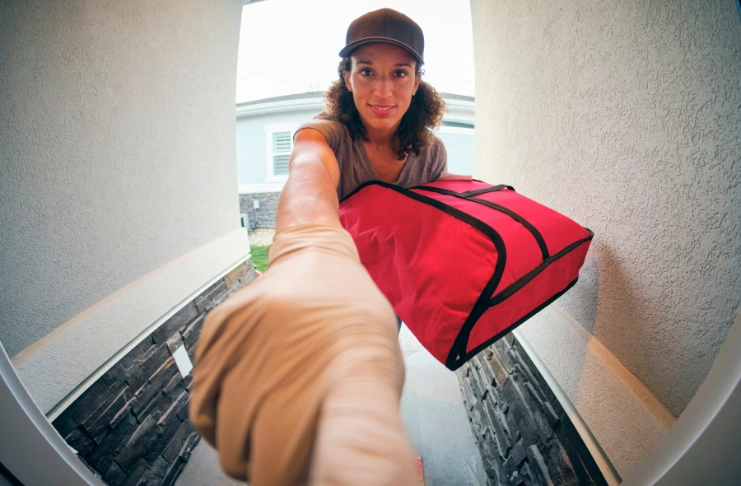
Learning from others’ mistakes saves time and money. Here are common issues that cloud kitchen entrepreneurs face:
Underestimating total costs. Initial setup costs are just the beginning. Factor in working capital for at least 3-6 months of operations.
Choosing the wrong location. Cheap rent isn’t worth it if delivery times suffer or licensing becomes complicated.
Overcomplicating the initial menu. Start simple and execute well. Complex menus increase costs and operational difficulty.
Ignoring food safety requirements. Compliance issues can shut down your business. Take food safety seriously from day one.
Poor packaging choices. Poor packaging can compromise food quality and the overall customer experience. Invest in proper packaging from the start.
Inadequate market research. Understand your competition and target audience before launching. Don’t assume demand exists for your concept.
How Do You Monitor Financial Performance?
Financial management makes or breaks cloud kitchen ventures. Regularly track key metrics to ensure profitability and identify issues early.
Important financial metrics include:
- Revenue per order
- Food cost percentage
- Labor cost percentage
- Platform commission costs
- Customer acquisition costs
- Monthly recurring revenue
Most successful cloud kitchens maintain food costs at 28-32% of revenue. Labor costs should stay below 30%. Platform commissions and marketing typically account for 20-25% of revenue.
Cash flow management is critical. Orders come in daily, but you pay suppliers and staff on a regular basis. Maintain adequate working capital to handle normal business fluctuations.
Consider using restaurant-specific accounting software. These systems understand the complexities of the food business and provide relevant reports and insights.
What’s the Future of Cloud Kitchen Business?
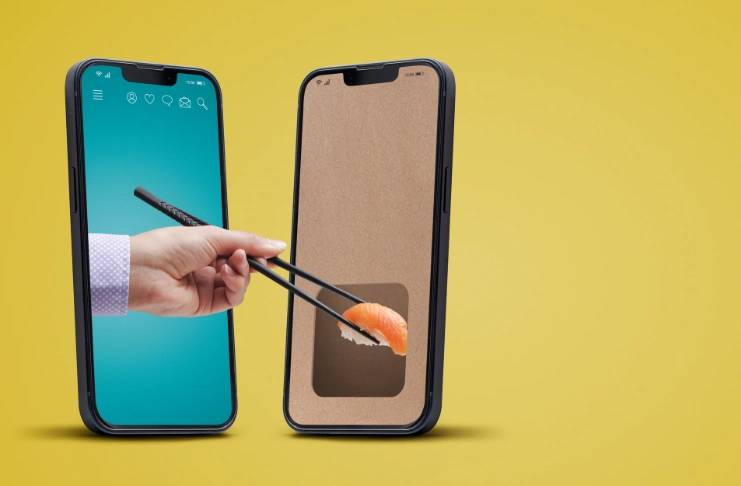
The cloud kitchen industry continues evolving rapidly. Technological advancements, shifting consumer preferences, and market consolidation are shaping the industry’s future.
Current market trends include:
- Increased demand for healthy and specialty diet options
- Growing importance of sustainability and eco-friendly packaging
- Integration of AI and automation in kitchen operations
- Expansion of delivery service areas
- Rise of subscription-based meal services
Virtual restaurants and cloud kitchens are becoming more sophisticated. Advanced inventory management, predictive analytics, and automated cooking equipment are becoming common.
The successful food delivery business of tomorrow will combine operational efficiency with strong brand identity and customer experience. Focus on building a sustainable business that can adapt to changing market conditions.
Conclusion
Opening a cloud kitchen represents an excellent opportunity in today’s market. The cloud kitchen model offers lower barriers to entry than traditional restaurants while serving the growing demand for food delivery services.
Success requires careful planning, proper licensing, and strong execution. Focus on food quality, operational efficiency, and customer satisfaction. The market has room for well-run cloud kitchens that consistently deliver high-quality food and service.
Start with thorough market research and a solid business plan. Choose your business structure and location carefully. Invest in proper licensing and food safety compliance from the beginning.
The cloud kitchen industry is expected to continue growing as consumer preferences shift toward convenience and variety. Position your business to capitalize on this growth by establishing robust operational foundations and upholding high standards.
Keep in mind that this is a highly competitive market. Success comes from excellent execution, not just a good concept. Focus on the fundamentals: great food, efficient operations, and satisfied customers.
Frequently Asked Questions
1. How much does it cost to open a cloud kitchen in Dubai?
Initial setup costs range from AED 49,300 to AED 161,700, including licensing, equipment, rent, and initial working capital.
2. Is cloud kitchen legal in the UAE?
Yes, cloud kitchens are completely legal and regulated. You need a proper trade license and a food license to operate legally.
3. Is it legal to sell homemade food in the UAE?
No, commercial food sales require proper licensing, approved kitchen facilities, and compliance with food safety regulations.
4. How much does it cost to open a restaurant in UAE?
Traditional restaurant costs are significantly higher than those of cloud kitchens, typically ranging from AED 200,000 to AED 500,000, depending on size and location.
5. How much does it cost to set up a cloud kitchen in Dubai?
License costs around AED 12,000 for mainland setup, with total initial investment ranging from AED 49,300 to AED 161,700.
6. Is cloud kitchen profitable in Dubai?
Yes, cloud kitchens can be profitable with 60% lower operational costs than traditional restaurants and growing market demand.
7. How much is cloud kitchen license in Sharjah?
Licensing costs vary by emirate and business structure. Contact local authorities for specific requirements and fees in Sharjah.
8. Is cloud kitchen allowed in the UAE?
Yes, cloud kitchens are permitted and regulated across all emirates, subject to proper licensing and compliance.
9. How much is a cloud kitchen license in UAE?
Costs vary by emirate and business structure, typically ranging from AED 10,000 to AED 25,000 for licensing alone.
10. How to open a cloud kitchen in UAE?
Obtain a trade license and a food license, secure a suitable location, set up a compliant kitchen, and register with delivery platforms.
11. Are virtual restaurants profitable?
Virtual restaurants can be highly profitable, thanks to lower overhead costs, efficient operations, and a strong online presence.
12. How do you start a virtual restaurant?
Follow the same process as cloud kitchens: licensing, location setup, compliance, and platform registration with a focus on online-only operations.