

Wondering how to open a restaurant in NYC and actually scale it? It’s challenging, but there’s no way around it. Between sky-high rents in Manhattan, plenty of paperwork from the health department, and more permits than you can count, it’s easy to feel overwhelmed.
But here’s the thing: thousands of restaurant owners have done it, and with the right approach, you can too. NYC has roughly 17,619 active restaurants as of 2025, so there’s clearly demand.
Whether you want to sell authentic food from Italy or build a modern concept with craft drinks, this guide will walk you through exactly what it takes to open your doors in New York.
How Do Successful Restaurants Get Off the Ground in NYC?
The restaurants that survive NYC’s first year share one trait: they plan for friction before it shows up. Here’s how you can do it too:
Step 1: Nail Down Your Restaurant Concept and Business Model
Before you spend a single dollar, you need clarity on what kind of restaurant you’re opening. Are you opening a fast-casual spot in Manhattan where people can eat and go, or a full-service establishment with bars and an extensive menu?
Your concept drives everything. It determines the space you’ll need and the permits you’ll apply for.
Talk to people who live in the neighborhood you’re targeting. Visit other successful restaurants and observe what works. Focus on a particular niche rather than trying to offer everything.
A well-defined business model helps you present your vision to investors and makes every decision easier down the line.
Step 2: Build Your Business Plan and Secure Funding
Your business plan is your roadmap. It should cover your restaurant concept, target market, projected costs, and how you’ll make money.
Be realistic about startup expenses. Opening a restaurant in NYC typically requires between $263,000 and $1,290,000, depending on location, size, and whether you’re taking over an existing space or starting from scratch.
Consider all the factors: rent, renovations (which can hit $100,000 just for ventilation systems), equipment, initial inventory, and working capital. Monthly operating expenses range from $46,700 to $125,000, so you need enough reserves to cover at least six months before your new restaurant becomes profitable.
Many restaurant owners use a combination of personal savings, bank loans, and investor money to get started.
Step 3: Find the Right Location and Negotiate Your Lease

Location can make or break your restaurant business. Manhattan has around 6,400 restaurants, and retail space availability dropped to just 12.8% in busy corridors as of Q2 2025. That’s the lowest point since 2014. Competition is fierce.
Look for a space that matches your concept and has the infrastructure you need. Converting a regular retail space into a restaurant requires serious work: proper ventilation, kitchen setup, grease traps, and more.
Negotiate lease terms carefully. Many landlords in New York City charge percentage rent on top of base rent, which means you’ll pay more as your sales grow.
Get everything in writing and have a lawyer review it.
Step 4: Register Your Business and Handle the Legal Stuff
You’ll need to register your business with New York State and get an Employer Identification Number (EIN) from the IRS. Choose your business structure. Most restaurant owners opt for an LLC for liability protection.
Next, register with the New York State Department of Taxation and Finance to collect sales tax on food and drinks. You’ll also need to register with the NYC Department of Consumer and Worker Protection.
Don’t skip workers’ compensation insurance. It’s required if you’re hiring staff. Set up payroll systems that account for minimum wage requirements, which in NYC are higher than in much of the country.
Step 5: Navigate NYC Permits and Licenses
Here’s where things get intense. The permit and licensing process in New York is notoriously complex, but it’s non-negotiable. Start with these essentials:
Health Department Permits: Submit your application to the NYC Department of Health and Mental Hygiene for a food service establishment permit. Fees range from $280 to $400, depending on your restaurant type. You’ll need to pass an inspection before you can legally sell food.
Certificate of Occupancy: Apply through the NYC Department of Buildings to confirm your space can legally operate as a restaurant.
Fire Department Permits: If you’re using cooking equipment that creates grease or fires, you’ll need permits from the FDNY. This includes hood and suppression system inspections.
Liquor License: If you want to offer drinks, apply through the New York State Liquor Authority. The process takes time, often several months, and requires background checks and extensive documents.
Sidewalk Café License: Planning outdoor seating? The Department of Consumer and Worker Protection handles these permits, which cost between $1,800 and $5,000 depending on your location and size.
Sign Permits: Even your storefront sign requires approval from the Department of Buildings.
Budget plenty of time for this step. Some permits take months to process, and you can’t open without them. Many restaurant owners in NY hire expediters to help navigate the bureaucracy.
Step 6: Design Your Space and Build Out Your Kitchen
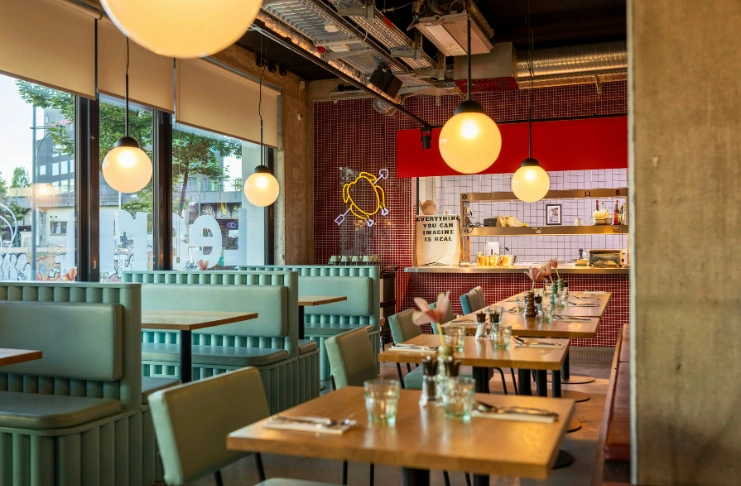
Once you have your permits lined up, it’s time to build. Work with architects and contractors who understand restaurant design and NYC building codes.
Your kitchen needs to meet health department specifications: proper refrigeration, food prep areas, hand-washing stations, and ventilation systems that meet fire safety standards.
The front of house matters just as much. Create an ambiance that matches your concept and makes people want to visit again.
Think about flow. Consider how customers move through the space, where servers need access, and how you’ll handle peak hour rushes. Every detail counts in making your restaurant feel like a place people want to spend time and money.
Step 7: Source Equipment, Suppliers, and Inventory
You’ll need commercial-grade restaurant equipment: ovens, ranges, refrigerators, freezers, dishwashers, and smallwares. Buy used equipment when possible to save money, but don’t compromise on critical items that affect food quality and safety.
Build relationships with reliable food suppliers. In the restaurant industry, consistency matters. Your customers expect the same quality every visit.
Negotiate payment terms and delivery schedules. Stock your bar with quality drinks if you’re serving alcohol, and find local suppliers when you can to support the community and reduce costs.
Step 8: Hire and Train Your Team
Your staff makes or breaks the customer experience. Start hiring managers early. You’ll need their help training the rest of your team.
Look for people with experience in the New York restaurant scene who understand the pace and expectations.
Budget for competitive wages. NYC’s minimum wage is higher than in many places, and skilled kitchen staff and servers command even more. Factor in payroll taxes, benefits, and the cost of training. You’ll pay more for quality people, but it’s worth it.
Build a positive work environment. Staff turnover is expensive and disruptive to running a successful restaurant.
Step 9: Develop Your Menu and Price Strategically

Your menu should reflect your concept while being practical to execute consistently. Start with a focused offering. You can always expand later. Test recipes thoroughly and cost out every dish to ensure profitability.
Pricing in NYC is tricky. Dining costs rose nearly 6% year-over-year recently, but customers still expect value.
Calculate food costs (aim for 28-35% of the menu price), factor in labor, overhead, and desired profit margins. Study what similar restaurants charge, but don’t undervalue your food just to compete. You need to cover your costs and make money.
Step 10: Market Your Restaurant and Build Buzz
Start marketing before you open. Build social media profiles and post behind-the-scenes content as you construct your space. Partner with local food bloggers and influencers. Consider a soft opening to work out kinks before your official launch.
List your restaurant on Google Maps, Yelp, and delivery platforms. Remember that 72% of NYC restaurants report increased sales from takeout and delivery. Make it easy for people to find you, whether they want to dine in or order to their place.
Submit your restaurant to the local press and food critics. Word of mouth matters enormously in a city where people have so many options for where to eat.
Offer exceptional service from day one, and your customers will become your best marketers.
INDUSTRY INSIGHT
| Nationally, the U.S. foodservice sector is forecast to hit $1.5 trillion in sales by 2025, with an estimated 200,000 new jobs, according to the National Restaurant Association. This signals continued confidence and expansion across the dining economy. In New York City, 66% of full-service operators reported modest growth in guest traffic, and 23% saw significant increases, underscoring the city’s steady post-pandemic recovery. Yet, the environment remains competitive. Operators must manage rising rents, shifting labor patterns, and stricter health-compliance expectations. Success will favor restaurants that adapt to new regulations, leverage customer data for operational decisions, and embrace digital gratuity systems that reflect evolving payment habits. Agility, not scale, will define the next wave of winners in the city’s restaurant scene. |
What To Do Next?
Opening a restaurant in NYC isn’t easy, but it’s absolutely possible with proper planning and realistic expectations. You’ve now got the roadmap: from nailing your concept and securing funding to navigating the permit maze and building your team.
The key is taking things one step at a time. Don’t let the requirements paralyze you. Start with your business plan, find the right space, and tackle each permit methodically. There are so many factors to consider, but beginning with a solid foundation makes everything easier.
New York City rewards restaurant owners who do their homework, stay persistent, and create something people genuinely want. The city is full of challenges, but also plenty of hungry customers looking for their next favorite place to eat.
Your new restaurant could be exactly what your neighborhood needs. Here are some final tips: stay organized, track every cost, build strong relationships with suppliers and staff, and never compromise on food quality. Now get out there and make it happen.
Frequently Asked Questions
1. How much does it cost to open a restaurant in NYC?
Opening a restaurant in NYC typically costs between $263,000 and $1,290,000, depending on location, size, and concept. This includes lease deposits, renovations, equipment, permits, initial inventory, and working capital. Manhattan locations and full-service restaurants cost significantly more than outer borough quick-service spots.
2. Is $10,000 enough to open a restaurant?
No, $10,000 is nowhere near enough to open a restaurant in New York City. Even the smallest food service operations require permits, equipment, inventory, rent deposits, and operating capital that far exceed this amount. Realistic minimum funding starts around $250,000 for very modest concepts.
3. How much does a restaurant owner make in NYC?
Restaurant owner income varies dramatically based on concept, location, and business model. Successful restaurant owners in NYC can earn $60,000 to $150,000+ annually, but many make less during the first few years. Profitability depends on controlling costs, building steady traffic, and managing risk factors.
4. Are restaurants in NYC profitable?
Yes, restaurants in NYC are profitable, but they have their own challenges. The NYC restaurant industry is competitive with high costs for rent, labor, permits, and supplies. Successful restaurants typically achieve 3-10% profit margins after several years. Many new restaurants struggle initially, and plenty close within the first year due to multiple factors working against profitability.