Opening a bar and restaurant demands “real” passion for hospitality with solid business sense.
The restaurant industry offers tons of opportunities if you’re willing to invest your time, effort, and capital.
Whether you’re keen on starting a sports bar or a specialty concept, you’ll need careful planning and strategic thinking to make it work.
This guide walks you through the exact steps on how to open a bar and restaurant. Here, you’ll learn how to choose your concept, find the right location, get licenses, manage money, design your space, build menus, hire staff, and finally, market your business.
What Must You Know About the Bar Business Sector?

The bar business has evolved in ways that require restaurant owners to balance hospitality with modern expectations. Understanding market dynamics is key to launching a bar and restaurant.
INDUSTRY INSIGHT
| According to industry projections, the U.S. bars and nightclubs market is expected to generate approximately $39 billion in revenue by 2025, highlighting the immense growth potential and profitability within this vibrant sector. |
Current Trends in the Hospitality Industry
The hospitality industry moves fast. Here’s what drives success today:
- Offering memorable, experience-driven settings.
- Developing specialty cocktails or signature dishes that reflect your USP.
- Building community engagement to create real connections with guests.
Why People Own a Bar
Many entrepreneurs dream of running their own bar or restaurant. Such appeal comes from:
You get to create a space where people celebrate and relax. Your bar can become the neighborhood hub everyone talks about. And you can turn your passion into profit through creativity and strong hospitality.
When you combine dedication with flexibility and put service first, your bar business thrives professionally and financially.
How Can You Develop Your Bar Concept?

The concept you choose for your bar will shape everything that follows. Be it your target market or your menu, a clear concept will help you stand out and attract the right customers.
Types of Bars to Consider
There are many bar formats, and each attracts a different sort of crowd. For example:
Sports bars draw people who love live games, hearty food, and high energy.
Neighborhood bars offer comfort and a laid-back vibe for regulars.
Specialty bars like cigar lounges or craft beer spots appeal to specific tastes with premium offerings.
Pick the concept that fits your location, licensing options, and what you eventually want to scale.
Defining Your Target Marketing Strategies
Knowing your target market lays the foundation for a successful bar or restaurant. For example, in the U.S., the prime-age group going to bars remains 21-34, accounting for around 31% of industry revenue.
Below are some key steps you can follow to define your audience:
- Analyze demographics such as age, income, lifestyle, and social preferences in your area.
- Identify gaps in the local market to uncover what potential customers truly want
- Align your bar concept, pricing, and decor with the tastes of your chosen demographic
When you understand who you’re serving, every decision (from menu design to marketing) becomes more strategic and effective.
Creating a Unique Value Proposition
To actually thrive in the market or even sustain for a long time, you need to have something that sets you apart.
Try these approaches:
- Host live music or themed nights.
- Offer signature menus with farm-to-table plates or local ingredients.
- Create cocktails that look amazing on Instagram.
The purpose of these pointers is to strengthen your brand and keep people coming backr brand recognition and keeps customers coming back for more.
How to Craft a Solid Bar Business Plan?

A solid business plan guides your decisions, helps you get funding, and keeps you focused. With these benefits, it’s needless to mention that every successful bar needs one before opening.
Executive Summary and Mission Statement
In the simplest terms, your executive summary captures what your bar is about.
What must you include in it? Your concept, target market, and what makes you different. Show realistic financial projections. Write a mission statement that reflects your purpose beyond just making money.
A strong summary attracts investors and unites your team around a shared vision.
Market Analysis and Competition Research
Good market research lays the groundwork for any business. To master it, you can visit local bars (around your area) and watch how they operate. Check their service style, pricing, and how customers respond to it. Look at what competitors do well and where they fall short.
Find the gaps your bar can fill. Maybe by offering a fresh concept or better service, you’ll find your edge sooner.
Financial Projections and Startup Costs
The only way to know if a bar actually makes financial sense is to track it.
List every upfront cost: rent and deposits, renovations, equipment, licenses, inventory, and emergency funds.
Then look at the potential to earn in your area. Use industry benchmarks, but ground them in local reality.
What do similar bars in your area charge, and how busy are they on an average week?
Location matters just as much. Costs change by city, neighborhood, and even the street you’re on, so factor those in properly.
Funding Strategy for Bar and Restaurant Investment
Most bar owners rely on external funding and investments to get their businesses started. Naturally, you’ll too.
Here are several options you may explore:
- Look into your personal savings
- Seek bank loans, angel investors, or partnerships
- Ask for crowdfunding
Use a detailed business plan to show your investor that you really understand the market and can turn a profit.
In return, decide what you can offer them, be it equity, profit-sharing, or structured repayment.
How to Choose the Right Business Structure?

Your business structure affects taxes, legal liability, and operational flexibility. Understanding different entities helps you make informed decisions and protect your interests.
Sole Proprietorship Considerations
Choosing the right business structure is critical when opening a bar or restaurant. Key points to consider about sole proprietorships are:
- It is the simplest and easiest business entity to set up.
- It does not provide personal liability protection, leaving your assets exposed.
- It may only suit very small operations due to the risks associated with alcohol service.
Opting for the right business entity ensures you balance simplicity with protection for your personal and financial assets.
Limited Liability Company Benefits
Here’s why most bar and restaurant owners bet on an LLC over any other structure:
- It separates personal assets from business debts and legal liabilities.
- It offers tax advantages and a simpler management structure.
- It allows operational flexibility, making it easier to scale, bring in partners, or adjust business strategies as your bar grows.
An LLC structure safeguards your personal finances and creates a stable foundation for sustainable growth and long-term success in the hospitality industry.
Obtaining Your Employer Identification Number
An employer identification number is important for any professional operations. For example, you need it for tax filings, business bank accounts, and even for legally hiring employees.
The application takes minutes, costs nothing, and happens online. It separates your business finances from personal accounts, making everything cleaner.
Getting your EIN ensures legal, efficient operations from day one.
How Can You Secure Licenses and Permits for Your Business?

Licensing is one of the most complex aspects of starting a resto-bar business. Requirements vary by location but universally require patience, documentation, and fees.
Liquor License
Getting a liquor license is among the most important steps when getting started. However, the type of license you should get depends on what you serve.
For example, a beer bar has different requirements than a full-liquor establishment.
Research your local and state processes early. Applications can take months and cost serious money. Plan ahead so delays don’t push back your opening.
House License and Local Permits
In addition to a liquor license, you’ll need a house license or on-premises consumption permit to allow customers to drink on-site.
And that’s not it. You’ll also need approvals from the fire department, health department, and building authorities for safety, food service, and structural compliance.
In the process, you’ll also realize that there are completely different sets of rules for ground-floor and upper-level establishments. And you must comply with them all.
Music License and Entertainment Permits
Offering entertainment at your bar or restaurant can enhance the customer experience, but it comes with regulatory requirements. Key steps for compliance are:
- Securing music licenses from organizations like ASCAP, BMI, and SESAC to legally play recorded or live music
- Obtaining permits for games and activities such as pool tables, dartboards, or other recreational equipment
- Ensuring all entertainment offerings comply with local laws to prevent fines or legal issues
Properly licensed entertainment adds value to your bar while keeping your operations fully legal and hassle-free.e to your bar while keeping your operations fully legal and hassle-free.
How to Find the Perfect Location for Your Bar and Restaurant?

Location can make or break your bar business. The right spot attracts your target market naturally while the wrong one dooms even great concepts.
Work with a Real Estate Agent
Partnering with an experienced real estate agent can make finding the perfect bar or restaurant location much easier. Ways they add value are:
- Navigating zoning laws, lease negotiations, and current market rates efficiently
- Matching your bar concept and requirements with properties that fit your vision
- Identifying potential issues, such as hidden costs or restrictive lease terms, before signing
Working with the right agent helps secure a location that supports your bar’s success and long-term growth.
Evaluate the Neighborhood
Your location directly influences your customer base. Look at foot traffic, nearby businesses, and competing bars or restaurants.
Study demographics to confirm whether your concept matches local preferences.
Visit potential locations to analyze how the crowd there behaves at different times of the day. What’s their activity level, to be precise?
Then, based on such observations, choose a location that fits your concept and long-term profitability goals.
Considering Visibility and Accessibility
Securing a high-visibility location can significantly boost your bar or restaurant’s customer traffic. Key considerations for choosing the right spot are:
- Selecting corners, main streets, or areas near popular destinations to maximize exposure
- Ensuring convenient parking, public transportation access, and smooth delivery routes
- Balancing rent costs with visibility and accessibility to stay within your budget
Finding the ideal location helps attract more customers while supporting efficient day-to-day operations.
How to Design Your Bar Layout and Atmosphere?
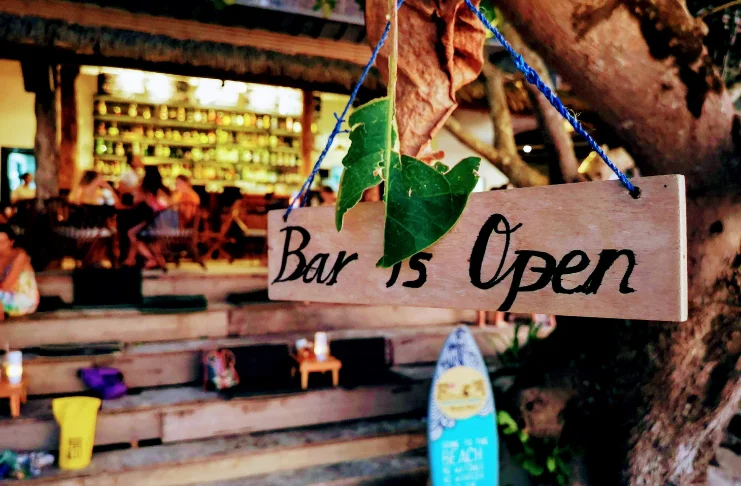
Your physical space creates the customer experience. Thoughtful bar design maximizes efficiency while creating the atmosphere that defines your brand.
Work with an Interior Designer
Hiring a professional interior designer can transform your bar or restaurant into a functional and visually appealing space. The benefits of working with a designer are:
- Optimizing layout for smooth traffic flow, ergonomics, and compliance with building codes
- Building an inviting atmosphere that enhances the customer experience and brand identity
- Avoiding costly mistakes in design and construction that can hinder operations
Investing in expert design is one of the surest ways to ensure your bar looks attractive while supporting efficient, profitable operations.
Create the Right Atmosphere
Atmosphere shapes how customers feel in your bar. And if you want to attract more customers to your establishment, you must strive to match your concept with their energy and style.
For example, sports bars need lively settings, while neighborhood bars work better with a quiet, cozy vibe.
Use lighting, music, decor, and layout to influence mood. Pick durable, comfortable furnishings that work functionally and look good.
The right atmosphere makes guests feel welcome and want to stay longer.
Essential Bar Equipment
Investing in the right equipment is essential to running an efficient, high-quality bar or restaurant. Key considerations for equipment selection are:
- Ensuring essential items like draft systems, ice machines, glassware, POS systems, refrigeration, and storage are included.
- Prioritizing quality equipment to minimize maintenance issues and replacements over time
- Balancing initial costs with long-term operational efficiency and budget constraints
The right tools will set you up for consistent service and customer satisfaction.ht tools sets your bar up for smooth service and consistent customer satisfaction.
How Can You Develop Your Food and Drink Menu?

The menu is usually the first thing you serve your customers as they settle. It must be strategic.
And why not? A good menu directly impacts profitability and customer satisfaction. It balances what customers want with your profit margins.
So, How to Craft a Profitable Drink Menu?
A well-crafted drink menu is crucial for attracting customers and maximizing profits. Key elements of an effective menu are:
- Offering a balanced mix of signature cocktails, classic favorites, and a variety of beers, wines, and spirits
- Pricing drinks strategically to maintain target profit margins, typically around 20-25% pour costs.
- Updating the menu regularly based on sales trends, seasonal ingredients, and customer preferences
A thoughtfully designed drink menu enhances your bar’s identity while keeping patrons engaged and satisfied.
Deciding on Food Offerings
Deciding on your food offerings shapes your bar or restaurant concept and customer appeal. Important considerations for food service are:
- Offering full meals or simple snacks to attract customers and boost average checks
- Accounting for kitchen equipment, permits, and trained staff required for food preparation
- Starting with limited menu items like appetizers or bar snacks and expanding as the business grows
Aligning your food strategy with your concept and target market improves customer experience and supports business growth.
Balancing Quality and Profitability
A profitable menu balances customer appeal with operational efficiency. To achieve that, you must first evaluate each item for customer demand, food cost, preparation time, and pricing.
Based on the analysis, scrap the underperforming dishes from your menu (entirely! No need to keep anything that doesn’t serve well).
Plus highlight high-margin favorites – the dishes that your customers love and willingly pay for.
You may also improve your bar’s profitability by sourcing high-quality ingredients directly from reliable vendors at competitive prices.
In short, combine consistent quality with disciplined cost control, and your menu will surely drive both satisfaction and profitability.
How to Hire and Train Staff the Right Way?

Your team makes or breaks the customer experience. Recruiting, training, and retaining quality staff requires ongoing effort and investment.
Identify Your Staffing Needs
Staffing your bar or restaurant effectively ensures smooth operations and excellent customer service. Steps to plan your team are:
Determine what roles you need: bartenders, servers, cooks, barbacks, hosts, and managers. Base this on your service style and expected volume.
Decide which positions you want to hire for on a full-time or part-time basis to align with operational needs and the budget.
Recruit Quality Team Members
Building a skilled, reliable team is non-negotiable, and here’s how you can go about it:
- Focus on both experience and positive attitude.
- Seek candidates on multiple job boards. Also, use social media, visit culinary schools, contact your industry network for referrals, and more.
- Clearly mention in your job post that you offer (and really do) competitive wages and a supportive work environment. Offer flexibility and a clear growth plan as well.
Offer a mix of remote, bite-sized, and detailed on-ground training to your staff so they can naturally upskill and take on more nuanced tasks in the long run.
How Can You Better Understand Startup Costs and Budgeting?

Good financial planning is all about avoiding running out of cash when the bills keep coming, and customers don’t.
When you know exactly where your money is going, you can budget and raise the right amount from day one. How, though?
Tracking Where the Money Goes
To open and eventually run any food-service establishment, you must have sufficient funds at your disposal. Key components of startup costs are:
- Real estate deposits and rent, which often require substantial upfront capital
- Renovations, build-outs, bar equipment, furniture, and technology expenses
- Inventory, licenses, insurance, marketing, and emergency savings
These costs can vary sharply by location, though, so research properly before investing.
Keeping Cash Flow Healthy
Cash flow is what keeps the lights on in the early months. Even the most established bars can struggle if money is tied up in the wrong places.
That means what you must do right now is:
- Keep enough working capital to cover fixed costs during slow weeks
- Watch receivables and payables closely, and
- Align supplier payment terms with how and when your revenue comes in.
Planning for the “Something Went Wrong” Moments
Things often go unplanned in businesses. Sometimes your equipment breaks, other times, out of nowhere, your marketing team requires more budget that month.
The smartest way to handle this is to plan for it up front. Build an emergency buffer that covers at least 3 months of operating expenses. That cushion lets you absorb surprises without cutting corners or risking the business.
What are Some of the Best Ways to Market Your Business?

Effective marketing fills your bar with customers. Now add to it a multi-channel approach, and you suddenly reach a huge untapped audience.
Before You Open
The biggest factor that brings a customer through a door for the first time is curiosity and excitement. Generate it, and you’ve got your audience.
How? Establish your social media profile and share snippets from your construction days through the final launch and beyond.
Network with nearby businesses to build awareness. Also, do a paid campaign if it fits your budget.
Host a soft opening for your friends, family, and local influencers. Share their reactions on your website and socials. These steps will at least help you build momentum and get your name out there.
Grand Opening
The grand opening is the first real introduction of any business.
People form an opinion within a minute they walk through your door. How can you make sure that the image is most often a “positive” one?
- Plan the event that’s strongly aligned with your concept. For example, if you are a neighborhood bar, make it lively. If it’s premium, keep it tight and curated.
- Offer time-sensitive incentives or deals
- Invite your acquaintances, local media, food bloggers, and influencers in
Ask someone from your team to capture the night properly. You can use those photos and videos to attract even more of the crowd.
Put them on your site and your social pages, and let people get an idea of what they walked past.
Ongoing Promotion
Once you finally launch, visibility (as it should) becomes a habit. Some strategies that might work for you:
- Hosting themed nights, live music, or happy hour specials
- Implementing loyalty programs that reward repeat visits
- Engaging on social media
- Collaborating with local businesses and influencers,
- Supporting community causes
Consistent and targeted marketing ensures your bar stays relevant, attracts new patrons, and retains loyal customers over time.
How to Leverage Technology and POS Systems?
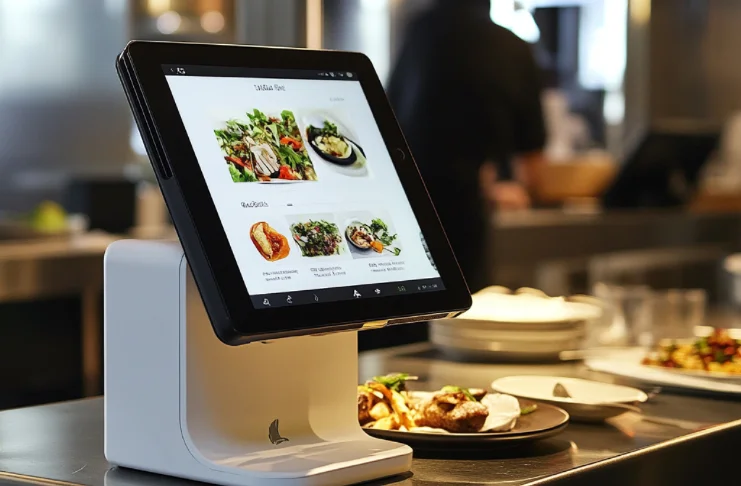
Technology should make your life easier. That’s the whole point.
For example, if you use POS for your orders, payments, stock, etc., it has to be simple, fast, and reliable.
In fact, 74% of U.S. bar and taproom operators now use handheld POS devices, and, luckily, they report faster service, with 59% seeing increases in average tabs.
Most of them also use modern tools to track their inventory – what is being poured and sold, and when.
Do physical counts regularly. They keep everyone honest and catch issues early. Basic controls around storage and access reduce waste and avoid uncomfortable conversations later.
Remember: When tech is chosen right, it fades into the background. Service feels smoother, staff feel less stressed, and you stop guessing where the money is going.
What Can You Learn from Existing Bars?

One of the sure-shot ways to learn is to pay attention to bars that already work. You do not need to copy them. You need to understand why people keep going back.
Spend time in places that are busy and consistent. Notice how service flows, what the menu looks like, how prices are positioned, and how the space feels during peak hours. Watch how the staff handles pressure and how guests are treated when the bar is full. Then ask yourself what fits your idea and what does not. Your concept still needs its own identity.
Important: Learn from places that struggled, as well. Many bars fail for the same reasons. They start with too little capital, pick the wrong location, or open without a clear point of view. Others underestimate marketing or run messy operations that slowly bleed money.
Talk to people who have done it before. Most owners are happy to share what they would do differently.
How Can You Plan for Growth and Expansion?

Growth looks exciting on paper, but it needs timing and restraint. Expanding too fast often hurts the business you already have.
When your bar starts making money, the temptation is to sit back. That is usually when regulars start noticing small declines.
Reinvestment keeps the place feeling alive. This does not mean ripping everything apart. Small changes go a long way. A refreshed look, a menu that evolves with what people actually order, or better equipment that makes service smoother all have a real impact.
Guests feel when a place is being looked after. They come back more often when it is.
Opening a second location is not a small decision. It only makes sense once the first bar can run without you hovering over it every day. If systems are shaky, managers need constant fixing, or the numbers change week to week, expansion will amplify those problems. It also demands more cash and more patience than most people expect.
Conclusion
If you are opening a bar or restaurant, keep things grounded from the start. Be clear about what you are building, who it is for, and the kind of experience you want people to remember.
Keep your tech stack ready. Reliable equipment, a POS that does not fail during rush hour, and numbers that reflect reality help you stay in control when things get busy.
Frequently Asked Questions
1. Is owning a bar and restaurant profitable?
It can be, but only when you have a clear concept, tight cost control, and repeat customers.
2. Is 100k enough to open a bar?
For a small, neighborhood-style bar, 100k can be enough if you budget carefully and keep the concept simple.
Anything larger, more design-heavy, or alcohol-forward usually needs more capital.
3. What permits do you need to open a bar in California?
At a minimum, you will need a liquor license, health permits, and a business license. Depending on your setup, you may also need music licenses and fire department approvals.
4. How to run a bar and restaurant?
To run a successful bar and restaurant, you need to hire and train the right team, manage inventory, monitor cash flow, market consistently, and deliver the same experience every day.
5. How much does it cost to start a restaurant and bar?
Smaller setups may start around $100,000, while larger or more premium concepts can cross $500,000. Location, build-out, and equipment drive the difference.
6. How profitable is a bar business?
Bars can generate strong margins when pricing, portion control, and peak-hour traffic are handled well.
7. Is opening a bar profitable in India?
Yes, opening a bar is profitable in India, especially in the right location with a concept that fits the market.
8. How much does a bar license cost in India?
A bar license in India can range from ₹2 lakh to ₹20 lakh, depending on the state, type of license, and establishment size.
9. How much does it cost to open a club in India?
Opening a club in India typically costs ₹50 lakh or more, factoring in liquor licenses, interior design, staff, and equipment for a high-end setup.