

Running a successful restaurant business requires more than great food. It demands strong restaurant management, financial discipline, continuous innovation, and a constant focus on customers. For restaurant owners seeking to build a sustainable and profitable business, this post provides an in-depth look at the key aspects and grow your restaurant.
1. Understanding the Restaurant Industry
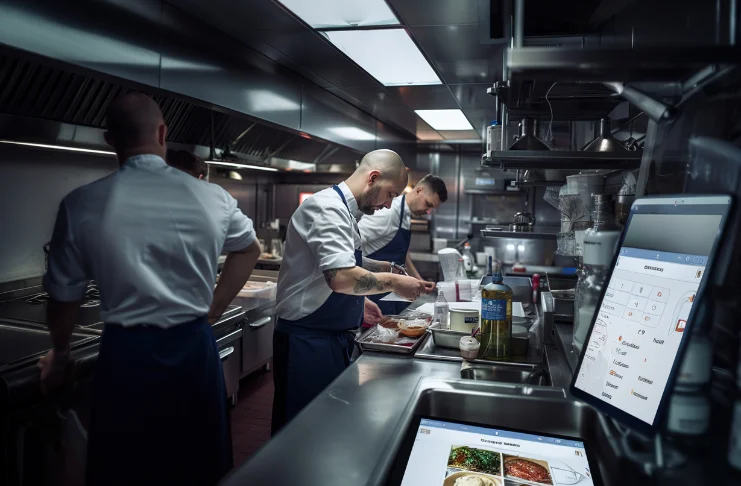
To run a successful restaurant, you must first understand where the restaurant industry stands today and where it is headed.
INDUSTRY INSIGHTS
| Limited-service or quick service restaurants (QSR or fast food) often see higher margins, around 6-9%. And, up to 94% of U.S. diners report that they base their dining decisions on online reviews. Customer retention in the restaurant industry tends to lag behind that of other sectors. For example, while banking and retail typically see retention rates of around 60-80%, restaurants often have retention rates closer to 30% of business from existing customers. |
These numbers indicate that new restaurant owners must establish both a strong online reputation and have dedicated restaurant staff to sustain restaurant success.
2. Define Your Restaurant Concept Clearly

A restaurant concept is the foundation of everything else: it drives your restaurant type, target market, menu offerings, design, pricing, service style, and marketing. Successful restaurant owners ensure their concept is both distinctive and aligned with what customers want. Key components of a strong concept are:
- Restaurant type: fast casual, fine dining, café, food truck, etc. Each type brings different cost structures, staff needs, guest expectations, and profit margins.
- Unique concept: What makes your restaurant different? It might be special cuisine, a twist on service, design, atmosphere, or location. Differentiation helps you stand out in a crowded restaurant industry.
- Target audience: Who are your guests? Families, millennials, business diners, local workers, tourists? Understanding what they expect in terms of food quality, price, speed, and ambiance helps in all decisions.
But how does concept clarity help? A clear concept of your restaurant helps your business in the following ways:
- When your menu offerings are tightly aligned with what your target market values, you reduce waste, make purchasing and staffing more efficient, and improve guest satisfaction.
- It’s much easier to market a restaurant when your branding, message, decor, and menu all reinforce a consistent concept.
- Concept clarity assists in setting pricing that matches guest expectations while covering costs, whether for an own restaurant or franchise.
3. Location and Layout: Physical Foundations

Even the best food can’t save a restaurant in a bad location or with an inefficient layout. Owners must plan carefully.
- Choosing the ideal location: Visibility and foot traffic are crucial. A location with high pedestrian traffic or near transit or workplaces tends to attract steady business. Accessibility, parking, or drop-off options matter especially in suburban or car-dependent areas. Demographics of neighborhood: income levels, dining habits, competition, and local population density influence your restaurant’s success.
- Designing layout for guest experience and operational efficiency: The dining room layout should strike a balance between capacity and comfort. Overcrowded seating may increase turnover but compromise guest satisfaction.
Kitchen location, supply storage, service path, delivery entrance, restrooms; these all affect how smoothly day-to-day operations proceed. Guests’ impressions of the dining experience include the physical atmosphere, such as lighting, acoustics, and cleanliness, which affect customer satisfaction and repeat business.
4. Menu Design, Food Quality, and Food Costs

How your menu is designed, the high-quality ingredients you use, and managing food costs are central to profitability and guest satisfaction.
- Crafting the menu: Include signature dishes that align with your concept and target market. These help create identity and memorability. Keep the menu focused; too many items can lead to increased inventory, complexity, waste, and difficulty in staff training. And, update periodically with seasonal specials, limited-time offers, or product rotations to keep interest high and adapt to trends.
5. Staffing, Training, and Staff Management

People are as critical as food. A restaurant’s staff defines guest experience and operational efficiency.
- Hiring and onboarding employees: Hire staff members who share your vision, concept, and customer service values. Attitude and fit are as important as skill. Provide thorough onboarding and training in both food preparation standards and guest interaction. Front-of-house staff must understand guest expectations, while back-of-house staff must adhere to recipe standards and safety practices.
- Keeping staff motivated and aligned: Staff surveys are useful for understanding challenges, gathering suggestions, and maintaining high morale. Happy staff tend to deliver better service, reducing likely mistakes in the kitchen or service. Performance incentives tied to service quality, upselling, or operational efficiency can align staff with restaurant goals.
- Managing labor costs: Labor often accounts for 30-35% of a restaurant’s revenue in many full-service operations. Controlling labor costs without hurting service is critical. Optimize schedules based on forecasted customer traffic. Avoid over-staffing during slow periods or understaffing during peak hours.
6. Operational Efficiency for Restaurant Operations

Smooth, efficient operations are a linchpin of long-term restaurant success.
- Systems and processes: Use a reliable POS system to track orders, payments, table turnover, inventory, etc. This helps in analysing trends, controlling food costs, and reducing waste. Standardizing recipes ensures consistency in serving food, portion sizes, cost per dish. Without standardization, variance erodes guest satisfaction and profitability. Adopt inventory management tools to track stock, reduce spoilage, avoid over-ordering, and avoid last-minute rush buying at higher prices.
- Technology supports efficiency: Contactless payments speed up checkout and reduce errors and customer friction. Online ordering and, if feasible, delivery options help capture additional revenue streams. Many guests prefer ordering directly from the restaurant rather than through third-party aggregators. Use scheduling software to manage staff shifts, forecast labor needs, and avoid unnecessary overtime.
7. Marketing, Customer Service, and Online Presence

For restaurant success, guest satisfaction, customer loyalty, and marketing efforts must be tightly integrated.
- Building your online presence: A well-designed website, clear menu, hours, contact information, and reservation or online ordering links help potential customers find you. Maintain an active social media presence. Share photos of high-quality food, behind-the-scenes, events, or specials. Authenticity helps with guest connections.
- Managing online reviews and reputation: 84% of customers trust online reviews as much as they trust personal recommendations. Responding to negative reviews politely and fixing what went wrong helps turn dissatisfied customers into loyal ones and shows potential guests that you care.
- Customer service and guest experience: Excellent customer service encompasses staff friendliness, attention to guest needs, prompt food service, and consistency. A dining experience encompasses ambiance, decor, acoustics, cleanliness, temperature, and overall comfort. Guests often judge restaurants not just on food but on how they feel while dining.
8. Cost Control and Financial Planning

Profits hinge on managing costs and planning ahead.
- Financial projections and budgets: Estimate expected revenue and costs month by month, including seasonal fluctuation. And, establish budgets for food costs, labor costs, and overheads (rent, utilities, maintenance).
- Monitoring costs and saving money: Regularly negotiate with suppliers. Buying in bulk or choosing local suppliers may reduce transportation costs. Investing in energy-efficient equipment, proper insulation, and smart lighting can lower utility bills.
9. Guest Expectations and Dining Experience

Meeting and exceeding guest expectations is central to restaurant success and to building customer loyalty.
- Understanding what guests expect: Guests expect consistent food quality, clean surroundings, and friendly service. If one meal is excellent and the next sub-par, that erodes trust. They also expect value for money, encompassing not only price but also portion size, service speed, and menu variety. Increasing prices without perceived added value often leads to negative reviews.
- Delivering a successful restaurant experience: Management should train staff to anticipate guest needs, manage special requests, and correct mistakes gracefully. The physical dining space matters: comfortable seating, lighting, music level, and hygiene. Even small touches, such as clean restrooms and ambiance, raise guest satisfaction.
10. Using Feedback and Innovation for Repeat Business

To maintain long-term growth, successful restaurant owners continually adapt and innovate.
- Collecting feedback: Use online reviews, guest surveys, and social media mentions. Feedback might highlight bottlenecks, taste preferences, and service lapses. And, use staff surveys as well: often, staff on the front lines see operational inefficiencies that guests don’t.
- Innovating menu, service, atmosphere: Rotate seasonal items, experiment with specials, or limited-time menu offerings. This drives interest and can help you adjust to cost fluctuations (ingredient price changes). Also, try hosting special events, theme nights, and promotions to attract new customers and fill empty tables during slow periods.
- Staying ahead of the competition: Study what successful restaurants are doing: what kinds of promotions, what menu trends, what design features appeal. And, monitor emerging customer preferences, including sustainability, locally sourced ingredients, and dietary restrictions (such as vegetarian, vegan, and gluten-free).
Conclusion
Running a restaurant successfully combines many moving parts: concept, food quality, operations, staff management, customer service, marketing, cost control, and continuous learning. Realistically, many restaurants operate with thin margins, typically 3-5% for full-service and 6-9% for limited-service operations. But those who pay attention to detail, make careful plans, respond well to feedback, and maintain high standards of food, service, hygiene, and guest experience are more likely to build long-term success and growth.
Frequently Asked Questions
1. How can I make my restaurant run better?
Focus on streamlining restaurant operations: by standardizing recipes, improving kitchen flow, and ensuring staff are well-trained. Use guest feedback and manage costs carefully.
2. What is the key to success of a restaurant?
The key lies in consistency: consistent food quality, excellent customer service, and a consistent experience. Alongside that, strong concept and careful financial planning matter deeply.
3. Is it profitable to run a restaurant?
Yes, it can be profitable, but profit margins are often slim. After covering food costs, labor costs, rent, and overheads, profits may range from 3% to 8% of total sales for many restaurants. Extraordinary management can push that higher.
4. How to run a restaurant smoothly?
Smooth operations stem from effective staffing, reliable processes, efficient technology, strong menu planning, and consistent monitoring. Never ignore guest expectations or quality.
5. How can I make my restaurant more successful?
Enhance customer satisfaction, innovate in your menu offerings, market effectively online and locally, and always respond to feedback. Keep guests and bring in new customers through a strong reputation.
6. How profitable is owning a restaurant?
Profitability depends on the type of restaurant, location, cost control, and scale. Fine dining usually has a higher average check but also higher costs. Fast casual may have lower per-ticket revenue but higher turnover.
7. How to make a restaurant run smoothly?
Smooth operations stem from effective staffing, reliable processes, efficient technology, strong menu planning, and consistent monitoring. Never ignore guest expectations or quality.
8. Which type of restaurant is most profitable?
Fast-casual and quick-service restaurants often exhibit higher profitability per square foot due to lower labor and overhead costs. However, high-quality fine dining can yield high margins if well-managed.
9. How do I make sure my restaurant is successful?
Define a strong concept, track relevant metrics, invest in staff and customer experience, control costs, and stay ahead with marketing and menu innovation.
10. How profitable is running a restaurant?
Profit varies widely. Restaurants with excellent cost control, premium pricing, loyal guests, and efficient operations may achieve profit margins up to 10% or more, though many operate at lower margins.