



Launching your own business indeed sounds exciting, but it comes with a lot of challenges. For example, if you plan to start a baking business, yes, you must have practical skills like baking, but that’s not it.
You must think and plan from a business owner’s mindset. From licensing and specific UK law to equipment, business premises, and pricing, you must follow every detail to the T.
Unsure how to? This guide shows how to start a bakery business UK and operate it with confidence. Let’s get in!
What Type of Bakery Should You Open?
Your bakery business model determines everything from startup costs to daily operations.
A retail bakery, for example, focuses on walk-in customers buying fresh-baked goods daily. These brick-and-mortar bakery locations require prime foot traffic areas and visually appealing displays. You’ll serve individual customers looking for breakfast pastries, artisan breads, and specialty items.
Counter-service bakeries combine retail sales with limited seating. Customers order at the counter and enjoy fresh items on-site. This business model is particularly effective in busy neighborhoods where people seek quick, high-quality food.
A bakery café offers full table service alongside retail sales. You’ll need more space, staff, and equipment, but can charge a higher price point. Many bakery café operations also serve lunch items and beverages.
Wholesale bakery businesses supply other businesses, such as restaurants, cafes, and grocery stores. You’ll focus on large-batch production rather than individual customer service.
INDUSTRY INSIGHT
| According to Circana data, the UK bakery market was valued at £6.65 billion in 2024, with an annual growth rate of 1.8%. In fact, the bakery industry makes up 6% of the entire UK food market. |
How to Start a Bakery Business UK?

The UK hospitality industry is a highly saturated market, and any bakery that sells food must meet strict standards to stand out. From securing the right licenses and keeping food safe to setting up suppliers and building your Facebook page, every step matters.
Each stage should move you closer to running a bakery that is compliant, competitive, and customer-ready.
Below is a step-by-step breakdown of what it takes to launch and run a successful bakery.
Step 1: Research Your Market and Competition
Understanding your local area helps you make informed business decisions about your bakery concept.
Drive around potential neighborhoods at different times of day. Count existing bakeries and coffee shops. Notice busy periods and quiet times. Discuss foot traffic patterns with local business owners.
Visit competitor locations as a customer. Study their product offerings, pricing strategy, and customer service. What do they do well? Where do you see gaps?
Your market research should clearly identify your target market. Are you serving busy professionals needing quick breakfast options? Families wanting celebration cakes? Health-conscious customers seeking gluten-free options?
Document everything you learn. This information becomes the foundation of your bakery business plan.
Step 2: Develop Your Business Plan
A solid business plan guides your bakery business decisions and attracts potential investors or lenders.
Start with your concept summary. Describe your bakery type, target customers, and unique selling point. What makes your baking business different from competitors?
Calculate your projected start-up costs carefully. Include equipment, initial inventory, rent deposits, permits, and working capital for the first few months.
Create realistic revenue projections. Research the average sales per square foot for similar businesses in your area. Factor in seasonal fluctuations and growth timelines to ensure accurate projections.
Your bakery business plan should include:
- Executive summary
- Market analysis findings
- Product and service descriptions
- Marketing strategies
- Financial projections
- Operational procedures
Keep updating your business plan as you gather more information during the planning process.
Step 3: Choose Your Business Structure
Your business structure affects taxes, liability, and operational flexibility.
Most new bakery businesses start as either a sole trader or a limited company. A sole trader setup costs nothing and keeps paperwork simple. You’re personally liable for business debts, but many small business owners find this initially acceptable.
A limited company provides liability protection and may offer tax advantages as you grow. The standard online registration fee is £50, while postal applications cost £71. You’ll need to file annual accounts and maintain proper business records.
Some baking businesses opt for partnership structures when multiple individuals invest. This splits ownership, responsibilities, and profits according to the terms of your agreement.
Consider consulting an accountant about the best structure for your situation. They can explain how each option affects your taxes and legal obligations.
Step 4: Register Your Business and Get Required Permits

Legal compliance protects your business and ensures uninterrupted operation.
You are required to register at least 28 days before trading and should not register too early; instead, wait until 28 days before you’re ready to start operations.
Start your food business registration through your local authority. This free registration covers basic food safety requirements. Most councils process applications within a few weeks.
Your business name should be available and follow naming rules. Check Companies House records if registering a limited company. Avoid names that could confuse customers with existing businesses.
Essential permits include:
- Business license from the local council
- Food handling permit
- Building permits for renovations
- Fire department clearance
- Signage permits
Each local authority has different requirements and processing times. Contact them early to understand specific rules for your area.
Step 5: Find and Prepare Your Location
Location directly impacts your customer base and operational costs.
Foot traffic is crucial for the success of a retail bakery. Look for areas with morning commuters, lunch crowds, or family shopping patterns. Corner locations often provide better visibility than mid-block spaces.
Consider parking availability for customers. Even urban locations need some convenient parking or public transit access.
Evaluate the space for your operational needs. Ensure adequate electrical capacity for commercial equipment. Verify proper ventilation and gas connections if needed.
Negotiate lease terms carefully. Many commercial unit leases include percentage rent clauses or require tenant improvements. Understand who pays for what renovations.
Budget for necessary modifications. Most retail spaces need commercial kitchen construction, customer seating areas, and proper food storage facilities.
Step 6: Purchase Essential Equipment
Quality equipment ensures consistent products and efficient operations.
Your oven choice affects everything you can produce. Deck ovens work well for artisan breads and pizza. Convection ovens handle most pastries and cakes efficiently. Combination units save space but cost more initially.
Commercial mixers are designed to handle heavy dough and large batches. Spiral mixers work best for bread production. Planetary mixers offer greater versatility for a wider range of products.
Refrigeration keeps ingredients fresh and finished products safe. You’ll need reach-in coolers, freezer units, and possibly walk-in refrigeration depending on your volume.
Other essential items include:
- Work tables with proper height
- Proof boxes for consistent rising
- Sheet pans and baking equipment
- Scales for accurate measuring
- Display cases for finished products
Buy quality equipment that can handle your projected volume. Cheap equipment often breaks down quickly and incurs higher long-term costs.
Step 7: Source Your Ingredients and Suppliers
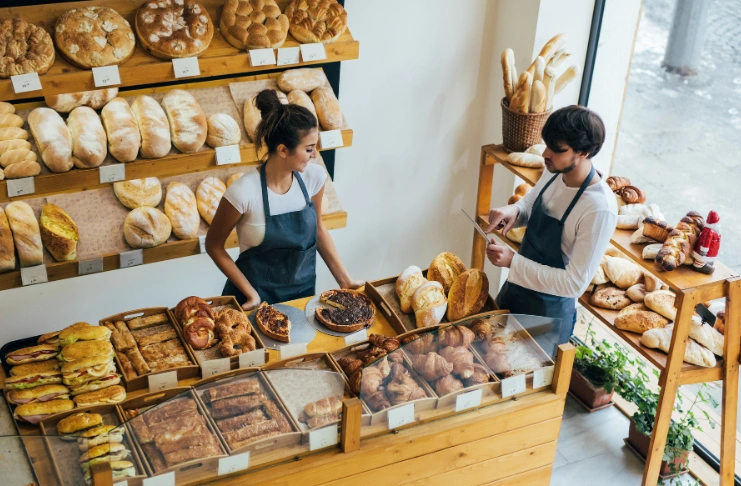
Reliable suppliers ensure consistent product quality and manage your costs effectively.
Research local and regional suppliers for flour, sugar, dairy, and specialty ingredients. Compare pricing, delivery schedules, and minimum order requirements.
Build relationships with multiple suppliers for critical ingredients to ensure a stable supply chain. This prevents disruptions if one supplier has problems.
Consider joining a buying cooperative with other small business owners. Group purchasing often significantly reduces ingredient costs.
Factor ingredient costs into your pricing strategy. Track costs carefully since commodity prices fluctuate frequently.
Specialty baked goods may require unique ingredients. Research suppliers for gluten-free flours, organic products, or ethnic ingredients early in your planning.
Step 8: Obtain Food Safety Certifications
Food safety protects your customers and your business reputation.
Most areas require at least one staff member with a food hygiene certificate during operating hours. These courses cover proper food handling, storage temperatures, and cleaning procedures.
Learn about HACCP (Hazard Analysis Critical Control Points) principles. This systematic approach identifies potential food safety risks in your processes.
Environmental health officers will inspect your facilities before opening and periodically afterward. They check:
- Temperature control systems
- Cleaning and sanitizing procedures
- Pest control measures
- Staff hygiene practices
- Record keeping
Document all your food safety procedures in writing. Train employees thoroughly and maintain consistent practices.
Step 9: Hire and Train Your Team
Your team has a direct impact on product quality and customer experience.
Start hiring 2-3 weeks before the opening date. This allows time for training and team building.
Look for candidates with baking skills, but prioritize attitude and work ethic. You can teach techniques, but you can’t teach enthusiasm.
Cross-train employees on multiple positions. This provides flexibility during busy periods and staff absences.
When you hire employees, you’ll need:
- Employment contracts
- Tax withholding setup
- Workers compensation insurance
- Safety training programs
Consider starting with part-time staff and expanding as the business grows. This keeps labor costs manageable while you establish customer patterns.
Step 10: Develop Your Marketing Strategy
Effective marketing builds awareness and drives customer traffic to your bakery business.
Start with a strong social media presence before opening. Share behind-the-scenes content of your preparation process. Post appetizing photos of your baked goods on a regular basis.
Create a Google Business Profile to appear in local search results. Encourage early customers to leave reviews. Positive word-of-mouth marketing drives significant traffic for local businesses.
Your bakery website should showcase your products, hours, and contact information. Include online ordering capabilities if possible. Many customers prefer ordering custom items online.
Partner with local businesses for cross-promotion opportunities. Supply coffee shops with pastries or restaurants with bread. These relationships provide steady wholesale revenue.
Consider these marketing tactics:
- Grand opening events with free samples
- Social media contests and giveaways
- Loyalty programs for repeat customers
- Seasonal promotions and limited-time offers
Step 11: Plan Your Menu and Product Mix
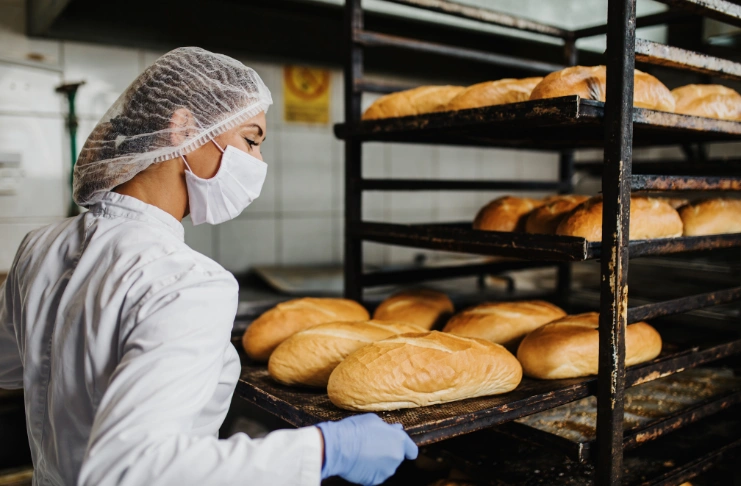
Your product selection affects ingredients, equipment needs, and profit margins.
Focus on items you can produce consistently and profitably. Don’t try to offer everything initially. Master a core menu first, then expand gradually.
Balance high-margin items with volume sellers. Specialty items, such as custom cakes, generate higher profits but require more time. Staple items like bread and muffins drive daily traffic.
Consider dietary restrictions and trends. Gluten-free and vegan options can significantly expand your potential customer base. Research shows that these markets continue to grow rapidly.
Plan your production schedule around product shelf life. Some items need daily preparation, while others can be made ahead and frozen.
Test new products with small batches before adding them permanently. Customer feedback helps you refine recipes and identify the most successful ones.
Step 12: Set Up Your Financial Systems
Proper financial management keeps your baking business profitable and compliant.
Open a dedicated business bank account as soon as possible. Never mix personal and business finances. This significantly simplifies accounting and tax preparation.
Choose accounting software designed for food businesses. Track ingredient costs, labor expenses, and sales by product category.
Monitor your key financial metrics weekly:
- Food cost percentage
- Labor cost percentage
- Average transaction size
- Customer count trends
- Profit margins by product
Establish systems to track inventory accurately. Keep track of exactly what ingredients you have and when they expire. Waste from spoiled products directly reduces profit margins.
Consider point-of-sale systems that integrate seamlessly with your accounting software. Modern systems automatically track sales, inventory, and customer data.
Step 13: Build Relationships with Your Local Community
Community connections drive long-term success for neighborhood baking businesses.
Participate in local events like farmers’ markets, school fundraisers, and community festivals. These appearances build brand recognition and generate new customers.
Partner with nearby businesses for mutual benefit. Supply fresh bread to restaurants or pastries to coffee shops. These wholesale relationships provide steady revenue.
Join your local chamber of commerce and business associations. Networking with other business owners provides valuable insights and potential collaboration opportunities.
Sponsor youth sports teams or local charities. Community involvement builds goodwill and demonstrates your commitment to the local area.
Listen to customer feedback actively. Regular customers often provide the best ideas for new products or service improvements.
Step 14: Design Your Customer Experience

A great customer experience encourages repeat visits and positive word-of-mouth recommendations.
Design your customer flow carefully. People should move easily from the entrance to ordering to pickup without crowding.
Create attractive product displays that make items look irresistible. Good lighting, clean cases, and visually appealing arrangements can significantly increase sales.
Train staff to be knowledgeable about ingredients and preparation methods. Customers often have questions about allergens or baking techniques.
Develop efficient ordering and payment processes. Long wait times frustrate customers and reduce sales during busy periods.
Consider loyalty programs or punch cards for frequent customers. Regular customers often become your best marketing ambassadors in the local community.
Step 15: Manage Inventory and Supply Chain
Efficient inventory management reduces waste and ensures product availability.
Track ingredient usage patterns to predict ordering needs. Different seasons and events affect demand for various products significantly.
Establish minimum and maximum inventory levels for each ingredient. This prevents both stockouts and excessive spoilage.
Build relationships with multiple suppliers for critical ingredients. Single-source dependencies create risks during supply disruptions.
Monitor ingredient prices regularly and adjust your pricing strategy accordingly. Commodity costs fluctuate, and you must maintain stable profit margins.
Implement first-in, first-out rotation religiously. Proper rotation prevents waste and ensures customers always receive fresh products.
What Are the Startup Costs for a Bakery Business?
Understanding start-up costs helps you secure adequate funding and avoid cash flow problems.
A typical bakery startup cost can range from $15,000 to $50,000, depending on factors such as location, size, number of employees, seating capacity, and menu offerings.
Essential bakery equipment represents your largest expense category. Commercial ovens typically cost between $5,000 and $15,000 each. Professional mixers range from $2,000 to $8,000. Refrigeration units cost $3,000 to $12,000.
Other cooking equipment includes:
- Proofing cabinets ($1,500 to $4,000)
- Work tables ($500 to $1,500 each)
- Cooling racks ($200 to $800)
- Display cases ($2,000 to $8,000)
- Food processors ($300 to $1,200)
Don’t forget smaller baking accessories, such as measuring tools, pans, and utensils. Budget $2,000 to $5,000 for these items.
Location costs vary dramatically by area. Expect to pay the first month’s rent, the last month’s rent, and a security deposit up front. Many landlords also demand personal guarantees.
Do You Need Special Licenses for Different Types of Bakeries?
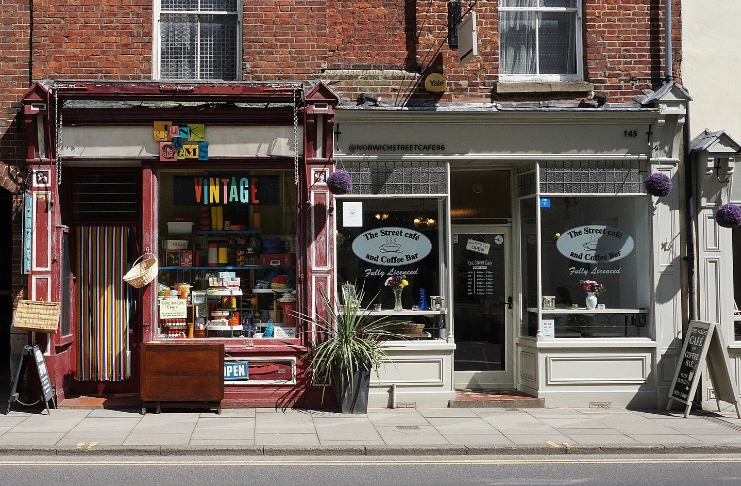
Different bakery business models require different licensing approaches.
A home baking business has the simplest requirements. You’ll register as self-employed and follow the rules for home-based food businesses. Some areas restrict the types of products you can sell from home kitchens.
Commercial bakery operations need full commercial kitchen certification. Environmental health officers inspect your premises, equipment, and procedures to ensure compliance with relevant regulations. They’ll verify proper ventilation, drainage, and food storage capabilities.
If you want to serve alcohol with baked goods, you’ll need a liquor license. The application process takes several months and requires additional fees.
Counter-service bakeries serving hot food may need restaurant-style permits. Verify whether your menu items require full food service licensing or a basic retail food permit.
How Much Space Do You Need?
Space requirements depend on your bakery business model and production volume.
A small retail bakery requires a minimum of 800 to 1,200 square feet. This includes the production kitchen, customer area, storage, and employee facilities.
Bakery café operations typically require 1,500 to 3,000 square feet. You’ll need space for dining tables, expanded kitchen facilities, and larger storage areas.
Wholesale bakery businesses need primarily production space. Plan for 2,000 to 5,000 square feet, depending on your output goals.
Setting aside a budget ranging from $100 to $800 per square foot is advisable when initiating a new bakery, encompassing expenses like bakery equipment, materials, existing setup, and more.
Separate your space into logical zones:
- Production kitchen (40-50% of total space)
- Customer area (30-35%)
- Storage (10-15%)
- Office and employee areas (5-10%)
What About Used Equipment?

Used equipment can significantly reduce your start-up costs if you shop carefully.
Restaurant equipment auctions offer good deals on commercial items. Inspect everything thoroughly before bidding. Factor in delivery and installation costs.
Online marketplaces, such as those for restaurant equipment dealers, often offer refurbished items with limited warranties. This provides some protection while saving money.
Avoid used equipment for critical items, like ovens and refrigeration, unless you can verify their maintenance history. A breakdown during busy periods can cost more than the initial savings.
Consider leasing options for expensive items. Many equipment suppliers offer lease programs that spread costs over time and include maintenance coverage.
How Do You Price Your Products?
A smart pricing strategy strikes a balance between profitability and customer value.
Calculate your cost per item, including ingredients, labor, overhead, and profit margins. Most successful bakeries aim for gross margins of 60-70% on individual products.
Research competitor pricing in your local area. You don’t need to match their prices exactly, but understand the local market expectations.
Consider psychological pricing strategies. $2.95 often sells better than $3.00, even though the difference is small.
Test different price points during your first few months. Track which items sell well at various prices and adjust your pricing strategy accordingly.
Wedding cakes and custom orders typically command higher price points. These specialty items can significantly boost your overall profit margins.
What Insurance Do You Need?
Business insurance protects against unexpected losses and liability claims.
General liability insurance covers claims for customer injuries and property damage. Most commercial landlords require this coverage before you can open your business.
Product liability insurance specifically covers issues with food products. If a customer becomes ill or experiences an allergic reaction, this coverage protects your business.
Stock insurance protects your inventory and equipment against theft, fire, or other types of loss. Calculate replacement costs for all your essential bakery equipment and ingredients.
Workers’ compensation insurance is required when you hire employees. This covers medical costs and lost wages in the event that staff members are injured at work.
Consider business interruption insurance. This coverage includes lost income if you are unable to operate due to equipment failure, fire, or other covered events.
How Do You Create an Efficient Production Schedule?

Smart scheduling maximizes productivity and ensures a steady supply of fresh products throughout the day.
Map out preparation times for each product. Bread dough needs overnight fermentation. Pastries require morning preparation. Cakes can often be made a day ahead.
Start with your earliest items first. Many baking businesses begin production at 3-4 AM to have fresh bread and pastries ready for morning customers.
Batch similar items together to maximize efficiency. Make all your cookie dough at once, then bake different varieties throughout the day.
Plan for peak sales periods. Have extra staff and products ready for lunch rushes, weekend mornings, and holiday seasons.
Build buffer time into your schedule for unexpected orders or equipment issues. Flexibility prevents customer disappointment and stress.
What Financing Options Are Available?
Most bakery businesses need external funding to cover startup costs and initial operating expenses.
Traditional business loans from banks offer competitive interest rates but require strong credit and detailed business plans. Prepare financial projections and collateral documentation.
SBA loans offer government backing, making banks more willing to lend. These programs often offer longer repayment terms and lower down payments.
Equipment financing allows you to purchase necessary items with the equipment itself as collateral. This preserves working capital for other expenses.
Personal savings and family loans offer complete control, but they limit your available capital. Many successful business owners combine personal funds with external financing.
Consider investor partnerships carefully. Giving up equity provides capital but reduces your control over business decisions.
How Do You Handle Food Safety Requirements?
Food safety compliance protects customers and prevents costly shutdowns.
All staff handling food must understand basic safety principles. Proper handwashing, temperature control, and prevention of cross-contamination are essential skills.
Implement temperature monitoring systems for all refrigeration and cooking equipment. Document temperatures regularly to prove compliance during inspections.
Develop cleaning schedules for all surfaces, equipment, and storage areas. Deep cleaning requirements go beyond daily wiping and sanitizing.
Create procedures for receiving and storing ingredients. First-in, first-out rotation prevents spoilage and maintains quality standards.
Train employees to identify and promptly report potential safety issues. A quick response prevents small problems from escalating into major violations.
What About Online Sales and Delivery?
Digital sales channels expand your customer base beyond walk-in traffic.
A professional bakery website builds credibility and allows advanced ordering. Include clear photos, ingredient lists, and ordering instructions.
Social media accounts showcase your products and personality. Post regularly but focus on quality content rather than frequency.
Online ordering systems can efficiently handle custom cake orders and special requests. Customers appreciate the ability to place orders outside of business hours.
Local delivery expands your reach but requires careful planning. Calculate delivery costs and minimum order requirements to maintain profitability.
Consider partnering with existing delivery services rather than hiring your own drivers initially. This reduces costs and complexity.
How Do You Scale Your Bakery Business?
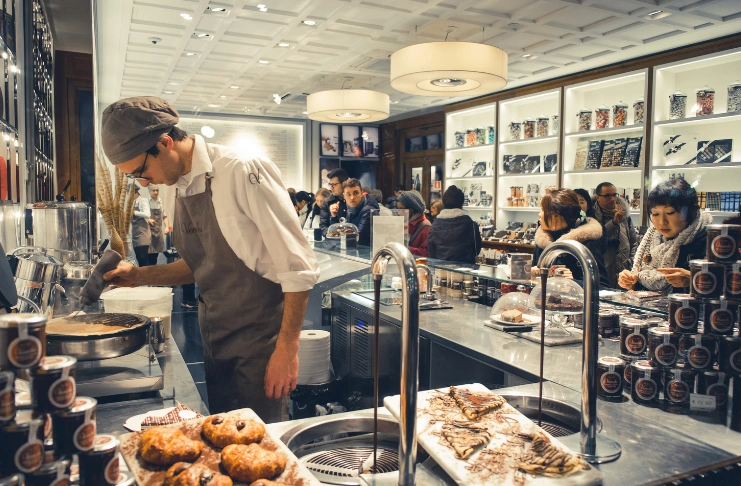
Growth requires careful planning to maintain quality while increasing volume.
Document all your procedures before expanding. Consistent systems ensure quality remains high as you add locations or increase production.
Consider different growth strategies:
- Adding delivery services
- Expanding into wholesale accounts
- Opening additional locations
- Franchising your concept
Monitor your financial metrics closely during periods of growth. Rapid expansion can strain cash flow even when sales increase.
Invest in staff training and management systems as your business grows. Good employees become increasingly valuable as your operations become more complex.
Evaluate new business opportunities against your core strengths. Successful expansion often builds on what you already do well rather than moving into completely new areas.
What Are Common Mistakes to Avoid?
Learning from common pitfalls saves time, money, and frustration.
Underestimating start-up costs leads to cash flow problems quickly. Always budget 20-30% more than your initial estimates for unexpected expenses.
Skipping market research results in poor location choices or wrong product mixes. Understanding your local area prevents costly mistakes.
Pricing products too low can hurt profit margins and lead customers to question the quality. Calculate costs carefully and price for sustainable profits.
Expanding too quickly can strain operations and dilute quality. Focus on perfecting your initial concept before adding complexity.
Neglecting financial tracking makes it impossible to identify problems early. Monitor key metrics on a weekly basis and address issues promptly.
What Do Profit Margins Look Like in the Bakery Industry?
Successful bakeries typically maintain gross profit margins between 50% and 70% on individual products.
Ingredient costs should represent 25-35% of your selling price. Labor costs add another 25-30%. Overhead expenses, such as rent, utilities, and insurance, consume 15-20%.
Different products have varying profit margins. Simple items, like cookies, often have higher margins than complex cakes that require significant labor.
Track profit margins by product category on a monthly basis. Focus on promoting and perfecting your most profitable items.
Consider the total customer value, not just individual product margins. A customer buying coffee and a pastry generates more profit than someone buying only bread.
How Do You Handle Seasonal Fluctuations?
Most bakery businesses experience significant seasonal variations in sales volume.
Holiday periods, such as Christmas, Easter, and Halloween, typically generate 20-40% higher sales. Plan inventory, staffing, and marketing accordingly.
Summer months often see reduced sales in areas without tourist traffic. Develop strategies, like catering services or frozen product lines, to maintain revenue.
Build cash reserves during busy periods to cover slower months. Many seasonal businesses struggle during predictable down periods due to poor financial planning.
Adjust your product mix seasonally. Pumpkin items in the fall, fresh fruit tarts in the summer, and holiday cookies in the winter match customer expectations.
Consider alternative revenue streams during slow periods. Baking classes, corporate catering, or wholesale contracts can provide a steady income.
How Can Bakeries Build Their Brand and Reputation?

Strong branding differentiates your bakery business from competitors and builds customer loyalty.
Develop a clear brand identity that reflects your values and target market. Are you the neighborhood comfort food destination or the specialist in artisan quality?
Consistency in product quality, customer service, and visual presentation builds trust with customers. Every interaction should reinforce your brand promise.
Your bakery’s atmosphere significantly contributes to the customer experience. Lighting, music, displays, and staff behavior all communicate your brand personality.
Social media presence extends your brand reach and allows direct customer communication. Share your story, showcase products, and respond to customer comments promptly.
Customer feedback provides valuable insights for brand development. Regular customers often suggest improvements or new products that align with your brand.
What Are the Best Financial Management Practices in Bakeries?
Understanding your numbers enables smart decisions about expansion, pricing, and operations.
Track daily sales patterns to optimize staffing and production schedules. Knowing your busy periods helps you allocate resources efficiently.
Monitor food waste carefully. High waste percentages indicate production planning problems or inventory management issues.
Compare your performance against industry benchmarks. This helps identify areas for improvement and validates your business model.
Plan major purchases and expansions during periods of strong cash flow. Avoid taking on debt or major expenses during traditionally slow seasons.
Consider working with a business advisor or mentor who has experience in the food industry. Their experience can help you avoid common pitfalls and identify opportunities for growth.
Conclusion
Starting a successful bakery business requires careful planning, adequate funding, and dedication to quality. Your passion for baking provides the foundation, but business skills determine long-term success.
Focus on understanding your local market thoroughly. Choose a concept that matches your skills, interests, and financial resources. Plan for higher start-up costs and longer timelines than you initially expect.
Build strong relationships with customers, suppliers, and your local community. These connections often determine whether your baking business thrives or struggles during challenging periods.
Remember that successful business owners continuously learn and adapt. Stay current with food trends, listen to customer feedback, and refine your operations regularly. Your bakery business can provide both personal satisfaction and financial rewards when you combine your baking skills with solid business practices.
Frequently Asked Questions
1. How much does it cost to start a bakery in the UK?
Startup costs typically range from $15,000 to $50,000, depending on your location, size, and concept. Equipment represents the largest expense category.
2. How much money do you need to start a small bakery?
Plan for $20,000 to $35,000 minimum, including equipment, initial inventory, permits, and 3-6 months of operating expenses as working capital.
3. Do I need an LLC to start a bakery?
You can operate as a sole trader initially, but many bakery businesses opt for an LLC or limited company structure for liability protection and tax benefits.
4. Is a bakery profitable in the UK?
Well-managed bakeries typically achieve gross margins of 60-70% with proper pricing, effective cost control, and efficient operations. Location and concept significantly affect profitability.


