

Starting a food truck business in Dubai might seem overwhelming, but it’s actually one of the most exciting opportunities in the region right now. The street food scene is booming, and more people are opting for food trucks over traditional restaurants for quick, high-quality meals.
You’re looking at a market that’s growing fast. The food truck industry has experienced incredible growth, and Dubai is at the forefront of it all. This guide will walk you through the steps on how to start a food truck business in Dubai and make it profitable.
Why Is the Food Truck Business Thriving Right Now?
The numbers don’t lie. Food truck visits among residents have jumped from 15% to 19% in recent surveys. That’s a significant increase in just a short time.
People want convenience without sacrificing quality. They want Instagram-worthy food that doesn’t break the bank. Your food truck can deliver exactly that.
The Dubai Food Festival showcases this perfectly. The e& Beach Canteen event featured 50 food vendors, with 48 being locally owned and operated businesses. This shows the city’s commitment to supporting local food entrepreneurs.
Traditional restaurants are expensive to set up and maintain. Food trucks offer flexibility that brick-and-mortar locations simply can’t match. You can test different locations, participate in events, and adapt your menu based on what works.
What Makes a Successful Food Truck Business Model?
Your food truck business model needs to be simple but effective.
Focus on mobility. You can serve lunch crowds in business districts during the day and move to residential areas for dinner. This flexibility is what makes the truck business so attractive.
Next is choosing a specific niche. Whether it’s gourmet burgers, healthy wraps, or fusion cuisine, having a clear food truck concept helps you stand out from other food trucks.
INDUSTRY INSIGHT
| According to the Dubai Gastronomy Industry Report 2024, street food and food trucks are central to Dubai’s culinary scene. These formats cater to a growing segment of budget-conscious diners seeking convenience, value, and quality. The report highlights a notable rise in popularity for casual and family-friendly dining options, with 84% of residents visiting such establishments, up from 78% in the previous year. The GAON Wave 6 study, part of the report, also notes that diners are prioritizing accessibility and authenticity, with food trucks and street vendors offering diverse cuisines at lower price points. Locations like Last Exit, Kite Beach, and Alserkal Avenue have become hotspots for gourmet street food, reflecting Dubai’s commitment to supporting homegrown culinary talent. |
How Much Money Do You Need to Start?
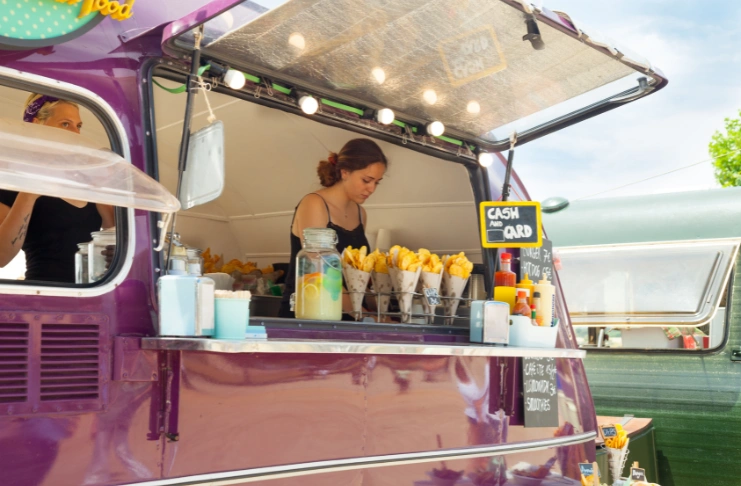
Let’s talk real numbers. Starting a food truck business requires an initial investment between AED 100,000 and AED 300,000.
Here’s the breakdown:
Food Truck (Fully Equipped): AED 100,000 – 200,000
Licensing & Permits: AED 10,000 – 20,000
Initial Inventory: AED 5,000 – 15,000
Branding & Marketing: AED 3,000 – 10,000
These startup costs may seem high, but they’re significantly lower than those associated with opening a traditional restaurant. Plus, you can start lean and scale up as your business grows.
Many successful food truck owners start with basic equipment and upgrade over time. The key is ensuring food safety and quality from day one.
What Licenses Do You Need for Your Food Truck?
Getting your food truck license is crucial. You can’t operate without proper permits, and the authorities take this seriously.
You’ll need several approvals:
Trade License: This is issued by the Department of Economic Development (DED). It’s your basic business license that allows you to operate legally.
Dubai Municipality Approval: This covers health and safety standards, food safety requirements, and vehicle specifications.
Food Safety Certification: You must implement HACCP (Hazard Analysis Critical Control Points) systems to ensure food safety.
Vehicle Modification Approval: Your truck must meet specific design standards set by the transport authority.
The licensing process typically takes 2-4 weeks if you have all your documents ready. Many entrepreneurs work with business setup consultants to speed up the process.
How Do You Choose the Right Food Truck Setup?
Your truck setup can make or break your business. This isn’t just about cooking equipment – it’s about creating an efficient workspace that delivers quality food quickly.
Essential equipment includes:
- Commercial-grade grill or cooking equipment
- Refrigeration units for food storage
- Hand-washing stations (mandatory for health and safety requirements)
- POS system for payments
- Generator for the power supply
- Fire suppression system
The vehicle itself needs to be modified according to Dubai municipality vehicle license requirements. Collaborate with certified food truck builders who are familiar with local regulations.
Your truck should also be visually appealing. Residents love Instagrammable food experiences, so invest in high-quality branding and visually appealing design.
Where Can You Operate Your Food Truck?
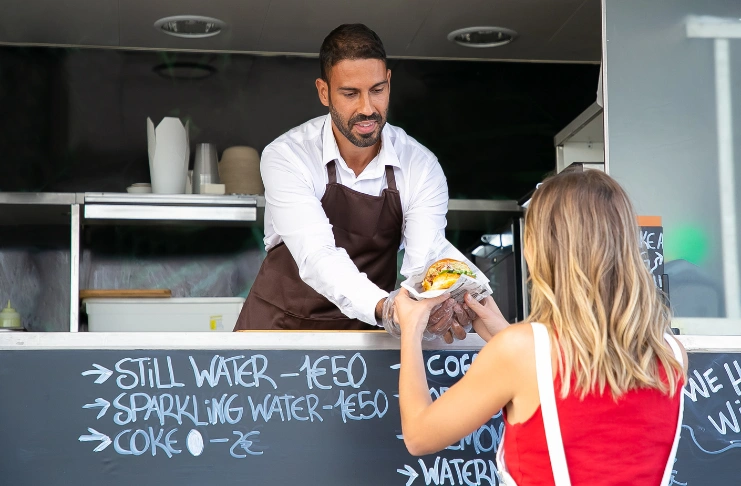
Location strategy is everything in the food truck business. You need to understand where your target market spends time and what local regulations allow.
Popular areas include:
- Jumeirah Corniche for beach crowds
- Business districts during lunch hours
- Event venues like Global Village and Expo Center
- Food festivals and local events
- Shopping mall parking areas (with permission)
You can’t just park anywhere. You need permission from property owners and must comply with local regulations. Some areas have designated food truck parks that make operations easier.
The key is diversifying your locations. Don’t rely on just one spot. Successful food trucks rotate between high-footfall areas and special events.
How Do You Develop Your Menu and Pricing Strategy?
Your menu is your competitive advantage. Keep it focused but appealing to your target audience.
Start with 8-12 core items. Too many options slow down service and increase costs. Focus on food that travels well and can be prepared quickly.
Consider these factors:
- Local taste preferences
- Dietary restrictions (halal, vegan, gluten-free)
- Profit margins per item
- Preparation time
Your pricing strategy should cover costs while remaining competitive and effective. Research other food trucks and traditional restaurants in your area. Generally, food truck prices are 20-30% lower than those of restaurants while maintaining a similar quality.
Test your menu at small events before launching fully. Get feedback and adjust based on what sells best.
What Are the Health and Safety Standards You Must Follow?
Food safety is the foundation of your entire operation.
You must implement proper food preparation procedures, maintain cold chain management, and ensure waste management systems are in place.
Key safety standards include:
- Temperature monitoring for all food items
- Regular equipment sanitization
- Staff hygiene protocols
- Proper storage of raw and cooked foods
- Waste disposal procedures
The Dubai municipality conducts regular inspections. Failing to meet safety standards can result in fines or the facility’s closure. Invest in proper training for your staff and maintain detailed records to ensure optimal performance.
Many successful food truck entrepreneurs get certified in food safety management. This knowledge enables you to maintain high standards and effectively train your team.
How Do You Handle Permits and Inspections?

The permit process involves multiple approvals from different authorities. Start early because this takes time.
First, obtain your initial and external approvals. This includes your trade license and basic business setup requirements.
Next, focus on the food safety permit. This requires demonstrating your HACCP system and safety protocols.
The transport authority will inspect your vehicle modifications. Ensure that everything meets the specifications before scheduling this inspection.
Regular inspections are part of operating a food truck. Keep all documentation organized and accessible. This includes:
- Food safety certificates
- Staff health certificates
- Vehicle inspection records
- Insurance documentation
What Marketing Strategies Work Best for Food Trucks?
Marketing a food truck is different from marketing a restaurant. You need to build awareness about your location and menu consistently.
Social media is your best friend. Use Instagram and TikTok to show daily specials, behind-the-scenes content, and customer reactions.
Get listed on Google Maps, Talabat, and Careem Food. Many customers discover food trucks through these platforms.
Consider these tactics:
- Offer combo deals and loyalty programs
- Collaborate with local influencers
- Create limited-time seasonal menus
- Partner with corporate offices for lunch catering
- Participate in food festivals and local events
Your truck itself is a marketing tool. Make it visually striking and easy to remember. Good branding helps customers find you and recommend you to others.
How Do You Manage Daily Operations Efficiently?
Running efficient food truck operations requires planning and systems. Unlike restaurants, you can’t rely on unlimited storage or prep space.
Inventory management is crucial. You need enough ingredients for the day without overstocking. Track what sells and adjust your ordering accordingly.
Staffing is typically lean. Most food trucks operate with 2-3 people during busy periods. Cross-train your team so everyone can handle multiple tasks.
Set up efficient workflows:
- Prep work done before service
- Organized storage systems
- Clear roles for each team member
- Quick payment processing
Cash flow management is important, too. Set up both a business bank account and a corporate bank account for different needs. Maintain accurate daily sales records and carefully track expenses to ensure transparency and accountability.
What Are the Common Challenges, and How to Overcome Them?
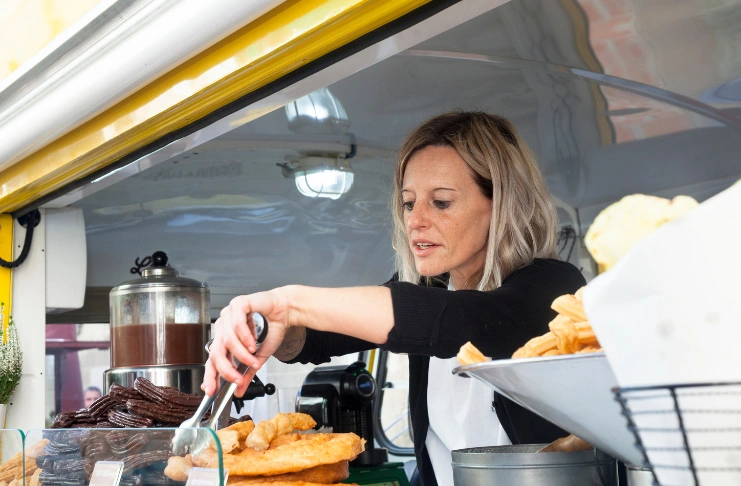
Every food truck business faces challenges. Knowing what to expect helps you prepare better.
The weather affects outdoor dining. Have backup plans for extreme heat or rare rainy days. Consider indoor event opportunities during challenging seasons.
Competition is increasing as more entrepreneurs enter the market. Focus on what makes your food truck unique. Whether it’s your recipes, service speed, or customer experience, find your edge.
Equipment breakdowns can shut down operations. Have backup equipment and maintain relationships with reliable service providers.
Permit renewals and compliance require ongoing attention and maintenance. Set up systems to track renewal dates and requirements.
Cash flow can be unpredictable. Build reserves for slower periods and unexpected expenses.
How Do You Scale Your Food Truck Business?
Growth strategies for food truck businesses are different from those of traditional restaurants. You have unique opportunities that brick-and-mortar businesses don’t.
Consider adding a second truck once your first one is profitable. This doubles your capacity, allowing you to serve multiple locations simultaneously.
Catering services can provide a steady income. Many businesses and events need food service. This can be more profitable than street service.
Some successful food truck owners transition to hybrid models. They operate as cloud kitchens during slow periods, serving delivery customers through apps.
Franchising your concept is possible once you’ve proven the model. This allows expansion without requiring your direct involvement in daily operations.
What Does the Future Hold for Food Truck Entrepreneurs?
The food truck industry is evolving rapidly. Several trends are shaping the future of mobile food service.
Technology integration is becoming standard. Customers expect QR code ordering, digital menus, and loyalty apps.
Sustainability is gaining importance. Eco-friendly trucks equipped with solar panels and utilizing compostable packaging appeal to environmentally conscious consumers.
Health-conscious options are in demand. Vegan, keto, and organic menus are attracting growing customer segments.
Ghost kitchen partnerships offer new revenue streams. Some food trucks now operate as delivery-only kitchens during off-peak hours, allowing them to serve customers remotely.
The global food truck market is projected to reach $15.7 billion by 2032, growing at a CAGR of 6.8% between 2023 and 2032. Local markets are following similar growth patterns.
How to Choose Between Free Zone and Mainland Setup?
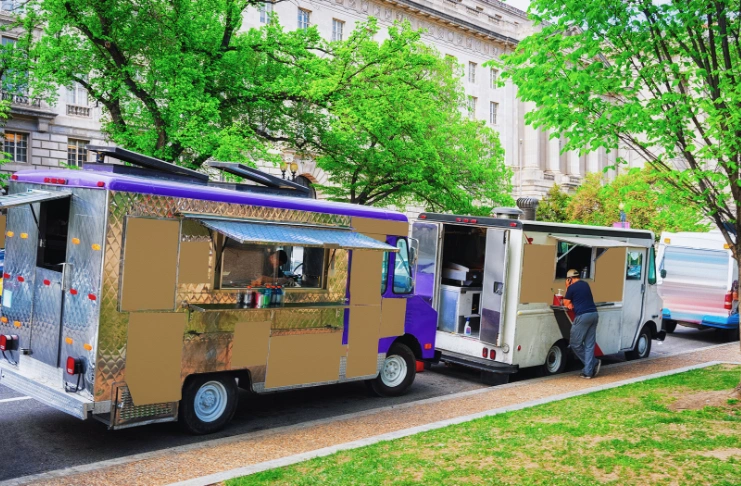
Business setup location affects your operations significantly. Each option has advantages depending on your goals.
Free zone setup offers:
- 100% foreign ownership
- Tax benefits
- Simplified processes
- Less paperwork
Mainland setup provides:
- Access to the local food market
- Ability to operate anywhere in the emirate
- Government contracts eligibility
- Local sponsorship requirements
Most food truck businesses opt for a mainland setup because it enables operations throughout the city. Free zones are more suitable for companies planning to export or operate primarily within specific areas.
Consult with business setup experts to understand which option suits your specific situation.
What Role Do Local Events Play in Your Success?
Local events are goldmines for food truck businesses. They generate concentrated customer traffic and offer valuable marketing opportunities.
Food festivals attract thousands of visitors, specifically looking for unique food experiences. These events can generate substantial revenue in a short period.
Corporate events and private parties need catering services. Building relationships with event planners creates a steady stream of business opportunities.
Seasonal events, such as Ramadan, Eid, and National Day celebrations, offer special opportunities. Plan special menus and marketing campaigns around these occasions.
School and university events provide regular opportunities for engagement. Students are ideal customers for affordable, quick meals.
How to Build Strong Relationships with Property Owners?
Property owners control where you can operate. Building good relationships opens doors to prime locations.
Approach property owners with professional proposals. Demonstrate how your food truck enhances its property by attracting customers.
Offer revenue sharing or fixed monthly payments. This gives property owners an incentive to allow your operation.
Maintain clean operations and follow all rules. This fosters trust and enhances the likelihood of long-term partnerships.
Consider exclusive arrangements with shopping centers or office complexes. This provides stability while giving property owners consistent food options for their tenants.
What Financial Management Practices Keep You Profitable?
Financial management separates successful food truck businesses from those that fail. Track everything and make data-driven decisions.
Daily sales tracking helps you understand patterns. Which locations perform best? What menu items are most profitable?
Cost control is crucial with limited margins. Monitor food costs, fuel expenses, and equipment maintenance regularly to ensure optimal efficiency.
Seasonal planning helps manage cash flow. Save money during busy periods to cover slower times.
Insurance protects your investment. Get comprehensive coverage for your vehicle, equipment, and business operations.
Tax planning requires professional help. Food truck businesses have specific deductions and requirements.
How Do You Ensure Long-term Success?
Building a successful food truck business takes time and consistency. Focus on fundamentals that create lasting value.
Customer service sets you apart from competitors. Friendly, efficient service creates loyal customers who recommend your business.
Quality food is non-negotiable. Never compromise on ingredients or preparation standards to save money.
Adaptability keeps you relevant. Be prepared to adjust your menu, locations, or hours in response to market feedback.
Financial discipline prevents common pitfalls. Many food truck businesses fail due to poor money management, not a lack of customers.
Continuous learning helps you improve. Attend industry events, network with fellow food truck owners, and stay informed about current trends.
Conclusion
Starting a food truck business in Dubai offers incredible opportunities for entrepreneurs willing to put in the work. The market is growing, customers are eager for quality street food, and the city supports local food businesses.
Success requires proper planning, a thorough understanding of regulations, and a focus on customer satisfaction. The initial investment is significant, but it is much lower than that of traditional restaurants.
Your food truck business can thrive by selecting the right concept, obtaining the necessary licenses, and implementing effective marketing strategies. The key is to start with a solid business plan and adapt it based on market feedback.
The future looks bright for food truck entrepreneurs. With proper preparation and execution, your mobile food business can become a profitable venture that serves delicious food while building a loyal customer base.
Remember that every successful food truck starts with someone taking the first step. With the right approach, yours could be next.
Frequently Asked Questions
1. Is food truck business profitable in Dubai?
Yes, food truck businesses can be highly profitable when properly planned and executed. The growing market and lower overhead costs compared to restaurants make it an attractive opportunity.
2. How much does it cost to open a food truck in Dubai?
Initial costs range from AED 100,000 to AED 300,000, which includes the purchase of a truck, licensing, and initial inventory. This is significantly lower than opening a traditional restaurant.
3. Is a food truck allowed in Dubai?
Yes, food trucks are legal and increasingly popular. You need proper licenses from DED, municipality approval, and food safety certifications to operate legally.
4. How much money do you need to start a food truck?
Plan for AED 100,000 to AED 300,000 for a complete setup, including truck, permits, equipment, and initial operating capital.
5. How to get a food truck license in Dubai?
Apply for a trade license through DED, get municipality approval, obtain food safety certification, and secure vehicle modification approval. The process typically takes 2-4 weeks, provided proper documentation is submitted.
6. How much does it cost to have a food truck in Dubai?
Initial setup costs range from AED 100,000 to AED 300,000, with ongoing monthly expenses of AED 10,000 to AED 20,000 for permits, fuel, ingredients, and maintenance.
7. Do I need a license to sell homemade food in Dubai?
Yes, all food businesses require proper licenses, health permits, and food safety certifications regardless of where the food is prepared.
8. How much does a food truck make in Dubai?
Successful food trucks can generate a monthly revenue of AED 20,000 to AED 50,000, with profit margins of 20-30% after covering all expenses.
9. How much does it cost to start a food truck in Dubai?
Total startup costs typically range from AED 100,000 to AED 300,000, including trucks, licensing, equipment, and initial inventory.
10. How to start a food truck in the UAE?
Follow the licensing process, secure financing, choose your truck and equipment, develop your menu, and implement proper marketing strategies.
11. Are food trucks legal in Dubai?
Yes, food trucks are completely legal with proper permits and licenses from relevant authorities, including DED and Dubai Municipality.
12. Where can I park my food truck in Dubai?
Popular locations include Jumeirah Corniche, business districts, event venues, and designated food truck parks. Always get permission from property owners.
13. How do I grow my food truck business?
Focus on social media marketing, participate in events, offer catering services, consider multiple locations, and potentially add more trucks as your business scales.