



If you’ve been wondering how to start a food truck business in India, you’re not alone. Across Indian cities, from Delhi’s buzzing Connaught Place to Bangalore’s food festivals, food trucks are winning over crowds with their variety, affordability, and creativity. Unlike traditional restaurants, food trucks come with lower startup costs, greater mobility, and the freedom to experiment with exciting business models.
But this isn’t just about parking a van and serving snacks. A successful food truck business requires careful planning, a strong business plan, the right licenses, and a clever marketing strategy. In the next sections, we’ll walk you through the exact steps to follow, from calculating your food truck costs and securing licenses to planning menus, choosing prime locations, and building a marketing strategy. Follow these steps carefully, and you’ll be on the road to launching a successful and profitable food truck business in India.
Step 1: Understanding The Food Truck Business Landscape

Before you commit your savings to a food truck, it’s essential to understand the industry’s potential.
INDUSTRY INSIGHT
| The global food truck market was valued at USD 5.42 billion in 2024 and is expected to reach USD 7.87 billion by 2030. In India, the food truck services market is projected to grow from USD 165.12 million in 2024 to USD 280.45 million in 2030, with a CAGR of 9.23%. |
These figures reveal one thing: the food truck business is not a passing trend but a growing opportunity in the food industry. Indian consumers, especially young professionals and families, are increasingly drawn to convenient, affordable, and delicious food options outside traditional restaurants.
Takeaway: If you’re looking for an exciting venture in 2025, a food truck in India gives you mobility, flexibility, and access to a growing market of hungry customers.
Step 2: Crafting A Solid Food Truck Business Plan

Every successful food business begins with a solid business plan. Without it, you’re essentially driving blind. A business plan isn’t only for securing funding; it’s your roadmap to growth, profitability, and long-term sustainability. It helps you evaluate risks, allocate resources wisely, and stay prepared for unexpected challenges. For food truck entrepreneurs, it’s especially important because the business involves mobility, seasonal demand, regulatory hurdles, and fluctuating operating costs. What to Include in Your Food Truck Business Plan:
1. Business Model:
Start by defining your operating model. Will you launch a single truck to test the market, invest in multiple trucks for different locations, or adopt a hybrid model where your truck supports a cloud kitchen for delivery orders? Each model has different cost structures and growth opportunities. For instance, running multiple trucks increases visibility but also requires higher capital and staffing, whereas pairing your truck with a cloud kitchen can maximize both dine-in and delivery sales.
2. Target Market:
A food truck’s success largely depends on how well you understand your customers. Identify your primary audience, college students may prefer budget-friendly snacks, office workers may look for quick and wholesome lunch options, while event-goers often crave indulgent, festival-style food. Defining your market helps you decide where to park, what to serve, and how to price. Without this clarity, you risk missing out on consistent revenue.
3. Menu Strategy:
Your menu is your identity. Decide if you want to specialize in regional favorites (like Mumbai vada pav or Delhi chole kulcha), offer international fast food (burgers, hot dogs, tacos), or experiment with fusion cuisine (butter chicken tacos, masala fries). Keep in mind that food trucks thrive on limited yet impactful menus—items that are easy to prepare, profitable, and aligned with customer demand. A strategic menu also reduces food waste and streamlines inventory management.
4. Financial Projections:
Lay out clear financials to understand your investment and returns. This includes:
- Startup costs: Vehicle purchase or modification, kitchen equipment, and licensing.
- Operating costs: Fuel, staff salaries, raw materials, and daily utilities.
- Raw material costs: Ingredients based on menu demand.
- Break-even analysis: How long it will take before your business covers costs and generates profit.
Having these numbers ready is essential not just for yourself, but also if you plan to pitch to investors or secure a loan.
5. Marketing Strategy:
Even the best food won’t sell if people don’t know about it. Create a plan that balances offline visibility (truck branding, local flyers, collaborations with events) with online engagement (Instagram, food delivery apps, Google My Business). Social media is particularly powerful for food trucks; mouthwatering photos and location updates can draw immediate footfall. A strong marketing plan ensures your truck stays on the radar of repeat and new customers alike.
6. Expansion Plans:
Think long-term from the start. Once your first truck is profitable, do you plan to add more trucks in other locations, partner with local cafes or breweries, or even transition into a full-fledged restaurant? Expansion planning gives your business direction and signals seriousness to investors. Even if your growth timeline shifts, having a clear vision helps you stay focused.
A carefully written business plan not only helps food truck owners assess risks and manage upfront and hidden costs, such as parking permits, maintenance, and liability insurance, but also sets the stage for sustainable growth. With a plan in place, you’ll be better equipped to navigate challenges, attract funding, and scale your business successfully.
Takeaway: A detailed plan transforms your dream of owning a food truck into an actionable, profitable reality.
Step 3: Calculating Food Truck Costs And Startup Investments

Understanding your food truck cost is one of the biggest steps in the journey. The initial investment in India typically ranges from ₹7.6 lakhs to ₹12 lakhs, which covers truck purchase, kitchen equipment, raw materials, licences, salaries, marketing, and contingency funds, although this can go up to ₹20 lakhs+ depending on scale and sophistication.
Typical Costs Involved In A Food Truck Business:
- Commercial Vehicle: A new customized truck may cost ₹12–25 lakhs, while a used one ranges from ₹5–10 lakhs. Renting may cost ₹20,000–40,000 per month.
- Kitchen Equipment: Stoves, fryers, refrigerators, ovens, and grills can cost ₹2–8 lakhs.
- Specialized Appliances: Items like ice cream machines, coffee makers, or pizza ovens add ₹2–6 lakhs.
- Initial Inventory: Raw materials and packaging typically cost ₹50,000–1 lakh.
- Permits & Licenses: Depending on the city, expect ₹50,000–1.5 lakhs.
- Generator & Power Backup: ₹40,000–1 lakh.
- Marketing & Branding: Designing the truck, online ads, and promotional events may cost ₹50,000–2 lakhs.
These numbers cover only direct costs. Remember to budget for maintenance costs, staff salaries, recurring raw material costs, and operational costs like fuel.
Takeaway: Treat your cost structure like a financial compass; it helps you prepare for surprises and avoid burning through your budget too quickly.
Step 4: Navigating Licenses, Permits, And Business Registration

Operating a food truck in India requires approvals from multiple authorities. Skipping any of these may lead to fines or even a shutdown.
Essential Licenses And Registrations:
- Business Registration: Register your business with the MCA and the local municipal corporation.
- Trade License: Issued by the local municipal authority.
- FSSAI License: Ensures food safety and hygiene compliance.
- Fire Safety Certificate: Provided by the fire department.
- RTO Approval: Required for commercial vehicle modifications.
- Parking Permit: To operate in high-traffic zones.
- Liability Insurance: To safeguard against accidents or injuries.
Each of these ensures your food truck complies with local regulations and food safety standards, building trust with your target audience.
Takeaway: Compliance may feel overwhelming, but it’s your foundation for long-term stability and smooth operations.
Step 5: Designing A Menu That Attracts Customers
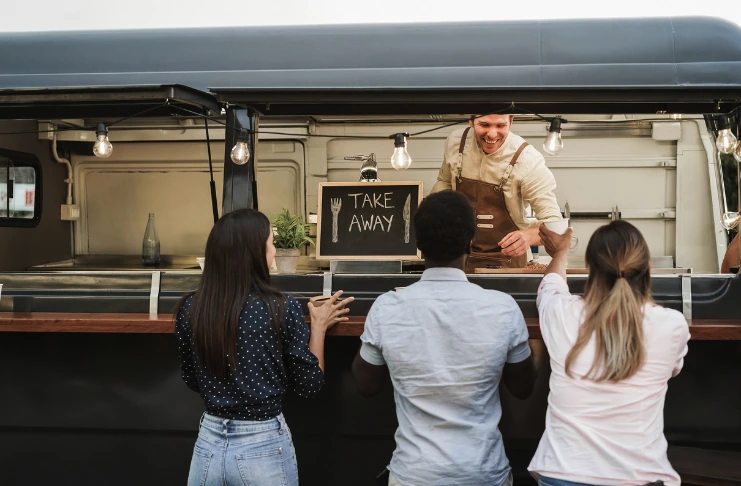
Your menu is the soul of your food truck business. It must balance customer preferences with operational efficiency.
Factors To Consider While Planning The Menu:
- Target Market Needs: Busy office-goers prefer quick meals, while event crowds may want indulgent, Instagram-worthy food.
- Raw Material Costs: Choose items with manageable costs involved to maintain healthy margins.
- Cooking Skills & Equipment: Build a menu around what your kitchen appliances can handle without overloading.
- Food Trends: Health-conscious fast food, fusion dishes, or regional street food are currently popular.
While it’s tempting to serve everything, focus on delicious food that’s easy to prepare consistently. Offer a mix of high-margin items and popular sellers to balance profitability.
Takeaway: A smart menu isn’t about quantity, but about quality and alignment with your business model.
Step 6: Finding Prime Locations And Managing Parking Fees

Even the most creative menu won’t succeed if your truck is parked in the wrong place. Location is crucial.
Ideal Locations For Food Trucks In India:
- Business Districts: Office workers often look for quick, affordable, and tasty lunch options. Parking near corporate hubs during peak lunch hours can bring in a loyal weekday crowd.
- Food Festivals & Local Events: These venues guarantee visibility and large footfalls. From music festivals to cultural fairs, such events allow you to reach new audiences and test new menu items in high-energy settings.
- College Campuses: Young students are experimental eaters and form a great target market for food trucks. Affordable pricing, trendy menus, and easy access to campuses can result in consistent sales.
- Tourist Areas: Tourists are constantly on the lookout for convenient and authentic food options. Parking in areas with heavy tourist traffic ensures a steady customer base throughout the day.
- Partnerships With Local Businesses: Collaborating with malls, breweries, or entertainment zones can secure you a semi-permanent spot where hungry customers naturally gather. Such partnerships often lead to stable sales and stronger brand recognition.
While these locations promise high returns, they often come with parking permits, regulatory approvals, and sometimes steep rental or parking charges. Building relationships with local authorities and business owners can help secure cost-effective, long-term parking solutions.
Takeaway: Think of your truck as a moving billboard, park it where it draws maximum attention from the right people.
Step 7: Marketing Strategy To Attract Customers

Marketing fuels growth in the food truck business. Without it, even the best food trucks remain invisible.
Strategies To Build A Customer Base
- Online Marketing: Share daily routes, menus, and offers on Instagram and Facebook.
- Loyalty Programs: Reward repeat customers with discounts or free items.
- Collaborations: Partner with local events, breweries, or other food businesses.
- Word of Mouth: Deliver consistently good food and customer service.
- Seasonal Menus: Offer special dishes during festivals or holidays.
Marketing is not a one-time activity; it requires consistency. By mixing online presence with local visibility, you can create a loyal customer base that follows your truck wherever it goes.
Takeaway: Marketing is your loudspeaker; use it wisely to keep your food truck top of mind for your target audience.
Step 8: Managing Operations, Safety, And Quality

Smooth operations ensure your food truck runs like a well-oiled machine.
- Food Safety: Follow FSSAI guidelines, use clean raw materials, and maintain hygiene standards.
- Staff Training: Train employees on cooking, customer service, and food safety standards.
- Fire Safety: Equip your truck with extinguishers and fire suppression systems.
- Maintenance: Regularly service your commercial vehicle and kitchen appliances to avoid downtime.
Takeaway: In a food truck, every square foot matters; organized operations save costs, time, and stress.
Step 9: Scaling A Food Truck Into A Business Empire
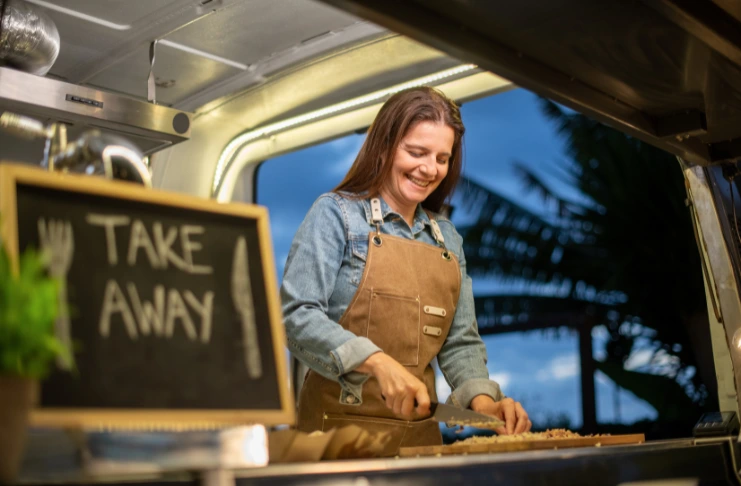
Once your truck stabilizes, you can explore ways to scale:
- Launch additional trucks in different parts of the city.
- Offer catering at weddings and corporate events.
- Collaborate with delivery apps for hybrid dine-in and delivery models.
- Diversify into a cloud kitchen or eventually launch a restaurant.
Takeaway: Food trucks can be more than side ventures; they can evolve into powerful food brands if you think long-term.
Conclusion
Starting a food truck in India isn’t just about cooking; it’s about building a mobile brand, delighting customers with delicious food, and running a smart, compliant business. Yes, there are startup costs, licenses, and operational challenges, but the payoff is a vibrant, flexible, and profitable food truck venture that can grow with your ambitions.
So, are you ready to take your passion for food on the road? With careful planning, the right business model, and a dash of creativity, you could be serving hungry customers and building a food empire on wheels.
Frequently Asked Questions
1. Is food truck business profitable in India?
Yes, the food truck business is profitable in India thanks to low setup costs and high customer demand. The market is projected to grow from USD 165 million in 2024 to USD 280 million by 2030 (Research and Markets). With the right location and menu, food trucks can achieve break-even within 1–3 years.
2. How much does it cost to open a food truck in India?
The startup cost typically ranges between ₹5 lakhs and ₹20 lakhs, depending on whether you buy new, used, or rented trucks. A new fully equipped truck may cost ₹12–25 lakhs, while a used one is more budget-friendly. Additional expenses include kitchen equipment, permits, and marketing.
3. What license is required for food truck in India?
You’ll need multiple approvals: FSSAI license, trade license, fire safety certificate, and RTO clearance for your commercial vehicle. A parking permit from the local municipal corporation is also mandatory. Liability insurance is recommended to protect your business.
4. What type of food truck is most profitable?
Food trucks selling street food, fast food, and fusion cuisines tend to be most profitable due to their popularity and lower raw material costs. Regional specialties with a modern twist or health-focused quick meals also attract a strong target audience.


