

In an era where consumers vote with their wallets for a better planet, vegan cafes represent more than a food trend; they’re cultural catalysts. This comprehensive guide will navigate you through the exciting journey of launching your own vegan cafe empire.
What Does the Plant-Based Food Industry Look Like?
The numbers don’t lie: mainstream demand for vegan food has catapulted from niche curiosity to economic necessity.
INDUSTRY INSIGHT
| U.S. retail sales of plant-based products have climbed to $8.1 billion in 2024, more than doubling in seven years. Globally, the vegan food market is forecast to reach $55.88 billion by 2034, growing at a robust 10.7% CAGR that outpaces most traditional food and beverage segments. |
For restaurateurs, these statistics translate into tangible foot traffic hungry for plant-based options. The opportunity extends beyond dedicated vegans; flexitarians now represent a massive demographic actively seeking restaurants that offer compelling plant-based alternatives.
Why Defining Your Vision is Important?

Strong vegan brands transcend the simple act of banning animal products; they champion ethical sourcing, environmental stewardship, and meaningful community impact. Your brand vision becomes the North Star that guides every decision, from menu development to marketing strategies.
The key lies in understanding your primary audience. Are you targeting hardcore vegans who scrutinize every ingredient label? Health-conscious omnivores seeking nutritious alternatives? Or perhaps the growing flexitarian market? Each segment brings different price sensitivities, menu expectations, and communication preferences.
Why Knowing Consumer Preferences is Necessary?
While only 1% of Americans self-identify as vegan, nearly one-third purchase plant-based foods weekly, a crucial distinction that reveals your customer base is 30 times larger than traditional vegan demographics suggest.
Use local foot-traffic analytics and HappyCow heat maps to estimate demand. London’s 160 fully vegan venues prove that density can breed success when neighborhoods share values. Conduct surveys at farmers’ markets, yoga studios, and health food stores to understand what drives purchasing decisions.
How to Choose a Location with Plant-Based Potential?
Prioritize areas near universities, yoga studios, and tech hubs, communities where sustainability and wellness already drive spending. Corner units with natural light amplify your brand’s eco-friendly image and can command 15-20% higher average checks.
Consider foot traffic patterns throughout the day. Morning commuters might gravitate toward grab-and-go options, while lunch crowds seek hearty, satisfying meals. Your location should accommodate these varied needs while maintaining brand consistency.
How to Design a Welcoming Ambiance for a Premium Dining Experience?
Wood, bamboo, recycled steel, and living-wall greenery broadcast environmental credentials the moment guests enter. These materials aren’t just aesthetically pleasing, they’re conversation starters that reinforce your values.
Arrange seating zones, a laptop bar, a communal table, and a lounge to serve both quick oat-milk lattes and lingering brunch crowds. Strategic lighting plays a crucial role in ambiance and Instagram-ability, transitioning from natural daylight to warm evening illumination.
How to Develop a Menu that Excites Customers?
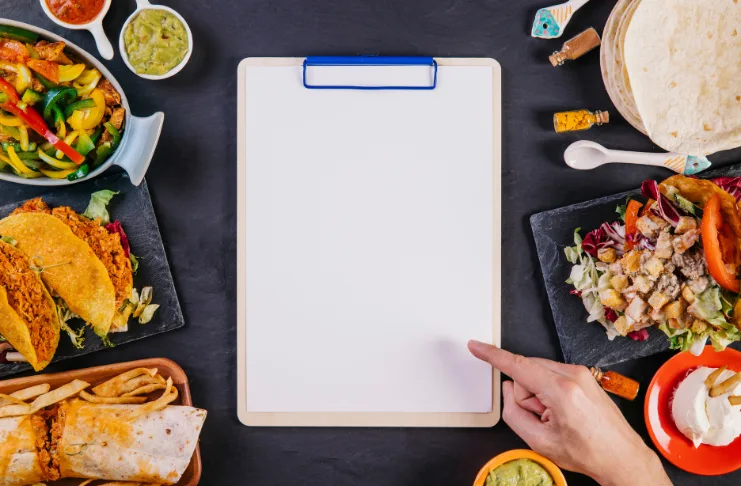
A successful vegan cafe menu balances classic dishes with innovative plant-based creations. 19% of Gen Z diners are embracing plant-based diets, indicating a strong and growing demand from the next generation that restaurateurs should pay attention to.
Start with menu items that showcase plant-based ingredients at their best, rather than simply removing animal products from traditional dishes. Think celebration over substitution, highlighting the natural flavors, textures, and colors that make plant-based cuisine exciting.
What Classic Dishes can be Reimagined as Plant-Based Alternatives?
Use pea-protein “eggs,” jackfruit “pulled pork,” and mushroom-root “scallops” to emulate textures guests already love. According to Future Market Insights, plant-based meat alternatives in foodservice grew 27% over the past two years.
Focus on texture, flavor layering, and visual appeal. A well-crafted plant-based burger should satisfy the craving for a substantial meal, while vegan mac and cheese should deliver the creamy, comforting experience customers expect.
Where to Source Plant-Based Foods & Ethical Ingredients?

Build direct relationships with local farmers for seasonal produce and bulk legumes. Showcase single-origin oat milk or regenerative-agriculture almonds on the menu, transparency drives loyalty and allows small upcharges.
Consider vertical integration for high-use ingredients. Making your own nut milks, sprouting seeds, or fermenting vegetables can reduce costs while ensuring quality consistency and creating compelling behind-the-scenes content.
How to Manage Food Costs Without Compromising Quality?
Bulk grains and legumes cost up to 35% less per kilogram than comparable animal proteins. Track waste daily and repurpose trimmings into soup bases or smoothie boosters to maintain a healthy prime-cost ratio, aiming for 55% or lower.
Implement batch cooking and proper storage to extend ingredient lifecycles while ensuring consistency. Prepare large quantities of base sauces, grain salads, and protein components that can be quickly assembled into various menu items.
How to Educate Your Guests on the Health Benefits?

A Nature study found vegan diets slash greenhouse-gas emissions by half while aligning more closely with macronutrient recommendations. Script servers to explain these wins; informed diners turn into brand evangelists.
Train staff to confidently address common concerns about plant-based eating, including protein content, vitamin B12, and iron absorption. Consider partnering with local nutritionists to host educational events that position your cafe as a wellness destination.
What are Some Eco-Friendly Practices That Strengthen Your Brand?
Compostable packaging, energy-efficient induction cooktops, and rainwater harvesting all resonate with today’s climate-aware customers. Some cafes publish annual impact reports, and simple infographics on carbon savings can boost social-media shares.
These practices aren’t just operational decisions; they’re brand differentiators that justify premium pricing while demonstrating an authentic commitment to environmental stewardship.
How to Craft Your Vegan Cafe Marketing Strategies?

Start with a compelling brand story: why you chose a plant-based lifestyle and how that translates into community impact. With visual storytelling, behind-the-scenes prep videos can reach 100K+ organic views on TikTok.
Develop a content calendar balancing promotional posts with educational content, user-generated content, and community spotlights. This approach builds genuine engagement rather than appearing overly commercial.
How to Build an Online Presence in Today’s Digital Age?
List on Google Business, HappyCow, and niche vegan apps within week one of soft launch. Early adopters often leave lengthier reviews; respond to every comment to improve both SEO and trust signals.
Email marketing remains highly effective for restaurants, with average open rates of 25-30%. Build your subscriber list through loyalty programs and exclusive content offers featuring seasonal menu updates and sustainability tips.
How Does Leveraging Influencer & Community Partnerships Help?

Host pre-opening tastings for vegan micro-influencers (5-20K followers). A single authentic reel can spike reservations by 20% during launch month.
Partner with local yoga studios, CrossFit gyms, and wellness centers for cross-promotional opportunities. These businesses share your target demographic and can provide steady catering opportunities.
How to Promote Vegan Food Through Seasonal Campaigns?
Run “plant-based milk month,” featuring oat milk, almond, and pistachio lattes; cross-sell pastries that use aquafaba instead of egg whites. Pair every campaign with educational copy on animal-agriculture emissions to reinforce mission alignment.
Time campaigns around relevant holidays like World Vegan Day, Earth Day, and National Nutrition Month for natural promotional hooks and media coverage.
What are the Customer Loyalty Programs That Keep Guests Coming Back?

Digital stamp cards, birthday freebies, and referral rewards increase repeat business by up to 30% in QSRs testing plant-based menus. Integrate carbon-savings points, and guests unlock free smoothies after “saving” 50 kg CO₂.
Tiered loyalty programs offering increasingly valuable rewards encourage higher spending and more frequent visits through exclusive cooking classes or behind-the-scenes tours.
How to Deliver Consistent Plant-Based Dining Excellence?
Standardize recipes and training. A QR-based prep guide ensures your jackfruit carnitas taste identical whether you or a new line cook plates them.
Implement regular quality checks and customer feedback systems. Mystery shopper programs and online review monitoring provide insights into service consistency and improvement areas.
Why Measuring Performance & Continuous Improvement is Important for Business Growth?

Track contribution margin by dish, guest satisfaction scores, and ticket times weekly. If data shows smoothie bowls flying at breakfast but lagging midday, build an afternoon “mini bowl” promo to reduce perishables and spur incremental sales.
Regular staff meetings to review performance metrics create a culture of continuous enhancement while gathering valuable insights into operational inefficiencies.
How to Scale Up Your Brand?
Many founders test concepts via six-month pop-ups, lower CapEx, and faster feedback. Bank statements showing positive unit economics help secure Series A investment for flagship cafes.
Document systems, recipes, and procedures meticulously from day one. This operational foundation becomes invaluable when scaling to multiple locations or seeking investment funding.
What are the Regulations & Certifications You Need to Navigate as a Vegan restaurant?

Secure allergen labeling compliance and, where available, Vegan Society or Plant Based Certified seals. These marks reassure cautious newcomers and enable co-marketing with certification bodies.
Stay informed about local health department regulations, especially regarding food handling and cross-contamination prevention in kitchens preparing both raw and cooked items.
How to Finance Your Vegan Cafe?
Impact investors prioritize environmental sustainability, emphasize projected carbon reductions, and inclusion metrics. Equity crowdfunding can double as marketing, and hundreds of micro-backers become lifelong patrons.
Traditional SBA loans may offer favorable terms for businesses demonstrating community benefit. Prepare comprehensive business plans highlighting economic and social impact.
How to Train & Empower Staff on Plant-Based Lifestyle?

Onboarding should cover basic nutrition (protein sources, vitamin B12) so that staff answer common guest questions confidently. Role-play exercises improve upsell rates for plant-based desserts by 18%.
Create incentive programs rewarding product knowledge, customer service excellence, and sales performance. Engaged employees become authentic brand ambassadors.
How Does Collaborating with Local Farmers & Suppliers Help?
Seasonal farm dinners create exclusivity and allow premium pricing. A single sold-out event can generate local press coverage worth thousands in ad spend.
Develop relationships with multiple suppliers for critical ingredients to ensure consistent availability during supply chain disruptions.
Why is Utilizing Technology for Operational Efficiency Important?
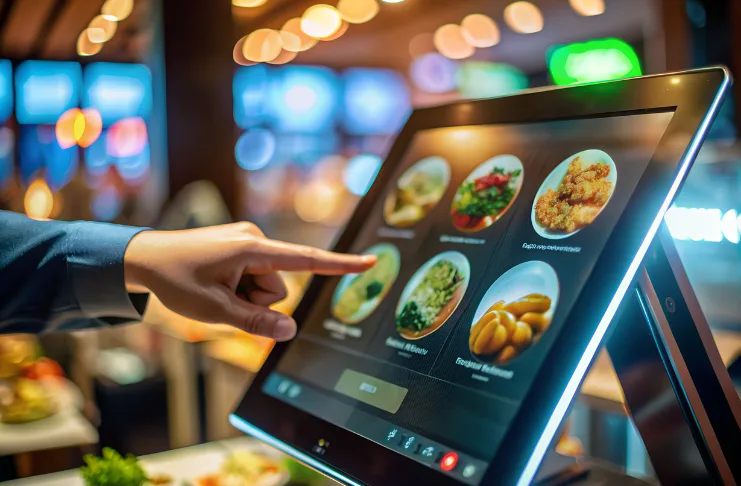
Table-side QR menus, AI-driven demand forecasting, and dynamic inventory apps cut waste by 25%, vital when margins ride on fresh produce.
Customer relationship management systems help track preferences and visit frequency, enabling personalized marketing that enhances customer experience and loyalty.
How to Track Carbon Footprint?
Platforms like CarbonCloud or Klimato output dish-level emissions; publishing these on menus has been shown to sway the majority of the guests toward lower-footprint choices.
Track and publish environmental metrics, including waste diversion rates and energy consumption. This transparency builds trust while providing marketing content.
How to Attract Flexitarians & Health-Conscious Consumers?

Remember: flexitarians outnumber vegans 6:1. Offer hearty plant-based alternatives (smoky seitan brisket) alongside raw-food bowls to satisfy both indulgence and wellness mindsets.
Avoid alienating language. Focus on flavor descriptions and ingredient quality rather than emphasizing what your food doesn’t contain.
What are Some Future Trends to Look Out for in the Vegan Food Market?
Expect AI-crafted precision fermentation cheeses, cellular-ag coffee creamer, and carbon-negative oat-milk supply chains. Research & Markets estimates U.S. plant-based sales will surpass $26 billion by 2033 as QSRs mainstream the trend.
Technology will enable personalized nutrition, allowing customers to customize meals based on specific health goals and dietary restrictions.
How to Mitigate Risks & Manage Crisis?

Supply-chain shocks (e.g., avocado shortages) happen. Cross-train kitchen teams to substitute local alternatives, maintaining brand integrity and menu availability.
Develop relationships with multiple suppliers and consider seasonal menu planning that reduces dependence on volatile ingredients.
How Important is Community Engagement?
Host free cooking workshops at nearby colleges; attendees post about the experience, organically amplifying reach. Align with local climate marches, hand out cups of zero-waste gazpacho.
These activities position your cafe as a community resource while attracting potential customers who share your values.
How Does Your Business Impact Ethically?

Every oat-milk latte avoids the 0.3 kg CO₂ of a dairy equivalent; remind guests on table tents. Small touchpoints make the ethical argument tangible without being preachy.
Track collective impact metrics: total meals served, carbon emissions avoided, and community contributions. These numbers provide compelling evidence of positive influence.
Conclusion
Starting a vegan cafe represents far more than a business venture; it’s an opportunity to lead a movement reshaping how we think about food, community, and our planet’s future. Just as that bustling corner cafe we imagined creates ripples of positive change with every oat milk latte served, your plant-based establishment can become a catalyst for transformation in your community.
By fusing purposeful branding, data-backed menu engineering, savvy marketing strategies, and relentless continuous improvement, you position your plant-based concept for enduring profitability and help reshape the future of the food industry one thoughtful plate at a time. The seeds of change are planted. Your vegan cafe journey begins now.
Frequently Asked Questions
1. How much does it cost to start a vegan restaurant?
Starting costs range from $100,000 to $300,000, depending on location, size, and concept (fast casual vs full-service).
2. How to start being a vegan for beginners?
Begin by replacing animal products with plant-based alternatives, focus on whole foods, and gradually eliminate meat, dairy, and eggs.
3. How to market vegan food?
Highlight health benefits, sustainability, and taste; use social media, influencer partnerships, and community events to attract a conscious audience.
4. What makes a restaurant vegan?
A vegan restaurant serves food that contains no animal products, including meat, dairy, eggs, honey, or animal-derived additives.
5. Are vegan chefs in demand?
Yes, demand is growing as more restaurants add plant-based options and new vegan establishments open worldwide.
6. Why restaurants should offer vegan options?
To attract health-conscious, ethical, and flexitarian customers, increase inclusivity, and stay competitive in a growing market.
7. Why are vegan restaurants more expensive?
Costs are higher due to specialty ingredients, lower economies of scale, and often a focus on organic, sustainable sourcing.
8. Why did 11 Madison go vegan?
Chef Daniel Humm made 11 Madison Park vegan to address sustainability and environmental concerns, aiming for a more ethical future of fine dining.
9. What vegan restaurant does Travis Barker own?
Travis Barker co-owns Crossroads Kitchen, a plant-based fine dining restaurant in Los Angeles.
10. What is the Netflix documentary about the vegan restaurant owner?
Bad Vegan (2022) tells the story of Sarma Melngailis, owner of NYC’s Pure Food and Wine, and her downfall linked to a bizarre fraud case.
11. What is the best marketing strategy for a cafe?
A combination of local SEO, social media, loyalty programs, influencer partnerships, and community engagement works best.
12. Why is Lizzo no longer vegan?
Lizzo has not publicly confirmed she’s no longer vegan, but some fans noted inconsistencies in her diet shared on social media.
13. What are the four main marketing strategies?
Product, Price, Place, and Promotion—also known as the 4 Ps of marketing.
14. Who is the target audience for veganism?
Typically includes millennials, Gen Z, health-conscious consumers, environmentalists, and individuals with ethical concerns about animal welfare.