Your bar’s success hinges on one crucial element: well-trained bar staff. Every interaction, every drink served, and every customer experience flows directly from how effectively you’ve prepared your team.
In today’s hospitality sector, where customer expectations are higher than ever, staff training isn’t a one-time event. From communication skills that defuse difficult situations to customer service training that turns unhappy customers into loyal regulars, the right training makes all the difference.
This guide shows you how to train bar staff in a way that not only represents your brand but also elevates it.
Why and How Does Staff Training Drive Bar Success?
Well-trained bar staff serve customers faster and make fewer costly mistakes. They handle difficult customers with confidence and recommend drinks that perfectly match what guests want.
Trained employees also boost your profits. They waste less product, execute suggestive selling techniques naturally, and need less supervision during busy shifts. Most importantly, they stick around longer, which saves you thousands in recruitment and retraining costs.
In fact, bars with structured training programs see 24% higher profit margins and 30-50% better retention rates compared to those that skip formal training.
Which Foundation Skills Do Bar Teams Absolutely Need?
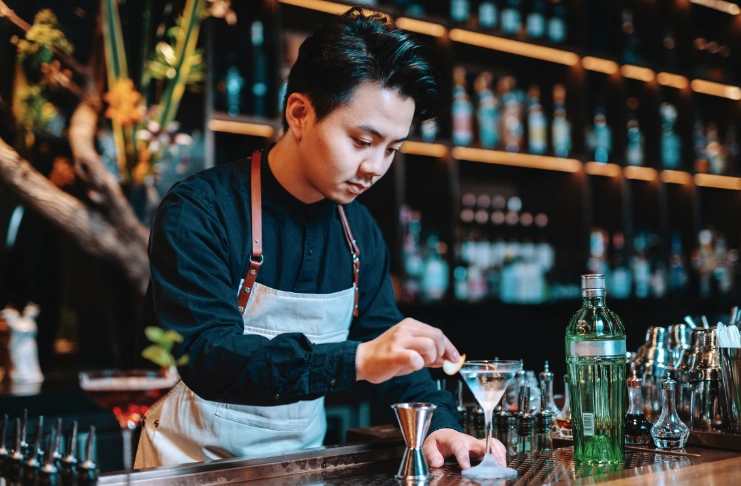
First, set up your training space properly. Clear the bar area completely and organize all tools where trainees can see them easily. Have recipe cards, measurement tools, and cleaning supplies within arm’s reach. An organized training environment creates better learning outcomes.
Focus on these core areas during foundation training:
- Proper measuring and pouring techniques
- Basic mixing methods (shaking, stirring, building)
- Glassware selection and handling
- Tool usage and maintenance
- Workspace organization systems
Encourage your staff to practice each skill until it becomes second nature.
Product Knowledge
Your bar staff requires a deep understanding of the product to answer customer questions and make informed recommendations confidently. Start with your well spirits and most popular menu items.
Organize tasting sessions where staff sample products firsthand. Nothing beats personal experience when describing flavor profiles to customers. Cover these essentials:
- Spirit categories and flavor differences
- Beer styles and serving temperatures
- Wine varietals and food pairings
- Signature cocktail ingredients and preparation
- Non-alcoholic options and mixers
Train staff to recommend complementary food items as well. Understanding food and beverage pairings can increase average check sizes and lead to better customer experiences.
Bartending Skills
Basic bartending skills form the foundation for everything else your staff will do. Get these right first.
Teach proper measuring techniques using jiggers and pour spouts. Consistent measurements control costs and ensure drink quality every time. Practice measuring without looking at the jigger to build speed and confidence.
Cover these fundamental mixing methods:
- Shaking: for cocktails with citrus, cream, or egg whites
- Stirring: for spirit-forward drinks like martinis and Manhattans
- Building: for simple mixed drinks served over ice
- Muddling: for drinks requiring crushed fruits or herbs
Each method serves specific purposes and produces different results. Staff need to know when and why to use each technique.
Which Customer Service Skills Matter Most?

Exceptional customer service separates successful bars from struggling ones. Your staff’s service skills determine whether customers return and recommend your establishment.
Here, communication skills matter most. Train staff to listen actively when taking orders, speak clearly when explaining menu items, and ask follow-up questions to understand customer preferences. Good communicators build rapport quickly and prevent misunderstandings.
Active listening becomes especially crucial during busy periods. Staff who listen carefully get orders right the first time, which reduces waste and keeps customers happy. They also pick up on subtle cues about customer mood and preferences.
Handling Difficult Customers
Difficult customers are inevitable in bar environments. Proper training prepares your staff to manage these situations professionally while keeping other guests comfortable.
Teach them de-escalation techniques first. Staff should stay calm, listen to complaints, and respond with genuine empathy. Most difficult situations improve automatically when customers feel heard and understood.
Give your staff clear procedures for these common scenarios:
- Refusing service to intoxicated guests
- Handling payment disputes
- Managing unruly behavior that affects other customers
- Addressing complaints about drink quality
- Dealing with customers who become aggressive or threatening
Practice these situations through role-playing exercises. Regular practice builds confidence for real-world applications.
INDUSTRY INSIGHT
| Recent data indicate that 61% of restaurants (a 25% increase from 2024) now prioritize basic service skills over advanced mixology techniques. This reflects a “back to basics” movement, as bar managers now focus on providing consistent, reliable service to meet rising customer expectations, rather than elaborate drink presentations. |
5 Communication Techniques That Work
Effective communication creates positive customer experiences and smooth team operations. Train your staff on these proven techniques:
Use positive language consistently. Replace “I don’t know” with “Let me find that information for you.” This maintains customer confidence while demonstrating a commitment to providing helpful service.
Master non-verbal communication. Body language, facial expressions, and tone of voice impact customer perceptions more than words alone. Professional posture and genuine smiles create welcoming atmospheres.
Develop active listening through specific practices. Make eye contact, avoid interrupting, and ask clarifying questions when needed. Good listeners catch important details and identify opportunities for exceptional service.
Practice the repeat-back technique. Confirm orders by repeating them back to customers. This prevents mistakes and shows attentiveness.
Learn to read your customers’ moods and energy levels. Adjust your communication style accordingly – some customers prefer a friendly conversation, while others opt for efficient, minimal interaction.
What Practical Skills Matter Most for Daily Bar Operations?
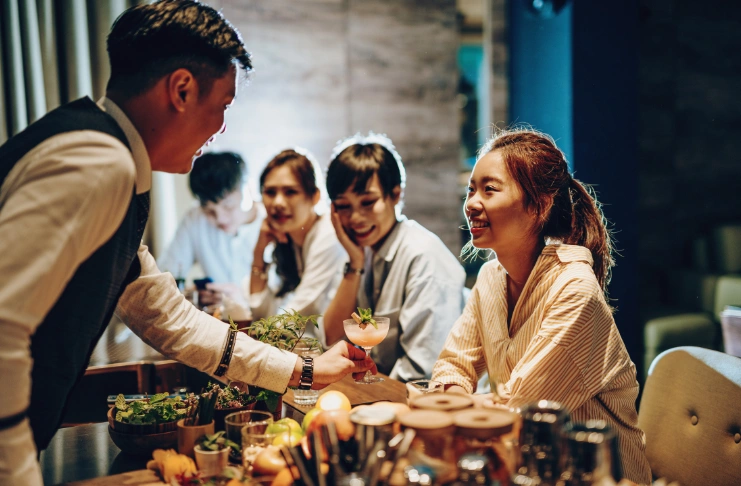
Your bar staff needs solid practical skills to handle daily operations smoothly. These abilities determine service speed, drink quality, and customer satisfaction levels.
Mixing Cocktails
Demonstrate to your staff the proper measuring techniques. Consistent measurements ensure optimal drink quality and effective control of costs. Show staff how to use jiggers correctly and understand common measurement conversions (1 oz = 2 tbsp, 1.5 oz = standard shot).
Cover these essential mixing methods thoroughly:
- Dry shaking: for drinks with egg whites or aquafaba
- Double straining: for a smooth texture in stirred drinks
- Layering: for visually appealing specialty drinks
- Flash blending: for frozen cocktails and smoothies
Practice each technique repeatedly. Muscle memory develops through repetition, enabling faster and more consistent execution during busy periods.
Essential Bar Tools and Equipment
Bar tools enable efficient drink preparation and professional presentation. Understanding proper tool selection and usage impacts both drink quality and service speed.
Stock your bar with these valuable tools:
- Boston shakers for mixed cocktails
- Hawthorne and julep strainers for smooth pours
- Jiggers in multiple sizes (0.5 oz, 1 oz, 2 oz)
- Bar spoons for stirring and layering techniques
- Muddlers for crushing fruits, herbs, and spices
- Channel knives and peelers for garnish preparation
Teach your staff proper care and maintenance for every tool. Clean tools prevent flavor contamination between drinks and extend the lifespan of equipment. Staff should be trained on how to disassemble, clean, and properly store each tool.
Speed and Efficiency Systems
Speed and efficiency are developed through smart systems. Show staff how to organize workflow, prioritize orders during busy periods, and support teammates effectively.
Implement these efficiency strategies:
- Batch similar drinks together when possible
- Pre-prepare garnishes during slow periods
- Keep frequently used items within easy reach
- Clean as you go to prevent buildup
- Communicate clearly with team members about order status
Efficient bar staff serve more customers without sacrificing drink quality or service standards.
How to Train Bar Staff on Responsible Alcohol Service?
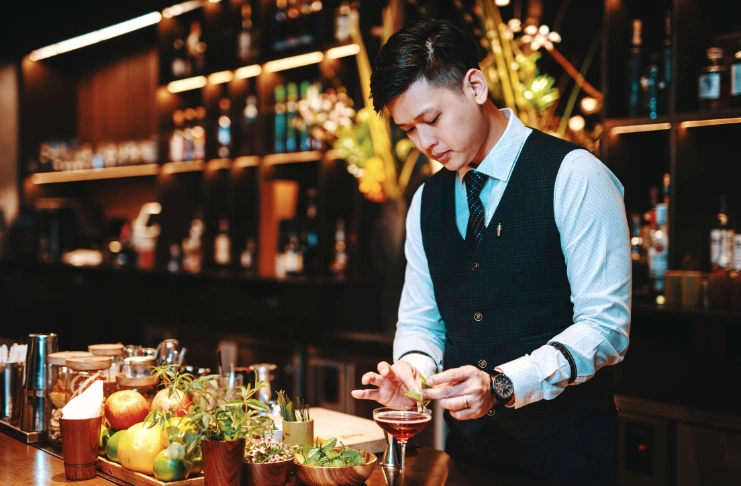
Responsible alcohol service protects your establishment, staff, and customers from legal and safety issues. This crucial training component covers legal requirements and ethical obligations.
Train staff to recognize signs of intoxication early. Slurred speech, unsteady movement, impaired judgment, and aggressive behavior indicate when service refusal becomes necessary. Early intervention prevents problems from escalating into serious incidents.
Teach proper ID checking procedures for every customer interaction. Staff should verify identification for anyone appearing to be under 40, recognize common characteristics of fake IDs, and handle age verification diplomatically yet firmly.
Legal Requirements by State
Legal requirements vary significantly by state but generally cover age verification, service limits, liability issues, and licensing requirements. Staff must understand local laws to protect themselves and their establishment.
Most states require specific training and certification for alcohol service. Research your local requirements and ensure all staff complete necessary training programs. Common certifications include TIPS, ServSafe Alcohol, and state-specific programs.
Cover these legal basics thoroughly:
- Minimum drinking age enforcement (21 in all states)
- Hours of operation restrictions
- Service size limitations, where applicable
- Liability laws regarding over-service
- Required documentation and incident reporting
Update staff regularly on changing regulations and new requirements in your area.
Managing Intoxicated Guests
Handling intoxicated guests requires tact, firmness, and clear procedures. Staff require specific strategies for addressing these challenging yet common situations.
Teach them gradual service reduction instead of abrupt cutoffs. Slow service, suggesting food options, or recommending lower-alcohol alternatives helps prevent confrontations while ensuring guest safety.
Provide clear escalation procedures:
- Document the situation immediately
- Notify management of service refusal decisions
- Arrange safe transportation when possible
- Contact security or law enforcement if threats occur
- Follow up with incident reports as required
Never compromise on safety to avoid difficult conversations.
How Do You Build Strong Team Dynamics Behind the Bar?

Teamwork determines whether your bar operates smoothly during busy periods or struggles with coordination problems.
Effective bar teams communicate constantly during service. They share information about inventory levels, special customer requests, and order priorities. This communication prevents problems before they impact customer service.
You can enhance your team communication by establishing clear protocols for information sharing. Staff need to know what information to share, when to share it, and how to communicate effectively during periods of high activity.
Implement standard terminology for common situations:
- “Behind” when passing behind another staff member
- “Sharp” when carrying knives or broken glass
- “Hands” when carrying hot plates or full glasses
- “Last call” procedures and timing
- Emergency signals for serious situations
Hold brief pre-shift meetings to discuss specials, address inventory issues, and prioritize services. These 10-minute sessions align everyone on expectations and potential challenges.
How Do You Create a Comprehensive Bar Training Program?
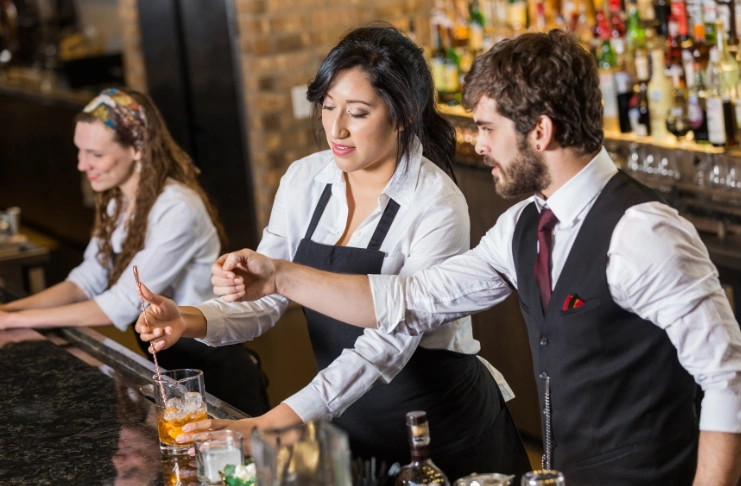
Comprehensive training programs cover all essential skills while adapting to different experience levels and learning styles. These structured programs offer clear learning paths that systematically build competence.
Start every training program with a skills assessment. Evaluate each staff member’s current abilities, previous experience, and learning preferences. This assessment helps customize training for maximum effectiveness and efficiency.
Develop modular training covering specific skill areas separately:
- Foundation skills and basic techniques
- Product knowledge and menu familiarity
- Customer service and communication
- Legal compliance and responsible service
- Advanced techniques and specialty drinks
Structuring On-the-Job Training
On-the-job training allows staff to learn in real environments while contributing to daily operations. This practical approach builds skills gradually without overwhelming new hires.
New employees shadow experienced staff during the initial period. They observe proper techniques, customer interactions, and operational procedures firsthand. Shadowing provides context that classroom-style training cannot match effectively.
Gradually increase responsibility as skills develop:
- Week 1: Observe and assist with basic tasks
- Week 2: Handle simple drink orders with supervision
- Week 3: Work independently during slower periods
- Week 4: Full integration into regular shifts
This progression builds confidence while maintaining service quality standards throughout the training period.
Training for Different Learning Styles
Different learning styles require varied training approaches for maximum effectiveness. Understanding and accommodating these differences significantly improve training outcomes.
Visual learners benefit from demonstrations, recipe cards, and video training materials. Provide written procedures, infographic guides, and clear visual examples of proper techniques.
Kinesthetic learners prefer hands-on practice and physical activity. Provide them with extensive opportunities to practice skills directly, receiving immediate feedback and correction from experienced staff.
Auditory learners absorb information through listening and engaging in discussions. Include verbal explanations, group discussions, and question-and-answer sessions throughout training programs.
Adapt your training methods to include all three styles for comprehensive coverage that reaches every team member effectively.
How Should Bars Measure Training Success?
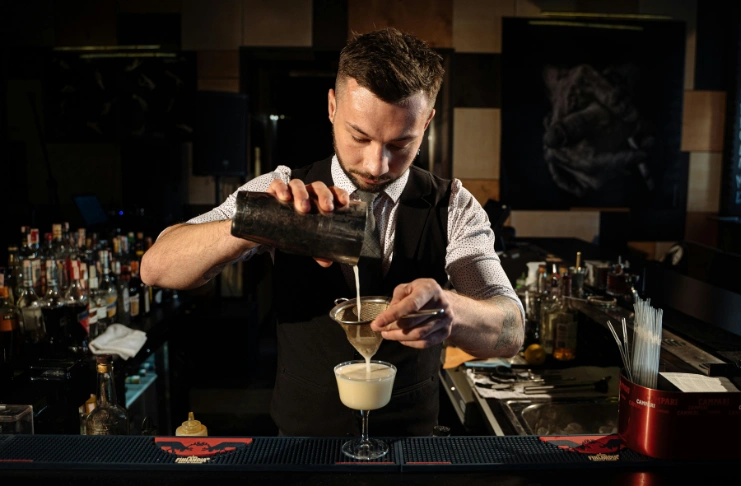
Measuring training effectiveness demands clear metrics and regular evaluation processes. Without measurement, you cannot determine the success of a program or identify opportunities for improvement.
Track customer satisfaction scores before and after implementing new training programs. Improved ratings indicate successful training outcomes, while declining scores suggest areas needing immediate attention.
Monitor progress through these operational metrics:
- Order accuracy rates
- Average service times
- Customer complaint frequency
- Sales per staff member
- Employee retention rates
- Mystery shopper scores
Using Customer Feedback Effectively
Customer feedback provides valuable insights into service quality and training effectiveness. Systematic feedback collection helps identify specific training needs and measures progress over time.
Implement multiple feedback channels to capture diverse customer opinions:
- Direct conversation during service
- Online review monitoring and response
- Email surveys after visits
- Comment cards at tables
- Social media engagement and monitoring
Train staff to solicit feedback naturally during service. Simple questions like “How are you enjoying your drinks?” or “Is there anything else I can get for you?” encourage customer input while demonstrating genuine care and concern.
Key Performance Indicators That Matter
Focus on metrics that directly relate to training objectives and business outcomes. The right KPIs provide objective measures of training program effectiveness.
Customer satisfaction ratings reflect both overall service quality and the success of training initiatives. Regular survey data or review monitoring provides ongoing feedback about staff performance and areas needing improvement.
Sales performance indicates whether staff effectively implement product knowledge and suggestive selling techniques, as measured by tracking average transaction values, upselling success rates, and individual staff sales performance.
Operational efficiency metrics, such as order accuracy and preparation times, reveal whether training improves practical skills. These measures directly impact customer experience and business profitability.
Which Common Training Mistakes Hold Bars Back?
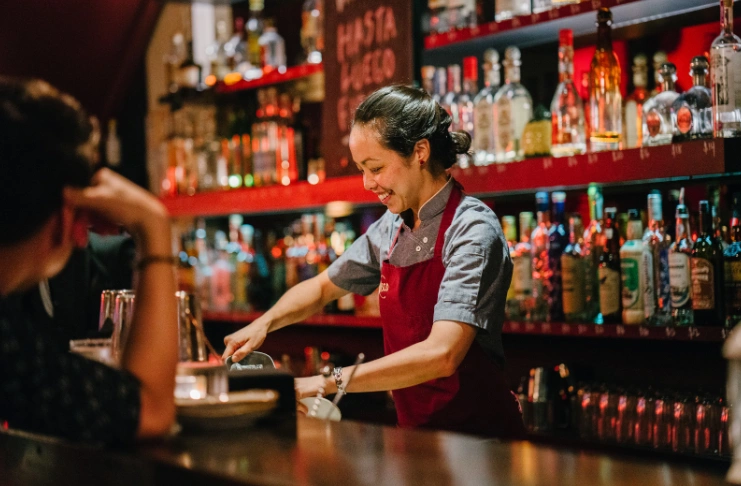
Avoiding common training mistakes significantly improves program effectiveness and resource utilization. Learn from these common pitfalls to develop more effective training programs.
Rushing the Training Process
Rushing staff through training to get them working quickly often backfires completely. Inadequate preparation leads to costly mistakes, poor customer service, and eventual retraining needs that waste more time and money.
Invest adequate time in thorough initial training. The extra days spent on proper preparation pay dividends through reduced errors, better customer satisfaction, and longer employee retention rates.
Set realistic timelines based on the complexity of the position and the individual’s learning pace. New bartenders typically need 2-3 weeks of intensive training, while experienced staff transferring from other establishments may need only 1-2 weeks.
Neglecting Ongoing Education
Initial training gets staff started, but ongoing education helps maintain and improve performance over time. Skills deteriorate without regular practice, feedback, and new learning opportunities.
Schedule regular training sessions on a monthly or quarterly basis to reinforce skills and introduce new techniques. These sessions also provide opportunities to address emerging challenges and share best practices among team members.
Keep staff informed about bar industry trends, new products, and shifting customer preferences. Subscribe to industry publications, attend trade shows, and encourage staff to pursue additional certifications and education opportunities.
Conclusion
Training bar staff effectively requires commitment, resources, and systematic approaches that address both technical skills and customer service abilities. The investment yields substantial returns through enhanced customer satisfaction, increased sales, reduced turnover, and improved operational performance.
However, remember that training is an ongoing process. Continuous improvement through ongoing education, regular feedback, and performance monitoring ensures your bar staff remain competitive and capable in an evolving hospitality industry.
The bars that invest most heavily in staff development consistently outperform competitors and build loyal customer bases that drive long-term success.
Frequently Asked Questions
1. How to properly train a bartender?
Start with product knowledge and basic mixing techniques, then progress to customer service skills and responsible alcohol service. Combine hands-on practice with ongoing feedback and support.
2. What are the 5 P’s of bartending?
The 5 P’s are: Preparation (mise en place), Product knowledge, Presentation, Personality, and Professionalism. These fundamentals create consistently excellent service.
3. What skills do bar staff need?
Bar staff require proficiency in mixing drinks, customer service skills, effective communication, product knowledge, responsible alcohol service training, and problem-solving abilities to handle various situations.
4. What is the golden rule of bartenders?
The golden rule is to treat every customer as you’d want to be treated, providing attentive and respectful service regardless of the situation or customer behavior.
5. How to make staff training fun?
Include interactive elements like competitions, tastings, role-playing scenarios, and team challenges. Gamification and hands-on activities maintain engagement throughout the learning process.
6. How are bartenders trained?
Bartenders receive training through a combination of formal education, on-the-job training, shadowing experienced staff, practice sessions, and ongoing professional development activities.
7. What type of training do you need to be a bartender?
Basic bartending skills training, responsible alcohol service certification, customer service development, and establishment-specific procedures. Many states require alcohol service permits.
8. What skills are needed for bar staff?
Essential skills include drink preparation, customer interactions management, communication abilities, teamwork, problem-solving, responsible service, and maintaining professional standards consistently.
9. What is code 50 for a bartender?
Code 50 typically refers to a security alert indicating a problematic customer situation requiring management intervention or potential law enforcement contact.
10. What is the golden rule of bartending?
Provide exceptional service to every guest by being attentive, knowledgeable, and professional while creating positive experiences that encourage repeat visits.
11. What are the 7 skills of good customer service?
Active listening, clear communication, empathy, problem-solving skills, patience, product knowledge, and the ability to remain calm under pressure during challenging situations.
12. What kind of skills do you need to be a bartender?
Technical mixing abilities, interpersonal skills for customer interactions, multitasking capabilities, physical stamina, mathematical skills for calculations, and creativity for drink presentations.
13. What skills do you need to be a bar owner?
Business management, staff leadership, financial planning, marketing knowledge, regulatory compliance understanding, customer service excellence, and operational efficiency optimization abilities.