

The ice cream business in India is one of the most promising ventures in the food and beverage sector. With evolving consumer preferences, rising disposable incomes, and greater access to premium products, entrepreneurs are discovering the sweet potential of this growing frozen desserts market.
Understanding the Indian Ice Cream Market

The Indian ice cream market has experienced a remarkable transformation over the past decade.
INDUSTRY INSIGHTS
| The Indian ice cream market reached INR 268.0 billion in 2024 and is expected to reach INR 1,078.0 billion by 2033, exhibiting a compound annual growth rate (CAGR) of 16.7% during 2025-2033. This exponential growth trajectory makes the ice cream industry one of the most attractive sectors for new business ventures. |
What drives this impressive growth? The answer lies in changing demographics and consumer behavior. Urban and rural markets alike are experiencing a surge in demand for premium ice cream brands and innovative flavors. The traditional ice cream segment continues to thrive alongside artisanal ice creams that cater to sophisticated palates. Consumer preferences have evolved from simple milk ice cream varieties to diverse product offerings.
Today’s Indian consumers seek unique flavors, rich and creamy texture, and premium ingredients that deliver indulgent experiences. This shift creates opportunities for entrepreneurs to establish successful ice cream businesses that cater to these refined tastes.
Ice Cream Industry Growth Drivers

The ice cream sector in India has become one of the most dynamic parts of the food industry, driven by lifestyle shifts and improved supply chain networks. Understanding what powers this remarkable growth helps entrepreneurs align strategies with market demand. From changing purchasing behaviors to rural market penetration, several factors create a favorable environment for both startups and established brands.
Rising Disposable Income and Lifestyle Changes
India’s expanding middle class is allocating more of its spending to indulgent foods, with ice cream transitioning from a seasonal treat to a year-round staple. Semi-urban and tier-2 markets are now displaying strong growth, thereby widening the target base.
Busy lifestyles and urbanization have increased the demand for convenient desserts, contributing to steady, year-round sales.
Expansion into New Markets
Premium and value ice cream brands are expanding into smaller towns and rural areas, supported by robust cold-chain infrastructure and strategic retail partnerships. Multiple distribution touchpoints—from supermarkets to quick-commerce platforms—have boosted accessibility, fueling growth and consumption.
Types of Ice Cream Businesses

Ice cream businesses in India come in many forms, ranging from small-scale parlors to manufacturing units that supply nationwide chains. Entrepreneurs can choose a model based on capital, expertise, and market strategy. Each option offers unique benefits and requires different operational planning, investment, and branding approaches.
Ice Cream Parlour Business Model
Parlours are experience-driven outlets offering diverse menus—sundaes, shakes, frozen yogurt—and curated interiors. High-traffic areas, such as malls and tourist zones, are ideal locations. Personalized service and local flavor innovation help parlours build strong customer loyalty.
Ice Cream Shop and Store Operations
Shops prioritize takeaway service over dine-in experiences, requiring lower investment while delivering good margins. These outlets thrive in residential and office areas, appealing to customers who seek convenience and quick service.
Ice Cream Franchise Opportunities
Franchise models from brands like Naturals and Mother Dairy offer turnkey setups, comprehensive training, access to a supply chain, and established branding. For entrepreneurs seeking lower-risk ventures, this is a practical entry point into the sector.
Manufacturing and Distribution Business
Large-scale ice cream manufacturing offers high returns but demands significant capital investment in machinery, cold storage, and logistics. The business thrives on consistency, economies of scale, and a broad network of retail and foodservice buyers.
Market Research and Consumer Analysis

Before investing in an ice cream venture, understanding consumer behavior is crucial. Market research identifies target demographics, regional preferences, and seasonal trends that influence buying decisions. A data-driven approach enables entrepreneurs to create products that resonate with local tastes while positioning their brands competitively.
Understanding Target Demographics
India’s per capita ice cream consumption is just 1.6 litres annually, far below countries like New Zealand (28.4 litres), indicating vast untapped potential.
Urban millennials and Gen Z customers drive demand for premium options, while families ensure consistent sales. Meanwhile, health-conscious buyers are pushing demand for sugar-free, low-fat, and vegan alternatives.
Income levels influence buying patterns: affluent consumers tend to favor artisanal brands, while middle-income groups seek value-for-money options. Businesses must tailor offerings to match pricing expectations and regional preferences.
Regional Preferences and Seasonal Patterns
South India leads in ice cream consumption due to climate and dairy-centric diets, though northern and eastern states are catching up.
To counter seasonal dips in winter, successful brands diversify menus with warm desserts, festival-themed promotions, or packaged take-home offerings. Regional preferences also shape menus, with kulfi, pistachio, and rose being popular in smaller towns, while gelato or frozen yogurt appeals to metro audiences.
Investment Requirements and Costs

Launching an ice cream venture requires thoughtful capital allocation, as startup and operational costs vary based on the business model. Understanding where to invest—whether in premium interiors, advanced machinery, or efficient cold-chain systems—sets the foundation for profitability.
Initial Capital Investment
Starting an ice cream business requires careful financial planning, as costs vary significantly depending on the chosen business model. A small ice cream shop might require investment ranging from INR 5-15 lakhs, while a full-service parlour could demand INR 20-50 lakhs or more, depending on location and scale.
Major cost components include equipment purchase or leasing, interior setup, initial inventory, licensing fees, and working capital for initial operations. High-quality ice cream-making equipment represents a significant portion of startup costs and has a direct impact on product quality and operational efficiency.
Location costs vary dramatically between cities and neighborhoods. Prime commercial locations command higher rents but provide better customer access. Entrepreneurs must balance the benefits of location against rental costs to ensure sustainable operations from the outset.
Equipment and Infrastructure Costs
Batch freezers, soft-serve machines, and display freezers are core investments. Cold storage and refrigerated logistics are essential for product integrity. Used machinery may lower upfront costs, but increases maintenance risks.
POS systems, signage, and décor enhance branding but must be budgeted carefully.
Ongoing Operational Expenses
Monthly expenses cover ingredients, staff, utilities, rent, and marketing. Dairy price fluctuations and energy-intensive refrigeration drive costs. Skilled staff training enhances efficiency, while energy-efficient equipment reduces utility bills over time.
Licensing and Legal Requirements

Ice cream ventures must comply with strict food safety regulations. Licensing and certifications not only ensure operational legality but also strengthen consumer trust. Navigating municipal approvals and obtaining clearances early streamlines operations and avoids costly delays.
Food Safety and Quality Certifications
An FSSAI license is mandatory for all food businesses in India. The approval process involves facility inspections and documentation of hygiene practices. Certifications like ISO 22000 or HACCP enhance brand credibility and open doors to opportunities with premium partners.
Trade License and Municipal Approvals
Trade licenses, fire safety clearances, and zoning permissions vary across states but are essential for smooth operations. Entrepreneurs should ensure compliance early to avoid disruptions.
Sourcing Raw Materials and Suppliers
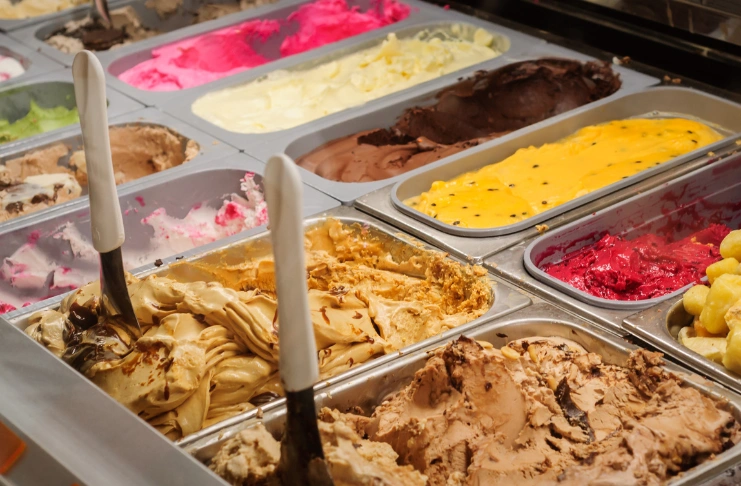
Reliable sourcing is at the heart of any ice cream business, ensuring quality, taste, and consistency. Strategic partnerships with dairy suppliers, importers, and local producers enable businesses to stay competitive while upholding high standards.
India’s Dairy Industry Integration
India’s strong dairy supply chain is a backbone for ice cream businesses. Building ties with trusted local suppliers helps maintain quality while securing favorable pricing terms. Supplier diversification ensures continuity during disruptions.
Premium Ingredients and Flavor Development
Premium brands rely on imported flavors, such as Belgian chocolate or Madagascar vanilla. Consumers also value sustainability and ethical sourcing, offering a marketing edge. Rotating seasonal flavors around ingredient availability keeps menus dynamic while maintaining control over costs.
Equipment and Technology
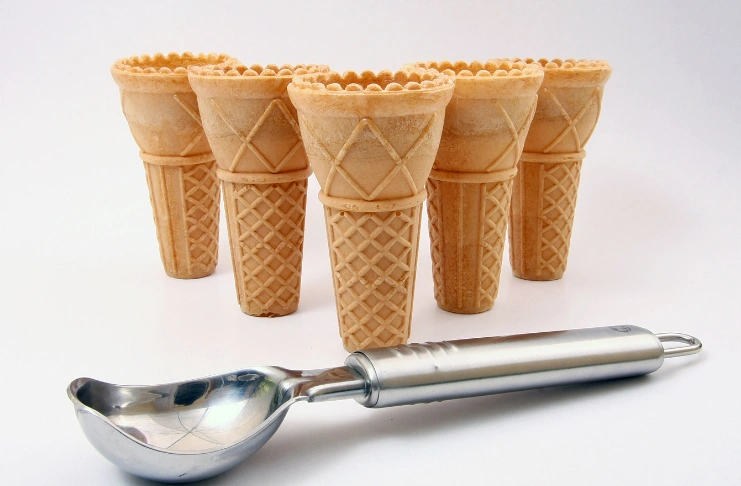
Technology plays a crucial role in ensuring product consistency and operational efficiency. From production equipment to temperature monitoring, a well-structured setup minimizes waste and improves customer satisfaction, making it a vital investment area.
Ice Cream Production Equipment
Batch freezers ensure consistent quality, while soft-serve machines enable quick, high-margin sales. Display freezers enhance impulse buying with attractive product presentation.
Cold Chain Management
Cold storage, temperature monitoring, and backup power systems safeguard inventory and maintain product quality, which is critical for both retail and distribution businesses.
Product Development and Menu Planning
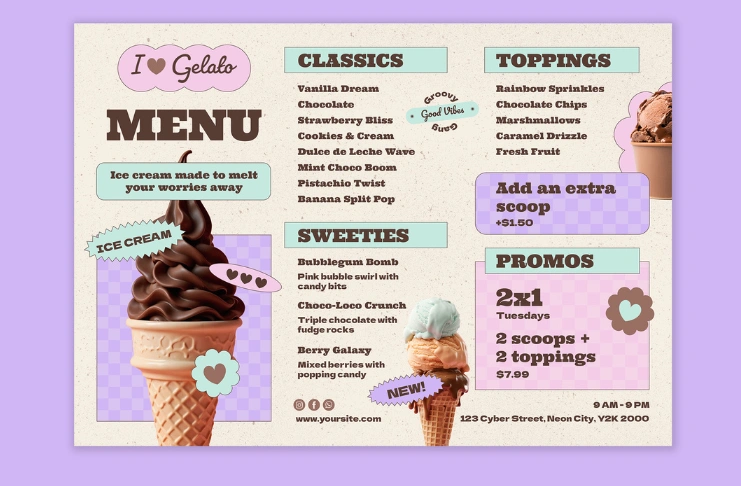
Innovation drives repeat sales in the ice cream industry. Businesses must strike a balance between customer favorites and creative seasonal offerings to remain relevant. A well-designed menu encourages higher sales, creates excitement, and builds brand recognition.
Traditional vs Premium Ice Cream Products
Vanilla, chocolate, and strawberry remain staples, while artisanal flavors attract high-end buyers. A balanced mix of 60–70% traditional and 30–40% experimental products works well for most brands.
Seasonal and Limited Edition Offerings
Seasonal flavors (e.g., mango) or festival-themed specials generate excitement and boost traffic. Limited editions enable brands to test trends before rolling them out permanently, while collaborations with local farms or other brands offer unique offerings.
Marketing Strategies for an Ice Cream Business

Marketing is essential for standing out in India’s competitive dessert landscape. From social media campaigns to community-driven initiatives, strong branding and targeted promotion can quickly build a loyal customer base.
Brand Development and Positioning
Distinct branding communicates quality and tells the brand’s story. Premium ice cream brands emphasize artisanal processes, while family-friendly outlets focus on fun, vibrant themes to attract groups.
Digital Marketing and Social Media
Visual marketing thrives on platforms like Instagram and Facebook. User-generated content campaigns and location-based marketing draw foot traffic, while integrating online ordering expands reach.
Community Engagement and Events
Participation in school programs, food festivals, or seasonal promotions creates goodwill and brand loyalty. Rewards programs, discounts, and birthday perks encourage repeat customers.
Challenges and Solutions

Every ice cream venture faces competition, supply chain risks, and seasonal fluctuations. A clear understanding of these challenges, paired with proactive strategies, ensures long-term sustainability and profitability.
Seasonal Demand Fluctuations
Winter slowdowns can be managed through menu diversification, such as offering hot beverages, bakery items, or packaged desserts, and by expanding into regions with different climates.
High Competition and Market Saturation
Differentiation is key. High-quality ingredients, creative flavors, and exceptional service justify premium pricing. Niche strategies, like keto or plant-based ice creams, create space in crowded markets.
Supply Chain and Quality Control
Maintaining consistent product quality requires reliable supply chains and rigorous quality control processes. Temperature fluctuations, ingredient variations, or equipment malfunctions can damage product quality and customer satisfaction.
Supplier diversification reduces the risks associated with single-source dependencies, providing backup options during supply disruptions. Multiple supplier relationships also provide negotiating leverage for better pricing and terms.
Standard operating procedures ensure consistent product preparation regardless of staff changes or operational variations. Documented processes, regular training, and quality checkpoints maintain standards while enabling business scaling.
Financial Planning and Profitability

Proper financial planning ensures healthy cash flow and growth potential. Ice cream ventures with strong cost controls and diversified revenue streams often see higher margins and better scalability.
Revenue Projections and Profit Margins
Direct product margins often reach 60–80%, but overall profitability relies on cost control, efficient operations, and seasonal planning.
Adding wholesale supply, catering, or packaged products increases revenue stability, especially during low-demand months.
Cost Management and Efficiency
Effective cost management focuses on major expense categories, including raw materials, labor, utilities, and rent. Regular analysis of cost trends helps identify opportunities for optimization while maintaining product quality and service standards.
Inventory management affects both costs and product quality through proper rotation, storage conditions, and waste minimization. Efficient inventory systems reduce carrying costs while ensuring the availability of fresh products and maintaining customer satisfaction.
Operational efficiency improvements, achieved through staff training, equipment optimization, and process refinements, directly impact profitability. Small improvements in waste reduction, energy usage, or service speed accumulate into significant financial benefits.
Scaling and Growth Opportunities

Once established, ice cream ventures can expand rapidly through new outlets, franchising, and product innovation. Careful analysis of regional demand and supply chain capabilities ensures sustainable scaling.
Scaling often involves launching new outlets, franchising, or diversifying into frozen dessert product lines. Pilot projects and detailed research help reduce risks when expanding geographically.
Collaborations with restaurants, supermarkets, or event businesses boost sales without heavy infrastructure investments.
Success Stories and Best Practices

Learning from leading brands helps new businesses avoid costly mistakes and embrace proven models. Innovation, adaptability, and customer-centric approaches define the most successful players in India’s ice cream sector.
Learning from Established Players
Naturals Ice Cream demonstrates how focusing on natural ingredients and authentic flavors can build strong brand loyalty and premium positioning in competitive markets. Their emphasis on fruit-based flavors and traditional preparation methods resonates with health-conscious consumers.
Mother Dairy‘s success illustrates the power of strong distribution networks and consistent quality across diverse price points. Their ability to serve both premium and value segments through different product lines provides market coverage and risk diversification.
Regional success stories often highlight the importance of understanding local preferences while maintaining operational excellence. Businesses that adapt global ice cream concepts to Indian tastes frequently achieve strong market positions and customer loyalty.
Innovation and Adaptation Strategies
Successful ice cream businesses continuously innovate through new flavors, preparation methods, or service concepts. Innovation keeps brands relevant while attracting media attention and customer interest.
Technology adoption improves operational efficiency and customer experience through point-of-sale systems, inventory management, or online ordering platforms. Early technology adoption often provides competitive advantages and operational cost savings.
Conclusion
Customer feedback integration enables businesses to refine their products and services while fostering stronger relationships. Regular customer surveys, social media monitoring, and direct feedback collection provide valuable insights for business improvement.
The ice cream business in India presents exceptional opportunities for entrepreneurs willing to invest in quality, understand customer preferences, and execute professional operations. With a booming middle class, rising disposable incomes, and enormous growth potential evidenced by low per capita consumption compared to developed markets, the foundation exists for building profitable and sustainable ice cream businesses.
Success requires careful planning, adequate capitalization, and unwavering commitment to product quality and customer satisfaction. The combination of traditional demand for frozen desserts with evolving consumer preferences creates space for both established approaches and innovative concepts.
Whether pursuing ice cream parlour operations, manufacturing ventures, or franchise opportunities, entrepreneurs who approach this business with professionalism, market understanding, and a customer-focused approach will find rewarding opportunities in India’s dynamic ice cream industry. The sweet success of this business awaits those prepared to serve quality products with passion and excellence.
Frequently Asked Questions
1. Is ice cream business profitable in India?
Yes, the ice cream business is profitable in India due to rising demand, growing disposable incomes, and increasing interest in premium and artisanal varieties of ice cream.
2. Is selling ice cream a profitable business?
Selling ice cream can be a profitable business if you choose the right location, maintain quality, and market effectively.
3. Which is India’s no. 1 ice cream brand?
Amul is India’s number one ice cream brand, renowned for its extensive reach and strong brand reputation.