

The food industry has witnessed a remarkable transformation with the rise of delivery services and ghost kitchens. As customers increasingly order meals from virtual establishments without traditional dining areas, questions about food preparation transparency have become more pressing.
This shift has created unique challenges for restaurant owners operating in cloud kitchens and dark kitchen models.
Live streaming technology offers a powerful solution to bridge the trust gap between food service businesses and customers. By providing real-time visibility into kitchen operations, restaurants can enhance customer experience while building stronger relationships with their target audience.
This transparency becomes particularly valuable for delivery platforms and third-party services where customers never see the physical location where their food is prepared.
The growing market for live streams presents significant opportunities for food businesses to differentiate themselves and gain a competitive advantage.
With over 28.5% of internet users watching live streaming content weekly, and the global live streaming market projected to reach $345.13 billion by 2030, restaurants that recognize the role of live kitchen streaming in customer experience position themselves at the forefront of customer engagement innovation.
What is Live Kitchen Streaming?

Live kitchen streaming involves broadcasting real-time video content from restaurant kitchens directly to customers through various platforms and tools. This technology allows diners to watch kitchen staff prepare meals in real-time, creating unprecedented transparency in food preparation processes.
The system typically integrates with existing kitchen display systems and POS systems to provide customers with comprehensive order tracking capabilities.
When customers place food delivery orders through delivery platforms or third-party apps, they can access live streams showing their specific meals being prepared by kitchen staff.
Key features of live kitchen streaming include:
- Real-time video feeds from multiple kitchen space angles
- Integration with order management systems for personalized viewing
- Customer interaction through chat features on different platforms
- Recording capabilities for quality assurance and training
- Mobile optimization across various delivery systems
- Connection with pos system for seamless order processing
Ghost kitchens and cloud kitchen operators particularly benefit from this technology since customers never visit the physical store. The streaming helps humanize these virtual brands and provides assurance about food safety standards.
Many dark kitchen concepts now consider live streaming essential equipment for their business model.
Cloud kitchen operations can showcase multiple brands from a single kitchen space, allowing customers to see how their favorite meals are prepared regardless of which virtual restaurant they order from. This capability supports the growing trend of delivery services offering diverse menu items from consolidated locations.
Why Does Trust Matter More in Delivery-Only Restaurants?
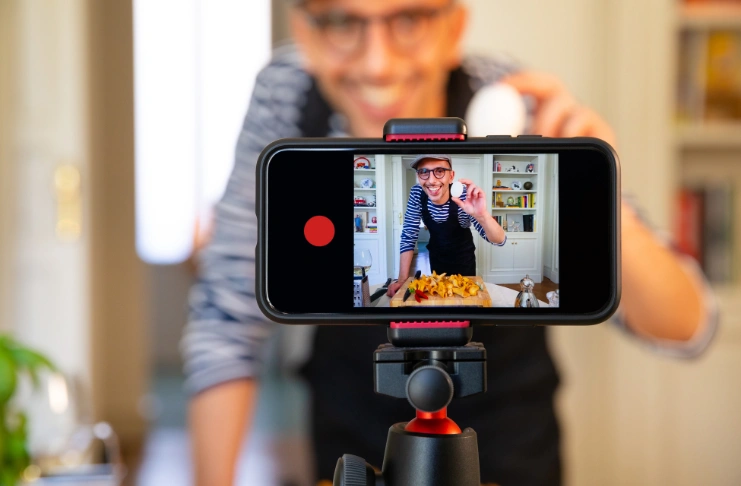
Trust forms the foundation of successful customer relationships in the food service industry. When customers can’t physically observe food preparation, psychological barriers emerge that significantly impact customer satisfaction and repeat business.
Traditional restaurants benefit from visible kitchen areas where customers can observe general food preparation processes. However, food delivery services and cloud kitchen models remove this visual connection, creating uncertainty among consumers about food quality and safety standards.
Live kitchen streaming in customer experience addresses these psychological needs by:
- Providing visual confirmation of cleanliness and professionalism during food preparation
- Allowing customers to see the kitchen staff prepare meals with proper techniques
- Creating emotional connections through operational transparency
- Reducing anxiety about food safety and hygiene practices
- Building confidence in the business model and service quality
Research shows that customers who can observe food preparation report higher confidence levels and are more likely to become returning customers. The ability to track orders visually satisfies human needs for control and predictability in the dining experience.
This transparency becomes particularly important for new customers trying ghost kitchens or cloud kitchen concepts for the first time. Visual proof of quality food preparation can convert one-time orders into long-term customer relationships, directly improving customer satisfaction metrics.
How Does Live Streaming Change Customer Perception?
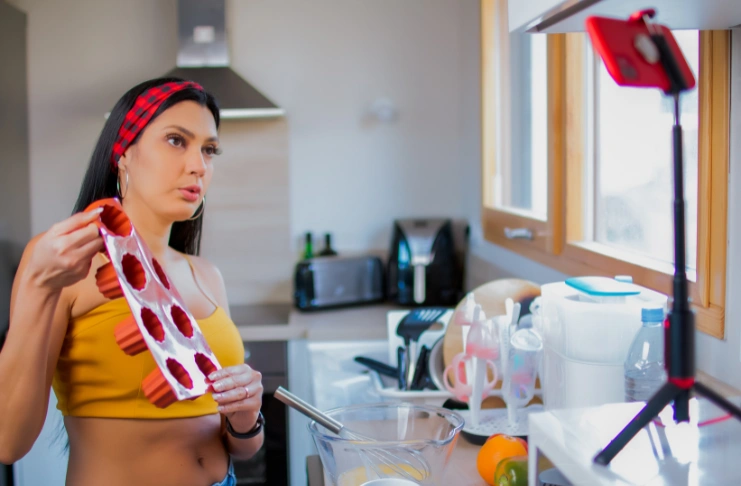
Live streaming transforms passive food delivery ordering into interactive experiences that keep customers engaged throughout the entire process. This engagement extends beyond simple order placement to create lasting connections between food service businesses and their target audience.
Interactive features that enhance customer experience include:
- Live chat capabilities for direct customer questions
- Behind-the-scenes content showing kitchen operations and food preparation
- Kitchen staff interactions and cooking demonstrations
- Real-time updates on delivery times and order progress
- Special promotions and free samples for live viewers
- Integration with social media platforms for a broader reach
Customers appreciate being able to ask questions directly to kitchen staff or observe special food preparation techniques. This interaction creates participation that traditional delivery systems cannot match. Many restaurants report increased customer satisfaction scores when implementing live streaming key features.
Social media integration amplifies engagement by allowing customers to share live streams with friends and family. This organic marketing through different platforms generates additional exposure and can attract more customers through word-of-mouth promotion.
The technology also enables restaurants to showcase new menu items through live food preparation demonstrations, creating excitement around product launches and seasonal offerings. This approach proves more effective than traditional marketing efforts in driving immediate orders and building customer expectations.
INDUSTRY INSIGHT
| According to recent live streaming market data, the global live streaming market is projected to reach $345 billion by 2030, growing at an impressive 23% compound annual growth rate from 2024 to 2030. Currently, 28.5% of internet users worldwide watch live streams weekly, with viewers spending an average of 25.4 minutes per viewing session. Most significantly for the food industry, live streams generate 10% more engagement than pre-recorded content, and 80% of people prefer watching a live video from a brand over reading a blog post. This presents a massive opportunity for food service businesses to capture customer attention in an increasingly competitive delivery market. |
What Operational Benefits Do Restaurants Gain from Live Streaming?
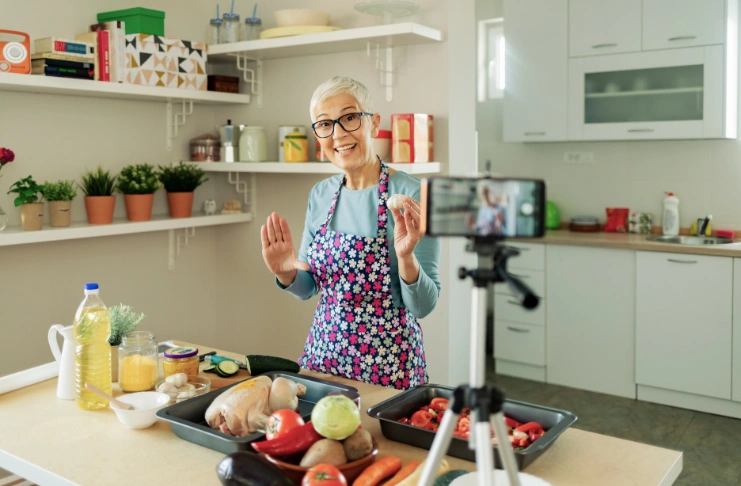
Live kitchen streaming provides numerous operational advantages beyond customer engagement. The technology creates accountability systems that naturally improve kitchen efficiency and food quality standards while reducing operational costs.
Kitchen staff performance typically improves when they know customers can observe their work. This visibility encourages adherence to food safety protocols and presentation standards without requiring additional management oversight. Kitchen staff often report feeling more proud when customers can see their food preparation skills and professionalism.
Quality control benefits include:
- Real-time monitoring of food preparation standards and efficiency
- Documentation for training kitchen staff and improving processes
- Evidence for addressing customer complaints about order accuracy
- Improved food waste management through better portion control
- Better inventory management through consumption tracking
- Enhanced delivery times through optimized kitchen operations
The streaming data helps identify peak food preparation times and workflow bottlenecks, enabling better resource allocation and reduced delivery times. Restaurant owners can use recorded streams to analyze kitchen operations and implement efficiency improvements across their business model.
Marketing efforts benefit significantly from authentic content creation. Live streams provide genuine footage that can be repurposed for social media marketing, website content, and promotional materials across different platforms. This content proves more engaging than traditional food photography because it shows actual food preparation processes.
Cost benefits emerge over time as improved customer satisfaction reduces refunds and complaints while increasing repeat business. The investment in streaming equipment and pos system upgrades typically pays for itself through improved operational costs and higher customer lifetime value.
What Technology Is Required for Live Kitchen Streaming?

The technical infrastructure for live kitchen streaming has become increasingly sophisticated and accessible. Modern solutions integrate multiple cameras, streaming platforms, and kitchen management tools into cohesive systems that require minimal technical expertise to operate.
Essential equipment and tools include:
- High-definition cameras positioned strategically throughout the kitchen space areas
- Reliable internet connectivity with sufficient bandwidth for live streams
- Streaming software and platforms for broadcast management across different platforms
- Integration tools for connecting with existing pos systems and order management platforms
- Mobile-responsive viewing interfaces for food delivery customers
- Kitchen display systems that coordinate with streaming equipment
- Payment processing integration for seamless transactions
Cloud-based solutions eliminate the need for extensive on-site equipment while providing reliable streaming capabilities. These systems often include automatic recording features, analytics tools, and integration with popular delivery platforms and third-party apps.
Advanced systems incorporate artificial intelligence to automatically switch camera angles based on order activity or highlight specific food preparation techniques. Some platforms offer virtual reality capabilities for immersive customer experiences, though these remain experimental for most food service applications.
The technology integrates seamlessly with kitchen display systems and pos systems to provide coordinated information flow. When orders appear on screens, the streaming system can automatically focus on relevant food preparation areas and provide customers with targeted viewing experiences.
Security features ensure that sensitive operational information remains protected while providing transparency about food preparation. Access controls allow restaurant owners to manage who can view live streams and when streaming occurs, maintaining operational security while enhancing customer experience.
What Challenges Come With Live Kitchen Streaming?
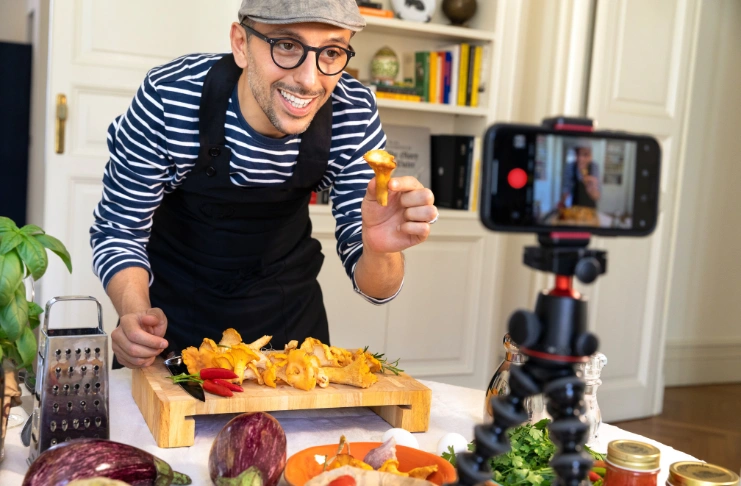
Despite its benefits, live kitchen streaming presents several key considerations and challenges that restaurants must address for successful implementation. Technical difficulties can disrupt food delivery service and negatively impact customer experience if not properly managed.
Common challenges include:
- Internet connectivity issues affecting stream quality and delivery systems
- Extra costs for equipment, bandwidth, and platform subscriptions
- Training requirements for kitchen staff to work effectively on camera
- Privacy concerns for kitchen staff and operational procedures
- Managing customer expectations during busy food delivery periods
- Potential negative exposure if food preparation problems occur on live streams
- Integration complexities with existing pos systems and order management tools
Equipment failures can create significant problems since customers expect consistent access to live streams. Backup systems and contingency plans become essential for maintaining service reliability across delivery platforms.
Kitchen staff resistance sometimes occurs when team members feel uncomfortable being watched constantly. Proper training and gradual implementation help address these concerns while maintaining team morale and food preparation quality.
Bandwidth requirements can strain existing internet infrastructure, particularly during peak ordering periods when multiple customers access live streams simultaneously. Upgrading connectivity often represents high operational costs for cloud kitchen and ghost kitchen operations.
Legal key considerations around employee privacy and food safety regulations vary by location and require careful attention during implementation planning. Some jurisdictions have specific requirements for workplace monitoring that affect streaming capabilities.
Managing customer support becomes more complex when customers can observe kitchen operations directly. Kitchen staff must be prepared to address questions and concerns that arise from live viewing, requiring additional training and potentially increased customer support resources.
How Will Live Kitchen Experiences Evolve in the Future?
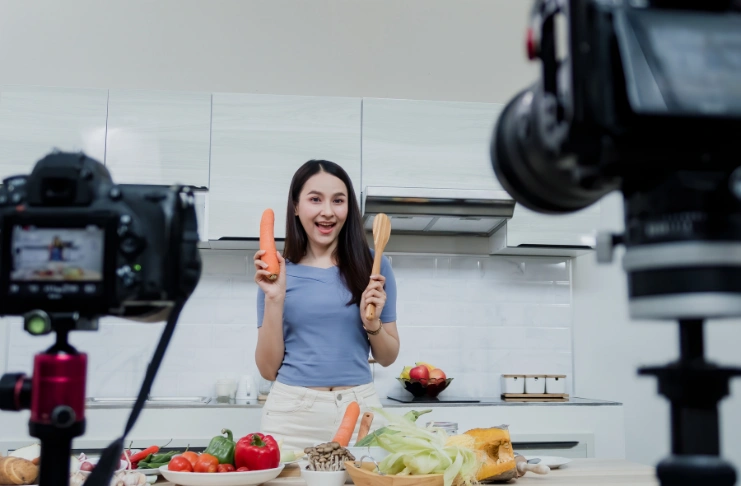
The evolution of live kitchen streaming continues to advance with emerging technologies and changing customer expectations in the food industry. Virtual reality integration promises immersive experiences that could revolutionize how customers interact with food preparation processes.
Artificial intelligence will enable more sophisticated streaming experiences, including automatic camera switching, real-time ingredient identification, and personalized viewing recommendations. These tools will help restaurants provide more engaging content while reducing manual management requirements and operational costs.
Integration with smart kitchen equipment will create comprehensive digital ecosystems where streaming, food delivery ordering, inventory management, and payment processing work together seamlessly. This connectivity will enable innovative ways to deliver customer experience and new business model opportunities.
Predictive analytics using streaming data will help restaurant owners optimize menu items, food preparation techniques, and staffing schedules based on customer viewing patterns and engagement metrics. This data-driven approach will improve both efficiency and customer satisfaction across delivery services.
The growth of ghost kitchens and cloud kitchen concepts will drive continued innovation in streaming technology. As these business models expand globally, streaming capabilities will become standard key features rather than optional enhancements.
Interactive features will expand beyond simple chat functionality to include customer input on food preparation preferences, real-time customization requests, and gamified engagement elements. These features will create more personalized experiences while generating additional revenue opportunities for food service businesses.
Multi-brand cloud kitchens will benefit from advanced streaming systems that can showcase different concepts while maintaining operational efficiency. This capability supports the growing trend of virtual restaurant brands and delivery-focused business models.
Future developments may include:
- Short video app integration for broader social media reach
- Enhanced order tracking with real-time kitchen views
- Automated delivery driver coordination through streaming systems
- Advanced inventory management connected to live preparation feeds
- Integration with platforms like Uber Eats and other major delivery services
Conclusion
Live kitchen streaming in customer experience represents a transformative opportunity for food service businesses to build trust, enhance customer satisfaction, and differentiate themselves in competitive markets.
As customers increasingly expect transparency and engagement from the brands they support, streaming technology provides practical solutions for meeting these customer expectations.
The benefits extend beyond customer satisfaction to include operational improvements, reduced food waste, enhanced efficiency, and competitive positioning. While implementation challenges exist, the technology has matured to the point where solutions are accessible and affordable for businesses of various sizes operating different business models.