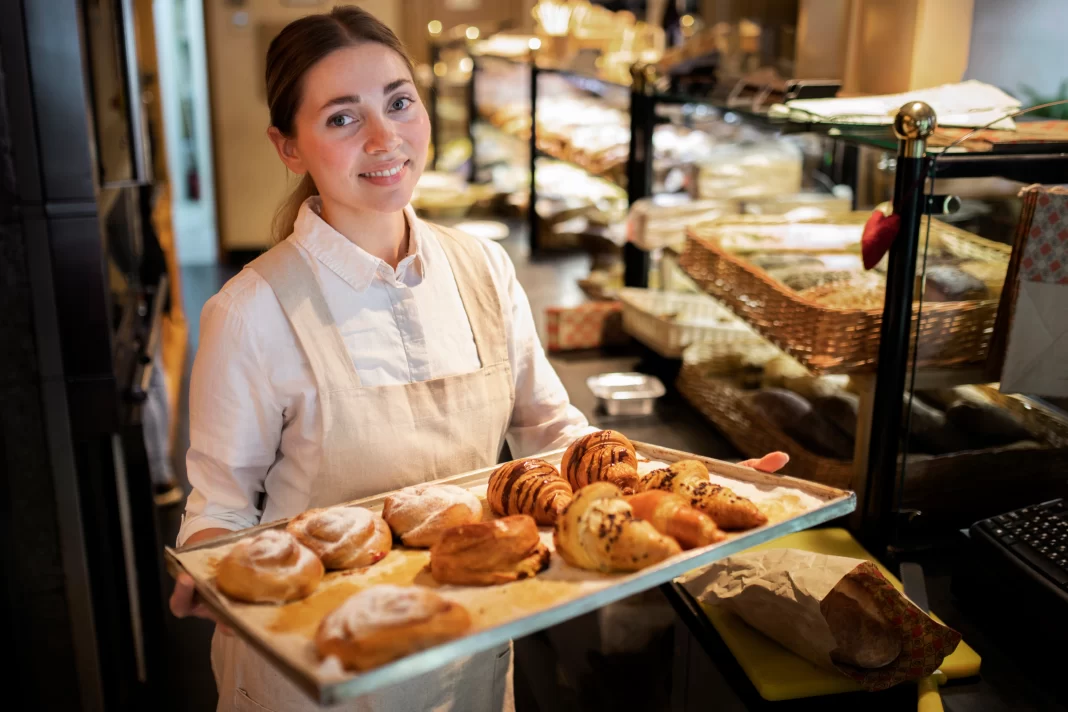

Having a prime location for a bakery can greatly affect the visitor traffic, operational expenses, loyalty, and sustainability of the business. If a bakery is located in a prime spot, there is bound to be a lot of visitor traffic, which increases the loyal consumer base, thereby justifying the operational expenses. It can fail irrespective of whether the product or service is good due to a poor location.
This guide outlines the key factors to evaluate when selecting a location for a bakery business, what to avoid, and which factors matter most for profitability. Whether you’re opening your first outlet or expanding, this is a location strategy built for results.
Why Does Location Matter So Much in the Bakery Business?

A bakery thrives on impulse purchases and routine visits. That means it needs to be seen, accessed easily, and positioned where high foot traffic and demand already exist. Unlike dining establishments, which can get by with a destination concept, convenience is key to bakeries. If your location isn’t conducive to steady flow (residential, commercial, or foot traffic), you’ll be struggling, independent of how good your product line is.
Location also influences the costs of operation. High rent and low conversion mean destroying profits. On the other hand, low rent and finding yourself in an invisible corner mean stunted growth. The trick is to get to that point where flow and demand meet rent.
Customer type, time of day, and product mix all tie back to location. Selling premium cakes or other baked goods in a low-income pocket won’t work, nor will bulk bread in a business district. Your location should reflect the purchase behavior you’re targeting.
What to Consider When Selecting the Location for a Bakery Business?
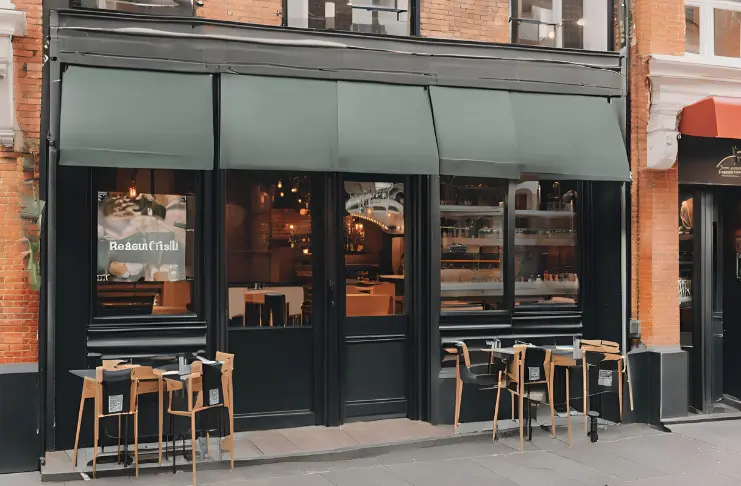
Every bakery format needs a different kind of space. A sit-down café isn’t built for the same location as a takeaway counter or a high-volume production unit. What matters is how well the location supports your operations, employees’ cost structure, and customer access.
The goal here isn’t just visibility but conversion. Can the people passing by afford your products? Can they stop easily? Will they come back? If not, you’re burning rent.
“Location is closely tied to logistics.” It has to be accessible for employees, for deliveries, and for maintenance. “A location may be very desirable on paper.” But when you are there, “It may be undesirable in terms of noise, or waste removal, or legal location.”
So, what factors must you consider when conducting market research and selecting a location for a bakery business? Here are the core ones:
1. Trade Area Viability
Not all high-traffic areas are economically sound. “What really drives success for a bakery is the purchasing power and lifestyle of people in the immediate area.” Middle-class families with habitual snacking, office hubs, and young families’ quarters are likely to generate better conversion rates for bakeries.
In this context, it’s the economic resilience of the area that becomes important. Why? If you live in a neighborhood where different industries provide jobs, you will fare better in economic downturns than those living in a one-industry area. This ensures that you will not be out of business.
INDUSTRY INSIGHT
| The global bakery market is projected to reach USD 84.83 billion by 2033, growing at a CAGR of 2.4% from 2025 to 2033. This growth is driven by increasing consumer demand for convenient, diverse, and health-conscious baked goods. When selecting a bakery location, consider areas where the population’s lifestyle and spending habits align with these market trends. Neighborhoods with a high concentration of health-conscious consumers, such as those near fitness centers or organic markets, may offer a receptive customer base for bakeries specializing in healthier options. Also, urbanization and changing eating habits have increased the consumption of ready-to-eat bakery products. Therefore, bakeries offering quick, on-the-go items can benefit from locations in bustling urban centers or near transit hubs, where convenience is a priority. Aligning your bakery’s location strategy with these evolving consumer preferences and market dynamics is essential for tapping into the growing demand and ensuring long-term success. |
2. Visibility and Street Positioning
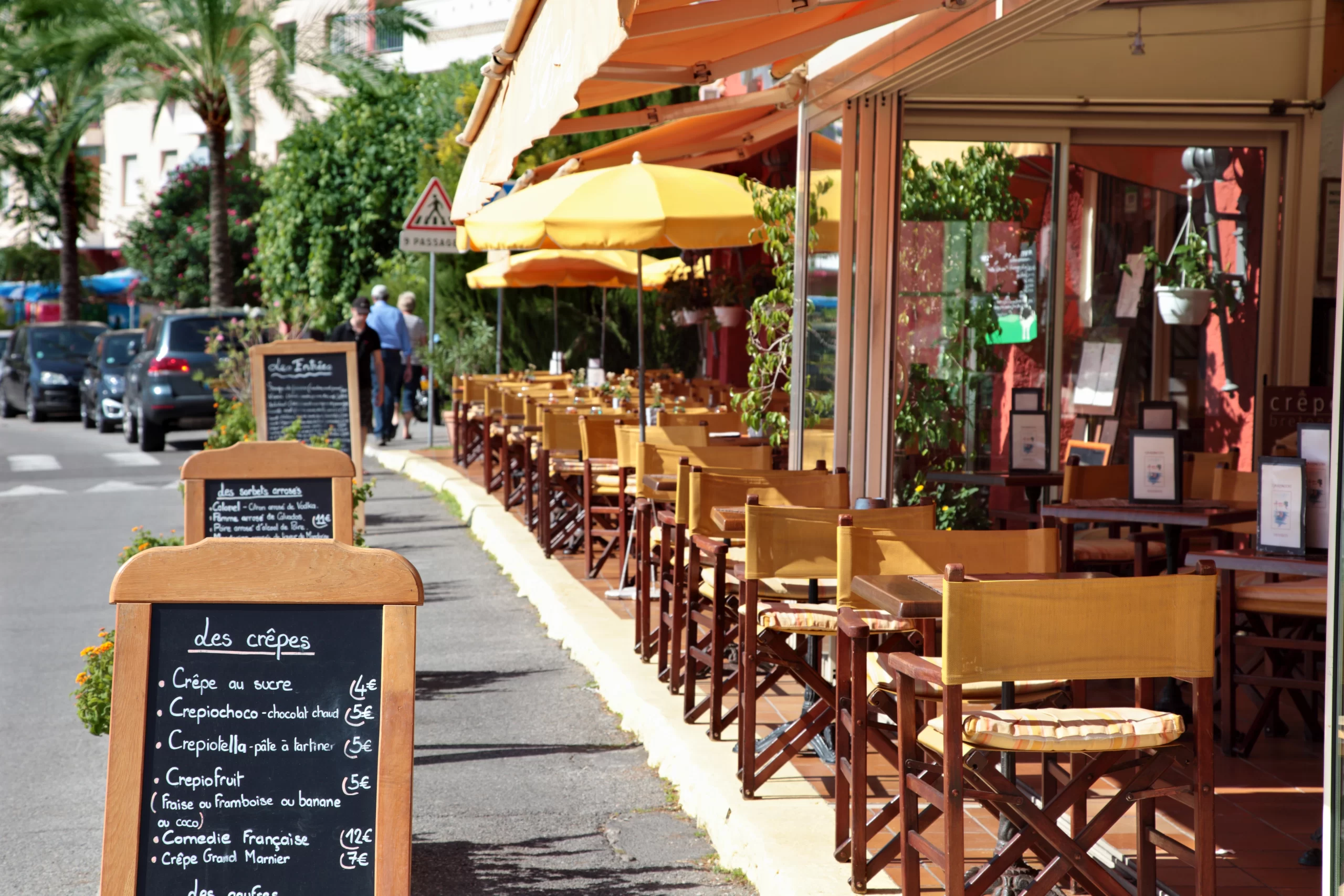
Corner units, intersection, and eye-level facades are better for passive reach. If your bakery is not visible due to signage, stairs, and/or parking lots, it’s not attracting the impulse buy customer.
Locations noticeable from more than one direction attract more notice than those noticeable from only one direction. Greater storefront façademeans an even stronger visual impact is created. Locations near distinctive architectural points or on corners attract attention in commercial areas due to their natural notability.
Mind that some locations restrict signage size, illumination, or projection, and these limitations may impact your bakery’s street presence. So, choose the location wisely.
Finally, since bakeries sell through visual appeal, prioritize locations with ample window space for product displays that create 24/7 marketing opportunities
3. Nearby Demand Drivers
The presence of schools, business parks, healthcare centers, metro stations, and gyms creates spikes that can be forecasted. The nearer your bakery is to these centers of demand, the easier it is to control the demand for your business, especially during the morning and evening periods.
Schools create morning, afternoon, and occasional traffic; parent pickup zones provide extremely lucrative locations for a bakery. Hospitals create frequent and emotionally driven purchases for treatment and regular employee breaks.
Transit nodes like railway stations, bus terminals, and metro stops direct potential customers past your location twice daily. Tourism hotspots support premium pricing but often face seasonal fluctuations that must be accounted for in your financial planning. Areas with 50+ housing units per acre typically support neighborhood bakeries through routine purchases.
These areas must be at the top of your priority ‘potential bakery location’ list.
4. Accessibility and Parking
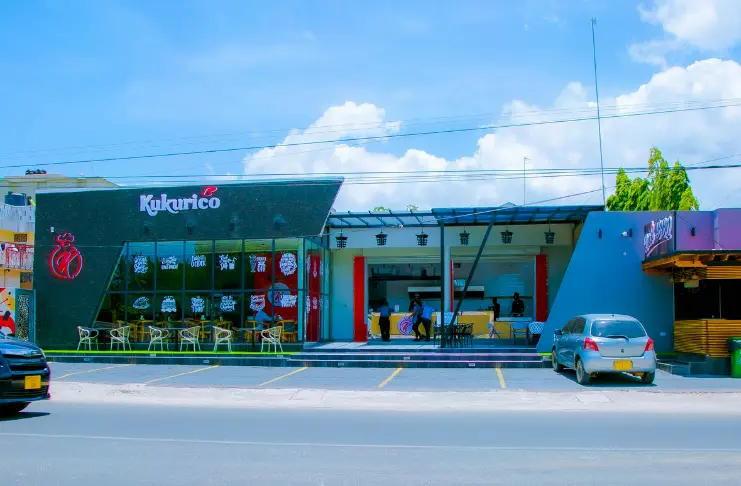
A bakery thrives on convenience. Inconvenient parking or restricted pedestrian access creates friction that low-cost items like croissants and coffee can’t overcome. So, ensure your chosen site has a short-walk entry, bike access, and drop-in-friendly vehicle zoning.
This will allow customers to park for a short while (under 10 minutes), which will boost grab-and-go sales immensely.
When deciding on a location to set up your bakery business, you need to look at functional requirements such as delivery points that do not cause jams during peak hours. Be cautious of sites that lie along one-way roads or those that necessitate complicated left turns.
Areas with walkability scores above 70 (out of 100) may translate into higher bakery performance. You can use calculators by Walk Score, Calculator Academy, etc., which are available online to evaluate how walkable an area is.
5. Rental Yield vs. Sales Potential
Low rent doesn’t equal profitability. Your goal should be to keep occupancy cost (rent + CAM or common area maintenance charge) below 10–15% of projected monthly revenue. High-street units might cost more, but they’re more viable if they offer 3x the visibility and traffic.
Always project rent-to-revenue ratios based on comps from nearby F&B businesses. Look into sales per sq. ft. benchmarks and aim for at least $24 per sq. ft. in fast-moving formats.
6. Zoning and Licensing Compatibility
Bakery operations need F&B zoning, exhaust clearance, fire safety compliance, and, in many regions, licenses for on-site prep and dine-in. Any spot with zoning restrictions will delay your launch by months or kill the plan entirely. Always verify municipal constraints affecting the bakery industry before committing.
In many places, there are requirements from the health department for food production facilities, including ventilation requirements, grease traps, floor drains, and hand-washing stations. Some areas may also present restrictive guidelines regarding cooking smells, the time you should operate, and waste disposal that might affect your bakery.
Check whether your operating hours comply with local noise regulations, particularly if early-morning baking activities are included in your model.
7. Competitive Landscape
Having too many competing bakeries side by side might work if your product offering is differentiated. In places where price is an important consideration (e.g., Tier 2 cities), saturation impacts profitability. Analyze your competition for SKUs, price points, waiting times, and customer composition before opening your bakery in close proximity.
Mind that some locations benefit from “co-opetition,” where clusters of similar businesses attract more total customers than isolated operations. See if it could work for you.
8. Infrastructure Readiness
Does the site support your production capacity? You’ll need consistent electricity, water supply, drainage, and HVAC feasibility. Most importantly, for units planning on fresh bakes, heating, or café-style seating, retrofitting a non-F&B space can spike setup costs.
Check if the electrical capacity in the building can handle commercial ovens, mixers, refrigeration, and other equipment operating at the same time. Find out if the water supply and pressure are adequate for a bakery, especially if there are multiple stations requiring water service. Look at whether floor loads can accommodate heavy equipment, such as commercial mixers and deck ovens. Test the HVAC capacity to remove heat generated by the baking operations and maintain customer comfort during all seasons. Determine whether the ceiling height is at a level to support commercial ventilation systems and clearances above equipment.
Also, your technological infrastructure will need at least high-speed internet. Factor in all this carefully.
9. Digital Order Radius
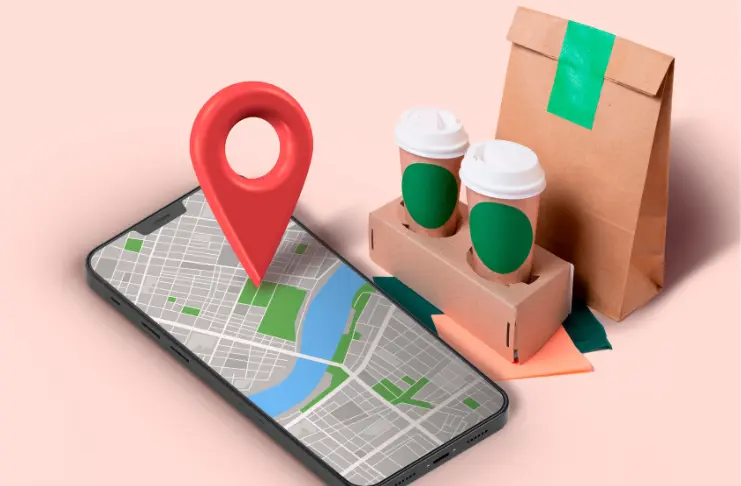
This is where your delivery reach on something like DoorDash or Uber Eats will contribute largely to sales. Thus, you must understand the delivery range, average number of orders, and competition for the location on lease agreements prior to committing.
The fact is, a bricks-and-mortar store with low footfall can actually compete effectively if it can bridge a digital delivery gap in a high-demand residential area.
10. Expansion Value
If your aim is to grow at a larger scale, you should choose a location that could be your flagship location for your chosen brand. Accessibility to places such as training facilities, logistics infrastructure, and supply kitchen services would add to your efficiency in doing business. Renting from a landlord who has properties such as restaurants would provide an opportunity to engage in multi-location expansion at a later stage.
In assessing whether a hub-and-spoke model scheme is viable, one should determine whether a particular site could be utilized as a production hub and/or a retail satellite. Take into consideration the value of branding from premier sites: they tend to create a better impression for prospective investors/franchisees.
Analyze whether the area’s demographics align with your broader expansion strategy. Locations that can evolve with your business model—supporting incremental additions like catering, wholesale, or product line expansions—offer greater long-term value than sites that constrain growth options.
What Should You Avoid When Selecting a Location for a Bakery Business?
Beware of surface-level appeal. A visually attractive space in a trendy neighborhood might seem ideal, but if it lacks steady footfall or draws the wrong customer segment, it won’t sustain sales.
Also, avoid locations near noisy exhaust vents, garbage zones, or nightclubs. These will, for sure, damage your brand perception. Stay away from buildings with pending litigation, high tenant turnover, or landlords who resist signage or outdoor seating.
Most importantly, don’t rely on future developments (like a promised mall or metro) to generate demand. If it doesn’t work today, there is a low chance it will in the future
What Should You Include in a Bakery Location Viability Checklist?
Before you sign any lease or commit to a location, benchmark your shortlisted sites against these 10 parameters:
- Do at least 200 people walk past or into this location daily?
- Can a person spot your storefront from 50 meters away?
- Will you get the space ready with electricity, exhaust, and drainage? (If not, you’ll have to budget a few dollars more, along with a delay of 4-6 weeks)
- Is your rent less than 12% of your projected gross monthly sales?
- Does DoorDash/Grubhub show that you’re inside a high-demand radius?
- Is there a car park or an easy pickup point within 30 steps?
- Is the layout in the kitchen and front-of-house capable of supporting simultaneous operations?
- Are there other successful bakeries or cafes in the area within 500m?
- Do you understand who lives, works, or studies within a 2 km radius?
- Are licensing, signage, and zoning 100% clear and legally sound?
If even two of these questions score a “No,” pause and reassess your decision.
Why Should You Run a Location Heatmap Before Finalizing Your Bakery Site?
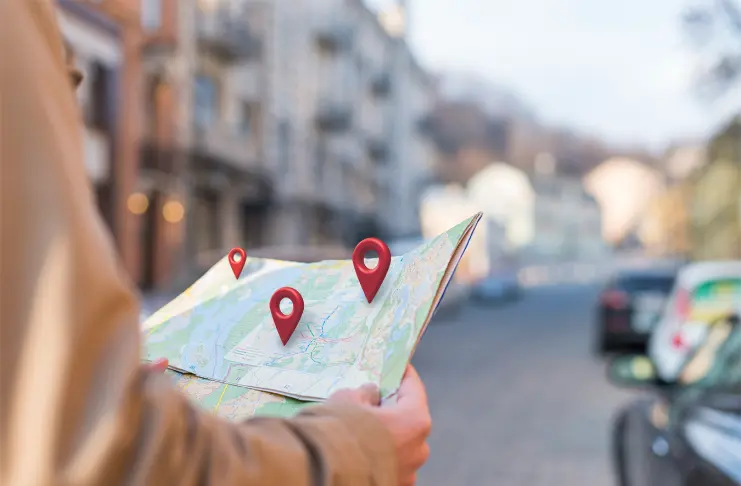
Before you lock in on any location for your bakery business, pull up Google Maps Timeline, Yelp, or Apple Maps to run a quick heat check.
See where people are hanging out during 8–10 AM, 4–7 PM, and weekends.
Are the top bakeries nearby busy? What’s the traffic like on foot and by car?
This basic legwork will tell you more than any hundred-dollar feasibility report.
Conclusion
The best location for a bakery business balances customer access, operational efficiency, and financial sustainability. Start with a thorough demographic analysis, then layer in traffic patterns, competition, and costs.
Remember: Your bakery’s location should enable the right products to reach the right customers at the right price. When these align, your business will naturally thrive for years to come.
Frequently Asked Questions
1. Where is the best place to start a bakery business?
The best places for bakeries are areas with consistent foot traffic and matching demographics. Urban neighborhoods with high walkability, office districts for morning commuters, residential areas with families, and locations near complementary businesses, like coffee shops, work well.
2. What business structure is best for a bakery?
For most independent bakeries, an LLC or S-Corporation provides optimal liability protection and tax benefits. LLCs offer management flexibility and asset protection while being relatively simple to maintain. S Corporations can provide additional tax advantages through payroll tax savings.
3. What are the best states for bakers?
States with strong food cultures, such as California, New York, Oregon, Washington, and Massachusetts, offer good markets for bakeries. States with lower business costs, like Texas, Florida, and North Carolina, provide better profit margins.
4. What is the best target market for a bakery?
The most reliable target markets for a bakery business include urban professionals with disposable income, health-conscious consumers seeking quality ingredients, families with children, office workers needing breakfast and lunch options, and special occasion celebrants.
5. What makes the most money in a bakery?
The highest profit items in bakeries are typically custom cakes, specialty pastries, artisan breads, and coffee/beverage pairings. Wedding and special event catering also generates substantial revenue. Successful bakeries often combine high-volume staples that drive daily traffic with high-margin specialty items that boost average transaction value.
6. Where does a bakery work?
Bakeries operate in various environments, including standalone storefronts in commercial districts, shopping centers, food halls, farmers’ markets, and even home-based businesses where regulations permit. Production-focused bakeries may operate from industrial spaces, selling wholesale to restaurants and retailers. Many successful bakeries also incorporate online ordering systems, delivery services, and catering operations to extend beyond their physical location.
7. What is the best location for a bakery?
The best location for a bakery maximizes visibility, accessibility, and proximity to your target customers. Corner locations with available window display space, areas next to daily destination points-schools, offices, transit-neighbourhoods with complementary businesses, and zones with a minimum of moderate foot traffic work well.
8. What sells the most in a bakery?
Bestselling bakery items typically include everyday essentials like bread loaves, breakfast pastries (croissants, muffins), cookies, and specialty coffee.
9. What to know before opening a bakery?
Before opening a bakery, one must: comprehend capital needs, be ready to face early morning hours and physical stress; study health department requirements in depth; be sure your concept is unique and meets market demands; have tested and dependable suppliers; know the realistic food costs; plan for equipment maintenance and seasonal changes; and most importantly, realize that it takes 18-24 months to see profitability on average.
10. How profitable is owning a bakery?
The profitability of bakeries can widely differ, and their net profit margin can vary from 5% to 20%, based on concepts and management efficiency. Most bakeries attain the point of breakeven in 12-18 months and full profitability of the business in 24-36 months.