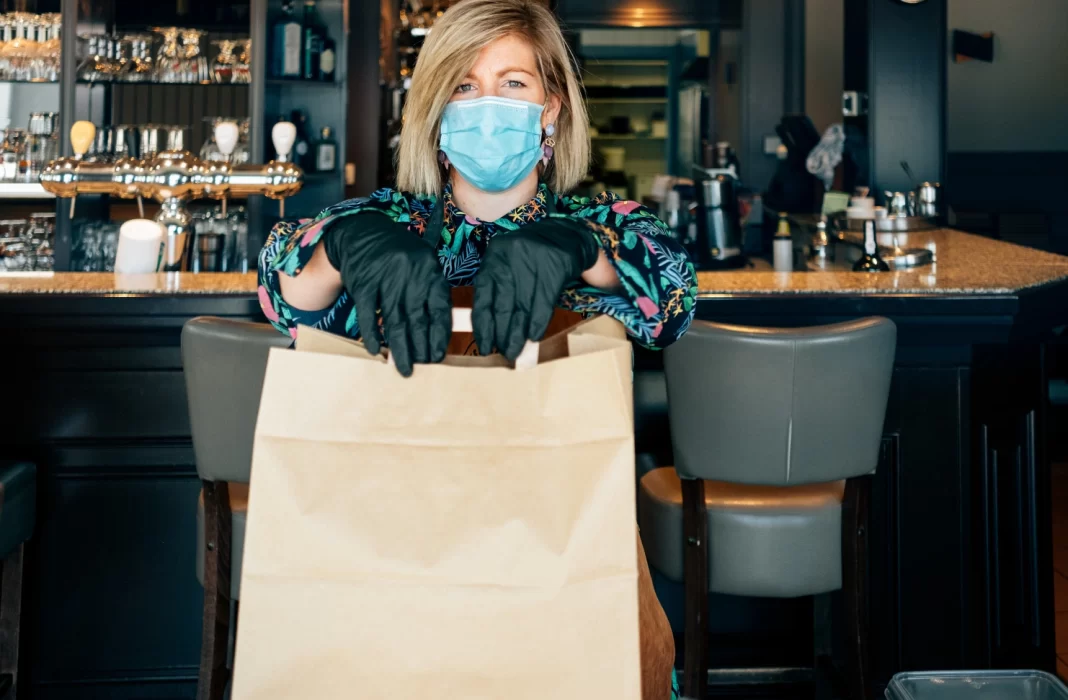

India’s food industry is booming with opportunities, and takeaway formats are at the center.
And why not? Consumers want food delivered quickly, without the overhead of dining in. That’s perhaps the biggest reason why quick-service restaurants and takeaway outlets are multiplying across cities and towns.
For first-time entrepreneurs, opening takeaway restaurant in India looks appealing because it promises lower operational costs, faster food preparation, and a business model built for scale.
Still, it’s not as simple as renting a space and starting to cook. A takeaway restaurant demands multiple restaurant licenses, including an FSSAI license, a shop and establishment license, a health trade license, and a fire safety license. You may also need an eating house license, GST registration, a signage license, and, in some cases, a liquor license and a music license.
Every takeaway business must be a legally registered entity with the right establishment license to operate without issues.
This startup guide breaks the entire process into actionable steps. You’ll learn how to choose the right location, design a profitable menu, manage inventory management systems, secure your trade license, and keep food safety at the forefront. Let’s get in.
How Do You Start and Scale a Takeaway Restaurant in India?
Opening a takeaway restaurant in India (or anywhere, for that matter) requires a clear understanding of the market, the right licenses, efficient operations, and a plan to grow profitably. The sections below break the entire journey into practical steps so you can build a legally compliant and sustainable takeaway business.
Step 1: Understanding the Indian Takeaway Restaurant Market
The takeaway business is growing and reshaping India’s entire food business industry.
Here’s what makes this business model so attractive: you focus purely on food preparation and delivery. The model eliminates expensive dining furniture, waitstaff managing tables, and massive real estate costs for ambiance.
INDUSTRY INSIGHT
| India’s quick-service market is projected to hit $27.8 billion in 2025, growing to $43.5 billion by 2030. Similarly, Cloud kitchens, which rely entirely on takeaway/delivery, are valued at $1.1 billion in 2024, with a projected 13% CAGR through 2033. |
What’s driving this boom?
Consumer behavior has fundamentally changed. 70-75% of Indian consumers now prefer smaller meals throughout the day, boosting snackable, takeaway formats. A staggering 80% of consumers have replaced at least one main meal with a snack, often sourced via delivery or takeaway.
The trend extends beyond metro cities. Tier 2 and Tier 3 cities are driving growth, fueled by rising disposable income and digital ordering adoption.
The business model is straightforward: you cook, they order, you pack, they pick up, or it gets delivered. Your focus stays on what matters: quality food and operational efficiency.
Step 2: Market Research and Identifying Your Target Customers

Before you sign a lease or buy equipment, you need to know exactly who you’re feeding.
Start by observing your local community. Who lives there? What do they eat? When do they order food?
Ask yourself these questions:
What cuisine is undersupplied in your area? Is everyone doing North Indian, but nobody’s serving authentic South Indian breakfast? Is there a gap for healthy meal prep boxes?
Who’s your target audience? Students looking for affordable food? Working professionals seeking quick lunches? Families wanting dinner delivered?
What’s their price sensitivity? This determines everything from your menu to your packaging.
Walk around your neighborhood during lunch and dinner hours. Check what people are ordering on Swiggy and Zomato. Look at reviews of existing restaurants. What are customers complaining about? That’s your opportunity.
Talk to potential customers. Run informal polls on local WhatsApp groups or social media. Ask what they wish were available nearby.
Here’s a practical tip: order from your future competitors. Experience their food, packaging, delivery time, and pricing. Note what works and what doesn’t. This gives you competitive intelligence and a fair idea of market standards.
The goal is to dominate one specific niche for one specific customer segment. Understanding your local community deeply helps you attract customers more effectively.
Step 3: Choosing the Right Location for Your Takeaway Restaurant
Location can make or break your takeaway restaurant. The good news: you don’t need prime real estate.
Your customers order online or pick up quickly. Unlike fine dining or casual dining establishments, they won’t walk in to admire your interiors.
Focus on these factors:
Accessibility for delivery partners. Is your location easy to find? Can delivery riders navigate to it quickly? Your relationship with delivery logistics matters more than foot traffic.
Proximity to your target audience. If you’re targeting office goers, being within 3-4 km of business districts helps. For residential areas, position yourself centrally within the neighborhood.
Rental costs vs. revenue potential. Your restaurant building doesn’t need high visibility, which means lower rent. Look for ground-floor spaces in residential areas or small commercial complexes. Avoid expensive high-street locations unless you’re also planning to dine in.
Kitchen space over dining space. You need a functional, spacious kitchen rather than a fancy storefront. Prioritize food preparation areas, storage, and packing stations.
Some entrepreneurs are even opting for cloud kitchens: pure production units with zero customer-facing space. This cuts operating costs dramatically and lets you test multiple brands from one location. The lower operational costs make the business model more sustainable from day one.
Visit potential locations at different times. Check delivery accessibility during peak traffic. Talk to neighboring shop owners about the area’s customer behavior.
Remember: in the takeaway food business, your online presence is your storefront. Your physical location just needs to be functional and strategically positioned.
Step 4: Legal Requirements and Licenses for Opening Takeaway Restaurant in India

This is where most new entrepreneurs feel overwhelmed. But the reality is that getting your licenses becomes super easy when you know what you need and follow the process systematically.
Think of licenses as your business foundation. Operating without proper restaurant license documentation creates legal risks and can shut you down completely. Getting all necessary restaurant license approvals should be your first priority before starting operations.
Here’s every license you need:
1. FSSAI License (Mandatory)
The FSSAI license is your most critical legal document. It’s issued by the Food Safety and Standards Authority and certifies that your food outlet meets safety standards.
You’ll need a Basic license if your turnover is under ₹12 lakhs annually, a State license for ₹12 lakhs to ₹20 crores, or a Central license for turnover above ₹20 crores.
Apply through the FoSCoS portal for your food license application. You’ll need identity proof, address proof issued by authorities, a layout plan of your kitchen, and details of your food preparation processes. Processing typically takes 7-60 days, depending on the license type.
This license allows you to operate legally. Online delivery platforms require it for onboarding, and you’ll face heavy penalties without it.
2. Trade License
Issued by your state’s municipal corporation, the trade license permits you to run a commercial establishment. People also call it the health trade license in some states. This health trade license ensures your takeaway restaurant meets local health and safety regulations set by the municipal corporation.
You’ll apply through your local municipal corporation office or online portal. Requirements include property documents, a no-objection certificate from the property owner, proof of fire safety compliance, and your FSSAI license. The no-objection certificate confirms that the property owner allows commercial operations.
This typically costs ₹2,000-10,000 depending on your city and business size.
3. Shop and Establishment License
Required under the Shop and Establishment Act, this shop and establishment license regulates working hours, employee rights, and business operations. The establishment act varies by state but generally covers similar requirements.
Apply through your state’s labor department. You’ll need your business registration, property documents, owner’s identity proof, and employee details if you’re hiring. This establishment license ensures you comply with labor laws.
Many states now offer this online through their respective labor department portals. Annual renewal is usually required. Some cities may require you to visit the zonal citizens’ service bureaus for documentation.
4. GST Registration
If your annual turnover exceeds ₹40 lakhs (₹20 lakhs for service providers), GST registration becomes mandatory. Registering voluntarily below this threshold helps you claim input tax credits and looks professional to B2B clients.
Register on the GST portal using your PAN, business address proof, bank details, and photographs. You’ll receive your GSTIN within 3-7 working days. GST registration simplifies your tax compliance and helps track business growth. Proper GST registration also positions your takeaway business for future expansion.
5. Fire Safety License
The fire department issues this fire safety license after inspecting your premises for fire safety standards. You’ll need proper fire extinguishers, emergency exits, electrical safety compliance, and ventilation.
Apply to your local fire department. They’ll conduct an inspection and issue the fire license if compliant. Renewal is usually annual, and the fire safety certificates must be prominently displayed. The fire department inspection ensures your restaurant meets all safety protocols.
6. Eating House License
The licensing police commissioner issues this license in most states. This police eating house license ensures your establishment meets hygiene and safety standards and that you have no criminal records. Getting an eating house license requires background verification.
Apply through your local police station with documents including your FSSAI license, property papers, identity proof, and photographs. Background verification checks for criminal records. The licensing police commissioner’s office processes these applications.
7. Music License
Playing music in your takeaway restaurant (even background music while customers wait) requires a music license from PPL or PRS India. This costs around ₹5,000-15,000 annually, depending on your space size. The music license is a legal permit for playing copyrighted music.
8. Signage License
For your outdoor signage board, you’ll need approval from your municipal corporation. Requirements and costs vary by city, but expect to pay ₹500-5,000 annually. The signage license allows you to display your restaurant’s name board legally. Check municipal corporation rules before installing any signage, as the signage license requirements differ across cities.
9. Liquor License (If Applicable)
Planning to serve liquor requires a complex and expensive process. You’ll need to apply for a foreign liquor license through your state’s excise department. The liquor license allows you to serve liquor legally in your takeaway restaurant.
Requirements are stringent and vary by state, but typically include a legally registered entity, significant security deposits (often ₹5-15 lakhs), clearance from the fire department, police verification, and proof of no criminal records. Each state has different requirements for liquor sales. Obtaining a liquor license to serve liquor involves multiple departments. The foreign liquor category includes imported spirits and wines.
Many states have restrictions on how close you can be to schools, religious places, or highways. The process can take 3-6 months, and costs vary widely, from ₹1 lakh to over ₹10 lakhs, depending on your state license requirements.
Skipping this initially makes sense unless you’re planning a premium takeaway with liquor sales.
Pro Tips for License Management:
- Start early. Some licenses take weeks or months. Begin applications even before finalizing your location.
- Use consultants if needed. CA firms or business consultants can handle the paperwork for ₹15,000-40,000, saving you massive time and hassle.
- Keep digital and physical copies of everything. Authorities can ask for an inspection anytime. Your registration certificate and other legal documents should be easily accessible.
- Set renewal reminders. Most licenses need annual renewal. Missing deadlines means penalties or business closure.
- Display licenses prominently. Your FSSAI license, registration certificate, and fire safety certificates should be visible to customers and inspectors.
Step 5: Designing the Menu and Pricing Strategy
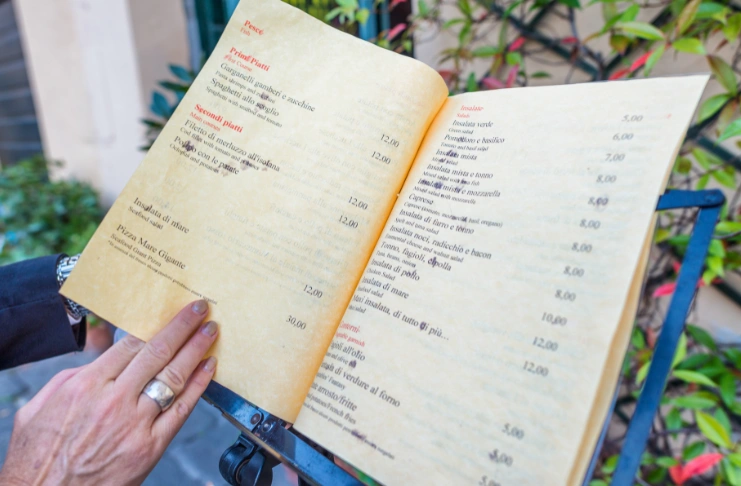
Your restaurant menu engineering efforts represent your business strategy on paper.
Start with focus. Quick-service restaurants succeed by doing a few things exceptionally well. Pick one cuisine or category and master it. A successful quick-service restaurant focuses on consistency over variety. Building a successful quick-service restaurant means perfecting your core menu items first.
Are you doing North Indian comfort food? South Indian breakfast? Healthy meal bowls? Chinese fast food? Gourmet burgers? Pick your lane and own it.
Keep it manageable. A 100-item menu sounds impressive, but it creates operational chaos. Start with 15-25 items max. This reduces inventory management complexity, minimizes food waste, and speeds up food preparation.
Design for delivery. Some foods travel better than others. Avoid items that get soggy, cold, or lose presentation during transit. Focus on dishes that hold their quality for 20-30 minutes.
Build for profitability. Your menu should have a mix:
- Hero items: Your signature dishes that attract customers
- High-margin items: Items with low food cost but a good selling price
- Volume sellers: Popular items that people order frequently
- Combo meals: Bundled offers that increase average order value
Pricing strategy matters more than you think.
Start by calculating your food cost for each dish: ingredients, packaging, condiments, everything. Your food cost should ideally be 28-35% of the selling price for sustainable profit margins.
Factor in your operational costs: rent, salaries, utilities, platform commissions (20-25% on delivery apps), and cooking gas.
Research competitor pricing. You don’t need to be the cheapest, but you can avoid being dramatically more expensive unless you’re offering clear premium value.
Use psychological pricing. ₹199 feels significantly cheaper than ₹200 even though it’s just ₹1 difference.
Test and iterate. Launch with a focused menu. Collect feedback. Track which items sell well and which don’t. Remove underperformers. Add new items based on customer requests.
Adjusting prices after launch is a smart move. If your margins are too tight, a 5-10% increase usually doesn’t affect demand but significantly improves profitability.
Remember: your menu is a living document. What works in month one might need changes by month six as you understand your customers better.
Step 6: Setting Up Kitchen Infrastructure and Equipment
Your kitchen is where the magic happens. Set it up wrong, and you’ll face daily operational chaos. Set it up right, and you’ll run like a well-oiled machine.
Start with the layout. Your kitchen should follow a logical flow: receiving area → storage → prep station → cooking area → packing/dispatch.
This minimizes movement, speeds up operations, and maintains food safety by separating raw and cooked food zones. Proper food preparation areas ensure food safety standards are maintained throughout operations.
Some of the most essential fast-food restaurant equipment you must consider:
Cooking equipment: Commercial gas stoves (2-4 burners, depending on volume), tandoor or oven if needed for your cuisine, deep fryer for fried items, griddle/tawa for breads or pancakes.
Refrigeration: Commercial refrigerator for vegetables and dairy, freezer for frozen items, under-counter chillers for prep stations.
Prep equipment: Food processors, mixers, chopping boards, knife set, weighing scales, storage containers.
Packing station: Stainless steel tables, hot case or warming equipment for keeping food ready, and packaging material storage.
Cleaning and safety: Commercial sink (separate for washing and cleaning), grease trap, fire extinguishers, and first-aid kit.
Buy vs. Lease vs. Used:
New commercial equipment is expensive: expect ₹5-8 lakhs for a basic setup. Used equipment can cut costs by 40-50% but check thoroughly for wear and tear.
Some suppliers offer leasing or installment plans. Evaluate based on your capital availability.
Avoid over-investing initially. Buy what you absolutely need to start. As revenue grows, upgrade and add equipment.
Invest in quality for high-use items. Your main cooking range and refrigeration should meet commercial standards. They run 12+ hours daily and breakdowns halt operations.
Ventilation and exhaust are essential. Commercial cooking generates massive heat and smoke. Proper exhaust systems are necessary for safety and staff comfort.
Plan for power backup. Power cuts can halt operations and spoil refrigerated inventory. A small generator or inverter setup is worth the investment.
Maintenance matters. Set up monthly deep-cleaning schedules. Service equipment regularly. Small issues ignored become expensive repairs.
Think of your kitchen as a manufacturing unit. Efficiency, cleanliness, and workflow optimization directly impact your ability to serve customers quickly and profitably.
Step 7: Hiring and Training Staff for Efficient Operations

Your staff can elevate your takeaway business or sink it. Even a small takeaway restaurant needs the right team.
Start with a lean team:
Head cook/chef: This person should know your menu inside out and maintain consistency. If you’re the founder and can cook, this might be you initially.
Assistant cooks (1-2): Support the head cook during peak hours. Handle prep work and basic cooking.
Kitchen helpers (1-2): Cleaning, chopping, organizing, and assisting wherever needed.
Packing staff (1): Dedicated person for assembling orders, checking accuracy, and managing dispatch.
Delivery personnel (if not using platforms): Only if you’re running your own delivery. Aggregator platforms handle this otherwise.
For a small, quick-service restaurant doing 50-80 orders daily, a team of 4-6 people is typically sufficient.
Where to hire:
Local job portals, community references, hospitality schools, or even social media groups work well. For cooks, ask for a practical cooking test before hiring.
Training is everything:
Food safety training: Every staff member should understand basic hygiene: handwashing, using gloves, avoiding cross-contamination, and proper storage temperatures.
Recipe standardization: Document every dish’s recipe with exact quantities, cooking time, and plating. This ensures consistency even when different cooks prepare the same dish.
Speed and efficiency: Train staff on workflow. During peak hours, every minute counts. Prep work done during non-peak hours saves crucial time during rush periods.
Customer interaction (if any): For staff handling customer calls or counter pickup, train them on politeness, order accuracy confirmation, and handling complaints.
Create SOPs (Standard Operating Procedures): Written guidelines for opening checklist, closing checklist, food preparation steps, cleaning schedules, and emergency procedures.
Staff retention matters: High turnover disrupts operations. Pay fair wages (slightly above market rate helps retain good staff), treat people respectfully, and create a positive work environment.
Incentivize performance: Bonuses for hitting monthly targets, maintaining zero complaints, or customer satisfaction scores can boost morale and operational efficiency.
Remember: your staff represents your brand. Even though customers don’t see them, the quality, consistency, and care in food preparation reflect their work. Invest in training and retention because it pays off.
Step 8: Technology Setup – POS, Online Ordering, and Delivery Apps
Technology has become the backbone of any successful takeaway restaurant.
1. Point of Sale (POS) System:
A good POS system tracks orders, manages inventory, generates bills, and provides sales analytics.
Popular options for small, quick-service restaurants include Petpooja, Restroworks, Gofrugal, and Lightspeed. Costs range from ₹5,000 to ₹ 25,000 for setup, plus a monthly subscription of ₹1,000-3,000.
Choose cloud-based systems because they let you monitor sales and operations even when you’re physically absent.
2. Online Ordering Platforms:
Most of your orders will come from these platforms. Register on:
Zomato and Swiggy: Zomato and Swiggy are essential players in India’s online food delivery ecosystem. The market reached USD 48.07 billion in 2024 and is projected to grow at a CAGR of 27.3%, reaching USD 537.23 billion by 2034. With such growth, it is clear that these platforms have become integral to how Indians order and consume food today.
ONDC: The Open Network for Digital Commerce is government-backed and charges lower commissions (5-10% vs 20-25% on other platforms). Still growing, but worth listing.
Own Website/App: For long-term business growth, building a direct ordering channel reduces commission dependency. Start simple with a mobile-friendly website using platforms like Shopify, Wix, or specialized food ordering platforms like Restolabs.
Platform commissions eat into margins, but the volume they bring is undeniable. Digital ordering and mobile-first behavior are reshaping how consumers interact with restaurants, especially among 18-35-year-olds.
3. Delivery Management:
Initially, rely on platform delivery. As volume grows (100+ daily orders), consider a hybrid model: own delivery fleet for nearby orders, platform delivery for longer distances.
If building your own delivery, invest in delivery tracking software, properly marked delivery boxes, and ensure riders have smartphones.
4. Payment Integration:
Enable all digital payment options: UPI, cards, and wallets. Cash on delivery remains popular, but digital payments are cleaner for accounting and reduce handling hassles.
5. Kitchen Display Systems (KDS):
Digital screens showing incoming orders help during peak hours. Orders flow directly from online platforms to kitchen screens, reducing manual errors.
6. WhatsApp Business:
Set up WhatsApp Business for direct customer communication. Send order confirmations, take feedback, share offers, and handle customer service queries.
7. Analytics and Reporting:
Use platform insights and your POS data to understand:
- Peak ordering hours
- Best-selling items
- Customer acquisition sources
- Average order value trends
- Food cost percentage by dish
This data guides menu optimization, staffing decisions, and inventory management.
Tech Investment Budget:
Expect ₹50,000-1,50,000 for initial tech setup, including POS, website, photography, and integration. Monthly costs (subscriptions + commissions) will be 25-35% of revenue.
Technology feels expensive until you realize it actually generates the revenue that covers its cost and more.
Step 9: Marketing and Branding Your Takeaway Restaurant

You’ve got licenses, equipment, and a menu. Now you need customers.
Start with branding basics:
Name: Memorable, easy to pronounce, reflects your cuisine or concept. Check domain and social handle availability.
Logo and packaging: Your packaging is your mobile billboard. Invest in good paper quality packaging with your branding. Customers Instagram their food, so make your boxes Insta-worthy. Using good paper quality materials shows attention to detail. Premium, good paper quality packaging protects food during delivery and builds brand recognition.
Brand story: Why did you start this? What makes you different? People connect with stories beyond just food.
For your pre-launch marketing campaign,
- Create Instagram and Facebook pages 4-6 weeks before launch. Post behind-the-scenes content: kitchen setup, menu testing, team introduction.
- Register on Google My Business. Claim your business listing, add photos, a menu, and contact details.
- Connect with local food bloggers and micro-influencers. Offer free meals for honest reviews. Even influencers with 5,000-10,000 local followers can drive significant awareness.
- Offer “launch specials” like Grand opening discounts (20-30% off), free delivery, and combo deals. Make the barrier to the first trial very low.
Ongoing marketing tactics:
Platform optimization: On Zomato/Swiggy, great photos matter. Invest ₹5,000-10,000 in professional food photography. Write compelling dish descriptions. Encourage reviews and respond to every review, good or bad.
Customer loyalty: Collect customer numbers during delivery/pickup. Send them offers via WhatsApp: Sunday special combos, festival discounts, birthday wishes with discount codes.
Social media consistency: Post 3-4 times weekly with food photos, customer testimonials, day specials, and behind-the-scenes moments. Use local hashtags.
Paid advertising (when ready): Start small with ₹5,000-10,000 monthly on Facebook/Instagram ads targeting a 3-5 km radius. Test different creatives and messages.
Collaborations: Partner with offices, colleges, or housing societies for bulk orders or corporate tie-ups.
Referral programs: “Refer a friend, both get ₹50 off” type offers. Word-of-mouth remains powerful.
Customer satisfaction focus:
Every delivered order is a chance to build customer loyalty or lose it forever. Ensure:
- Order accuracy (right items, right quantities)
- Good packaging (no spills, proper sealing)
- Food quality (consistent taste and temperature)
- Timely delivery
One amazing experience brings repeat orders. One bad experience brings negative reviews that take 10 good reviews to overcome.
Track your metrics:
Monitor which marketing channels bring customers. Is it Instagram? Platform discovery? Referrals? Double down on what works. Understanding what helps you attract customers improves marketing efficiency.
Building brand reputation takes time. Consistency in quality and customer experience builds trust. Trust builds customer loyalty. Loyalty brings sustainable business growth. Strong brand recognition comes from consistently delivering on promises.
Step 10: Managing Finances, Costs, and Profit Margins
A restaurant that serves great food but struggles with money management faces survival challenges. Financial management drives essential business decisions. Strong financial management separates successful restaurants from struggling ones.
Understand your cost structure:
Fixed costs (monthly):
- Rent: ₹15,000-50,000 depending on location and size
- Staff salaries: ₹80,000-2,00,000 for 4-6 people
- Electricity and utilities: ₹8,000-20,000
- Internet and software subscriptions: ₹3,000-5,000
- License renewals (amortized): ₹2,000-5,000
Variable costs (per order):
- Food cost: 28-35% of the selling price, ideally
- Packaging: ₹8-25 per order, depending on packaging quality
- Platform commission: 20-25% on delivery platforms (zero on direct orders)
- Payment gateway charges: 1-2% on digital payments
- Delivery charges (if own delivery): ₹15-30 per order
Break-even analysis:
If your average order value is ₹250 and you’re doing 50 orders daily (1,500 monthly):
Monthly revenue: ₹3,75,000
Variable costs (at 50% including food, packaging, commissions): ₹1,87,500
Fixed costs: ₹1,50,000
Total costs: ₹3,37,500
Profit: ₹37,500 (10% margin)
To improve this, you either increase order volume, increase average order value, or reduce costs. Here are some more strategies:
Menu engineering: Analyze what sells and what’s profitable. Push high-margin items. Consider removing low-margin, low-selling items.
Reduce platform dependency: Build direct ordering channels. A ₹250 order on Zomato nets you ₹185 after commission. The same order on direct nets costs you ₹237. That’s a 28% margin improvement.
Control food cost: Negotiate with retail vendors for better rates on bulk purchases. Track wastage religiously because food thrown away is money burned. Standardize portions to prevent over-serving.
Inventory management: Order vegetables and dairy based on consumption patterns rather than estimates. Avoid overstocking perishables.
Dynamic pricing: Consider slight price variations during peak/off-peak hours or weekdays vs weekends.
Labor costs optimization: Use part-time staff during peak hours rather than full-time staff sitting idle during slow hours. Managing labor costs effectively improves your profit margins.
Reduce wastage: Leftover vegetables from lunch prep become evening starter ingredients. Good inventory management involves both buying smart and using smart.
Track everything:
Maintain daily records:
- Orders and revenue (platform-wise)
- Food cost percentage
- Platform-wise profitability
- Customer acquisition cost
- Repeat customer percentage
Monthly review:
- Compare actual vs projected revenue
- Identify cost creep areas
- Analyze which dishes contribute most to profit
- Review staff productivity
Capital requirements:
Budget for initial investment:
- Kitchen setup and equipment: ₹4-8 lakhs
- Licenses and registrations: ₹50,000-1,50,000
- Interior and furniture (minimal for takeaway): ₹50,000-1,50,000
- Technology setup: ₹50,000-1,00,000
- Initial inventory: ₹50,000-1,00,000
- Marketing and branding: ₹50,000-1,00,000
- Working capital (3-month buffer): ₹2-4 lakhs
Total: ₹8-18 lakhs depending on scale and location
Funding options: Personal savings, family loans, bank loans (MSME loans available at 8-10% interest), or angel investors if you have a scalable concept.
Most takeaway restaurants reach break-even in 8-12 months when managed well. Profitability improves significantly in year two as operational efficiency increases and marketing costs decrease.
The goal extends beyond survival. You want to build a sustainable, profitable business that generates consistent returns.
Step 11: Ensuring Food Safety, Hygiene, and Customer Trust
In the food business, reputation is everything. One food poisoning incident can destroy years of hard work. The restaurant business in India demands unwavering commitment to food safety. Your restaurant business thrives when customer trust remains unshaken.
Food safety forms the foundation of operations:
Personal hygiene protocols:
All staff must wash their hands before food preparation, after using restrooms, and after handling raw ingredients. Mandate hair nets or caps in the kitchen. No jewelry while cooking. Clean uniforms daily. Food safety training should be mandatory for all kitchen staff.
Ingredient safety:
Source ingredients from trusted retail vendors. Check expiry dates on packaged goods. Wash vegetables thoroughly and triple-wash leafy greens. Store raw and cooked items separately.
Temperature control:
Hot foods must be stored above 63°C. Cold foods below 5°C. The danger zone is 5-63°C, where bacteria multiply rapidly. Use thermometers to verify storage temperatures.
Cross-contamination prevention:
Use separate chopping boards and knives for vegetables, raw meat, and cooked food. Color-coded boards help: green for vegetables, red for meat, and white for dairy/cooked food.
Kitchen cleanliness:
Daily deep-cleaning after closing. Weekly cleaning of hard-to-reach areas. Monthly professional pest control. Keep drainage clean to avoid cockroach/rat infestation.
Water quality:
Use filtered water for cooking and drinking. Install RO systems if the local water quality is questionable.
Oil quality:
Change frying oil regularly. Follow manufacturer recommendations for oil usage. Burnt or repeatedly heated oil is unhealthy.
Food storage:
FIFO (First In, First Out) for all ingredients. Label and date everything. Dispose of expired items immediately.
Packaging safety:
Use food-grade packaging only. Seal properly to prevent spills during delivery. Include item labels and allergen warnings if applicable.
Build customer trust:
Transparency: Display your FSSAI license prominently. Share your food safety practices on social media occasionally.
Quality consistency: Every order should taste the same. Standardization builds trust.
Handle complaints immediately: If a customer reports an issue, apologize, investigate, replace/refund, and follow up. One bad experience handled well can create a loyal customer.
Encourage feedback: After delivery, ask for reviews. Respond to negative feedback constructively. Show customers you care.
Visible cleanliness: If customers do visit for pickup, ensure the visible areas are spotlessly clean. Open kitchens (where customers can see food being prepared) build tremendous trust.
Food safety training should be part of onboarding for every staff member. Make it part of your culture beyond just a compliance checkbox. Regular food safety audits help maintain standards and build customer satisfaction.
Remember: customers might forgive slightly slow delivery. They’ll never forgive food that makes them sick.
Step 12: Scaling and Expanding Your Takeaway Restaurant Business
Once your first outlet is profitable and running smoothly, scaling becomes possible. The restaurant industry rewards operators who scale thoughtfully rather than hastily.
When to scale:
Scale only when:
- First outlet is consistently profitable (3+ months)
- Operations are systematized (SOPs exist for everything)
- The team can run daily operations without constant supervision
- You have either capital or financing lined up
- You’ve identified a clear growth opportunity
Scaling options:
Option 1: Second location
Replicate your model in a new area. Choose locations with similar demographics to your successful outlet. Use learnings from outlet one to launch faster and cheaper.
Option 2: Cloud kitchen expansion
Open pure cloud kitchens in new areas with low investment and high return potential. Run multiple brands from the same kitchen.
Option 3: Franchise model
If your brand has strong recognition and proven profitability, franchise it to entrepreneurs in other cities. You provide brand, recipes, training, and support. They invest capital and run operations.
Option 4: Dark kitchen network
Partner with existing restaurants with excess kitchen capacity. License your brand to them for a revenue share or fixed fee.
Option 5: Catering/bulk orders
Expand into corporate catering, event catering, or tiffin services. This leverages existing kitchen capacity.
Challenges You May Face When Scaling
- Quality consistency: With more locations, it becomes harder to maintain quality. Strong training, SOPs, and regular audits become critical.
- Management bandwidth: You need to hire managers or promote from within. This increases labor costs.
- Brand dilution risk: If one outlet delivers bad food, it hurts your entire brand. Monitoring mechanisms are essential.
- Capital requirements: Each new outlet needs investment. Avoid overextending financially.
Scaling Strategy Tips
Start slow: Add one outlet, stabilize, then next. Opening five outlets simultaneously creates management chaos.
Systemize everything: Create detailed SOPs, training manuals, vendor lists, and operational checklists before scaling.
Technology leverage: Use centralized systems to monitor all outlets: sales, inventory, customer feedback.
Build a strong management team: You need people who think like owners. Invest in finding and training them.
Maintain quality obsession: As you grow, standards can slip easily. Regular quality audits and mystery customer visits help.
Customer loyalty across locations: Someone who loves your food in Koramangala should find the same quality in Indiranagar. Consistency is your competitive advantage.
Scaling means building a brand that can sustain across multiple locations while maintaining the quality and service that made the first outlet successful.
The restaurant industry is tough. But a well-run takeaway business focused on quality, operational efficiency, and customer satisfaction can become a multi-location success story. Every successful service restaurant started with perfecting one location before expanding to multiple quick-service restaurants across cities.
Conclusion
Opening a takeaway restaurant in India in 2025 and beyond offers incredible opportunities. The market is growing, consumer behavior favors delivery and takeaway, and technology has made operations easier than ever. Success depends on carefully following each step outlined in this guide.
Frequently Asked Questions
1. How to open a takeaway restaurant in India?
You need to register your food business, secure an FSSAI license, a shop and establishment license, an eating house license, and other state license permits. Then, choose a location, set up your kitchen, hire staff, and actively market your business.
2. How much does it cost to open a fast food restaurant in India?
A small, quick-service restaurant can cost anywhere from ₹10 lakh to ₹ 25 lakh, depending on the location, licenses, and kitchen setup. Adding a liquor license or a larger restaurant building can raise costs.
3. How much does it cost to start a takeaway?
Starting a takeaway restaurant in India typically costs between ₹8 lakh and ₹ 15 lakh. Costs depend on equipment, licenses, labor costs, and marketing spend.