
Here’s a sobering reality: 70% of customers with an unresolved poor restaurant experience tell their friends and family about it. While it’s encouraging that 73% of happy customers now share their good experiences up front, the damage from one negative interaction spreads faster and often further.
Why? Because service shapes the experience. You can serve a perfect meal, but if guests feel ignored, rushed, or disrespected, that’s the only thing they’ll remember. And they’ll make sure others know.
Let’s get into practical, high-impact restaurant customer service tips that create regulars, repeat visits, and a reputation that sells for you.
What Makes Restaurant Service So Demanding?
Restaurant customer service happens in real time with immediate expectations. Customers often arrive hungry with limited time and want their needs met quickly and professionally.
Unlike other businesses, where you can follow up later, restaurant service demands instant solutions.
The dining experience starts when guests walk through your door and continues until they leave. Every interaction shapes their perception of your restaurant.
Your staff becomes the face of your brand, making customer service skills essential for everyone on your team.
How Do You Greet Customers to Set the Right Tone?

First impressions happen within seconds. Your host should immediately acknowledge every customer, even if they can’t be seated right away.
A simple “Good evening! We’ll have you seated in just a few minutes” works better than ignoring guests while you handle other tasks.
Train your team to make eye contact and smile genuinely. Customers notice when staff seem distracted or rushed. Your greeting sets expectations for the entire meal, so make it warm and professional.
How Can You Train Your Staff for Excellent Customer Service?
Excellent service results from consistent training, clear standards, and daily discipline. Even the best food won’t fix a broken guest experience if your team isn’t prepared to deliver their best. So,
- Hire for attitude over experience: You can teach someone how to take orders, but you can’t easily change their natural disposition toward helping others. Look for team members who genuinely enjoy interacting with people.
- Role-play common scenarios: Practice handling customer complaints, special requests, and busy periods. When your staff knows how to respond confidently, they provide better restaurant service under pressure.
- Teach menu knowledge inside and out: Your servers should be able to answer questions about ingredients, preparation methods, and recommendations. Customers expect your team to guide them through choices, especially with dietary restrictions.
- Establish clear communication protocols. Your kitchen, servers, and management must stay on the same page about orders, timing, and special requests. Poor internal communication always affects the customer experience.
- Regularly update training on new procedures. Restaurant service standards evolve, and your team needs refresher training to maintain consistency. Schedule monthly sessions to address any issues and reinforce good practices.
In short, train your staff like your reputation depends on it. Because, honestly, it does.
Why Does Prompt Service Matter More Than You Think?
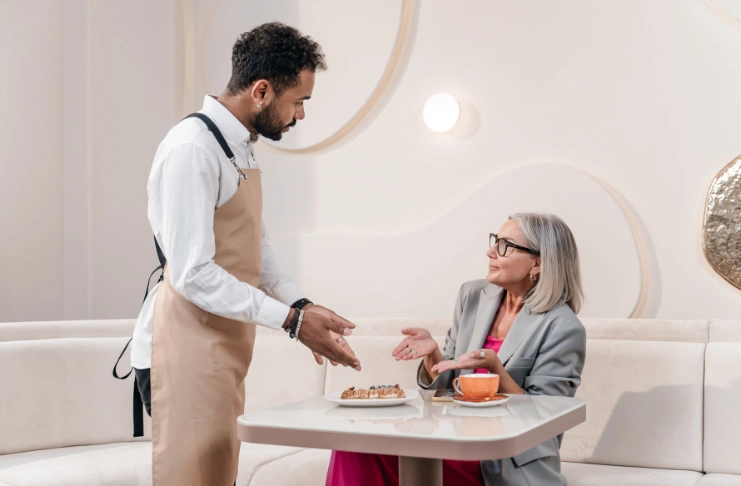
Speed influences every part of the dining experience. Guests might wait a few minutes for a table, but their patience is conditional. Once seated, most form an opinion about your service within the first ten minutes.
Prompt service doesn’t just mean fast food on the plate. It starts with immediate acknowledgment, quick order-taking, and keeping guests informed. Even when delays happen, customers are far more understanding when they feel seen and kept in the loop.
INDUSTRY INSIGHT
| Wait time is one of the top reasons customers walk away. Emplifi’s report showed that 86% of consumers will leave a brand after two or three poor service interactions. In restaurants, this tipping point comes fast: 77% of diners say they’ll walk out or consider leaving if they see a long queue, according to a Bluedot study. The pandemic didn’t just change where people eat; it rewired their patience. What used to be a 10-minute tolerance for curbside or in-store pickup has now dropped to just six minutes. |
How to Handle Customer Complaints?
Every restaurant faces complaints, but how you handle them determines whether you lose or gain a loyal customer base. The successful restaurants view complaints as opportunities to demonstrate their commitment to customer satisfaction.
Start by listening completely before offering solutions. Most customer complaints stem from feeling unheard rather than actual mistakes. Let them explain the situation without interrupting or defending your restaurant. This alone often defuses much of their frustration.
Apologize sincerely, even if the problem wasn’t entirely your fault. “I’m sorry this happened,” acknowledges their experience without admitting legal liability. Focus on fixing the immediate issue rather than explaining why it occurred.
Offer specific solutions. Instead of “We’ll do better next time,” try “Let me get you a fresh meal right away and remove that item from your bill.” Concrete actions show you’re taking their complaint seriously.
Always follow up after resolving the issue. Check back within a few minutes to ensure the solution worked. This extra step often surprises customers and turns negative experiences into positive memories.
What Role Does Customer Feedback Play in Improving Service?

Customer feedback provides the roadmap for improving your restaurant service, but only if you actively collect and use it. Many restaurants make the mistake of waiting for customers to complain rather than proactively seeking their opinions.
Create multiple feedback channels to accommodate different communication styles. Some customers prefer speaking directly to managers, while others feel more comfortable leaving online reviews or filling out comment cards. Make sure you cater to each type.
Respond to all feedback, positive and negative. Thank customers for positive reviews and address concerns raised in negative ones. Your responses show potential customers how you handle problems and care about the guest experience.
Look for patterns rather than treating each comment as isolated. If multiple customers mention slow lunch service, you have a staffing issue to address. Use feedback data to identify systematic problems that impact customer experience.
Most importantly, implement changes based on common suggestions. When customers consistently request something feasible, like contactless payment options or healthier menu items, listen to them. These improvements often attract customers while satisfying existing ones.
How Can You Train Your Staff for Excellent Customer Service?
Great restaurant service requires specific skills that can be taught and improved over time. Focus your training on these core competencies that directly impact customer satisfaction.
- Active listening helps staff understand what customers really want, not just what they initially ask for. Train your team to ask clarifying questions and repeat orders to ensure accuracy.
- Problem-solving skills empower staff to handle issues without constantly calling management. Give your team guidelines for everyday situations and the authority to make reasonable accommodations.
- Menu knowledge enables confident recommendations and accurate answers to customer questions. Regular tastings and menu training keep everyone informed about ingredients and preparation methods.
- Multitasking allows servers to manage multiple tables efficiently while maintaining service quality. This skill develops through practice and proper training on prioritizing tasks.
- Emotional intelligence helps staff read customer moods and adjust their approach accordingly. Some guests want friendly conversation, while others prefer efficient, minimal interaction.
- Stress management keeps service quality consistent during busy periods. Teach your team breathing techniques and priority systems to maintain composure under pressure.
- Technology proficiency ensures the smooth operation of POS systems, mobile ordering platforms, and other restaurant technologies that enhance customer experience.
These skills work together to create seamless service that makes customers feel appreciated, valued, and well-cared for throughout their visit.
How Technology Enhances Rather Than Replaces Human Services?
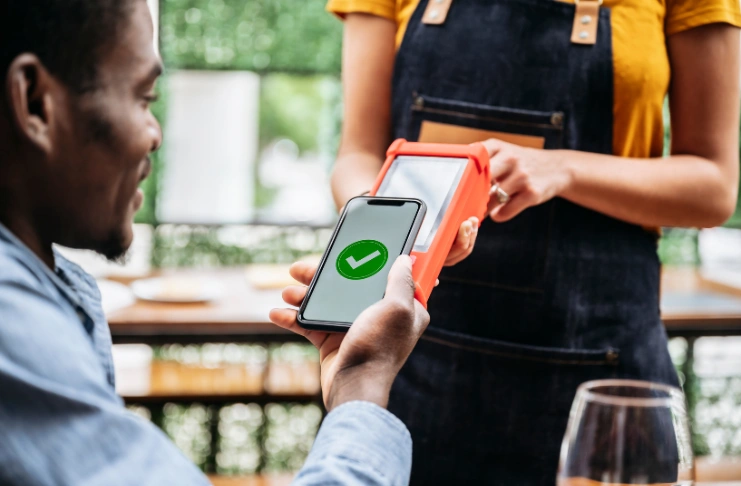
When used correctly, modern customer relationship management technology improves service quality while freeing staff to focus on the personal touches.
Mobile ordering and payment technology satisfy 90% of customers who use these options. Contactless payment appeals to 62% of full-service diners, with many preferring digital wallets like Apple Pay.
Digital menus and QR codes have become standard expectations. 75% of diners appreciate this technology, and 85% expect free Wi-Fi as a basic amenity.
Further, restaurant apps and online ordering platforms create convenience that keeps customers returning. 70% of consumers prefer digital ordering for takeout and delivery, making these tools essential for customer retention.
Takeaway? Integrating technology seamlessly without losing the personal touch makes dining out special for customers. Use technology to handle routine tasks so your staff can focus on creating those memorable experiences.
What Makes Personalized Service So Powerful for Building Loyalty?
Personalization transforms routine transactions into meaningful experiences that customers remember and share. When you make guests feel recognized and valued as individuals, you create emotional connections that drive repeat business.
Start by remembering regular customers and their preferences. When staff recognize returning guests and recall their usual orders or seating preferences, it creates a welcoming atmosphere that encourages loyalty. 72% of customers say personalized dining experiences increase their likelihood of returning.
Use customer data responsibly to enhance service without intruding—track birthdays, anniversaries, and dining preferences to surprise guests with thoughtful gestures. A free dessert on someone’s birthday costs little but creates lasting positive memories.
Train staff to notice and accommodate individual needs without being asked. For example, bringing extra napkins for families with young children or offering reading glasses to elderly diners shows attention to detail.
Personalization also means customizing recommendations based on previous orders or stated preferences. When servers suggest dishes aligned with customer tastes, they demonstrate genuine care and increase satisfaction with menu choices.
What Are the Four Ps That Can Guarantee Better Customer Service?

These four principles form the foundation of exceptional restaurant service. Master these basics, and everything else becomes easier to implement.
Promptness
Speed shapes a guest’s first impression. A delay at any service point, be it greeting, seating, or ordering, can set the wrong tone. Train your staff to respond quickly, make eye contact early, and communicate transparently about wait times. Prompt attention signals professionalism and respect for the guest’s time.
Politeness
Courtesy creates comfort. No matter how routine, every guest interaction should feel warm and respectful. A simple “please,” “thank you,” or “we’ll be right with you” delivered with sincerity builds goodwill. Politeness is free, yet it pays off in guest satisfaction and positive word of mouth.
Professionalism
Guests expect competence, not just friendliness. Staff should be well-groomed, well-informed, and calm under pressure. Professionalism also means owning mistakes without defensiveness and knowing how to handle difficult situations discreetly. These habits reassure guests that your team can be trusted to deliver a reliable experience.
Personalization
Hospitality is about making people feel seen. Remembering a guest’s name, seating them at their favorite table, or recalling their usual drink transforms a routine visit into a relationship. Personalized touches don’t need to be extravagant—they just need to feel genuine. The return on emotional connection is loyalty.
How Loyalty Programs Create Lasting Customer Relationships?
Well-designed loyalty programs do more than offer discounts. They create ongoing relationships that keep customers engaged with your restaurant between visits.
Structure rewards to encourage frequent visits rather than just large purchases. Offer points for each visit, with bonuses for trying new menu items or dining during slower periods.
Make the program’s benefits immediately valuable. Customers should see rewards from their first visit, not after accumulating monthly points. Quick wins create early engagement that leads to long-term participation.
Use loyalty program data to understand customer preferences and dining patterns. This information helps you personalize offers and identify your most valuable guests for special treatment.
Promote your program naturally during service without being pushy. Train staff to mention benefits when appropriate, and display program information where customers can easily notice it.
How Can You Create an Atmosphere That Supports Great Service?
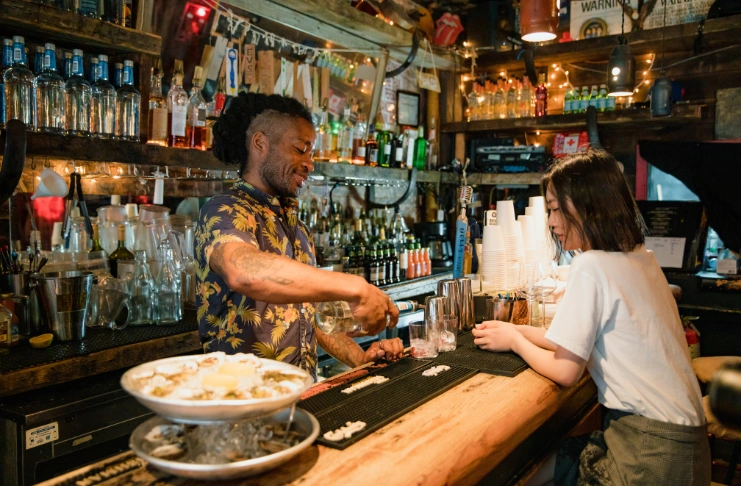
Your restaurant’s physical environment either supports or undermines your service efforts. Small atmospheric improvements can dramatically enhance the dining experience and simplify your staff’s job.
- Control noise levels to enable comfortable conversation. Background music should enhance the mood without forcing customers to raise their voices. Monitor acoustics during different times of day and adjust accordingly.
- Maintain a consistent temperature throughout dining areas. Customers notice when they’re too hot or cold, and extreme temperatures distract them from enjoying their meal and your service.
- Ensure appropriate lighting for different times of day and dining occasions. Brighter lighting works for casual lunch service, while dimmer options create intimacy for dinner service.
- Keep all facilities impeccably clean, including restrooms, which customers often use as indicators of overall restaurant hygiene standards. Regular cleaning schedules prevent problems before customers notice them.
- Design comfortable seating arrangements that accommodate different group sizes and dining preferences. Satisfied customers stay longer, order more, and tip better.
These elements together create an environment where both customers and staff can focus on enjoying the dining experience.
Why Should Staff Training Never Stop?
The restaurant industry’s service standards evolve constantly, and your team needs ongoing education to maintain excellence. Regular training isn’t just about fixing problems; it’s about continuously improving and adapting to changing customer expectations.
Consistent training creates predictable service quality that customers can rely on. When every team member follows the same protocols, customers receive similar experiences regardless of who serves them.
Cross-train staff in multiple roles to create flexibility during busy periods and ensure seamless service when team members are absent. Customers shouldn’t notice staffing challenges in their service quality.
Use training sessions to address feedback patterns and implement improvements. When customers consistently mention specific issues, training can fix them before they impact more guests.
Regular education about industry trends and customer service innovations keeps your team current and engaged. Knowledgeable staff provide better service and feel more confident in their roles.
Conclusion
Converting first-time visitors into repeat customers requires intentional effort from the moment they walk through your door. Every touchpoint is an opportunity to create lasting impressions that encourage return visits.
Begin with staff training and customer feedback systems, then gradually add technology and personalization elements that fit your budget and style.
Focus on creating consistent experiences that make customers feel valued and eager to return. Your reputation will grow naturally as you deliver service that exceeds expectations.
Frequently Asked Questions
1. What are the 3 most important things in customer service?
The three most important elements are responsiveness (acknowledging customers quickly), reliability (consistent service quality), and empathy (understanding and caring about customer needs).
2. What are the 7 skills of good customer service?
Key customer service skills include active listening, problem-solving, multitasking, menu knowledge, emotional intelligence, stress management, and technology proficiency.
3. What are the 4 P’s that improve customer service?
The 4 P’s are Promptness (quick service), Politeness (courteous interactions), Professionalism (competent behavior), and Personalization (individualized attention).
4. What are 5 qualities of a good customer service?
Good customer service demonstrates reliability, empathy, responsiveness, competence, and courtesy in every customer interaction.
5. How can the restaurant customer experience be improved?
Improve customer experience through staff training, prompt service, personalized attention, clean facilities, technology integration, and actively addressing customer feedback.
6. How customer service can be improved?
Customer service improves through regular training, clear communication protocols, empowering staff to solve problems, collecting customer feedback, and maintaining consistent service standards.
7. What is a good customer retention rate for a restaurant?
A good restaurant customer retention rate ranges from 70-80% for established restaurants, though this varies by restaurant type and location.
8. What are the 8 C’s of customer retention?
The 8 C’s include Consistency, Communication, Convenience, Customization, Care, Community, Commitment, and Continuous improvement.
9. How to save a customer in a restaurant?
Retain unhappy diners by listening actively, apologizing sincerely, offering immediate solutions, following up to ensure customer satisfaction, and providing compensation when appropriate.
10. What is the KPI for customer retention?
Customer retention KPIs include repeat visit frequency, customer lifetime value, retention rate percentage, and average time between visits.
11. How do you make a guest feel special in a restaurant?
Make guests feel special through personalized greetings, remembering preferences, acknowledging special occasions, providing surprise gestures, and giving undivided attention.
12. What are the 5 meal experience factors?
The five factors are food quality, service quality, atmosphere, value for money, and overall convenience of the dining experience.
13. How to create a positive guest experience?
Create positive experiences through exceptional service, clean environments, quality food, personalized attention, prompt problem resolution, and exceeding customer expectations.