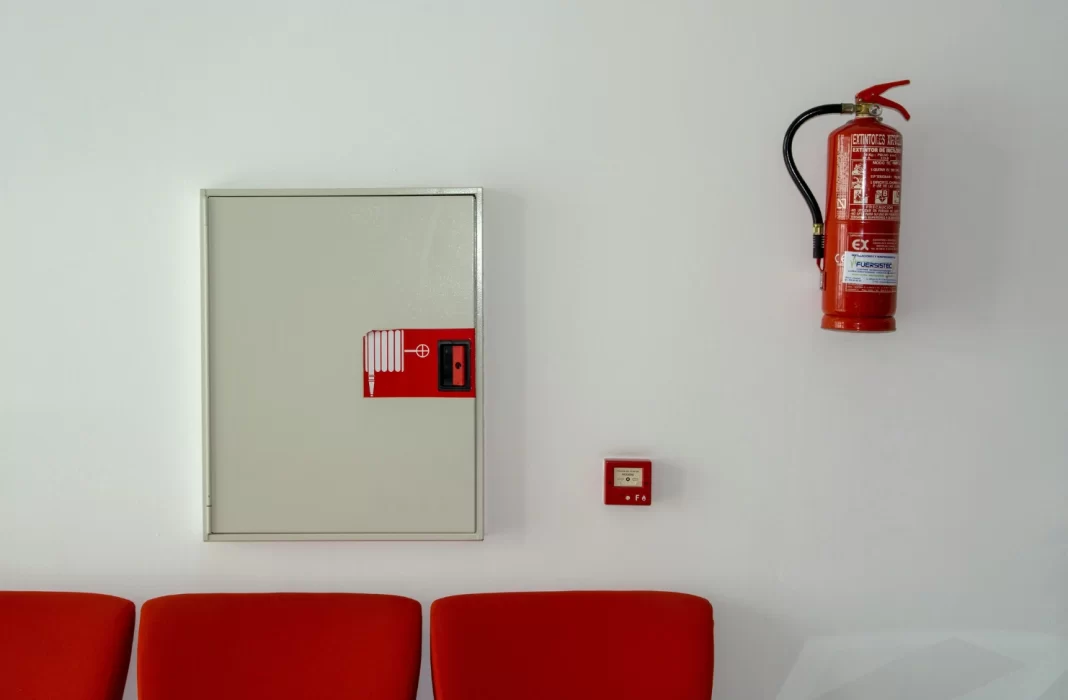

Did you know that in the US alone, kitchen fires account for up to $1.1 billion in annual damage?
You heard it. Running a restaurant comes with numerous responsibilities, but none more critical than ensuring the safety of your staff and customers from fire hazards. Restaurant fires happen more often than you might think, and the consequences can be devastating.
The good news? Most restaurant fire incidents are completely preventable with the right knowledge and preparation.
What are the Essential Fire Safety Measures Every Restaurant Owner Must Know?
Fire risk in restaurants is rarely about bad luck. It’s often the overlooked systems, poor habits, and gaps in preparedness that turn minor issues into serious emergencies.
Below are seven non-negotiable safeguards every restaurant must have in place to prevent emergencies and limit damage if one occurs.
Tip 1: Install Proper Fire Suppression Systems
Your kitchen is the heart of your operation, but also the biggest fire risk center. Commercial kitchens generate intense heat, grease, and potential ignition sources, creating the perfect conditions for fires. That’s why installing the right fire suppression systems should be your top priority.
Fixed extinguishing systems are specifically designed for restaurant environments. These automatic fire suppression systems activate when they detect dangerous temperatures or flames, immediately releasing fire suppressant chemicals to stop a fire before it spreads.
Fire sprinkler systems work alongside your main suppression system to provide overall coverage throughout your restaurant. These automatic sprinklers can handle fires in dining areas, storage rooms, and other spaces beyond the kitchen.
Don’t forget about your exhaust systems either. Clean, well-maintained exhaust hoods and ductwork prevent grease buildup that could fuel a dangerous restaurant fire. Regular cleaning and inspection of these systems is essential for preventing fires from starting in the first place.
INDUSTRY INSIGHT
| In 2023, cooking topped the US Fire Administration’s list of fire causes in nonresidential spaces, accounting for 30.3% of incidents. This makes proper fire protection systems absolutely crucial for commercial kitchens. |
Tip 2: Choose the Right Fire Extinguisher for Each Area
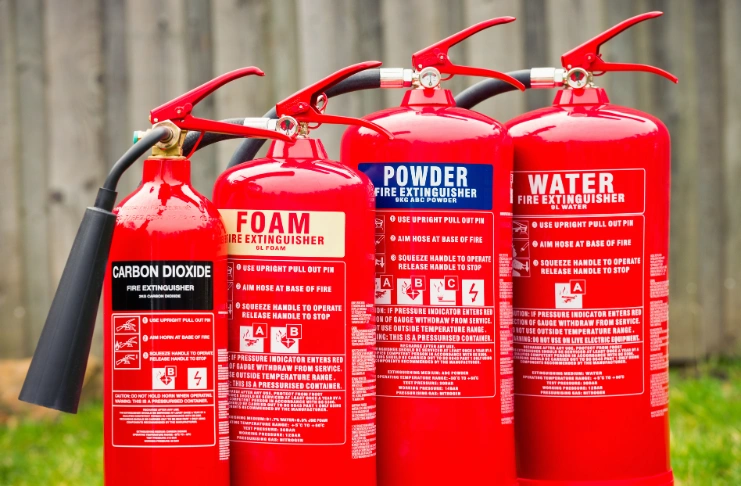
Not all fires are the same, which means not all fire extinguishers work the same way. Understanding which type of fire extinguisher to use in different situations could save your restaurant and possibly someone’s life.
Class K fire extinguishers are your best friend in the kitchen. These are specially formulated to handle grease fires and cooking oil fires that regular extinguishers can’t. A Class K extinguisher uses a special wet chemical agent that cools burning oil and creates a barrier to prevent re-ignition.
For other areas of your restaurant, Class ABC extinguishers handle ordinary combustibles like wood, paper, and electrical fires. Place these portable fire extinguishers in dining areas, storage rooms, and office spaces.
Here’s what every restaurant owner needs to remember about fire extinguisher placement:
- Mount them in easily accessible locations
- Keep them away from potential fire hazards
- Ensure staff members know exactly where they are
- Check that they’re properly maintained and charged
The global portable fire extinguisher market is projected to grow from $49.16 billion in 2025 to $58.97 billion by 2033, reflecting a steady CAGR of 2.3%. This surge shows just how critical fire safety equipment has become for businesses worldwide.
Tip 3: Master Restaurant Fire Safety Through Staff Training
Your fire safety equipment is only as good as the people who know how to use it. Proper fire safety training for your entire team turns your restaurant from a potential fire hazard into a well-prepared, safer environment.
Start with the basics. Every staff member should understand common fire hazards in restaurant settings, from overheating cooking equipment to improper storage of flammable liquids.
Kitchen staff may also need specialized training on preventing grease fires and safely operating deep fryers and other high-temperature cooking surfaces.
New employees should receive fire safety training during their orientation. Don’t wait weeks or months to cover this critical topic. Make it part of their first day so they understand your commitment to keeping employees safe.
Regular drills keep everyone sharp. Practice evacuation procedures on a routine basis so staff members know exactly what to do if a real emergency occurs. These drills should cover:
- How to safely shut down cooking equipment
- Proper evacuation routes and emergency exits
- When to fight fires versus when to evacuate immediately
- How to contact emergency services
Tip 4: Implement Smart Fire Prevention Strategies
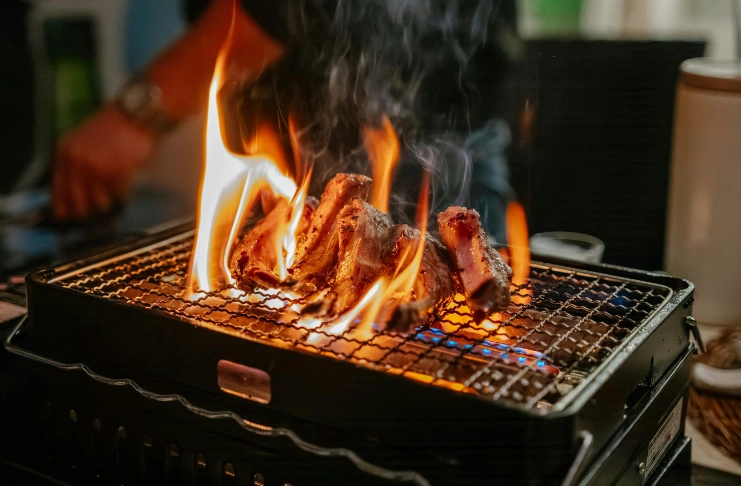
Prevention beats reaction every single time. The most effective restaurant fire safety strategy focuses on stopping fires before they start, rather than just responding when they happen.
Grease buildup is enemy number one in restaurant kitchens. Establish a regular cleaning schedule for all your fast food restaurant equipment, exhaust hoods, and surfaces where grease can accumulate.
Monitor your electrical devices and power sources closely. Damaged cords, overloaded outlets, and faulty equipment cause electrical fires that can spread quickly through a restaurant. Replace worn equipment before it becomes a fire hazard.
Control heat-producing equipment carefully. Never leave cooking surfaces unattended, especially during busy periods when kitchen staff might be tempted to multitask. High temperatures combined with cooking oils create the perfect conditions for Class K fires.
Store flammable liquids and combustible materials properly. Keep cleaning supplies, cooking oils, and other potential fire accelerants in appropriate containers and away from heat sources and open flames.
Tip 5: Install Comprehensive Fire Alarm Systems
Early detection saves lives and property. A properly designed fire alarm system gives you precious time to respond to fires when they’re still small and manageable, rather than when they’ve grown into major emergencies.
Modern fire alarm systems should include visible signals for hearing-impaired customers and staff, voice announcement capabilities to provide clear instructions during emergencies, and automatic notification to emergency services.
Your fire protection system should integrate with your other safety equipment. When smoke detectors sense danger, they should automatically trigger exhaust fans to remove smoke, unlock emergency exits, and activate your fire suppression systems if needed.
Test your fire alarm system regularly to ensure it will work when you need it most. Dead batteries, faulty wiring, or broken sensors can leave you vulnerable during an emergency.
Tip 6: Develop a Solid Evacuation Plan
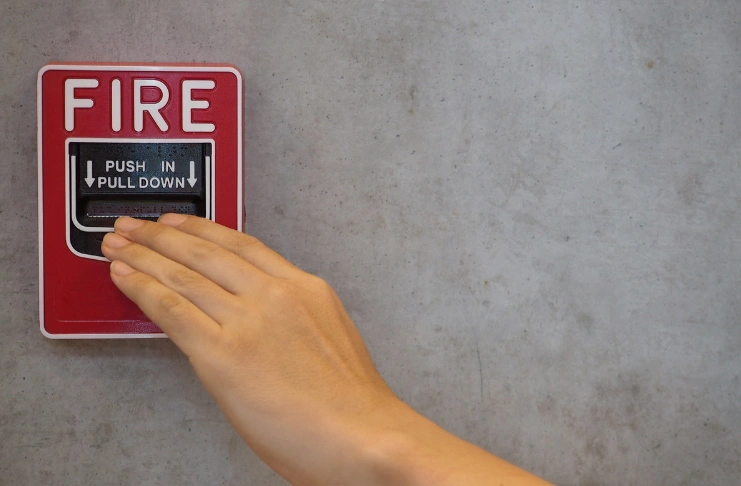
When a fire breaks out in your restaurant, every second counts. Having a clear, practiced evacuation plan can mean the difference between a close call and a tragedy.
Your evacuation plan should be visible throughout the restaurant. Post evacuation maps in kitchens, dining areas, break rooms, and anywhere staff members gather. Make sure these maps clearly show all emergency exits and evacuation routes.
Designate an evacuation manager for each shift. This person takes charge during emergencies, making sure everyone gets out safely and accounting for all staff members and customers. Train multiple people for this role so you’re covered regardless of who’s working.
Practice makes perfect. Run evacuation drills regularly so everyone knows their role. During these drills, time how long it takes to clear the building and identify any bottlenecks or confusion points in your plan.
Consider your customers, too. During busy periods, you might have dozens of people who aren’t familiar with your layout. Train staff members to calmly guide customers to safety and help anyone who needs assistance reaching emergency exits.
Tip 7: Maintain Your Fire Safety Equipment
The best fire protection system in the world won’t help you if it doesn’t work when you need it. Regular maintenance of all your fire safety equipment should be non-negotiable.
Schedule professional inspections of your fire suppression systems, fire alarm systems, and fire extinguishers according to manufacturer recommendations and local safety standards. The National Fire Protection Association provides guidelines for maintenance schedules that help ensure your equipment meets safety standards.
Keep detailed maintenance records. These documents prove compliance during inspections and help you track when equipment needs attention. They’re also valuable if you ever need to file insurance claims related to fire damage.
Don’t try to maintain complex fire protection systems yourself. Work with certified professionals who understand the specific requirements for restaurant fire safety equipment. They can spot potential problems before they become dangerous fire hazards.
Replace equipment when it reaches the end of its service life. Old fire extinguishers, worn fire alarm components, and outdated suppression systems might fail during emergencies. The extra layer of protection you think you have could disappear when you need it most.
What Fire Safety Compliance Requirements Must Restaurants Follow?
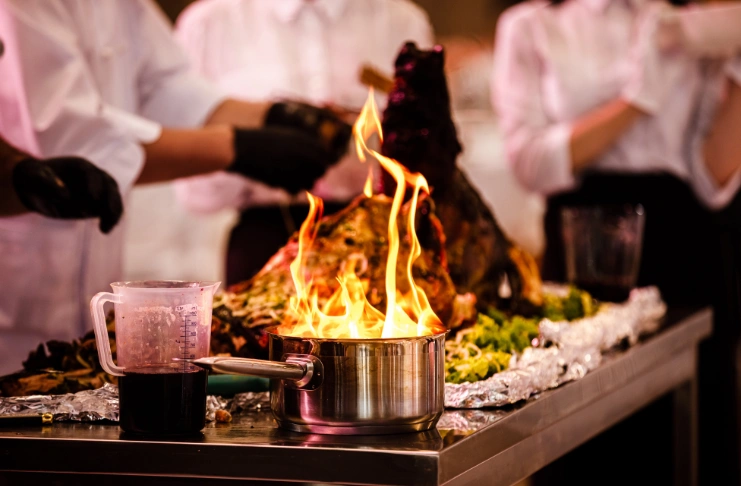
Restaurant owners must navigate a complex web of safety standards and regulations. The National Fire Protection Association sets many of the standards that local fire departments and building inspectors enforce.
Local fire codes vary by location, but most require regular inspections of your fire protection systems, proper installation of fire extinguishers, and compliance with occupancy limits. Some jurisdictions have specific requirements for exhaust systems, automatic fire suppression systems, and emergency lighting.
Stay current with changing regulations. Fire safety codes evolve as new technologies emerge and lessons are learned from fire incidents. What was compliant five years ago might not meet today’s safety standards.
Work with local fire officials to understand your specific requirements. They can help you identify potential fire hazards and ensure your restaurant’s fire safety measures meet all applicable codes.
Building a good relationship with your local fire department pays dividends during inspections and emergencies.
How Can Restaurants Build a Fire-Safe Workplace Culture?
Restaurant fire safety goes beyond equipment and procedures. It requires creating a culture where every team member takes fire prevention seriously and feels empowered to speak up about potential hazards.
Encourage staff members to report safety concerns immediately. Whether someone notices grease buildup on cooking equipment or spots damaged electrical cords, make it easy and comfortable for employees to raise these issues.
Recognize and reward good safety practices. When kitchen staff consistently follow preventative measures or someone properly handles a small fire with a portable fire extinguisher, acknowledge their efforts publicly.
Lead by example. Restaurant owners and managers who prioritize fire safety in their daily decisions create an environment where everyone understands that safety comes first, even during busy rushes.
Regular safety meetings keep fire prevention top of mind. Use these sessions to review procedures, discuss near-misses, and introduce new safety guidelines or equipment.
Conclusion
Investing in proper restaurant fire safety today protects everything you’ve worked to build till now. From proper Class K fire extinguishers to regular maintenance of your exhaust systems, every element works together to prevent fires and protect lives.
Remember, preventing fires is always better than fighting fires. Focus on eliminating fire hazards, training your team thoroughly, and maintaining your fire safety equipment religiously. Your employees, customers, and business will thank you for it.
Frequently Asked Questions
1. What are the 5 steps of fire safety?
The five essential steps of fire safety are:
1) Identify and eliminate fire hazards
2) Install proper fire detection and suppression systems
3) Train all staff on fire prevention and response procedures
4) Develop and practice evacuation plans, and
5) Maintain all fire safety equipment regularly.
2. How to prevent fire in a restaurant?
Prevent fires in a restaurant by maintaining clean cooking equipment and exhaust systems, properly storing flammable materials, training staff on fire safety procedures, installing appropriate fire suppression systems, and conducting regular equipment maintenance.
3. What is the OSHA requirement for fire safety?
OSHA requires employers to provide fire safety training that covers fire hazards, proper use of fire extinguishers, and evacuation procedures. Restaurants must maintain adequate fire extinguishers, ensure clear evacuation routes are in place, conduct regular fire drills, and maintain detailed safety records.
Specific requirements may vary depending on the restaurant’s size and local regulations.
4. What are the basic rules for fire safety?
Basic fire safety rules include keeping exits clear and unlocked, maintaining fire extinguishers and detection systems, training all employees on fire procedures, promptly eliminating fire hazards, never leaving cooking equipment unattended, storing flammable materials properly, conducting regular safety inspections, and having a clear evacuation plan that everyone knows and practices.