



It’s Friday night, your restaurant is packed, and suddenly, your head chef calls in sick. Your sous chef is scrambling; your servers are confused about the new menu items, and a health inspector just walked through the door. Is this your story?
Here’s the million-dollar question: What separates restaurants that thrive under pressure from those that crumble?
The answer isn’t just great food or stellar service, it’s having rock-solid systems that keep everything running smoothly, even when chaos strikes.
What Is a Restaurant Operations Manual?
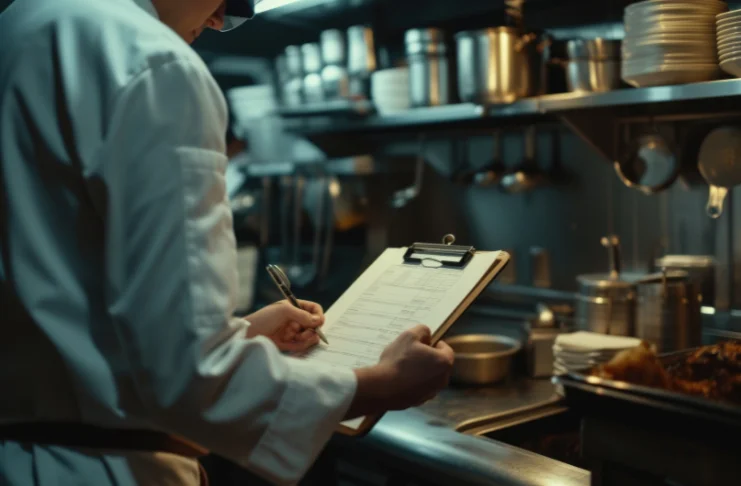
Every successful restaurant has a secret weapon and it’s not their signature dish or prime location. It’s the invisible force that ensures every guest receives the same exceptional experience, regardless of which shift they visit or which team member serves them.
Think of your restaurant operations manual as your restaurant’s DNA, a complete blueprint that captures every process, standard, and expectation that makes your establishment unique. It’s the master document that transforms a collection of individuals into a cohesive team, ensuring every team member delivers the same exceptional experience, whether it’s their first day or their thousandth.
How many times have you watched a perfectly good restaurant fail because they couldn’t maintain consistency? Don’t let that be your story.
Why You Need a Well-Written Operations Manual (And Why Most Restaurants Skip This Step)?

Here’s a sobering truth: 80% of restaurants fail within five years, and the majority of those failures aren’t due to bad food or poor locations, they’re due to operational chaos. The difference between restaurants that scale successfully and those that struggle to survive often comes down to one thing: systems.
Let’s be brutally honest, most restaurateurs are too busy putting out daily fires to build the systems that prevent them. But here’s what separates successful restaurants from the rest:
- Operational efficiency that reduces waste and increases profits
- Employee training that cuts onboarding time by 60%
- Food safety compliance that protects your reputation and license
- Crystal-clear job responsibilities that eliminate confusion
- Guest service standards that create raving fans
- Accountability systems that reduce costly mistakes
Who Should Use This Guide?
- Restaurant owners ready to scale beyond survival mode
- Managers, tired of repeating the same instructions daily
- Human resources teams building bulletproof training programs
- Existing restaurants looking to professionalize their operations
What are the Key Components of a Restaurant Operations Manual?

Building an operations manual isn’t about creating more paperwork, it’s about architecting success. Think of each component as a pillar supporting your restaurant’s foundation. Miss one, and the entire structure becomes unstable. Include them all, and you’ve built something that can weather any storm.
1. Introduction to the Restaurant Concept
Start with your “why”, the vision that drives every decision. Your restaurant concept isn’t just about food; it’s about the experience you’re creating. Make this section inspiring enough that every staff member feels proud to be part of something bigger.
Include your origin story. People connect with stories, not just policies.
2. Organizational Structure
Map out your team like a championship roster. List key staff members, their roles, and the reporting hierarchy. Include emergency contacts and decision-making authority levels. When everyone knows who’s responsible for what, magic happens.
3. Employee Policies & Code of Conduct
This isn’t just about rules, it’s about creating a culture. Address:
- Professional appearance standards
- Punctuality and attendance expectations
- Communication protocols
- Social media guidelines
- Conflict resolution procedures
These policies should reflect your values, not restrict your team’s personality.
4. Standard Operating Procedures (SOPs)
Here’s where your restaurant SOP manual becomes your secret weapon. Every successful restaurant has non-negotiable standards for:
Core Operational SOPs:
- Food handling and food safety protocols
- Inventory management and cost control
- Opening and closing procedures (with checklists!)
- Cleaning schedules that maintain standards
- Customer service scripts and recovery procedures
Create QR codes linking to video demonstrations of complex procedures. Your staff members will thank you.
5. Front of House SOPs
Your front-of-house employees are your brand ambassadors. Give them the tools to shine:
Essential Front of House Procedures:
- Table setup and maintenance standards
- Guest greeting and seating protocols
- Handling customer complaints (with de-escalation techniques)
- Upselling strategies that feel natural
- End-of-shift reconciliation procedures
Can your newest server handle a VIP reservation without supervision? If not, your SOPs need work.
6. Back of House SOPs
The kitchen is where consistency meets creativity. Your food preparation standards should ensure:
Kitchen Excellence Standards:
- Ingredient receiving and storage protocols
- Cooking temperatures and timing
- Plating presentation standards
- Health and safety SOPs compliance
- Equipment maintenance schedules
Every dish should look like it came from the same chef, regardless of who prepared it.
7. Emergency Procedures
When a crisis strikes, preparation saves lives and businesses. Document clear procedures for:
- Fire emergencies and evacuation routes
- Medical emergencies and first aid
- Power outages and equipment failures
- Security threats and theft prevention
- Natural disasters and severe weather
When was the last time you practiced these procedures with your team?
8. Safety Guidelines
Customer safety and employee well-being aren’t negotiable. Your safety guidelines should cover the following:
- Equipment operation and maintenance
- Chemical storage and handling
- Allergen management and cross-contamination prevention
- Injury reporting and worker compensation procedures
How to Write a Restaurant Operations Manual That Actually Gets Used?

The restaurant industry is littered with beautifully written manuals that collect dust on office shelves. The difference between a manual that transforms your business and one that gets ignored isn’t the quality of the writing—it’s the approach to creating it.
Most owners make the mistake of writing their manuals in isolation, creating procedures based on how they think things should work rather than how they actually work. Here’s the proven five-step process that creates manuals your team will actually use and follow.
Step 1: Map Out Your Workflow Processes
Before you write a word, spend a week observing. Watch how your team members actually work, not how you think they work. Identify bottlenecks, inefficiencies, and moments of brilliance.
Shadow each position for at least two hours. You’ll discover processes you never knew existed.
Step 2: Document Detailed Procedures
For every task, answer these questions:
- Who performs this task?
- When should it be completed?
- How should it be done?
- What tools or resources are needed?
- Why is this important?
The “why” is crucial, it transforms compliance into commitment.
Step 3: Collaborate with Your Team
Your restaurant employees are the real experts. Involve them in creating procedures, and they’ll become your biggest advocates for following them.
Engagement Strategy: Host “Manual Building Parties” where teams create procedures together. Make it fun with pizza and prizes.
Step 4: Use Clear and Simple Language
Write like you’re explaining to a friend, not drafting legal documents. Use:
- Bullet points for easy scanning
- Numbered steps for sequential processes
- Visual aids for complex procedures
- Simple language that translates across cultures
Step 5: Create Templates
Don’t reinvent the wheel. Use our restaurant operations manual template as your foundation, then customize it to reflect your unique culture and standards.
How to Train Your Staff and Manage the Onboarding Process Efficiently?
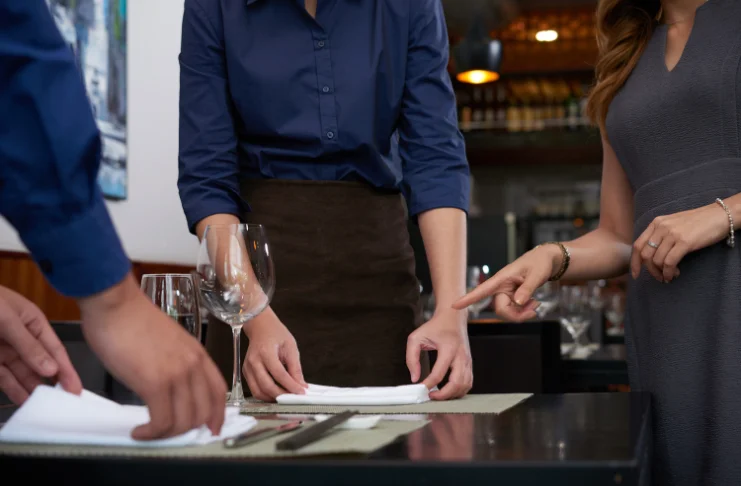
Here’s a startling statistic: the average restaurant employee turnover rate is 73%, nearly double that of other industries. But restaurants with structured training programs see turnover rates drop to 45% or lower. The difference? They understand that training isn’t just about teaching tasks; it’s about building confidence, creating connections, and establishing a foundation for long-term success.
INDUSTRY INSIGHTS
| A study from EHL Insights shows that the hospitality industry (which includes restaurants) experienced an average turnover rate of 84.9%, compared to 47.2% for all sectors, confirming that turnover is significantly higher than in other industries. |
Your operations manual isn’t just a reference guide, it’s the backbone of a training system that can transform nervous newcomers into confident contributors in record time.
The Training Revolution
Proper training isn’t an expense, it’s an investment that pays dividends daily. Consider this: replacing a single employee costs you 20% (one-fifth) of their annual salary. Effective training dramatically reduces turnover.
Your Training Program Roadmap
Your training program is a 3-week roadmap:
Week 1: Foundation Building
- Introduction to your restaurant manual
- Cultural Immersion and Value Alignment
- Basic food safety and health and safety SOPs
- Shadow experienced staff members
Week 2: Skill Development
- Position-specific procedures
- POS system mastery
- Customer service scenarios and role-playing
- Quality standards and expectations
Week 3: Independence and Evaluation
- Solo shifts with mentor oversight
- Customer complaints handling practice
- Feedback sessions and improvement planning
- Certification and ongoing development
Use your operations manual as a living training tool. Regular updates keep veteran employees sharp and new hires current.
How to Manage Inventory & Financial Operations?
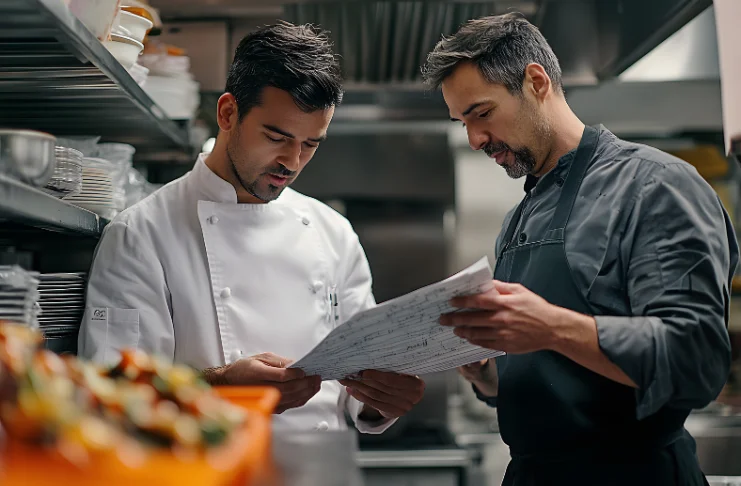
Money flows through your restaurant like water, and just like water, it can either power your business or wash away your profits. The difference lies in how well you control the flow. Restaurants that master inventory and financial operations don’t just survive; they thrive with healthy margins that fund growth and weather economic storms.
These aren’t just back-office procedures, they’re the financial heartbeat of your operation. Get them right, and every other aspect of your business becomes easier. Get them wrong, and even the best food and service can’t save you.
Inventory Management That Protects Your Margins
Your inventory management procedures should be as precise as your recipes. Include:
Daily Inventory Rituals:
- Morning stock checks and prep lists
- FIFO rotation enforcement
- Temperature monitoring and recording
- Waste tracking and analysis
- Order planning and approval processes
Financial SOPs That Build Wealth:
- Daily cash handling and reconciliation
- Sales reporting and analysis
- Vendor payment and relationship management
- Cost control and budget monitoring
- Profit and loss statement review
Can you tell within 1% what your food cost was yesterday? If not, tighten your systems.
Why Should You Keep Updating the Manual?

A restaurant operations manual is like a living organism, it needs to grow, adapt, and evolve to stay healthy. The moment you treat it as a “set it and forget it” document is the moment it becomes obsolete. The most successful restaurants treat their manual as a competitive advantage that requires ongoing investment and attention.
The goal isn’t perfection from day one; it’s continuous improvement that keeps your systems sharp and your team aligned with your evolving vision.
Why Static Manuals Fail
Your restaurant evolves daily. Your manual should, too. Schedule regular updates to reflect:
- Menu changes and seasonal items
- New equipment and technology
- Updated vendor relationships
- Regulatory compliance changes
- Customer feedback and market trends
The Update Process
Assign a key staff member as your “Manual Manager.” Their responsibilities include:
- Monthly procedure reviews
- Quarterly comprehensive updates
- Annual complete overhauls
- Change communication to all team members
- Feedback collection and integration
Create a suggestion system where employees can propose improvements. The best ideas deserve recognition and rewards.
What are the Benefits of a Restaurant Operations Manual?

The return on investment for a well-crafted operations manual isn’t just impressive, it’s transformational. While the upfront time investment might seem daunting, the long-term benefits compound daily, creating a ripple effect that touches every aspect of your business, from employee satisfaction to customer loyalty to your bottom line.
These aren’t theoretical benefits, they’re measurable improvements that successful restaurants track and celebrate.
Transform your business with these proven benefits:
Immediate Improvements:
- 60% faster new hire integration
- 40% reduction in food waste
- 25% improvement in customer satisfaction scores
- 30% decrease in employee turnover
Long-term Growth:
- Scalable systems for multiple locations
- Consistent quality that builds brand loyalty
- Enhanced communication and teamwork
- Reduced owner dependency for daily operations
A well-executed manual can increase your restaurant’s value by 20-30% when it’s time to sell or expand.
How Does This Guide Help You?
The hardest part of creating an operations manual isn’t the writing; it’s knowing where to start. That’s why we’ve done the heavy lifting for you. Our comprehensive guide provides the structure, examples, and guidance you need to create a manual that’s tailored to your unique restaurant while covering all the essential elements.
Think of it as your blueprint for success, ready to be customized with your brand, procedures, and standards.
Ready to get started?
Conclusion
Remember that Friday night scenario from the beginning? Here’s how it plays out with a solid operations manual in place:
Your sous chef seamlessly steps up using documented procedures. Your servers confidently explain menu items using their training materials. The health inspector is impressed by your organized systems and spotless records. Instead of crisis management, you’re orchestrating excellence.
That’s the power of a well-written operations manual, it transforms reactive chaos into proactive success. It’s not just a document; it’s your pathway from surviving to thriving, from good intentions to great results.
The time for excuses is over. The time for excellence is now. Start building your restaurant operations manual today, and watch as your vision becomes your reality, one documented procedure, one trained employee, and one satisfied customer at a time.
The question isn’t whether you can afford to create an operations manual. The question is: Can you afford not to?
Frequently Asked Questions
1. What should be included in an operations manual?
Key elements: company overview, organizational chart, job roles, SOPs, safety guidelines, training procedures, emergency protocols, and inventory/financial processes.
2. What is the standard operating procedure in a restaurant?
A standard operating procedure (SOP) is a detailed, step-by-step guide that outlines how to perform routine restaurant tasks consistently, like opening duties, food prep, or customer service.
3. What are the 7 steps of service in a restaurant?
1. Greet the guest
2. Present the menu
3. Take the order
4. Serve food and beverages
5. Check back during the meal
6. Present the check
7. Thank the guest and invite them again
4. What are the operations functions of a restaurant?
Core functions include staffing, food prep, service execution, inventory control, quality assurance, financial management, and compliance with health and safety regulations.
5. How do you write an operations manual?
Start by mapping workflows, documenting tasks, involving key team members, using clear language, and organizing it by department or function.
6. How to write a standard operating procedure for a restaurant?
Define the task, write step-by-step instructions, assign responsibility, include tools needed for safety tips, and make it easy to follow with checklists or visuals.
7. How to make a restaurant manual?
Combine your restaurant’s mission, policies, SOPs, job descriptions, safety rules, training plans, and daily routines into one structured document.
8. What does an operations manual contain?
It contains policies, SOPs, employee roles, health and safety rules, emergency procedures, inventory controls, and training processes.
9. What is the SOP of a restaurant?
It’s a standardized document detailing how specific restaurant tasks (like food prep, cleaning, or order taking) should be done to ensure consistency.
10. What are the five parts of an SOP?
1. Title and purpose
2. Scope
3. Responsibilities
4. Procedure steps
5. Safety and compliance notes
11. What is an SOP manual?
An SOP manual is a compiled set of all SOPs for various tasks in the restaurant, used for training, consistency, and operational clarity.
12. What is an example of a SOP and work instructions?
SOP: How to open the restaurant (checklists, unlock doors, turn on POS).
Work instruction: Step-by-step guide to setting up tables with exact placements.
13. How do restaurants train new employees?
Through orientation, shadowing experienced staff, hands-on practice, training manuals, and regular performance feedback.
14. What kind of training does a restaurant owner need?
Training in restaurant management, food safety, HR, financial planning, marketing, and leadership skills.
15. What is the best format for a training manual?
Use sections, bullet points, visuals, checklists, and easy-to-follow language. Digital and print versions are both useful.
16. Which type of training is most important for a restaurant server?
Customer service training is most important, followed by menu knowledge, POS usage, upselling techniques, and safety protocols.


