



The UK food truck industry represents a thriving market opportunity, valued at USD 4.15 billion, with projections to reach USD 6.87 billion by 2029. For restaurateurs and catering industry professionals seeking to diversify their business portfolios, launching a sushi food truck presents an exciting entry into the mobile food sector. This comprehensive guide will walk you through every essential step to start your sushi food truck business in the UK successfully.
Understanding the UK Food Truck Market Landscape

The food truck scene has experienced remarkable growth across the UK, driven by changing consumer preferences for convenient, high-quality street food. Local food trucks have become integral parts of community events, business districts, and food truck festivals across the nation. The mobile food industry combines the flexibility of street food with the culinary excellence traditionally found in established restaurants.
Modern consumers are increasingly seeking gourmet food experiences that cater to their busy lifestyles. Your sushi food truck can capitalize on this trend by bringing authentic Japanese cuisine directly to customers at their workplace, events, and popular gathering spots. The portable nature of a food truck allows you to test different markets, adapt to seasonal demand, and build a loyal customer base across multiple locations.
Why Sushi Works Perfectly for a Food Truck Business
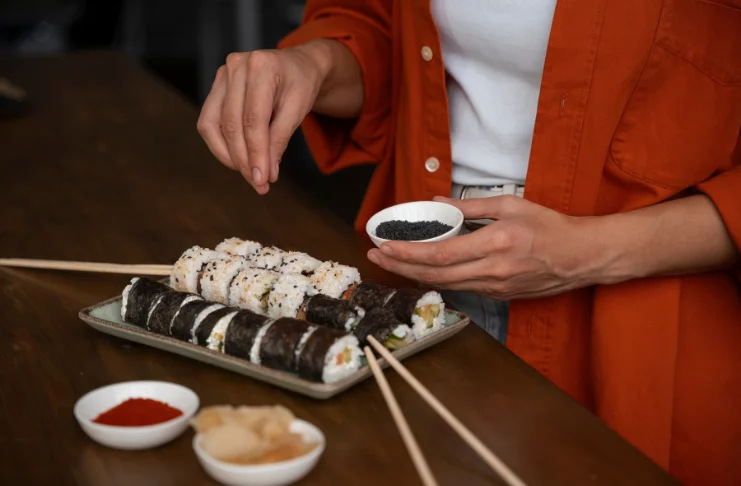
Sushi represents an ideal concept for mobile food operations.
INDUSTRY INSIGHTS
| The global sushi market exhibits strong growth potential, with a market size of USD 5.85 billion in 2024 and projected to reach USD 10.76 billion by 2033, growing at a CAGR of 7.92%. This growth reflects increasing consumer appreciation for healthy, fresh dining options that align perfectly with food truck offerings. |
Japanese cuisine has gained tremendous popularity in the UK, with sushi being perceived as a premium, healthy alternative to traditional fast food. Unlike complex cooking processes required for hot dogs or fried chicken, sushi preparation can be streamlined for mobile operations while maintaining quality standards. The visual appeal of sushi creates excellent social media marketing opportunities, essential for modern food truck success.
Your sushi food truck can differentiate itself from conventional food offerings by providing an authentic culinary experience that commands premium pricing. The combination of fresh ingredients, skilled preparation, and exotic appeal makes sushi an excellent choice for entrepreneurs entering the competitive food truck market.
Developing Your Sushi Food Truck Business Plan

Creating a comprehensive business plan forms the foundation of your successful food truck venture. Your business plan should address market analysis, financial projections, operational procedures, and growth strategies specific to the sushi food truck concept.
Begin by conducting thorough market research to identify your target customers, competitive landscape, and optimal locations for your sushi food truck. Analyze local specialties and regional cuisine preferences to understand how sushi fits into the existing food truck scene. Consider factors such as lunch hour traffic patterns, special event schedules, and seasonal fluctuations that may impact your business performance.
Your solid business plan must include detailed financial projections covering initial investment requirements, ongoing operational costs, and revenue forecasts. Factor in vehicle acquisition or lease costs, cooking equipment, initial inventory, insurance, licenses, and working capital needs. Professional lenders and investors will scrutinize these projections when considering financing options for your new food truck venture.
Essential Legal Requirements and Food Safety Regulations

Operating a food truck business requires compliance with numerous legal requirements and safety legislation. The regulatory framework ensures customer safety while protecting your business from liability issues. Understanding these obligations early prevents costly delays and legal complications during your startup phase.
Register your business structure, whether as a sole trader, partnership, or limited company. Each option has different tax implications, liability protections, and administrative requirements. Consult with business advisors to determine the most suitable structure for your specific circumstances and growth plans.
Food hygiene training certification is mandatory for anyone handling food in your sushi food truck. All employees must complete accredited food safety courses that cover proper food handling, storage temperatures, prevention of cross-contamination, and cleaning protocols. The high-risk nature of raw fish preparation makes rigorous hygiene standards absolutely critical for sushi operations.
Obtain comprehensive business insurance covering public liability, employer liability, vehicle insurance, and equipment protection. Food truck operations face unique risks, including foodborne illness claims, vehicle accidents, and theft of equipment. Collaborate with insurance specialists who are familiar with mobile food businesses to ensure adequate coverage.
Licensing and Permits from the Local Authority

Your local authority serves as the primary regulatory body overseeing food truck operations in your area. Each council has specific requirements for mobile food vendors, and these can vary significantly between different regions across the UK.
Apply for a food business registration with your local environmental health department at least 28 days before starting operations. This free registration provides official recognition of your food business and triggers inspections to ensure compliance with food safety standards.
Obtain the necessary trading licenses for each location where you intend to operate. Some areas require daily permits, while others offer weekly or monthly licenses. Popular locations, such as business districts, shopping centers, and event venues, often have competitive application processes with limited spaces available.
Street trader licenses allow operation on public highways and council-owned land. Private land requires permission from property owners, but offers more flexibility and potentially reduced licensing costs. Many successful food truck owners combine both approaches to maximize their operational opportunities throughout the week.
Allergen Information and Food Hygiene Standards

Sushi preparation involves multiple common allergens, including fish, shellfish, sesame, and soy products. Legal requirements mandate clear allergen labeling and staff training to handle customer inquiries about ingredients safely and effectively. Develop comprehensive allergen management procedures covering ingredient sourcing, preparation areas, and customer communication.
Create detailed allergen matrices for every menu item, documenting all potential allergens and cross-contamination risks associated with each item. Display this information clearly at your service window and ensure all employees can accurately answer customer questions about specific ingredients. Consider offering allergen-free alternatives to accommodate customers with dietary restrictions.
Implement strict food hygiene protocols specifically designed for handling raw fish. Maintain proper cold chain management from supplier delivery through customer service. Install temperature monitoring systems and establish cleaning schedules that exceed minimum requirements. The reputation of your sushi food truck depends entirely on consistently maintaining the highest food safety standards.
Train staff in proper hand washing techniques, utensil sanitization, and workspace organization. Preparation of raw fish requires meticulous attention to cleanliness and the prevention of cross-contamination. Regular hygiene audits help identify potential issues before they compromise food safety or customer satisfaction.
Selecting and Customizing Your Food Truck Vehicle
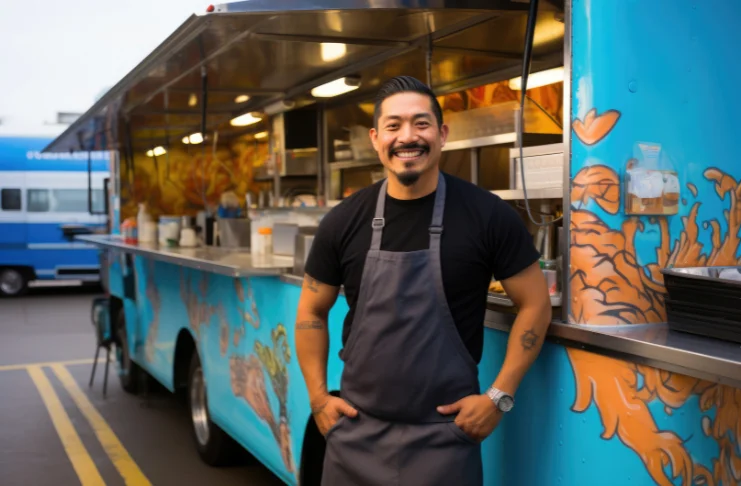
Your food truck serves as both a kitchen and a mobile advertisement for your sushi business. Selecting the right vehicle involves balancing operational needs, budget constraints, and local regulations governing commercial vehicle specifications.
Vehicle size directly impacts your operational capacity and parking flexibility. Larger trucks offer more preparation space and storage capacity, but they face restrictions in certain locations and require additional driving qualifications. Smaller units offer greater maneuverability but may limit menu complexity and service volume during busy periods.
Collaborate with commercial vehicle specialists who are familiar with food truck conversions to ensure compliance with road safety regulations, gas safety standards, and electrical installation requirements. Professional installation of commercial kitchen equipment protects your investment and ensures reliable operation under demanding mobile conditions.
Essential Cooking Equipment for Sushi Preparation
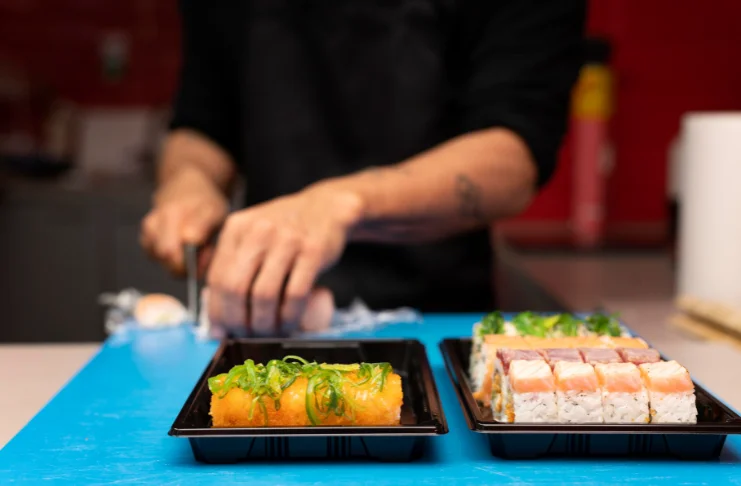
Sushi preparation requires specialized equipment designed for mobile kitchen environments. Your selection of cooking equipment impacts both food quality and operational efficiency, making careful planning essential for success.
Install commercial-grade refrigeration units capable of maintaining precise temperature control for storing raw fish. Sushi-grade fish requires storage at specific temperatures to maintain freshness and safety standards. Consider multiple refrigeration zones for different ingredients, including separate units for fish, vegetables, and prepared items.
Invest in high-quality sushi preparation tools, including professional knives, cutting boards, rice cookers, and presentation materials. Japanese cuisine demands precision and consistency that inferior equipment cannot deliver reliably in a mobile environment. Quality tools also improve preparation speed during busy service periods.
Install adequate workspace surfaces designed for frequent cleaning and sanitization. Stainless steel preparation areas offer durability and hygiene advantages essential for handling raw food. Consider portable preparation stations that can be removed for thorough cleaning after each service period.
Sourcing Quality Ingredients and Suppliers

Ingredient quality forms the foundation of successful sushi operations. Establishing relationships with reliable suppliers ensures consistent access to sushi-grade fish and other essential ingredients while managing costs effectively.
Partner with specialized seafood suppliers who understand the requirements for sushi-grade fish and can provide consistent, high-quality deliveries. Look for suppliers offering traceability documentation, proper cold-chain handling, and flexible delivery schedules that accommodate your mobile operations.
Consider relationships with local farm suppliers for fresh vegetables and specialty ingredients. Local sourcing can reduce costs, enhance freshness, and appeal to customers who are interested in supporting local agriculture. However, maintain backup suppliers to ensure continuity during seasonal availability challenges.
Develop inventory management systems that minimize waste while ensuring adequate stock levels. Negotiate payment terms and delivery schedules that support your cash flow requirements.
Creating Your Sushi Menu and Pricing Strategy
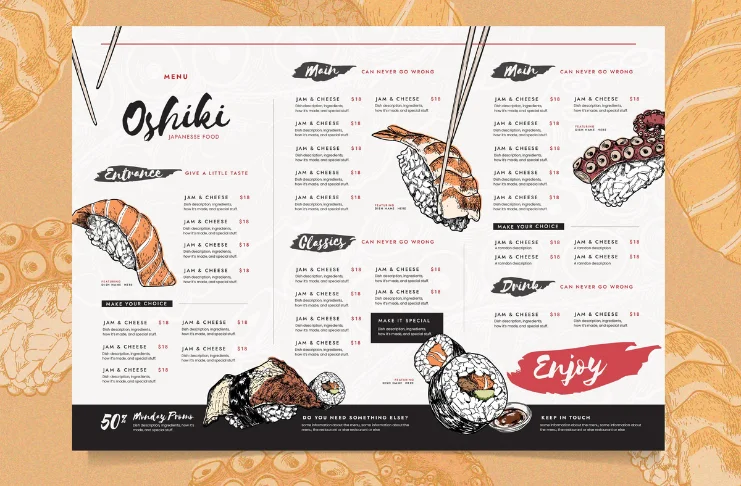
Menu development strikes a balance between customer preferences, operational complexity, and profit margins. Your sushi food truck menu should offer a diverse range of options to attract a broad spectrum of customers while maintaining efficient preparation during busy periods.
Focus on popular sushi varieties that translate well to mobile service environments. California rolls, salmon avocado rolls, and tuna sashimi appeal to broad customer bases while requiring manageable preparation processes. Consider offering sushi burritos and other fusion items that differentiate your truck from traditional sushi restaurants.
Price your menu items to accurately reflect the costs of ingredients, preparation time, and market positioning. Sushi commands premium pricing compared to typical street food, but customers expect corresponding quality and presentation standards. Research competitor pricing and adjust based on your unique value proposition and operating costs.
Develop meal combinations and lunch specials that encourage larger average transactions. Business customers appreciate convenient ordering options during limited lunch breaks. Consider pre-made combination platters that speed service while maintaining food quality standards.
Strategic Location Planning and Route Optimization

Location selection dramatically impacts your sushi food truck’s success. Profitable locations combine high foot traffic, target customer demographics, and favorable operating conditions that support your business model.
Target business districts during lunch hours when office workers seek convenient, quality dining options. Sushi appeals particularly to health-conscious professionals willing to pay premium prices for nutritious meals. Research corporate complexes, medical facilities, and government offices with limited nearby dining options.
Develop relationships with private event organizers who book food trucks for corporate functions, weddings, and private parties. Private events often provide guaranteed revenue and reduced competition compared to public locations. Market your sushi truck as an upscale catering option for special occasions.
Marketing Your Gourmet Food Truck

Effective marketing distinguishes successful food trucks from those struggling to build customer awareness. Your marketing strategy should emphasize the unique aspects of your sushi offerings while building authentic connections with your target audience.
Leverage social media platforms to showcase your food preparation process, highlight daily specials, and communicate location schedules. Visual platforms like Instagram work particularly well for sushi marketing due to the photogenic nature of your products. Share behind-the-scenes content that demonstrates your expertise and commitment to quality.
Partner with local businesses to create cross-promotional opportunities. Offer corporate catering services or lunch delivery programs that generate steady revenue while building brand recognition. Consider loyalty programs that encourage repeat visits and word-of-mouth referrals among business customers.
Participate actively in your local food truck community through industry associations and collaborative marketing efforts. Joint promotions with other food truck owners can expand your customer reach while sharing marketing costs. Building relationships within the food truck scene provides valuable industry knowledge and support networks.
Develop professional branding materials, including vehicle graphics, uniforms, and packaging that communicate your quality positioning..
Managing Costs and Financial Planning

Successful food truck operations require careful cost management and financial planning. Understanding your cost structure enables profitable pricing decisions and sustainable business growth over time.
Track key performance indicators, including food costs, labor efficiency, fuel consumption, and daily revenue per location. These metrics help identify opportunities for improvement and inform operational decisions. Consider point-of-sale systems designed for mobile food operations that provide real-time financial reporting.
Plan for seasonal revenue variations and unexpected expenses. Food truck businesses face unique challenges, including vehicle maintenance, weather-related closures, and changes in location availability. Maintain adequate cash reserves to handle operational disruptions without compromising service quality.
Traditional bank loans, equipment financing, and alternative lending sources each offer different advantages depending on your credit profile and business needs. Professional financial advice can help optimize your funding structure and tax planning strategies.
Building Customer Relationships and Loyalty

Customer retention drives long-term profitability for food truck businesses. Building genuine relationships with regular customers creates sustainable competitive advantages that transcend price competition and location changes.
Provide consistent, exceptional service that exceeds customer expectations. Remember regular customers’ preferences and engage in friendly conversation when time permits. Personal connections differentiate your food truck from impersonal restaurant chains and create customer advocacy.
Implement feedback systems that help you continuously improve your offerings and service. Social media reviews, direct customer feedback, and observation of customer behavior provide valuable insights for business optimization. Address customer complaints promptly and professionally to maintain your reputation.
Develop employee training programs that ensure consistent service quality across all staff members. Your employees represent your brand directly to customers, making their training and motivation critical for success. Invest in staff development and create positive working conditions that reduce turnover costs.
Scaling Your Sushi Food Truck Business

Growth opportunities for successful food truck operations include acquiring additional vehicles, developing franchises, expanding catering services, and establishing brick-and-mortar restaurant locations. Planning for growth from the beginning enables you to capitalize on success while avoiding common scaling pitfalls.
Explore catering opportunities that leverage your mobile capabilities for private events, corporate functions, and special occasions. Catering often provides higher profit margins and guaranteed revenue compared to street-side operations. Develop catering packages and marketing materials specifically designed for event organizers.
Investigate licensing or franchising opportunities if your concept proves highly successful. Franchising allows rapid expansion while reducing your capital requirements and operational complexity. However, franchise development requires significant legal and operational infrastructure to support franchise partners effectively.
Consider permanent restaurant locations that complement your mobile operations. Successful food truck concepts often translate well to traditional restaurant formats, providing expanded menu options and weather-independent operations. Utilize your food truck experience and customer base as a foundation for developing your restaurant.
Seasonal Considerations and Weather Planning

UK weather patterns have a significant impact on food truck operations throughout the year. Successful operators plan for seasonal variations and adapt their strategies to maintain profitability across different weather conditions.
The summer months typically provide peak operating conditions, with extended daylight hours, favorable weather, and increased foot traffic. Plan inventory increases, extended operating hours, and additional marketing activities to capitalize on seasonal demand peaks. Consider special summer menu items that appeal to warm-weather preferences.
Winter operations present challenges, including reduced foot traffic, shorter operating hours, and increased heating costs. Develop indoor location partnerships, winter menu variations, and adjusted pricing strategies to maintain profitability during slower periods. Consider seasonal closure options if winter operations prove unprofitable.
The spring and autumn seasons offer moderate operating conditions, providing opportunities to build customer relationships and test new menu items. Utilize these transitional periods for staff training, equipment maintenance, and developing marketing campaigns. Plan major business improvements during slower periods to minimize disruptions to peak season operations.
Weather contingency planning should include covered parking areas, portable shelters, and flexible location arrangements to ensure optimal protection from adverse weather conditions. Monitor weather forecasts and communicate schedule changes promptly to avoid disappointing customers. Consider weather insurance options to protect against significant revenue losses during prolonged periods of unfavorable weather conditions.
Technology Integration and Digital Solutions

Modern food truck operations greatly benefit from the integration of technology, which enhances efficiency, improves customer service, and streamlines business management. Implementing appropriate digital solutions can provide competitive advantages and operational improvements.
Point-of-sale systems designed for mobile operations provide payment processing, inventory tracking, and sales reporting capabilities. Select systems with offline capabilities to handle network connectivity issues that are common in mobile environments. Integration with accounting software simplifies financial management and tax preparation.
Social media management tools help maintain consistent customer communication across multiple platforms. Automated posting, location updates, and customer engagement features save time while building online presence. Consider professional social media management services if internal resources are limited.
Mobile ordering applications enable customers to place orders in advance, thereby reducing wait times and enhancing service efficiency. Pre-ordering systems work particularly well for business customers with limited lunch break time. Consider partnerships with existing food delivery platforms to expand customer reach.
GPS tracking and route optimization software help plan efficient daily routes and communicate location information to customers. Real-time location sharing through social media and mobile applications builds customer convenience and satisfaction. Fleet management software becomes valuable as you expand to multiple vehicles.
Success Metrics and Performance Monitoring

Establishing clear success metrics and implementing effective monitoring systems enables data-driven decision-making that improves business performance over time. Regular performance analysis helps identify trends, opportunities, and potential issues before they impact profitability.
Daily sales tracking by location, weather conditions, and menu items provides insights into customer preferences and operational efficiency. Compare performance across different locations and time periods to optimize route planning and menu offerings, ensuring optimal results. Track customer acquisition costs and lifetime value to evaluate marketing effectiveness.
Food cost percentages, labor efficiency, and gross profit margins indicate operational health and pricing adequacy. Monitor these metrics on a weekly basis to identify trends and make timely adjustments. Compare your performance against available industry benchmarks.
Customer satisfaction metrics, including online reviews, repeat visit rates, and complaint resolution, help maintain service quality. Implement systematic procedures for collecting and responding to feedback in a timely and effective manner. Track customer acquisition sources to optimize marketing spending allocation and maximize return on investment.
Financial performance indicators, including cash flow, profit margins, and return on investment, guide strategic decisions about growth, pricing, and operational improvements. Regular financial review meetings with professional advisors help maintain financial health and identify opportunities for improvement.
Conclusion
Starting a sushi food truck business in the UK offers exciting opportunities for restaurateurs and culinary professionals seeking to enter the thriving mobile food market. With the UK food truck market projected to grow from USD 4.15 billion in 2024 to USD 6.87 billion by 2029, and the global sushi market expected to reach USD 10.76 billion by 2033, the timing is favorable for innovative entrepreneurs.
Success in the sushi food truck business requires careful planning, attention to food safety requirements, strategic location selection, and commitment to customer service excellence. By following this comprehensive guide and focusing on high-quality ingredients, professional operations, and genuine customer relationships, your sushi food truck can establish a profitable position in the competitive UK food truck market.
Remember that building a successful food truck business takes time, persistence, and continuous adaptation to market conditions and customer preferences. Begin with a solid business plan, ensure compliance with all relevant legal requirements, and prioritize delivering exceptional value to your customers. With dedication and proper execution, your sushi food truck can become a thriving addition to the dynamic UK street food landscape.
The combination of growing consumer demand for healthy, convenient dining options and the flexibility of mobile food operations creates an ideal environment for the success of sushi food trucks. Your journey from concept to profitable operation requires careful attention to every detail covered in this guide, but the potential rewards make the effort worthwhile for committed entrepreneurs ready to serve exceptional Japanese cuisine to appreciative customers across the UK.
Frequently Asked Questions
1. How much does it cost to start up a food truck in the UK?
Starting a food truck business in the UK typically requires an initial investment between £5,000 and £75,000, depending on whether you buy new or used equipment and the complexity of your setup. Second-hand prices start at around £1,000 for a basic sandwich and coffee van, while new food trucks, complete with fittings and equipment, range from £5,000 to £50,000. Additional costs include licenses, insurance, initial stock, and working capital for the first few months of operation.
2. Do you need a licence for a food truck in the UK?
Yes, you must register with your local authority to run a food business if you sell, cook, store, handle, prepare, or distribute food. You need a licence from your local council to sell food in public, and these licences vary from council to council and location to location. You’ll need to register with every local authority whose area you want to trade in at least 28 days before you start selling there.
3. Can I park my food truck anywhere in the UK?
No, getting a street trading licence from the local authority means you’ll be allowed to operate on licensed streets, but you would still need to gain consent from that local authority to trade there. You cannot park and trade wherever you want, as this would be a criminal offense without proper permissions. You require specific trading licenses for public spaces and permission from the landowner for private locations.
4. Is a food truck a good investment in the UK?
The UK street food market is valued at an estimated £1.2 billion in 2024, with the industry experiencing an annual growth rate of 20% in the last five years and more than 2,000 active food trucks operating across the country. However, monthly operating costs typically account for around 85-90% of revenue once your business starts to generate a profit. In the first couple of years, you may need to continue investing to offset losses. Success depends heavily on location, concept, and operational efficiency.


