

Running a restaurant or café today requires more than good food and friendly service. Competition is intense, customer expectations are higher than ever, and even minor operational mistakes can erode already thin margins. This is where a POS system becomes essential. It is not simply a tool to process transactions; it’s the foundation of smarter business operations, stronger business performance, and consistent customer satisfaction.
In this article, we’ll explore the numerous benefits of a POS system, its support for day-to-day restaurant management, and why adopting modern solutions, such as cloud-based POS systems, is essential for growth.
Understanding POS Systems in the Restaurant Industry

A POS system (Point of Sale system) is the hub where all sales and operational activities converge. While traditional cash registers handled only payments, modern POS software integrates transactions, inventory management, employee management, promotion management, and customer data into one system.
For restaurant owners, a POS system does more than replace the register; it serves as an all-in-one business partner that helps streamline workflows and provides valuable insights to inform better business decisions.
The Core Benefits of a POS System

Let’s begin with the most critical advantages a POS system brings to restaurant businesses.
Faster Transactions and Improved Accuracy
In the restaurant industry, speed and precision at the checkout counter or table can make all the difference. Guests want to pay quickly, staff need a system that reduces manual work, and billing errors can damage credibility. This is where a POS system streamlines every step of the transaction process.
POS systems enable restaurants to process payments quickly, thereby reducing wait times at the checkout counter. Unlike traditional POS systems, modern solutions are designed for speed, integrating with barcode scanners, mobile devices, and even contactless card payments. This minimizes human error, reduces delays, and ensures every pos transaction is accurate.
Real-Time Inventory Management
Stocking the right ingredients at the right time is critical for smooth restaurant operations. Manual inventory checks are not only time-consuming but also prone to mistakes. A POS system brings order to this process by offering real-time visibility and control over what goes in and out of your kitchen.
Restaurants face high risks of inaccurate inventory, which can lead to waste or stockouts. A POS system automatically updates inventory data whenever a sale is made, providing visibility into available ingredients. This level of stock management enables owners to save money, minimize food waste, and maintain consistent pricing across all outlets.
Data-Driven Business Decisions
Restaurant success no longer relies solely on intuition. Owners now need reliable insights into what customers are buying, when they’re dining, and how much they’re spending. POS systems generate this data in real time, giving operators the clarity to make decisions that directly improve business performance.
POS systems provide valuable insights by analyzing sales data, identifying sales patterns, and evaluating transaction values. This helps identify which dishes are top performers, what time of day drives the most revenue, and where operational costs can be reduced. Instead of guessing, owners can make business decisions based on facts.
INDUSTRY INSIGHTS
| According to a survey by HotelTechReport, restaurants that use their mobile ordering and payment POS system see about a 9% boost in average check size. These core benefits alone make a POS system a wise investment for any restaurant looking to grow sustainably. |
The Rise of Cloud-Based POS Systems

Technology has transformed how restaurants operate, and cloud-based POS systems are now leading the industry. Unlike local server-based setups, a cloud-based point of sale connects to the internet, storing all pos data securely online.
Advantages of Cloud-Based POS
Traditional server-based systems tie managers to the restaurant floor. Cloud-based POS systems break this limitation by allowing owners to access data anytime and anywhere. This shift to the cloud isn’t just about convenience; it’s about building a scalable, cost-effective system that keeps pace with modern business needs.
- Remote Access: Owners can monitor business performance and inventory data in real time, even when away from the restaurant.
- Scalability: Expanding to multiple locations is simplified, as all outlets sync under a single platform.
- Lower Costs: With no heavy hardware or local server maintenance, businesses save money on infrastructure.
- Automatic Updates: POS providers automatically push new features and security updates, ensuring the system remains reliable and up-to-date.
Cloud-based POS systems allow restaurants to operate with agility, making them far more adaptable than traditional systems. They support both small businesses and large retail stores in their quest for a future-ready solution.
Cloud-Based vs Traditional POS Systems
| Feature | Traditional POS (“on-premise” / local) | Cloud-Based POS Systems |
| Upfront cost | High (servers, hardware, installation) | Lower initial cost; more ongoing subscriptions |
| Remote access | Limited; tied to physical location | Full access from mobile, tablets, anywhere with internet |
| Scalability | More difficult to add branches or devices | Easier to scale up; manage multiple outlets centrally |
| Maintenance & updates | Manual; often costly | Automatic updates; security + feature improvements pushed by the provider |
| Data backup & security | More risk if the local server fails or is compromised | Usually, built-in backups, stronger security features |
Enhancing Customer Experience and Customer Satisfaction
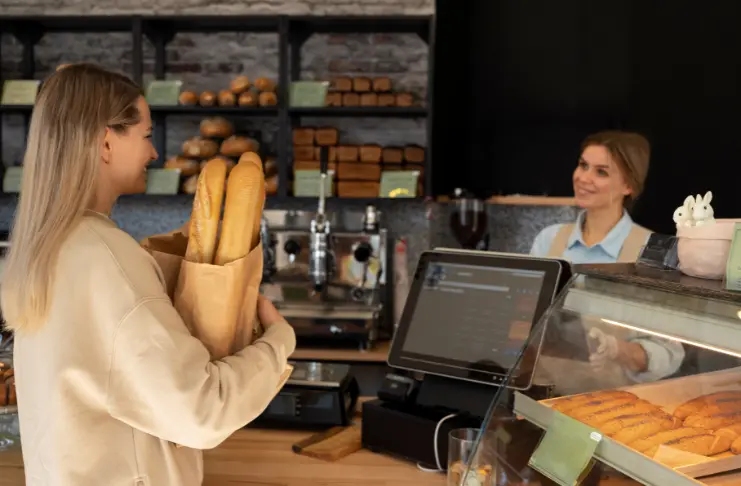
Customer loyalty hinges on consistently delivering excellent experiences. A good pos system directly impacts the customer experience by ensuring smoother service and personalized interactions.
How POS Improves Customer Experience
Every touchpoint with a guest shapes their opinion of your restaurant. From the moment they place an order to the time they pay the bill, customers expect efficiency, accuracy, and flexibility. A POS system helps restaurants deliver on these expectations, ensuring that every transaction supports a positive dining experience.
- Faster Service: Orders are processed efficiently, resulting in reduced wait times at the table or checkout counter.
- Accurate Orders: The system minimizes miscommunication between the front and back of house, increasing reliability.
- Flexible Payments: Restaurants can accept payments via credit cards, mobile wallets, or contactless options, meeting customer preferences.
- Personalized Service: By tracking customer purchases and preferences, staff can offer targeted upselling, recommendations, or even surprise regular customers.
According to Metrobi, restaurants using modern POS systems can reduce order errors by up to 30%, while also helping to reduce wait times and enhance overall service efficiency, which directly leads to higher customer satisfaction.
When customers leave satisfied, they’re more likely to become loyal customers and return for future purchases, naturally boosting revenue.
Smarter Inventory and Stock Management

In the restaurant business, inventory management can make or break profitability. Ingredients are perishable, margins are thin, and mistakes are costly.
POS Inventory Capabilities
Inventory is one of the most challenging aspects of running a restaurant. Without accurate systems, businesses risk overstocking, running out of essential items, or losing money due to spoilage. Modern POS systems seamlessly integrate inventory management into everyday sales, making a complex task manageable and routine.
- Real-Time Tracking: Every sale updates inventory data instantly.
- Low Stock Alerts: Notifications prevent running out of key ingredients during busy hours.
- Waste Reduction: Smarter inventory control minimizes overstocking and spoilage, resulting in more efficient use of resources.
- Supplier Insights: Over time, data helps negotiate better deals with suppliers by showing ordering patterns.
By reducing inaccurate inventory and enabling timely reordering, POS systems ensure restaurants always have the right stock available. This reliability translates directly into better service and higher profits.
Driving Better Business Performance with Data

Restaurants thrive when they understand their customers and operations. Modern POS systems turn raw pos transactions into valuable insights.
Sales Insights and Performance Metrics
Knowing what sells, when it sells, and why it sells provides a competitive advantage. POS systems capture this information automatically, making it easier to identify sales trends and understand customer preferences. This data becomes a powerful tool in refining menus, promotions, and staffing schedules.
- Identify Sales Patterns: Know which dishes perform best on weekends vs weekdays.
- Track Transaction Value: Learn whether promotions increase average spend.
- Optimize Staffing: Use peak-hour data to schedule sales personnel effectively.
- Measure Promotion Impact: Determine if discounts or loyalty rewards are yielding the desired results.
Up to 15% of restaurant orders contain errors. Utilizing enhanced POS/AI-based systems helps reduce these errors.
Armed with this intelligence, owners can make business decisions that sharpen operations and improve long-term business growth.
Simplifying Employee Management

Managing people is as important as managing products. POS systems now include features that help restaurants handle employee management with ease.
Benefits for Teams
Behind every successful restaurant is a well-coordinated team. Managing schedules, monitoring performance, and preventing mistakes can be overwhelming without the right tools. POS systems simplify employee management, providing owners and managers with better oversight and staff with the support they need to perform at their best.
- Time Tracking: Automatically records clock-ins, hours worked, and overtime.
- Performance Insights: Data reveals who sells the most, makes the fewest errors, or handles the highest volume of customer purchases.
- Training Support: Simple POS interfaces shorten the learning curve for new hires.
- Fraud Prevention: Monitoring voided orders or refunds reduces theft and losses.
An efficient workforce supported by POS technology works more confidently, directly improving customer satisfaction and the restaurant’s overall business performance.
Customer Management and Loyalty Programs
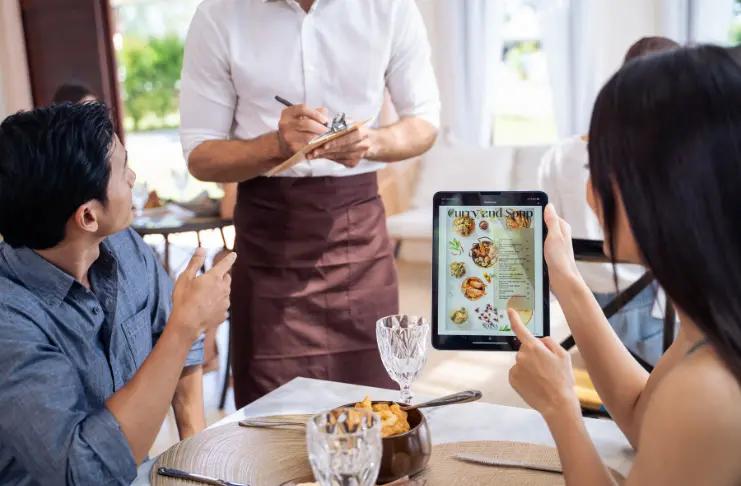
Knowing your diners and creating a bond with them pays off in repeat visits. POS systems integrate customer management tools that turn data into loyalty.
How POS Strengthens Loyalty
Repeat customers are the backbone of restaurant success. Building loyalty requires more than good food; it requires meaningful engagement and personalized service. POS systems make this possible by storing customer information, tracking preferences, and supporting targeted rewards programs that encourage diners to return.
- Customer Information Storage: Records names, birthdays, and favorite meals.
- Loyalty Programs: Rewards encourage repeat dining and build loyal customers.
- Targeted Promotions: Based on customer buying habits, send personalized deals.
- Future Purchases: Predict what diners will likely order next.
These features foster stronger relationships, enabling restaurants to remain the preferred choice in a crowded market.
From Cash Registers to Modern Sales Systems
Restaurants once relied solely on traditional cash registers to handle transactions. While simple, they lacked data, flexibility, and integration. Modern sales systems are distinct; they integrate payments, analytics, loyalty, and promotion management into a single platform.
By transitioning from a cash register to a POS, restaurants gain control over business operations in ways that were previously impossible with outdated tools.
Reducing Errors and Ensuring Consistent Pricing

Errors are costly. Whether it’s a wrong order, an incorrect bill, or inconsistent discounting, the impact is immediate. A POS system solves these challenges.
Error Reduction Features
Even minor errors in orders or pricing can erode customer trust and impact profits. Restaurants require systems that mitigate these risks while maintaining smooth operations. POS systems automate critical processes, ensuring consistency in pricing, billing, and taxation while minimizing the chances of human error.
- Automated Pricing: No chance of mismatched menu prices across multiple locations.
- Accurate Receipts: Customers receive correct bills, reducing disputes.
- Taxation Compliance: Automatic calculations minimize mistakes.
- Human Error Prevention: Less reliance on memory, more accuracy through automation.
This consistency not only saves money but also boosts trust and credibility with customers.
Supporting E-commerce and Online Ordering

The rise of digital dining means restaurants must integrate with delivery and online channels. POS systems designed for the modern market seamlessly connect e-commerce platforms and online ordering.
- Orders from apps or websites feed directly into the POS.
- Inventory adjusts in real time to reflect digital sales.
- Payments are captured securely and synced with your accounting system.
- Promotions or loyalty programs extend to online diners.
By unifying dine-in and digital orders, POS ensures efficiency across all sales channels.
Choosing the Right POS Provider
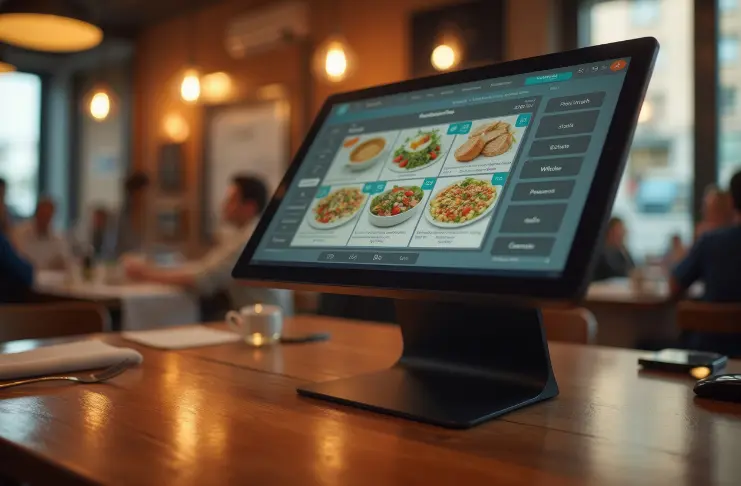
With so many pos providers in the market, selecting the right partner is crucial. Restaurant owners should evaluate:
- Integration with accounting software and other tools.
- Flexibility for both small businesses and large chains.
- Support for cloud-based POS functionality.
- Compatibility with POS devices, such as tablets, scanners, and mobile terminals.
- Cost structures that fit the budget without hidden fees.
A good POS system matches both current needs and future growth plans, ensuring the investment pays off for years to come.
Conclusion
The restaurant industry is evolving, and the days of relying solely on traditional cash registers are behind us. A modern POS system is no longer optional; it is essential for survival and growth. By enhancing customer experience, empowering staff, providing in-depth insights into sales data, and integrating seamlessly with digital channels, POS systems offer numerous advantages that enhance overall business performance.
For restaurateurs, adopting the right POS system means staying competitive, building loyal customers, and ensuring the business thrives in an increasingly digital and data-driven marketplace.
Frequently Asked Questions
1. What are the advantages of a POS system?
Key benefits include efficient transaction processing, accurate inventory management, enhanced employee management, improved customer satisfaction, loyalty tracking, and stronger business performance.
2. What are the pros and cons of POS system?
Pros include speed, efficiency, reduced human error, and rich insights. Cons include upfront cost, subscription fees, and dependency on the internet for cloud-based systems
3. In what ways is a POS system helpful?
It simplifies business operations, from stock management to promotion management, while enabling better business decisions and supporting business growth.
4. What is the main purpose of a POS system?
Its main purpose is to centralize transactions and data while enabling restaurants to run more efficiently, improve service quality, and achieve long-term sustainability.