

Running a restaurant means juggling dozens of tasks at once. You’re managing inventory, scheduling staff, processing payments, tracking sales, and keeping customers happy. When you’re doing all this manually or with disconnected tools, things slip through the cracks.
A restaurant management system changes that. It centralizes your operations on a single platform, giving restaurant owners the visibility and control they need to run efficiently and profitably. The benefits of restaurant management system technology go far beyond simple convenience. They directly impact your bottom line.
Let’s break down exactly how restaurant management software helps streamline restaurant operations and why investing in the right management system makes business sense in 2025.
What Is a Restaurant Management System?
A restaurant management system (RMS) is comprehensive software that handles multiple aspects of restaurant operations from a single platform. Unlike standalone tools that manage just one function, an integrated management system connects your POS system, inventory management, employee scheduling, customer relationship management, and financial reporting.
Modern restaurant management software runs in the cloud, meaning you can access real-time data from anywhere. Whether you’re in the dining room during peak hours or reviewing reports from home, you have complete visibility into your restaurant’s performance.
The restaurant industry has rapidly embraced these systems. According to the National Restaurant Association, 76% of operators accept that using technology in their restaurant operations gives them a competitive advantage. Restaurant management systems sit at the center of this technological transformation.
How Does a Restaurant Management System Improve POS and Payments?
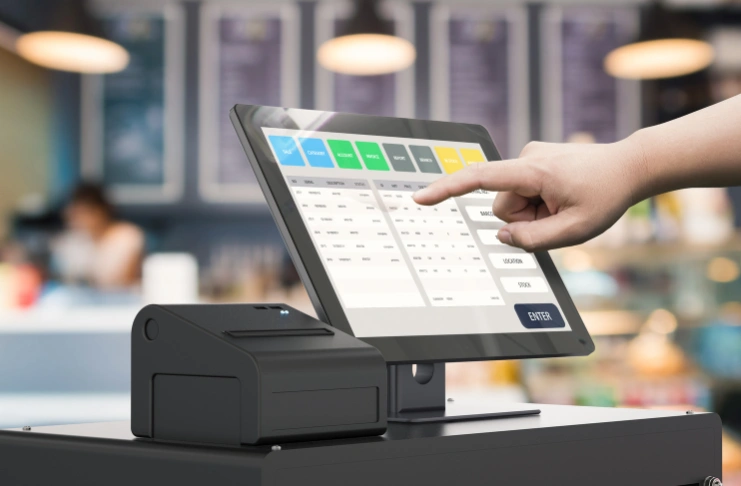
Your POS system is the heart of restaurant operations. A restaurant management system with integrated point-of-sale functionality does far more than a traditional cash register. It processes transactions quickly, tracks every sale accurately, and feeds that sales data into other parts of your business.
Modern restaurant POS software handles complex orders, split checks, and various payment methods seamlessly. Customers can pay with credit cards, mobile wallets, or contactless methods. This flexibility improves the customer experience and speeds up table turns during busy periods.
The integration between your POS system and other functions eliminates manual data entry. When a server enters an order, it automatically updates inventory levels, tracks food costs, and feeds into sales reporting. This connection between systems saves time and reduces errors that plague disconnected tools.
How Does Restaurant Management Software Control Inventory and Food Costs?
Managing inventory manually means counting stock, tracking usage, and predicting what you’ll need. It’s time-consuming and often inaccurate. Restaurant management software automates this process, giving you precise inventory data in real time.
The system automatically tracks inventory levels as sales occur. When a customer orders a burger, the system deducts the bun, patty, cheese, and condiments from your inventory count. You always know what you have and what you need to order.
This visibility helps control food costs, which have become critical as 91% of restaurant operators reported food cost increases in 2025. When you can track inventory accurately and identify waste patterns, you can reduce unnecessary spending and protect your restaurant’s profitability.
Setting automated reorder points prevents both stockouts and over-ordering. The management system alerts you when items run low, ensuring you never run out of key ingredients during service. This keeps your kitchen running smoothly and customers satisfied.
How Does a Restaurant Management System Optimize Labor and Scheduling?

Labor costs typically account for 25-35% of revenue in the restaurant industry, making workforce management crucial for profitability. A restaurant employee management system helps you optimize scheduling, track employee attendance, and control labor expenses.
Employee scheduling software within your management system considers factors like forecasted sales, employee availability, and labor budget constraints. It helps you schedule the right number of restaurant employees for each shift, avoiding both understaffing and overstaffing.
The system tracks employee performance through sales data, customer feedback, and other key performance indicators. This information helps you identify top performers, address training needs, and make informed decisions about your restaurant staff.
Clock-in and clock-out functions integrated with your restaurant employee management system provide accurate time tracking. This eliminates timecard fraud and ensures payroll accuracy, helping reduce labor costs while maintaining fair compensation for restaurant employees.
How Does Restaurant Management Software Improve Customer Relationships?
Building customer loyalty requires understanding customer preferences and delivering personalized service. Restaurant management software with customer relationship management capabilities tracks customer data across visits, creating profiles that help you serve customers better.
The system records purchase history, dining preferences, dietary restrictions, and special occasions. When regulars return, your staff can access this information to provide personalized recommendations and acknowledge preferences, improving the dining experience.
Loyalty programs integrated into your management system automatically reward repeat business. Customers earn points with each visit, receive birthday offers, and get targeted promotions based on their preferences. Research shows that loyalty programs encourage customers to return more frequently and spend more per visit.
The system’s email and SMS marketing tools let you communicate directly with customers. You can send promotions during slow periods, announce new menu items, or re-engage customers who haven’t visited recently. These marketing efforts drive traffic and revenue.
How Does a Restaurant Management System Handle Online Orders and Delivery?
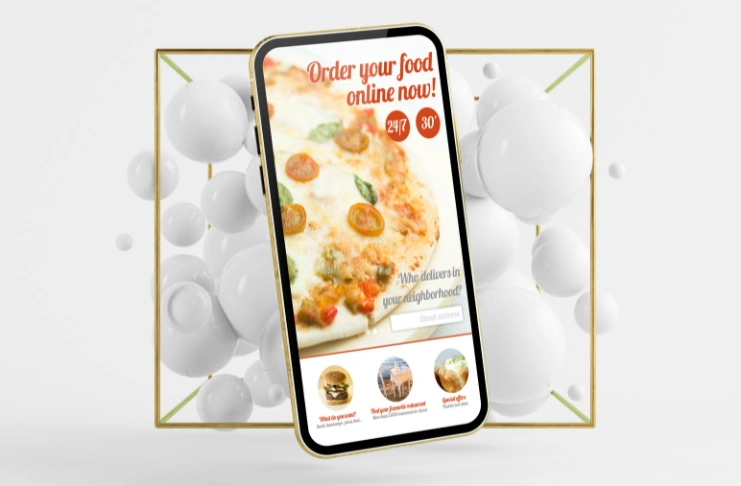
Digital ordering has grown 300% faster than dine-in traffic since 2014. Restaurant management systems help you handle online orders efficiently without disrupting your dining room operations.
Orders from your website, mobile app, or third-party platforms are routed directly to your kitchen management system. This eliminates the phone calls and manual order entry that slow service and create errors. Your kitchen staff sees online orders alongside dine-in tickets, preparing everything efficiently.
Integration with delivery platforms streamlines the entire process. The management system tracks orders from placement through delivery, providing visibility into your off-premise business. This helps you understand which menu items sell best for takeout and optimize your offerings accordingly.
How Does Restaurant Management Software Improve Financial Reporting?
Understanding your restaurant’s profitability requires analyzing data from multiple sources. Restaurant management software consolidates this information, generating financial reporting that shows exactly how your business performs.
The system automatically tracks revenue, food costs, labor costs, and other expenses. You can see daily, weekly, or monthly performance with a few clicks. This real-time data helps you spot trends and make adjustments quickly rather than waiting for monthly accounting reports.
Integration with accounting software eliminates duplicate data entry and ensures your books stay accurate. Sales data flows directly into your accounting system, reducing administrative burden and improving accuracy.
Key performance indicators such as average check size, table turn times, and prime cost are displayed on customizable dashboards. These metrics help restaurant operators make data-driven decisions about menu pricing, staffing, and operations.
How Does a Restaurant Management System Improve Staff Management and Communication?

A busy restaurant requires seamless coordination between front-of-house and back-of-house teams. Restaurant management systems facilitate this communication through integrated tools that keep everyone connected.
Staff management features include shift notes, task assignments, and internal messaging. Managers can communicate policy updates, menu changes, or special instructions directly through the system. This ensures consistent information across all restaurant employees.
Employee management software components track training completion, certifications, and skill development. You can ensure staff maintain required food safety credentials and receive proper training for their roles. This protects your business and enhances efficiency.
Performance reviews become easier when the management system automatically tracks employee performance metrics. You have objective data about sales, customer feedback, and efficiency to support development conversations and recognition.
How Does Table Management Software Increase Seating Efficiency?
Table management features help you maximize dining room capacity while maintaining service quality. The system shows table status in real time, helping hosts seat guests efficiently and servers manage their sections effectively.
Online reservation systems integrated with your restaurant management system let customers book tables through your website or app. Research suggests over 59% of diners prefer to book tables online, making this capability essential for meeting customer expectations.
Waitlist management during busy periods keeps customers informed about wait times through text updates. This improves the customer experience by letting guests wait comfortably elsewhere rather than crowding your entrance. It also reduces no-shows by sending reminders to customers about their reservations.
How Does Menu Management Software Improve Profitability?
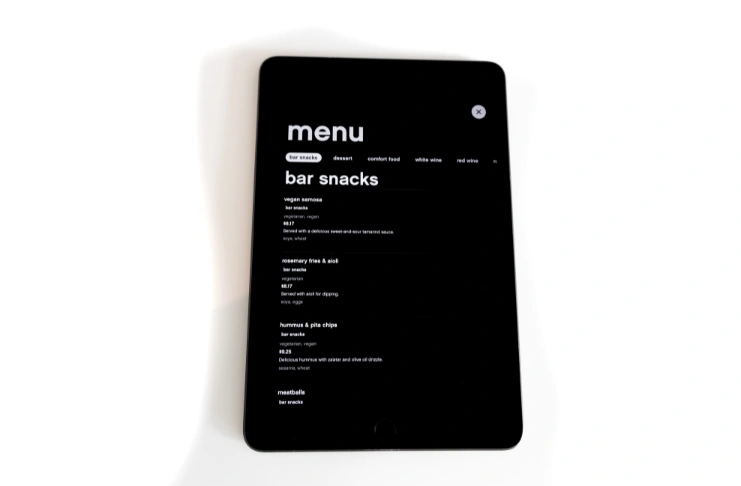
Menu management tools within your restaurant management software help you analyze profitability and make strategic decisions about offerings. The system calculates the cost of each dish based on current ingredient prices and portion sizes.
When supplier prices change, you can update ingredient costs and immediately see the impact on menu profitability. This helps you adjust menu pricing strategically or find substitute ingredients that maintain margins without compromising quality.
Recipe standardization features ensure consistent preparation across shifts. Detailed recipe cards with photos, ingredient lists, and preparation steps ensure consistent quality whether your best chef or a new cook is working. This consistency improves customer satisfaction and controls food costs.
INDUSTRY INSIGHT
| The restaurant technology market hit $59.3 billion in 2024 and is projected to reach $314.85 billion by 2033, with a 16.39% CAGR. This explosive growth reflects the critical role management systems now play. |
Should You Choose Cloud-Based or On-Premise Restaurant Software?
Restaurant owners face a choice between cloud-based management software and on-premises RMS solutions. Cloud-based systems offer several advantages that make them increasingly popular in the restaurant industry.
Cloud systems have lower upfront costs because you pay monthly subscription fees rather than large software purchases. You also avoid hardware costs and IT maintenance expenses. Updates happen automatically, ensuring you always have the latest features and security patches.
Access from anywhere is a key benefit. You can check sales data, adjust employee schedules, or review inventory from your phone. This flexibility is valuable for restaurant operators managing multiple locations or working outside the restaurant.
On-premises RMS systems offer more control and customization but require significant IT resources. For most restaurant businesses, especially small to mid-sized operations, cloud-based restaurant management software provides better value and functionality.
Why Do Integrations Matter in a Restaurant Management System?

The many benefits of a comprehensive management system come from how well it integrates various functions. Look for key features such as API integrations with third-party tools, automated data syncing, and compatibility with existing systems.
Integration with accounting software, payroll systems, and delivery platforms creates a seamless workflow. You’re not re-entering data or reconciling information across multiple systems. Everything flows automatically, saving time and reducing errors.
Advanced features, such as predictive analytics, help you forecast demand and plan accordingly. The system analyzes historical sales data, weather patterns, and local events to predict busy periods. This supports better inventory management and employee scheduling decisions.
Mobile apps for managers and staff extend functionality beyond desktop computers. Managers can approve schedule changes or review reports on their phones. Staff can view schedules, request time off, and communicate with team members through mobile interfaces.
Does Restaurant Management Software Actually Reduce Costs?
Investing in restaurant management software requires upfront costs, but the cost savings quickly justify the expense. Reduced food waste, optimized labor schedules, and fewer errors all contribute to improved profitability.
Eliminating manual processes saves considerable staff time. Hours spent counting inventory, creating schedules, or generating reports manually can be redirected to serving customers and improving operations. This productivity gain alone often covers the cost of the system.
Better inventory management reduces waste and spoilage. When you track inventory levels accurately and use ingredients before they expire, you prevent the food waste that drains profits. Even small reductions in waste percentages significantly impact your bottom line.
Speedy service during peak hours increases table turns and revenue. When your POS system, kitchen displays, and staff coordination all work seamlessly, you serve customers faster without sacrificing quality. This enhanced efficiency directly translates into more revenue per service period.
How Do You Choose the Right Restaurant Management System?

Not all RMS solutions offer the same features or value. Restaurant owners should evaluate systems based on their specific needs, budget, and growth plans. Consider these factors when choosing management software:
Functionality match: Does the system handle your current restaurant operations needs? Do you need table management, online ordering, or multi-location support?
Ease of use: Complex systems with steep learning curves frustrate staff and reduce adoption. Look for intuitive interfaces that require minimal training.
Customer support: Technical issues during service can be devastating. Choose providers with responsive support teams available when you need help.
Scalability: Can the system grow with your restaurant business? If you plan to expand, ensure the software supports multiple locations and increased transaction volumes.
Integration options: Will it work with your existing accounting software, payroll system, and other tools? Seamless integration prevents data silos and duplicate work.
Conclusion
The benefits of restaurant management system technology extend across every aspect of operations. From streamlining point-of-sale transactions to managing inventory, controlling labor costs, and building customer relationships, a comprehensive management system provides the foundation for efficient, profitable restaurant operations.
As the restaurant industry becomes increasingly competitive and technology-driven, restaurant owners who invest in robust restaurant management software gain significant advantages.
Frequently Asked Questions
1. What are the advantages of food management system?
Food management systems track inventory levels, reduce food waste, control food costs, automate reordering, and provide inventory data to support menu pricing and profitability analysis. They eliminate manual tracking and give real-time visibility into what you have and what you need.
2. What does a restaurant management system do?
A restaurant management system integrates multiple functions, including POS system operations, inventory management, employee scheduling, customer relationship management, online order processing, financial reporting, and table management into a single platform. It centralizes restaurant operations for better efficiency and control.
3. What are the benefits of a restaurant manager?
Restaurant managers coordinate staff, ensure quality service, manage operations, handle customer issues, control costs, train employees, and drive profitability. They provide leadership that keeps restaurant operations running smoothly and maintain the standards that create customer satisfaction and repeat business.
4. What is the 30/30/30/10 rule for restaurants?
The 30/30/30/10 rule suggests allocating approximately 30% of revenue to food costs, 30% to labor costs, 30% to operating expenses, and leaving 10% for profit. This framework helps restaurant owners understand whether their cost structure supports sustainable profitability, though percentages vary by restaurant type.