

Running a restaurant today means juggling dozens of moving parts. Orders pile up, inventory runs low, and staff schedules never seem right. Sound familiar?
That’s where restaurant automation steps in to save your sanity. With the right tool, you experience reduced operational costs, increased customer satisfaction, and streamlined operations that actually work for you.
Let’s dive into the benefits, implementation, and available options of restaurant technology for operations automation.
Why Does Your Restaurant Need Automation Right Now?
The restaurant industry is brutal. Labor costs keep climbing, customer preferences change overnight, and competition grows fiercer each year. Modern restaurants need every advantage they can get.
Here’s the reality: 73% of restaurant operators increased their technology investments in 2024, and more continue to do so. Why? To survive the competition.
Restaurant automation refers to using technology to handle repetitive tasks that eat up your time. Take automated ordering systems, inventory tracking, and staff scheduling.
These automated systems allow your staff to spend more time delivering quality service to guests rather than on repetitive tasks.
Start by identifying where you lose the most time each day. That’s your first automation target.
What are the Essential Restaurant Technology for Operations Automation?
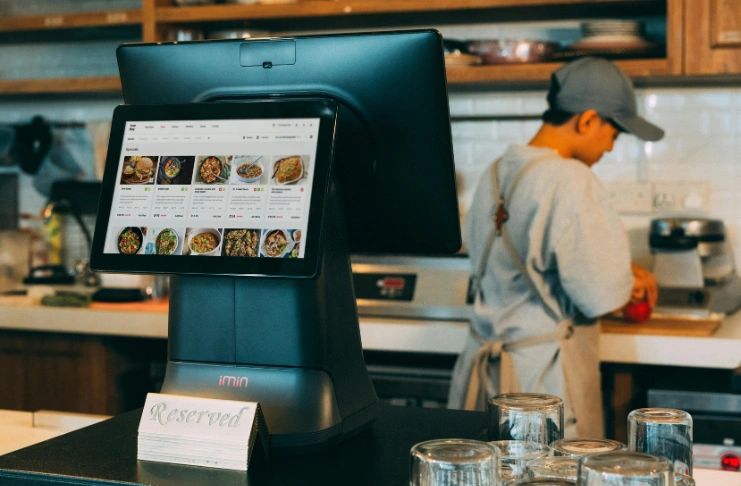
Here are the core systems every modern restaurant should implement to boost operational efficiency and enhance customer service.
Point of Sale (POS)
A robust POS is the backbone of restaurant automation. Today’s cloud-based POS platforms do far more than process payments. They integrate with inventory, customer data, and staff scheduling systems in real time.
This means sales automatically update stock levels, customer preferences feed into loyalty programs, and labor needs adjust based on traffic patterns.
Look for a POS that supports mobile ordering, tableside payments, and integration with third-party delivery apps to cut down on manual errors and serve customers faster.
Inventory Management Software
Stockouts and waste are two of the most expensive problems in food service. AI-powered inventory management tools track ingredient usage in real time, alert you when items run low, and generate supplier orders automatically.
Advanced platforms analyze historical sales data to forecast demand so you can order precisely what you need. The result is reduced food waste, tighter cost control, and fewer “we’re out of that” moments that frustrate customers.
Automated Ordering and Self-Service Kiosks
From QR code menus to self-service kiosks, automated ordering reduces pressure on front-of-house staff and speeds up table turnover. Guests place orders directly into the kitchen system, minimizing miscommunication.
Many solutions also support upselling prompts, such as “Add a dessert?” based on order patterns. This increases check size without extra staff effort.
INDUSTRY INSIGHT
| The self-service kiosk market will hit $63 billion globally by 2027, up from $40 billion in 2022. What fuels this growth? Customer demand. In quick-service and fast-casual formats, 65 percent of customers prefer kiosks, and 79 percent say they make dining more convenient. Restaurants using kiosks see customers spend 10 to 30 percent more per order, and brands like Panera have reported double-digit sales lifts. As kiosks become a top revenue driver, downtime poses a major risk. Operators need real-time performance monitoring to safeguard sales and maintain the seamless experience customers now expect. |
Kitchen Display Systems (KDS)
A KDS replaces paper tickets with a digital display that organizes orders by priority and preparation time. It keeps kitchen staff synchronized, ensures accuracy, and reduces order delays.
Integrated with the POS, it automatically updates when a guest makes a modification or cancellation, which saves both food and labor costs.
Staff Scheduling and Labor Management Tools
Labor is often your largest expense. Automated scheduling platforms use sales forecasts, seasonality data, and staff availability to build optimized rosters.
They can track clock-ins, monitor labor costs in real time, and send alerts if you are about to exceed budget. Some offer shift-swapping features so managers are not stuck making last-minute calls.
Customer Relationship Management (CRM) Systems
Restaurant-specific CRMs collect and organize guest data from visit frequency to menu preferences.
When integrated with your POS, they enable targeted marketing campaigns, loyalty programs, and personalized offers that keep customers coming back.
Automation ensures these touchpoints happen at scale without overloading your marketing team.
Automated Marketing Platforms
Email and SMS marketing tools designed for restaurants allow you to set up automated campaigns triggered by customer actions. Examples include a welcome offer for first-time diners or a “we miss you” message after 30 days without a visit.
Integration with your reservation and POS systems ensures the right message reaches the right person at the right time.
Online Reservation and Waitlist Management
Reservation platforms that sync across channels, such as Google, your website, and phone bookings, automatically manage waitlists. This reduces no-shows and optimizes table turnover. Many also text guests when their table is ready, which reduces crowding at the host stand.
How to Implement Restaurant Automation Successfully?

Honestly, implementing restaurant automation calls for a complete redesign of workflows so technology can enhance efficiency, cost savings, and guest experiences from day one.
Follow these proven steps to automate your restaurant effectively.
Step 1: Start With Your Biggest Pain Points
Don’t try to automate everything at once. That’s a recipe for chaos.
Walk through your entire operation and identify where you lose the most time, money, or customers. These are your automation priorities.
To do: Keep a weekly log, noting every operational problem, delay, or error. Rank these by frequency and impact on your restaurant business.
Common targets include order processing, inventory tracking, staff scheduling, and customer communications. Pick one system and master it before moving to the next.
Step 2: Calculate Your ROI Before Buying
Every automation tool should pay for itself within 12-18 months through reduced labor costs and improved efficiency.
To do: Measure the time your team spends on tasks that automation could handle, then multiply those employee hours by their pay rate to estimate potential cost savings.
Factor in reduced errors, improved customer satisfaction, and increased sales when calculating returns. Many restaurant automation systems pay for themselves within months.
Step 3: Train Your Team Properly
The best automation tools fail without proper training. Your staff needs to understand not just how to use new systems, but why they matter.
To do: Create simple, one-page guides for each new system. Include common troubleshooting steps and assign tech-savvy team members as mentors to others.
Show staff how automation makes their jobs easier. When servers don’t manually enter orders, they can spend more time with customers. When cooks don’t decipher handwritten tickets, they focus on food quality.
Step 4: Monitor Results and Adjust
Track specific metrics before and after implementation. Don’t just assume automation is working.
To do: Establish baseline measurements for order processing time, inventory accuracy, customer satisfaction, and labor costs before implementing any new system.
Regular monitoring helps you spot problems early and address them before they impact restaurant operations.
How Can You Boost Customer Experience Through Smart Automation?

Customer experience starts before customers walk through your door. Here’s how automation enhances every touchpoint.
Online Ordering and Mobile Apps
99% of restaurants use at least one online ordering platform. Your customers expect this convenience.
Mobile apps extend your reach beyond your physical location. Customers browse menus, place orders, join loyalty programs, and provide customer feedback directly through their phones.
So, if you don’t have online ordering yet, implement it this month. Start with one platform and expand based on customer response.
Integration with your POS system means online orders automatically update inventory and sales reports. No manual data entry required.
Reservation Management Systems
Let customers book tables 24/7 through automated reservation management systems. These systems manage your seating chart and send confirmation texts automatically.
Calculate how many phone calls your staff takes for reservations each day. Multiply by 3 minutes per call to see how much time automation could save.
Smart systems also track customer preferences and dining history, helping front-of-house staff provide personalized service.
Loyalty Programs
Automated loyalty programs track points, send personalized rewards, and analyze customer preferences to create targeted data-driven marketing strategies.
When integrated with your POS system, these programs automatically apply discounts, track sales data, and identify your best customers.
In fact, try reviewing your current customer retention rates. Effective loyalty programs will increase repeat visits by 15-25%. That’s how useful it is.
Use customer data to send birthday offers, promote slow periods, and reward frequent diners with exclusive perks.
How Does Restaurant Technology Help Reduce Costs and Improve Efficiency?
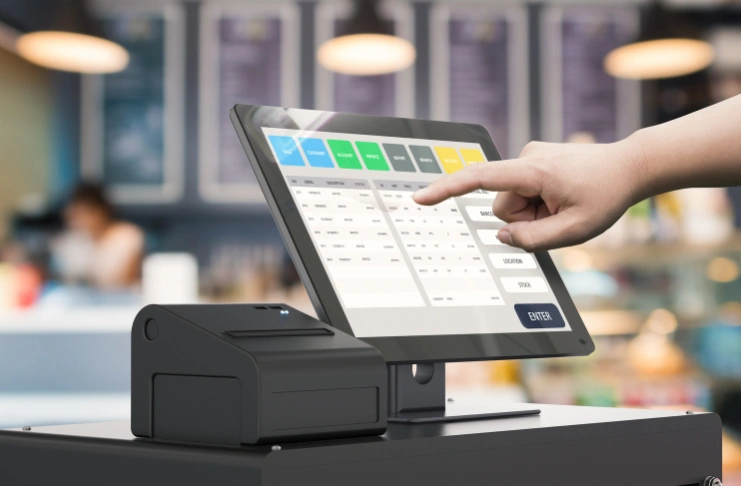
Restaurant automation delivers measurable cost savings across multiple areas of your operation.
Cut Labor Costs Strategically
Automation doesn’t replace staff – it makes them more productive. Focus on automating repetitive tasks that don’t require human judgment.
Automated scheduling systems consider employee availability, labor laws, and projected sales volume to create optimal schedules. This helps reduce labor costs while maintaining service quality.
To do: Track your current labor cost percentage. Most restaurants should aim for 28-32% of total revenue.
Back-of-house automation handles inventory tracking, order routing, and compliance monitoring, freeing managers to focus on staff development and customer service.
Minimize Food Waste
Inventory management systems dramatically reduce food waste by tracking expiration dates, monitoring usage patterns, and preventing over-ordering.
Calculate your current food waste percentage. The average restaurant wastes 4-10% of food purchases. Automation can cut this in half.
Automated food safety systems monitor temperature controls and maintain compliance records, protecting your customers and your business from violations.
Streamline Operations for Maximum Efficiency
Management systems that integrate point of sale, inventory, scheduling, and customer data eliminate double data entry and reduce errors.
When all systems communicate, you get real-time visibility into every aspect of your restaurant business.
To do: List all the systems you currently use. If they don’t share data automatically, you’re wasting time and creating opportunities for errors.
How Can Advanced Automation Drive Future Growth?

Stay ahead of the competition by implementing cutting-edge restaurant technology that positions your business for long-term success.
Artificial Intelligence Integration
Artificial intelligence analyzes customer behavior patterns to optimize menu pricing, predict demand, and personalize marketing strategies.
95% of restaurant operators already use some form of AI, from predictive inventory management to automated customer service chatbots.
Start with AI-powered demand forecasting to optimize inventory ordering and staff scheduling.
Voice-activated ordering systems and chatbots handle customer inquiries 24/7, improving customer service while reducing staff workload.
Data Analytics for Smarter Decisions
Data analytics tools reveal patterns in customer behavior, operational performance, and sales trends, enabling you to make smarter, data-driven decisions.
Track customer preferences to optimize menu offerings. Analyze sales data to identify peak periods and adjust staffing accordingly.
Choose one metric to track consistently – average order value, overall customer satisfaction, or inventory turnover. Use this valuable data to guide operational improvements.
Real-time dashboards help managers spot problems immediately and adjust kitchen operations on the fly.
Payment Systems Integration
Modern payment systems accept everything from traditional credit cards to mobile payments and digital wallets, processing transactions faster with fewer errors.
Integration with your pos system means every payment automatically updates sales reports and inventory counts. No end-of-day reconciliation needed.
Calculate how much time you spend reconciling different payment systems. Integrated solutions eliminate this task entirely.
How Can You Measure Your Automation Success?

Track the right metrics to ensure your restaurant automation investments deliver expected returns.
Monitor Key Performance Indicators
Track performance indicators that have a clear effect on profitability: average order processing time, inventory turnover rates, customer satisfaction scores, and labor cost percentages.
Establish baseline measurements before implementing automation, then track improvements monthly.
Customer-focused metrics matter too. Monitor repeat visit rates, average order values, and online review scores to understand how automation impacts customer experience.
Calculate Return on Investment
Most restaurant automation systems provide measurable returns within the first year through reduced operational costs and increased efficiency.
Don’t forget indirect benefits like reduced manager stress, improved employee satisfaction, and better decision-making through access to real-time data.
Create a simple spreadsheet tracking automation costs versus measurable savings. Update it monthly to see the cumulative impact.
Plan for Growth and Scalability
Select technology that can expand as your restaurant grows. Cloud-based solutions typically scale more easily than on-premise systems.
Consider future locations, menu changes, and operational expansions when selecting automation tools. The goal is to build a technology foundation that supports long-term growth.
Before purchasing any system, ask vendors about scalability options and additional location licensing costs.
What Common Implementation Mistakes Should You Avoid At Any Cost?

Learn from others’ mistakes to ensure your automation project succeeds.
Don’t Automate Everything at Once
The biggest mistake restaurant owners make is trying to implement too many systems simultaneously. This overwhelms staff and creates operational chaos.
To do: Create a 12-month implementation timeline. Focus on one major system per quarter, allowing time for staff training and optimization.
Master each system before adding the next. Success with initial automation builds confidence for broader implementation.
Avoid Systems That Don’t Integrate
Standalone systems create more work, not less. Your POS system should integrate with inventory management, kitchen displays should connect to online ordering, and customer data should flow between all systems.
Before purchasing any automation tool, verify integration capabilities with your existing systems.
Research vendors thoroughly and choose comprehensive platforms when possible. Sometimes, paying more upfront for integrated solutions saves money in the long term.
Don’t Skimp on Staff Training
Even the most intuitive systems require proper training. Budget time and money for comprehensive staff education.
Create simple procedures for common tasks and establish ongoing support systems. Designate tech-savvy team members as system champions who help others troubleshoot issues.
Plan two weeks of intensive training for any major system implementation. Include hands-on practice and troubleshooting scenarios.
What Should be Your Next Steps to Restaurant Automation?
The benefits of restaurant automation are many, and it’s no surprise that you’ll want to implement it ASAP. Still, you need an action plan:
Week 1: Assessment and Planning
Document your current operational challenges. Track time spent on manual tasks, identify error-prone processes, and calculate current costs.
Spend one day shadowing each role in your restaurant. Note every manual task that could potentially be automated.
Research automation solutions that address your top three operational challenges. Request demos and speak with current users.
Week 2-4: System Selection and Implementation
Choose one automation system that addresses your biggest pain point. Focus on quick wins that demonstrate clear value.
Implement your first automation system within 30 days. Start with something simple like online ordering or automated scheduling.
Train your team thoroughly and monitor results closely. Use early success to build support for additional automation.
Month 2-3: Expansion and Optimization
Once your first system is running smoothly, identify the next automation opportunity. Build on your success systematically.
Survey your staff about the impact of your first automation system. Use their feedback to guide your next implementation.
Continue monitoring key metrics and adjusting processes based on real performance data.
Conclusion
The restaurant industry continues to evolve rapidly. Restaurants that embrace automation now will have significant advantages over those who wait.
Take action this week. Choose one automation tool that addresses your biggest challenge and start your transformation today.
Frequently Asked Questions
1. What are some examples of automation tools?
Common automation tools include POS systems, kitchen display systems, inventory management software, online ordering platforms, self-service kiosks, and automated scheduling systems that handle repetitive tasks automatically.
2. How do I automate my restaurant?
Start by identifying your biggest operational challenges, choose one automation tool that addresses that specific problem, train your staff thoroughly, then gradually expand to additional systems as you see measurable results.
3. How does McDonald’s use automation?
McDonald’s uses self-service kiosks for faster ordering, automated kitchen equipment for consistent food preparation, mobile app integration, and AI-powered systems across all operations to reduce labor costs and improve customer experience.
4. What tool helps restaurants manage operations and connect with customers?
Restaurant management platforms combine POS systems, inventory tracking, customer relationship management, and online ordering in one integrated solution for complete operational control and customer engagement.