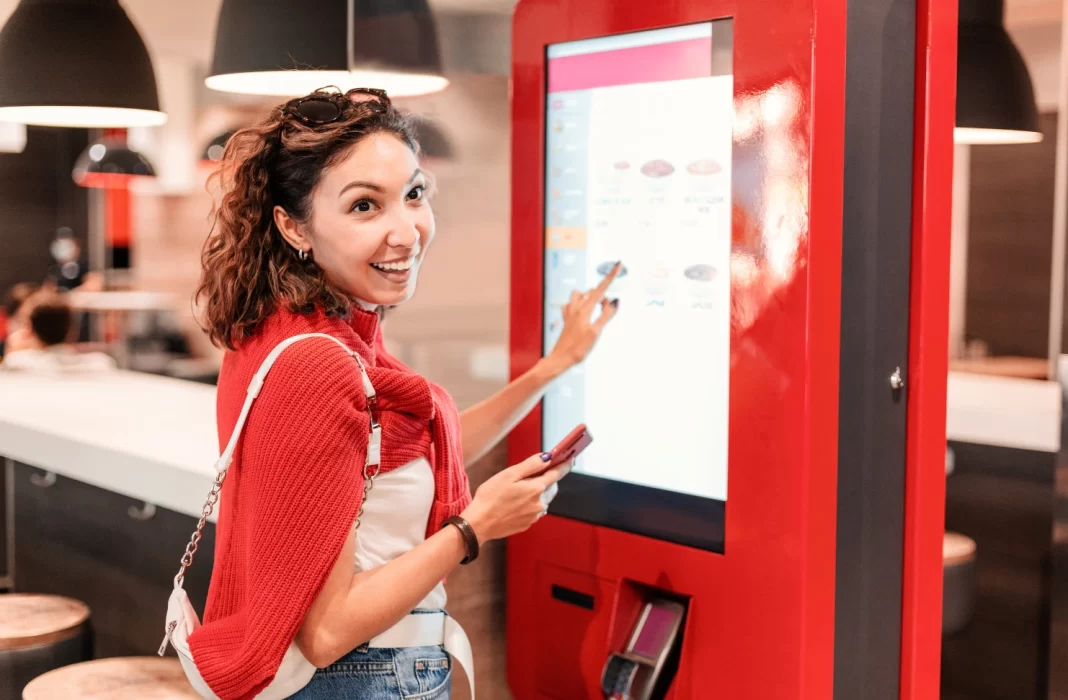

Singapore’s restaurant industry is setting a global example for how self-service kiosks can transform the dining experience. These automated ordering systems are reshaping how customers interact with restaurants, resulting in faster service and improved operational efficiency.
In fact, most restaurants here have adopted self-ordering kiosks as more than just a trend. They’re using these service kiosks to solve real problems: long wait times, order accuracy issues, and labor costs.
The results speak for themselves, with many restaurants reporting improved customer satisfaction and increased sales after installation.
What’s Driving the Boom of Self-Service Kiosks in Singapore Restaurants?
Singapore restaurants face unique challenges that make self-service kiosks particularly attractive. High labour costs, limited space, and demanding customers create perfect conditions for automation. These service kiosks address multiple pain points simultaneously.
The ordering process becomes streamlined when customers can browse the entire menu at their own pace. They can customize their orders without feeling rushed, leading to higher order accuracy and fewer complaints.
This way, staff members can also focus on what’s really important – food preparation and customer service – instead of taking orders.
Self-ordering technology also helps during peak hours when traditional ordering systems struggle. Customers don’t need to wait in long lines, and restaurants can process more orders with fewer employees. This efficiency boost translates directly into improved guest satisfaction and higher revenue.
How Do Self-Service Kiosks Improve Customer Experience?
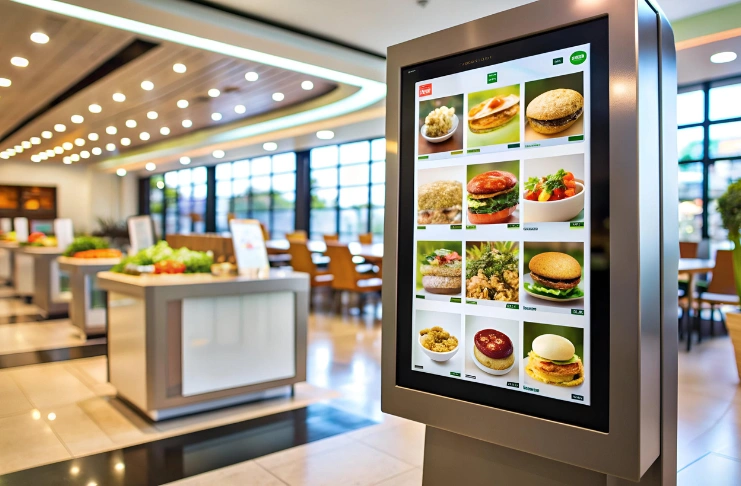
The customer experience transforms when restaurants implement self-service options properly. Customers gain greater control over their dining experience, from customizing orders to managing payment timing and preferences.
Visual menu displays on ordering kiosks help customers make informed decisions. They can see detailed images, nutritional information, and pricing clearly.
Add-ons become more visible, often leading to higher average order values as customers discover menu items they might have missed otherwise.
Payment options expand significantly with kiosks. Customers can use mobile payments, credit cards, or cash, depending on their preferences. This flexibility reduces friction in the ordering process and accommodates diverse customer behavior patterns.
What Types of Restaurants Benefit Most from Self-Service Kiosks?
Quick-service restaurants see the most immediate benefits from self-service kiosks. These establishments already operate at a high speed and efficiency, making kiosks a natural fit. Fast food chains, casual dining spots, and food courts all report significant improvements after implementation.
Full-service restaurants can also benefit, though the implementation strategy differs. These establishments utilize kiosks for specific functions, such as ordering drinks, desserts, or appetizers, while maintaining human interaction for the main dining experience.
Modern restaurants with high foot traffic find kiosks particularly valuable. The technology helps manage crowds during busy periods while maintaining service quality. Restaurant customers appreciate the consistency and reliability of automated ordering systems.
INDUSTRY INSIGHT
| The global self-service kiosk market revenue amounted to USD 32.51 billion in 2024 and is projected to hit USD 56.01 billion by 2033, growing at a CAGR of 6.23%. This explosive growth reflects the technology’s proven effectiveness across industries. According to a study conducted by Tillster, 65% of consumers would visit a restaurant more often if the establishment had self-ordering kiosks. In comparison, 30% prefer ordering from a self-ordering kiosk over a cashier if the lines are of equal length. These statistics demonstrate that kiosks not only improve operations but also entice customers to visit more frequently. |
How Much Do Self-Service Kiosks Cost, and What’s the ROI?
Restaurant kiosks represent a significant upfront investment, but the return comes quickly.
Basic self-ordering kiosks start around $2,000 per unit, while more advanced models can cost $10,000 or more. The integrated system requirements add to the initial cost but provide long-term value.
Labor costs represent the biggest savings opportunity. Fewer employees are needed for order-taking, allowing restaurants to redeploy staff to other tasks that improve service quality. Many restaurants report saving money within six months of installation.
The cost-effective solution becomes even more attractive when considering the potential for increased sales. Kiosks typically boost sales by 12-20% through better upselling, reduced human error, and faster service. These revenue increases help offset the initial investment quickly.
What Are the Key Features That Make Kiosks Successful?
A user-friendly interface is essential for kiosk success. Customers should be able to navigate the system intuitively without assistance. Clear graphics, logical menu organization, and simple payment flows reduce confusion and improve adoption rates.
Menu options should be comprehensive yet not overwhelming. Successful kiosks display popular items prominently while making the whole menu accessible through easy navigation. High-resolution images and descriptions enable customers to make better choices.
Payment integration matters significantly. Kiosks should accept multiple payment options, including contactless payments, which 29% of consumers prefer. This flexibility accommodates different customer preferences and reduces transaction friction.
How Do Kiosks Handle Peak Hours and High Volume?
Peak hours pose the biggest test for any ordering system. Self-service kiosks excel during these busy periods by processing multiple orders simultaneously. Unlike human cashiers, kiosks don’t get overwhelmed or make mistakes under pressure.
Wait times decrease dramatically when restaurants deploy enough kiosks to handle demand. The key is having sufficient units to prevent bottlenecks while maintaining an efficient flow. Most successful implementations use one kiosk per 30-50 peak-hour customers.
What Challenges Do Restaurants Face When Implementing Kiosks?
Some guests prefer human interaction and resist the use of self-service technology. Successful restaurants address this by maintaining hybrid systems that offer both options.
Staff training becomes crucial during the transition period. Employees need to learn how to assist customers with kiosk operations while continuing to manage their traditional responsibilities. This training investment pays dividends in customer satisfaction.
Technical issues can disrupt service if not properly managed. Restaurants need reliable internet connections, regular maintenance schedules, and backup systems to prevent downtime. The integrated system approach helps minimize these technical risks.
How Are Singapore Restaurants Customizing Kiosks for Local Preferences?
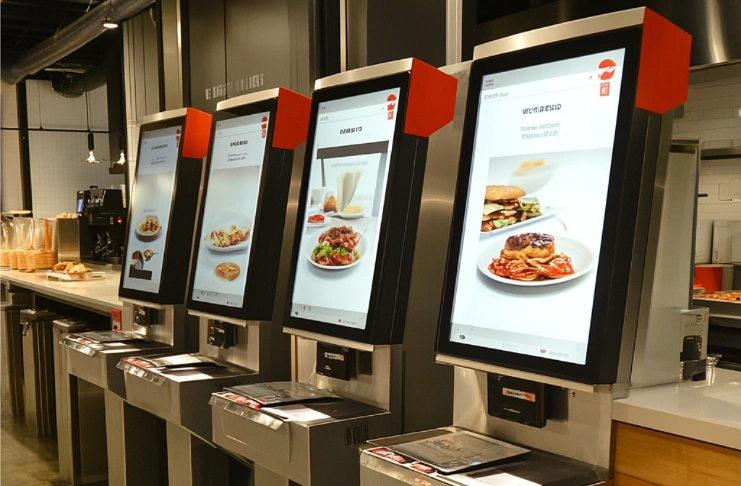
Singapore restaurants tailor their kiosks to match local customer behavior patterns. Multi-language support accommodates a diverse population, while payment options reflect local preferences for digital wallets and contactless transactions.
Menu customization features enable users to accommodate dietary restrictions and cultural preferences. Halal options, vegetarian choices, and spice levels can be marked and easily selected. This attention to detail significantly enhances the customer experience.
Local partnerships with payment providers ensure smooth transactions. Integration with popular mobile payment apps makes the ordering process seamless for regular customers while attracting new ones who prefer these payment methods.
What Does the Future Hold for Restaurant Automation?
The dining experience will continue evolving as technology advances. Artificial intelligence integration will enable kiosks to learn customer preferences and make personalized recommendations. This evolution will create even stronger feelings and deeper customer loyalty.
Retail stores are already experimenting with advanced kiosk features that restaurants will likely adopt soon. Voice ordering, facial recognition, and predictive analytics will become standard features in the coming years.
The integration between online ordering and in-store kiosks will deepen. More customers will be able to start orders on their phones and complete them at kiosks, or vice versa. This seamless experience will set new standards for customer convenience.
How Can Restaurants Maximize Their Kiosk Investment?
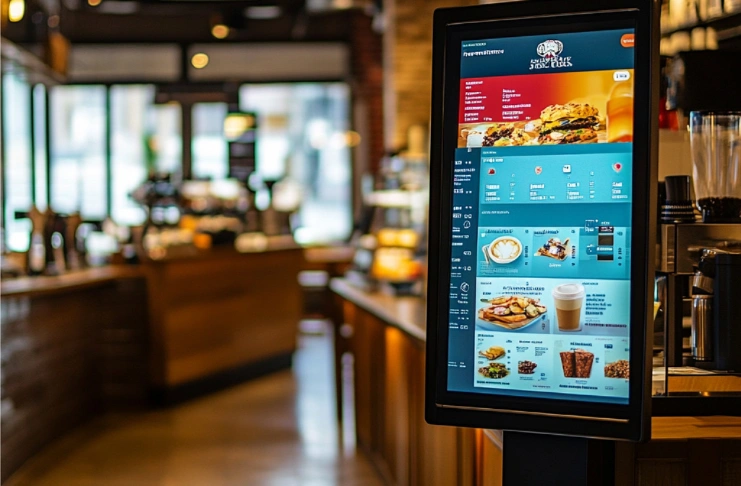
Position your kiosk units where they’re easily visible but don’t create crowding. The flow should guide customers naturally toward kiosks without forcing the interaction.
Staff training programs should emphasize customer assistance rather than replacement. Employees become kiosk ambassadors, helping hesitant customers and ensuring smooth operations. This approach maintains the human touch while embracing automation.
Regular performance monitoring helps optimize the effectiveness of kiosks. Track key metrics such as usage rates, order accuracy, and customer feedback. Use this data to refine menu layouts, adjust pricing strategies, and improve the overall experience.
Data analytics from kiosks provides valuable insights into customer preferences and behavior. Use this information to optimize menu offerings, adjust staffing levels, and plan marketing campaigns.
The hassle-free experience customers enjoy generates valuable business intelligence.
Conclusion
Self-service kiosks in Singapore restaurants demonstrate how thoughtful automation can revolutionize the food service industry. These systems improve customer satisfaction while reducing operational costs and increasing revenue. The key lies in implementing kiosks as part of a comprehensive strategy that enhances rather than replaces human services.
Frequently Asked Questions
1. What is a self order kiosk in a restaurant?
A self-order kiosk is a digital terminal that allows customers to browse menus, customize orders, and make payments without interacting with staff. It streamlines the ordering process and reduces wait times.
2. How much does a self check-in kiosk cost?
Basic restaurant kiosks start around $3,000, while advanced models can cost $8,000 or more. The total investment includes software, integration, and installation costs.
3. What is the difference between a kiosk and a POS system?
A POS system processes transactions for staff use, while kiosks are customer-facing terminals. Kiosks often integrate with POS systems to complete the ordering workflow.
4. What is an example of a self-service kiosk?
McDonald’s ordering kiosks are common examples, allowing customers to customize burgers, select sides, and pay digitally. Many coffee shops also use similar systems for drink customization.
5. Is restaurant business profitable in Singapore?
Restaurant profitability in Singapore is influenced by location, concept, and execution. High rental costs and labor expenses make efficiency crucial for success.
6. How much does it cost to open a restaurant in Singapore?
You’ll need an initial investment of somewhere between $100,000 and $500,000. The total amount depends on the size, location, and your restaurant concept.
7. Which restaurant uses robots?
Various Singapore restaurants use robots for food delivery, cleaning, and food preparation. Pizza Hut, Swissotel, and several local establishments have implemented robotic systems.
8. How do I automate my restaurant?
Start with self-service kiosks for ordering, then consider automated payment systems, inventory management software, and kitchen display systems. Implement gradually to ensure smooth transitions.
9. What are the benefits of self order kiosks?
Self-order kiosks reduce wait times, improve order accuracy, increase average order values, and free up staff for other tasks. They also provide valuable customer data.
10. What are the benefits of self checkout kiosk?
Self-checkout kiosks speed up the payment process, reduce labor costs, and give customers more control over their shopping experience. They’re particularly effective during peak hours.
11. What are the benefits of kiosk mode?
Kiosk mode restricts device functionality to specific applications, ensuring security and preventing misuse. It creates a focused user experience while protecting system integrity.
12. What are the advantages of self-service to customers?
Self-service offers faster service, greater control over orders, reduced social anxiety, and the ability to make time-making decisions. It also typically provides more accurate orders.