

The food service industry stands at a crossroads. With the restaurant industry generating over 11 million tons of plastic waste annually, restaurant owners, food truck operators, and catering businesses are urgently seeking sustainable alternatives. Enter edible spoons and edible cutlery, a revolutionary solution that’s transforming how we think about dining utensils.
This blog examines the comprehensive benefits of edible cutlery for food service businesses, ranging from reduced environmental impact to enhanced customer experiences. We’ll examine how these innovative utensils can boost your brand’s sustainability credentials while delivering practical operational advantages and improved profitability.
What Are Edible Spoons and Why Your Business Needs Them
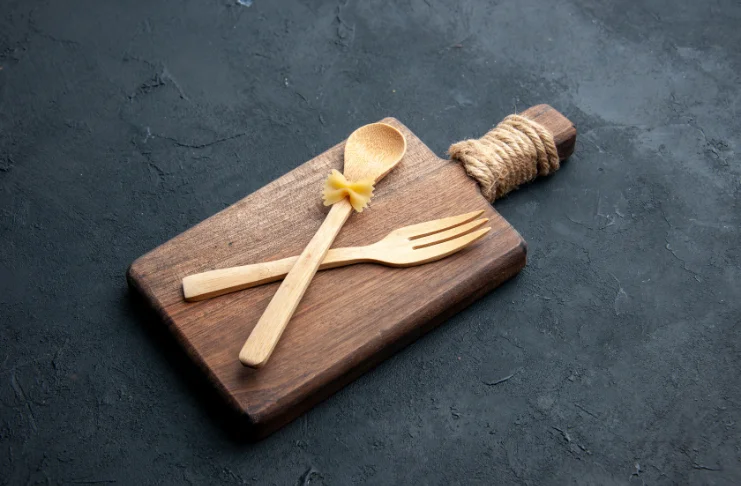
Edible spoons represent a groundbreaking shift in sustainable tableware. These innovative utensils are crafted from natural ingredients like wheat flour, rice flour, and millet flour, offering a practical solution to plastic pollution while enhancing your customers’ dining experience. Unlike traditional plastic spoons, edible utensils serve dual purposes as both functional tools and consumable treats.
INDUSTRY INSIGHTS
| The edible cutlery market is experiencing remarkable growth, with the global edible cutlery market size valued at $37.7 million in 2024 and estimated to reach $76.9 million by 2033. This surge indicates that environmentally conscious consumers and forward-thinking businesses are embracing these sustainable alternatives to single-use plastic cutlery. |
Understanding Edible Cutlery Products and Their Composition
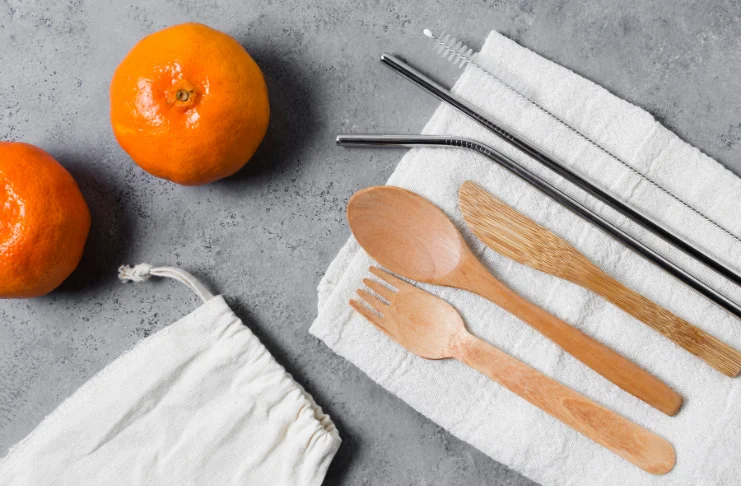
Edible cutlery refers to utensils manufactured from safe-to-eat ingredients that break down naturally in the environment. The most common base materials include wheat flour, rice flour, sorghum, and various grains combined with natural binding agents. These raw materials are processed to create durable yet edible utensils that maintain their structural integrity throughout your meal service.
Biodegradable edible cutlery offers superior functionality compared to traditional plastic counterparts. The manufacturing process ensures these utensils can withstand both hot and cold foods without compromising their form or taste. Many edible cutlery products feature diverse flavors ranging from neutral grains to herb-infused varieties, adding an unexpected element to the dining experience.
The shelf life of edible spoons typically extends 211 days when stored properly, making them practical for restaurant inventory management. Unlike plastic utensils that persist in landfills for centuries, edible alternatives decompose within days when discarded, creating zero long-term environmental impact.
The Environmental Benefits That Transform Your Brand Image
Restaurant owners implementing edible cutlery witness immediate environmental benefits. Traditional plastic cutlery contributes significantly to marine pollution, with 44% of 12 million pieces of plastic collected from oceans linked to take-out food products. By switching to edible alternatives, your establishment eliminates this contribution entirely.
Edible utensils reduce greenhouse gas emissions throughout their lifecycle. The production process requires less energy than plastic manufacturing, while the agricultural source materials actually absorb carbon dioxide during growth. This creates a net positive environmental impact that resonates with eco-conscious consumers.
Waste management becomes simplified with edible cutlery. These utensils either get consumed during the meal or decompose naturally within weeks, eliminating the need for complex recycling processes. This streamlines your restaurant’s waste management protocols while reducing disposal costs.
The carbon footprint of edible spoons is substantially lower than that of plastic ones. Manufacturing edible cutlery utilizes renewable agricultural resources rather than fossil fuels, contributing to a circular economy that supports sustainable living practices.
Diverse Flavors That Enhance Your Menu Offerings

Modern edible cutlery products offer an impressive range of taste profiles that complement various cuisines. Plain varieties provide neutral flavoring that won’t interfere with your dishes, while seasoned options add subtle enhancement to the overall meal experience. Popular flavor combinations include herbs, spices, and even sweet profiles for dessert applications.
Food trucks specializing in ethnic cuisines find flavored edible spoons particularly valuable. Indian restaurants might offer cumin-spiced spoons, while Italian establishments could feature basil-infused utensils. These flavor pairings create memorable dining experiences that encourage customer loyalty and social media sharing.
Ice cream shops and dessert vendors benefit significantly from sweet-flavored edible spoons. Vanilla, chocolate, and cinnamon varieties complement frozen treats while eliminating waste. Customers often purchase additional servings specifically to enjoy more of the edible utensils, thereby increasing the average transaction value.
The versatility of edible cutlery allows creative menu integration. Progressive chefs incorporate different spoon flavors as components of their dishes, creating Instagram-worthy presentations that generate organic marketing through customer photos and reviews.
Nutritional Benefits and Health Advantages
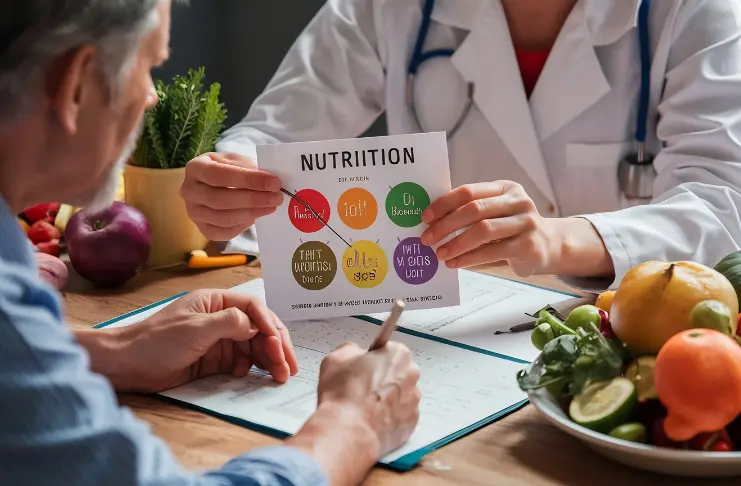
Edible cutlery provides genuine nutritional value beyond mere sustainability. Most varieties contain beneficial fiber, protein, and complex carbohydrates derived from their grain-based ingredients. This adds measurable nutrition to customer meals without additional cost or preparation time.
Unlike plastic cutlery that poses potential health risks through chemical leaching, edible spoons contain completely safe ingredients. Many formulations are gluten-free, accommodating customers with dietary restrictions while maintaining broad appeal across your customer base.
The natural ingredients used in edible cutlery production avoid harmful chemicals commonly found in plastic manufacturing. This eliminates concerns about microplastics or chemical contamination, particularly important for health-conscious diners and families with children.
Edible utensils support digestive health due to their high fiber content. Customers consuming these utensils receive beneficial prebiotics that support gut health, creating additional value beyond the primary meal purchase.
Practical Implementation for Restaurant Operations

Integrating edible cutlery into your restaurant operations requires minimal adjustments to existing procedures. Most edible cutlery stands function identically to traditional dispensers, maintaining efficient service flow during busy periods. Staff training involves simple storage guidelines and customer education talking points.
Cost analysis reveals that edible cutlery often provides superior value compared to premium biodegradable cutlery options. While initial per-unit costs may exceed basic plastic spoons, the marketing value, customer satisfaction, and regulatory compliance benefits justify the investment for most establishments.
Inventory management becomes straightforward when storage conditions are maintained properly. Edible cutlery products require dry storage, similar to other grain-based ingredients, and can be easily integrated into existing supply chain procedures. Most suppliers offer flexible ordering quantities, accommodating businesses from small cafes to large restaurant chains.
Customer acceptance rates consistently exceed expectations across diverse demographics. Initial curiosity drives trial, while positive taste experiences and environmental messaging foster repeat visits and recommendations.
Benefits of Edible Cutlery for Different Business Models

Quick-service restaurants greatly benefit from the implementation of edible cutlery. The novelty factor generates social media buzz while addressing growing consumer demands for sustainable practices. Nearly 1 trillion disposable food service products are used annually in the United States, representing a significant replacement opportunity for forward-thinking operators.
Catering businesses find edible utensils particularly valuable for outdoor events where waste collection proves challenging. These biodegradable alternatives eliminate post-event cleanup concerns while providing conversation starters that enhance client satisfaction and referral generation.
Fine dining establishments leverage edible cutlery as premium, sustainable positioning tools. The artisanal nature of quality edible spoons aligns perfectly with farm-to-table messaging and sophisticated environmental consciousness that characterizes upscale dining customers.
Corporate catering services are increasingly specifying edible cutlery for company events that align with sustainability initiatives. This business-to-business application provides steady demand while supporting client companies’ environmental goals and corporate social responsibility programs.
The Great Alternative to Plastic Use in Modern Dining
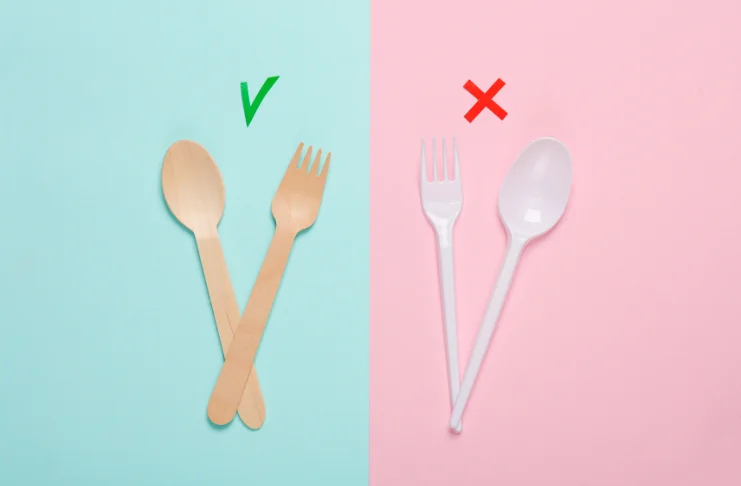
Edible spoons represent the most practical solution to regulatory pressures facing the food service industry. Many jurisdictions are implementing bans on single-use plastics, creating compliance requirements that traditional alternatives struggle to meet affordably. Edible cutlery exceeds these requirements while enhancing the customer experience.
The transition from plastic ones to edible alternatives supports broader industry transformation toward sustainability. Early adopters position themselves as industry leaders while building customer loyalty based on shared environmental values. This positioning becomes increasingly valuable as consumer consciousness continues evolving.
Market research indicates that environmentally friendly alternatives command premium pricing power. Customers are willing to pay modest increases for sustainable options, particularly when those options offer additional value through taste and novelty. This pricing flexibility improves profit margins while supporting operational improvements.
Supply chain reliability for edible cutlery continues improving as demand grows. Multiple manufacturers now offer consistent quality and delivery schedules, reducing the implementation risks that characterized early adoption phases.
Economic Impact and Return on Investment

The financial benefits of edible cutlery extend beyond simple unit cost comparisons. Customer retention rates improve measurably when restaurants demonstrate genuine environmental commitment through practical actions. Sustainable practices increase customer visit frequency by 15-20% among environmentally conscious demographics.
Marketing value represents a significant return on investment for the adoption of edible cutlery. Social media engagement rates increase substantially when customers share photos of unique edible utensils, providing free advertising that reaches targeted audiences. This organic promotion proves more effective than traditional marketing approaches for sustainability-focused messaging.
Regulatory compliance costs decrease with the implementation of edible cutlery. Avoiding penalties for plastic bans and simplifying waste management procedures reduces operational expenses while improving municipal relationships. These savings accumulate over time, improving overall profitability.
Staff satisfaction increases when employees take pride in their workplace’s environmental initiatives. This translates to reduced turnover costs and improved customer service quality, creating positive feedback loops that strengthen business performance.
Future of Sustainable Dining and Industry Leadership

The edible cutlery market’s trajectory indicates that current adoption represents a ground-floor opportunity for gaining a competitive advantage. The global biodegradable cutlery market size is projected to grow from $39.82 million in 2024 to $73.43 million by 2032, at a CAGR of 7.95%, suggesting sustained growth and mainstream acceptance.
Innovation continues to advance the capabilities of edible cutlery. Recent developments include temperature-resistant formulations, extended shelf-life options, and specialized designs tailored to specific cuisine types. These improvements address early adoption concerns while expanding the possibilities of the application.
Consumer education campaigns are helping to normalize the use of edible cutlery across various demographic segments. Younger customers drive initial adoption, but acceptance spreads rapidly as positive experiences accumulate. This trend suggests that edible alternatives will become standard rather than specialty options within the current decade.
Industry leadership positions often emerge from early adoption of sustainable practices. Restaurants implementing comprehensive sustainability programs, including edible cutlery, create brand differentiation that proves increasingly valuable as environmental consciousness becomes mainstream.
Conclusion
The transition to edible cutlery represents more than environmental responsibility; it demonstrates business innovation and customer-focused thinking that defines successful modern restaurants. As regulatory pressures increase and consumer expectations evolve, sustainable alternatives like edible spoons become competitive necessities rather than optional enhancements.
Your decision to implement edible cutlery positions your business at the forefront of industry transformation while providing immediate operational benefits. The combination of environmental impact reduction, customer satisfaction improvement, and marketing advantage creation makes edible spoons an incredible eats solution for forward-thinking food service operators.
The time for sustainable action is now. The rapid growth of the edible cutlery market demonstrates that this transition is inevitable. By choosing edible spoons today, you secure a competitive advantage while contributing to a healthier planet and a more sustainable food service industry.
Frequently Asked Questions
1. What are the benefits of edible spoons?
Edible spoons offer multiple advantages, including the complete elimination of plastic waste, enhanced dining experiences through diverse flavors, nutritional value addition, cost-effective sustainability compliance, and powerful marketing positioning. These utensils decompose naturally while providing functional performance equal to traditional alternatives.
2. What are the disadvantages of edible cutlery?
Primary disadvantages include slightly higher per-unit costs compared to basic plastic options, storage requirements similar to food ingredients, and potential flavor interactions with certain dishes. However, most restaurants find that these minor concerns are outweighed by the environmental benefits and improvements in customer satisfaction.
3. What are edible spoons made of?
Edible spoons are manufactured from natural ingredients, including wheat flour, rice flour, millet flour, sorghum, and other grains, combined with natural binding agents. These safe-to-eat ingredients create durable utensils that maintain structural integrity throughout meal service while providing nutritional value.
4. Can we eat edible spoons?
Yes, edible spoons are specifically designed for consumption and manufactured from completely safe food-grade ingredients. They provide nutritional benefits, including fiber, protein, and complex carbohydrates. Customers can either eat them during the meal or allow them to decompose naturally if discarded.