

The COVID-19 pandemic fundamentally transformed how people order and consume food, accelerating food delivery trends post pandemic. What began as a necessity during lockdowns has become a regular part of daily life for millions worldwide. Restaurants, grocery stores, and food businesses rapidly adapted to meet growing customer demands, embracing online ordering, social distancing, contactless delivery, and digital platforms. Mobile apps and delivery services became essential tools for reaching customers, while restaurant operators invested in technology, innovative business models, and delivery apps to stay competitive. Cloud kitchens and virtual brands also gained prominence, allowing many restaurants to expand offerings without significant costs. These changes have reshaped the restaurant industry, redefining how consumers interact with food retailers, convenience stores, and delivery platforms.
The shift toward online delivery was not entirely new, but the pandemic sped up adoption by several years. Many restaurants that previously relied on dine-in had to adopt third party delivery services and digital transformation. Innovations in contactless ordering, self service kiosks, delivery apps, and hybrid business models now prioritize convenience, safety and customer satisfaction, making understanding these food delivery trends post pandemic critical for restaurant owners, food businesses, and the wider food industry.
The Acceleration of Digital Transformation in Food Delivery

The COVID-19 pandemic accelerated digital adoption in the restaurant business. Restaurants pivoted from dine-in to online delivery services, following World Health Organization guidelines, embracing technology to meet changing customer demands.
The Rise of Contactless Ordering Systems
Contactless ordering has become a key component of the food delivery trends post pandemic. Factors driving this shift are:
- Customers can place orders through a delivery app, a website, or a self service kiosk without human contact
- Restaurants have adopted QR code menus and table-side ordering systems for safer, convenient dining
- Digital wallets and integrated payment systems make transactions faster and more secure
This trend not only enhances customer convenience but also boosts operational efficiency for restaurant operators..
Mobile Apps Dominating the Delivery Experience
Mobile apps have become central to the evolution of the food delivery industry post pandemic. Key aspects shaping this trend are:
- Major platforms like Uber Eats provide intuitive interfaces, real-time tracking, and personalized recommendations
- Customers can access multiple restaurants and order seamlessly, changing consumer habits
- Features such as scheduled ordering, group orders, and loyalty programs enhance convenience and engagement
Mobile-first experiences are now a standard expectation for many customers and a critical strategy for restaurant operators.
INDUSTRY INSIGHT
| According to recent market research, the U.S. online food delivery market has moved beyond its pandemic-driven boom and entered a phase of sustained, mature growth. Valued at approximately US $31.9 billion in 2024, the market is projected to nearly double to US $74 billion by 2033, reflecting a healthy compound annual growth rate (CAGR) of around 9.3%. The U.S. online food-delivery market is no longer simply a pandemic-spike phenomenon; it is firmly in a mature growth phase, with delivery platforms evolving into full-service logistics and convenience ecosystems. |
The Evolution of Restaurant Business Models
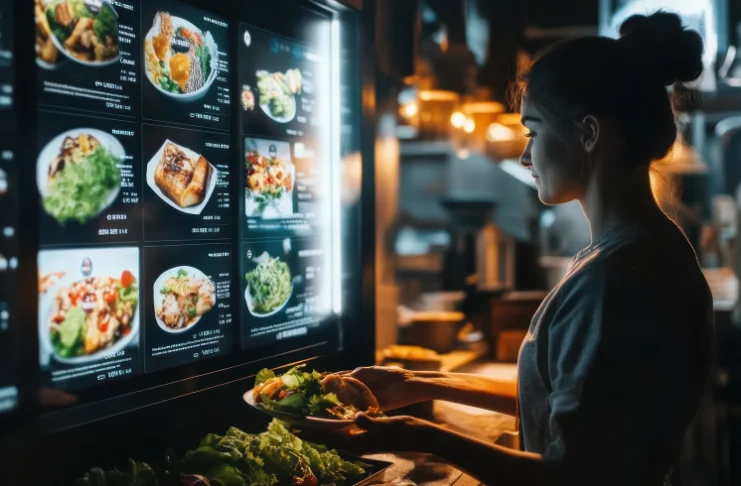
The restaurant industry adapted to changing customer demands by adopting hybrid models combining dine-in, takeout, and delivery service, investing in kitchen capacity, packaging, and partnerships with third-party delivery services.
The Emergence of Virtual Brands and Cloud Kitchens
Virtual brands have emerged as a major innovation in food delivery trends post pandemic. Key elements driving their growth are:
- They operate exclusively for delivery from existing restaurants or cloud kitchens, minimizing overhead costs
- Restaurants can experiment with new cuisines and concepts at low financial risk
- Cloud kitchens optimize delivery operations in urban centers, reducing costs while maintaining quality
This model is reshaping the food delivery industry and offering restaurant owners new opportunities for growth.
Adapting Traditional Restaurants to Delivery-First Operations
Existing restaurants have adapted their operations to meet the evolving demands of delivery service. Approximately 75% of restaurant orders come from drive-thru, takeout or pickup options rather than in-person dining. Key strategies they employ are:
- Establishing separate prep stations or dedicated kitchen spaces to manage delivery orders efficiently
- Optimizing menus for delivery by selecting dishes that maintain temperature, texture, and presentation
- Offering delivery-specific menus to ensure consistent quality and enhance customer satisfaction
These operational changes help restaurants balance dine-in experiences with the growing expectations of online ordering.
Expansion Beyond Restaurant Food Delivery
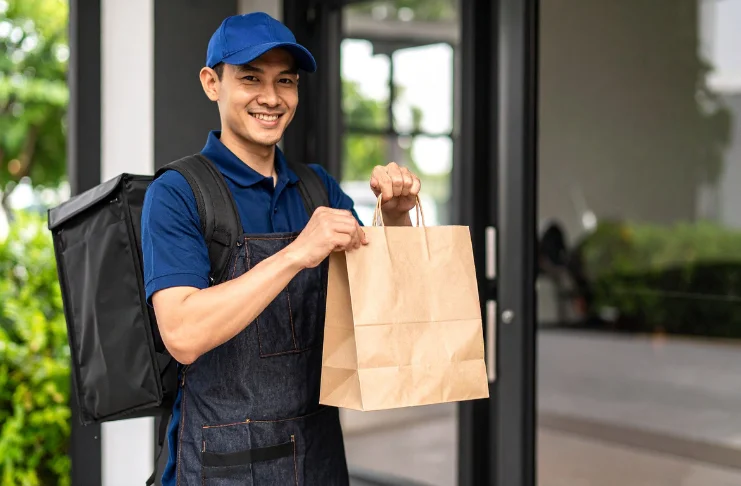
The rise of restaurant delivery spurred grocery delivery growth. Stores have rapidly built online infrastructure, and many consumers use grocery delivery for convenience, shaping the evolving food delivery industry.
Grocery Delivery Becoming Mainstream
Grocery stores and specialty food retailers are increasingly expanding into online delivery services. 6.6% of Americans now use Uber Eats to buy groceries and household items. DoorDash, which is also trying to break into the grocery delivery market has persuaded 7.8% of Americans to try this service. Key developments in this trend are:
- Sophisticated logistics systems manage fresh produce, frozen items, and pantry staples for timely delivery
- Same-day and one-hour delivery options meet customer expectations for convenience and freshness
- Integration with meal kits and prepared foods allows customers to order ingredients and ready-to-eat meals in a single transaction
This shift is redefining the food system, making grocery and restaurant offerings more accessible through digital platforms.
Meal Kits and Prepared Food Options
Meal kits have seen a surge in popularity during the COVID-19 pandemic, becoming a key part of food delivery trends post-pandemic. Factors contributing to their growth are:
- Companies like Blue Apron and Simply Cook offer pre-portioned ingredients and easy-to-follow recipes for convenient home cooking
- Specialized meal kits cater to dietary preferences and various cuisines, appealing to diverse customer demands
- Restaurants and food businesses provide signature dishes as meal kits, expanding their restaurant delivery offerings
This trend strengthens the connection between restaurant operators and customers while promoting home cooking and a better understanding of ingredients.
Technology-Driven Innovations in Delivery Service
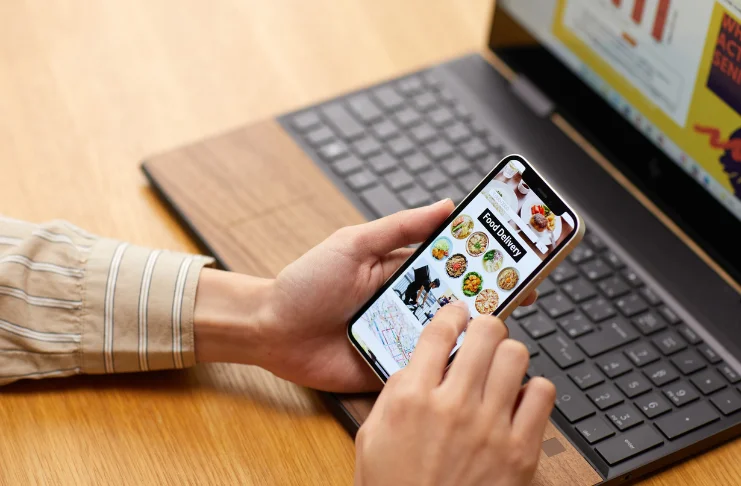
Technology drives innovation in the food delivery industry, from AI-optimized routes to autonomous vehicles and drones, enhancing efficiency, reducing costs, and improving the delivery experience while distinguishing leading delivery platforms.
Automation and Artificial Intelligence
Automation is reshaping the food delivery industry post pandemic by enhancing efficiency and customer experience. Key advancements include:
- AI-powered chatbots manage routine customer inquiries, allowing restaurant operators to focus on complex issues
- Predictive algorithms help restaurants anticipate demand, optimize inventory, and reduce food waste
- Machine learning-driven route optimization improves delivery efficiency, reduces fuel costs, and ensures fresher food for customers
These innovations are elevating the delivery experience while supporting sustainability goals for many platforms.
The Future of Autonomous Delivery
Autonomous delivery vehicles and drones are emerging innovations in food delivery trends post-pandemic. Key developments in this area are:
- Companies are testing semi-autonomous and fully autonomous systems in controlled environments like college campuses and corporate parks
- These technologies aim to address labor shortages and reduce operational costs for delivery services
- Pilot programs are gathering data while regulatory challenges and public acceptance continue to shape adoption timelines
Although widespread autonomous delivery is still years away, these advancements signal a major shift in the future of the food delivery industry.
Sustainability and Environmental Consciousness

Environmental concerns are shaping the food delivery industry. Packaging waste, carbon emissions, and sustainability now influence customer choices, prompting restaurants and delivery platforms to adopt eco-friendly practices across operations and delivery services.
Sustainable Packaging Solutions
Sustainable packaging has become an important focus in food delivery trends post-pandemic. Key initiatives addressing this concern are:
- Restaurants and delivery platforms are adopting compostable containers, recyclable materials, and reusable packaging programs
- Plastic utensils and single-use condiments are minimized unless requested by customers
- Plant-based packaging and partnerships with environmental organizations help reduce the carbon footprint of the delivery service
These efforts allow food businesses to meet customer demands while promoting environmental responsibility in the food delivery industry.
Carbon-Neutral Delivery Initiatives
Delivery platforms are increasingly prioritizing sustainability as part of food delivery trends post-pandemic. Key strategies being implemented are:
- Incorporating electric vehicles and bicycles into delivery fleets, especially in urban centers
- Offering customers eco-friendly delivery options that may take slightly longer but appeal to environmentally conscious consumers
- Consolidating delivery orders and providing curbside pickup to reduce trips, costs, and emissions
These initiatives show that integrating sustainability into delivery services is becoming essential for modern food businesses.
The Role of Data and Personalization

Data analytics drives the food delivery industry, using customer information and ordering patterns to provide personalized recommendations, targeted promotions, and improved operational efficiency, enhancing customer satisfaction and supporting restaurant partners’ growth.
Personalized Recommendations and Marketing
Personalization has become a key driver in food delivery trends post-pandemic. Main approaches shaping this trend are:
- Sophisticated algorithms suggest restaurants and menu items based on previous orders, browsing history, and external factors
- Being featured in personalized recommendations boosts restaurant visibility and increases delivery orders
- Loyalty programs leverage customer data to provide tailored rewards and promotions, enhancing customer satisfaction
These strategies help food businesses strengthen customer relationships while improving the overall delivery experience.
Insights for Restaurant Operators
Data analytics has become a powerful tool in food delivery trends post-pandemic. Key benefits for restaurants are:
- Delivery platforms provide insights into popular menu items, peak ordering times, and customer feedback trends
- Aggregated data helps restaurant operators compare performance with competitors and identify improvement areas
- Real-time tracking of ratings and reviews allows quick responses, enhancing customer satisfaction
Leveraging this data-driven approach enables food businesses to make informed decisions and stay competitive in the evolving delivery industry.
Changing Consumer Habits and Expectations

The pandemic changed consumer habits, making online food ordering a regular convenience. Customers now expect fast, high-quality delivery with variety, reshaping how food businesses and restaurants compete.
The New Normal of Convenience
Convenience is now a major factor driving food delivery trends post-pandemic. Key elements enhancing this convenience are:
- Customers save time by accessing multiple restaurants and diverse cuisines through a single app
- Delivery has become integrated into daily routines, particularly for lunch and dinner
- Ordering friction is minimized with mobile apps, making delivery a default choice rather than a special occasion
This shift has fundamentally transformed consumer habits and reshaped the restaurant industry landscape.
Quality and Experience Expectations
Quality remains a critical factor in food delivery trends post-pandemic, strongly influencing customer loyalty and overall satisfaction. Key aspects ensuring high standards are:
- Orders must arrive on time, at the right temperature, and with presentation that accurately reflects the restaurant’s brand and attention to detail
- Restaurants invest in specialized packaging, staff training, and process optimization to consistently maintain food quality during delivery
- Clear communication, accurate delivery estimates, and responsive customer service enhance the overall delivery experience and reinforce trust between customers and food businesses
Maintaining high-quality delivery not only helps food businesses build trust and credibility but also allows restaurants and delivery platforms to differentiate themselves in an increasingly competitive and rapidly evolving food delivery industry.
Economic Impact and Business Viability

The economics of food delivery are challenging. Delivery platforms drive growth, but profitability is difficult. High technology costs, driver reliance, and third-party service commissions pressure restaurant owners and delivery service margins.
Commission Structures and Restaurant Profitability
Third-party delivery services have created both opportunities and challenges for restaurants in the food delivery industry post-pandemic. Key economic considerations include:
- High commission rates per order can significantly impact restaurant profitability, particularly for establishments with thin margins
- Many restaurants are exploring alternative strategies, such as negotiating flexible partnerships with multiple delivery platforms or establishing their own delivery operations to reduce reliance on third-party services
- Local regulations in some cities, including caps on platform fees, help food businesses remain cost-effective while continuing to meet customer demands
Finding a sustainable balance between platform value, operational costs, and customer satisfaction is essential for restaurants, restaurant owners, and food businesses to thrive in today’s competitive delivery service landscape.
The Path to Profitability for Delivery Platforms
Many delivery platforms continue to operate at a loss despite significant revenue growth in the food delivery industry post-pandemic. Key factors shaping their strategies are:
- Focusing on market share and customer acquisition has led to high spending on promotions, marketing strategies, and driver incentives
- Diversification into advertising, subscription services, and grocery delivery aims to create new revenue streams
- Platforms explore loyalty programs and financial services to generate recurring revenue and improve unit economics
Sustainable business models are crucial for long-term viability, benefiting both delivery platforms and restaurant partners.
The Human Element in a Digital Industry
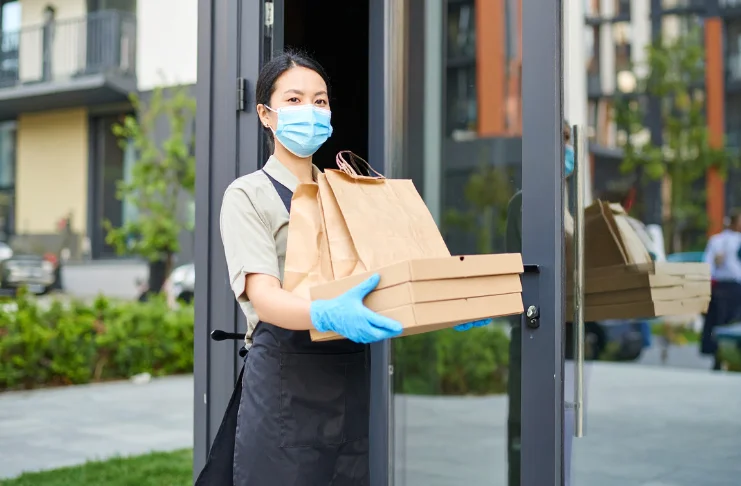
Despite automation, the food delivery industry relies on people. Delivery drivers, restaurant staff, and customer service teams are essential, with gig economy dynamics raising discussions on worker rights, compensation, and labor practices.
The Lives of Delivery Drivers
Delivery drivers are a critical component of the food delivery industry post-pandemic, supporting both restaurants and delivery platforms. Key aspects of their role are:
- Drivers navigate traffic, manage multiple delivery orders, and ensure food quality reaches customers on time
- Most work as independent contractors, offering flexibility but often lacking benefits and consistent income
- The COVID-19 pandemic highlighted risks and essential contributions, prompting increased attention to worker conditions and platform support
Ensuring fair compensation and safety for delivery drivers remains vital for sustaining the food delivery system.
Balancing Automation with Human Touch
Balancing technology and human interaction is becoming essential in food delivery trends post-pandemic. Key considerations for this balance are:
- Automation, like chatbots, improves efficiency, but complex issues still require human intervention
- Friendly service from restaurant staff and delivery drivers enhances customer satisfaction
- Personalized touches, such as notes and recognition of regular customers, create emotional connections
Maintaining the human element ensures that technology enhances, rather than replaces, the overall delivery experience.
Regional Variations and Global Expansion

Cultural preferences, infrastructure limitations, and regulatory environments all influence how delivery services develop in different areas. What works in dense urban centers may not translate to suburban or rural markets. Understanding these regional differences is essential for platforms and restaurants looking to expand their reach.
Urban vs. Suburban Delivery Dynamics
Urban centers have been the primary focus for food delivery platforms post-pandemic, but suburban delivery markets are growing in importance. Key factors shaping this trend are:
- High population density, diverse restaurant options, and shorter delivery distances make urban centers ideal for delivery service
- Suburban delivery faces longer distances, lower restaurant density, and requires partnerships with grocery stores and convenience stores
- Adjusted pricing models and local or regional delivery platforms help meet suburban customer demands effectively
Expanding into suburban areas reflects how delivery platforms adapt their operations to changing consumer habits and addressable markets.
International Market Differences
The global food delivery industry post-pandemic varies widely in operations and customer expectations. Key factors influencing these differences are:
- Asian markets often feature social sharing and group ordering, reflecting local cultural preferences
- European markets place a stronger emphasis on sustainability and worker rights compared to their American counterparts
- Regulatory frameworks differ across countries, impacting licensing, insurance, data privacy, and food safety standards
Understanding regional variations is essential for delivery platforms seeking successful international expansion.
The Future of Food Delivery: Trends, Challenges, and Opportunities

The food delivery industry has been reshaped by the pandemic, evolving into a permanent part of the restaurant landscape, driven by technology, changing consumer expectations, and innovative business models.
The Ongoing Evolution of the Food Delivery Industry
The food delivery industry continues to evolve with technology, business models, and changing customer expectations. Key factors driving this evolution are:
- Delivery has become a permanent fixture in the food industry, even as pandemic growth moderates
- Platforms are innovating, consolidating, and integrating delivery more deeply into daily life
- Understanding current demands and anticipating future food delivery trends post pandemic is essential for stakeholders
This ongoing evolution highlights the importance of adapting to technological advancements and consumer preferences to stay competitive in the delivery sector.
Challenges and Opportunities for Sustainable Growth
Long-term success in food delivery depends on addressing profitability, sustainability, and worker welfare. Key strategies for businesses are:
- Innovating while integrating delivery with grocery shopping, meal planning, and hybrid business models
- Leveraging technology to improve efficiency without sacrificing quality, service, or customer experience
- Prioritizing human elements such as food quality, good service, and meaningful dining experiences
By balancing innovation with operational and ethical considerations, restaurants and delivery platforms can secure sustainable growth in the post-pandemic food delivery landscape.
Conclusion
The food delivery industry post pandemic has firmly established itself as an integral part of the restaurant industry and the broader food system. From restaurants and grocery stores to virtual brands, meal kits, and cloud kitchens, businesses have adapted to meet evolving customer demands. Delivery platforms, mobile apps, and third party delivery services have become essential tools, offering convenience, speed, and safety through innovations like contactless ordering, self service kiosks, and digital wallets. Consumers now expect seamless delivery experiences, which has pushed restaurant operators, owners, and restaurant partners to invest in technology, optimize business models, and enhance customer satisfaction across urban centers and suburban markets.
As the industry continues to evolve, sustainability, profitability, and worker welfare remain key challenges. Restaurants, food businesses, and delivery platforms must balance efficiency with human intervention to maintain quality, loyalty programs, and the overall delivery experience while reducing costs. By leveraging insights from customer information, understanding new trends, and integrating online delivery services with existing restaurant food, grocery delivery, and convenience store offerings, the food delivery landscape will continue to shape consumer habits and redefine the future of dining, ordering food, and the broader food industry.