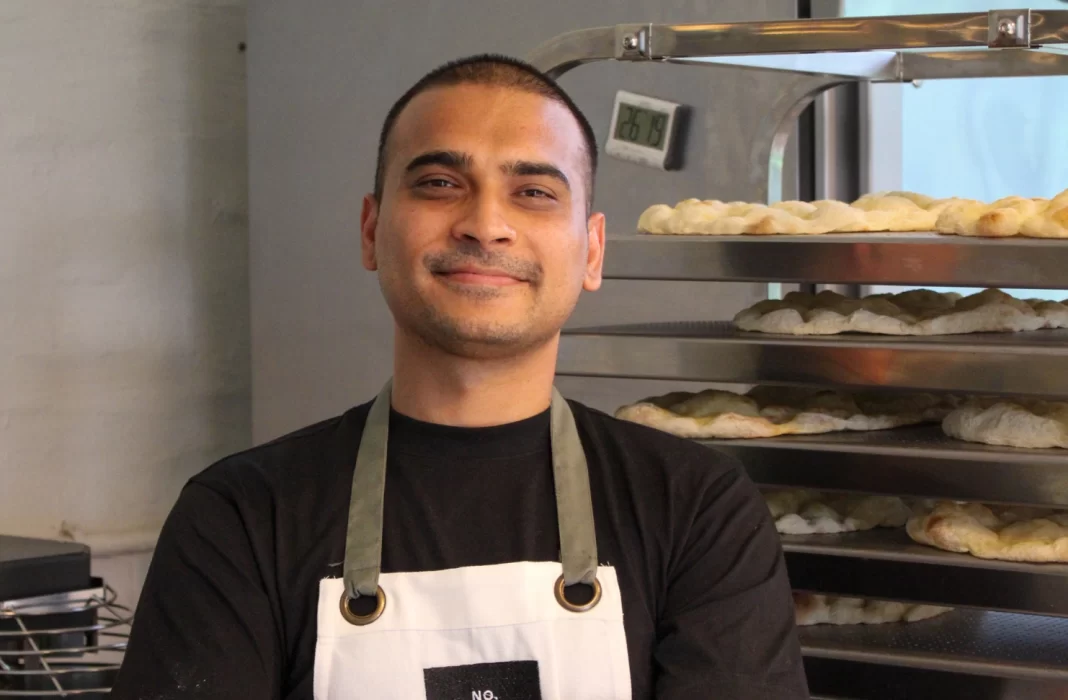

While most revolutions start with grand declarations, some do with a guy saying, “I want to do a small hole-in-the-wall pizza place with 3-4 tables to seat just 10–12 people.” At first, even Amol Kumar’s parents thought the plan was far-fetched.
“Their argument was that we are spoilt for choice in general, so people may not respond well to the opposite,” he remembers. Why would anyone want to eat at a restaurant that only served one thing?
But Amol had eaten real pizza in Italy. And he knew nobody in India was making it right.
So he went back to Italy, learned how to make dough properly, worked at a family pizzeria for months, and came home to prove everyone wrong. Nine years later, Leo’s ranks 41 in Asia Pacific’s Top 50 and is listed among the world’s Top 100 pizzerias.
Speaking with The Restaurant Times, Amol traces this journey and reveals why staying true to tradition became the most radical thing he could do.
The Hard Part Nobody Talks About
Those early days at Leo’s were brutal. While food lovers embraced the concept, others couldn’t digest this “new” texture and flavor of his Neapolitan pizza. “They would ask for their pizza to be ‘well done’ and ‘crispy’. They would also ask for the sauce to be spicier or tangier.”
Every single day, Amol had to choose: give people what they think they want, or stick to what he knew was right.
He stuck to his guns. “Staying the course at such moments very early on and not giving in to what others were saying definitely helped us stay true to the vision and get to where we are today.” It was a gamble that required immense faith, not just in his product, but in his customers’ ability to evolve. And, it worked.
Think about that for a second. Amol spent months watching customers complain that his pizza wasn’t “crispy enough” and never once changed his recipe. That’s either stubborn or genius. Maybe both.
What Makes Good Pizza
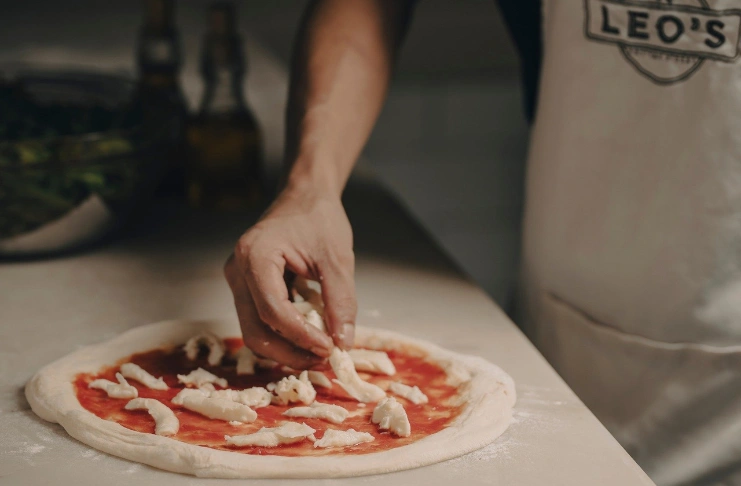
Here’s what most people don’t get about pizza: it’s not about the toppings. It’s about time.
“There’s a lot of process and science involved in dough making; time and temperature play a key role at every stage. We follow a 48-hour cycle for our dough, and we make sure we stay in that throughout the year.”
Forty-eight hours. While every other place is rushing to get food out in ten minutes, Amol is making dough that won’t be ready for two days.
“To me, artisanal means staying true to tradition and techniques, and we try to honour that every day.”
No shortcuts. No compromises. Just time, temperature, and patience.
Helping People Understand Food
The exciting thing about Leo’s success is how Amol had to introduce an entire country to what good pizza actually tastes like.
“From the very beginning, we have been educating customers about Neapolitan pizza in terms of taste, texture, appearance, etc., and continue to do that.”
He’s still doing it. Every day, new people walk in expecting one thing and getting something completely different. “Thanks to our massive population, there are always new consumers and there’s always an opportunity to share some wisdom.”
The result? Over time, people have started appreciating subtle flavours. They are now aware of what light and digestible dough is like. The same customers who had previously wanted crispy crusts or extra sauce began to appreciate the simplicity. It happened slowly, then all at once.
Adding the DIY-ness to the Heat
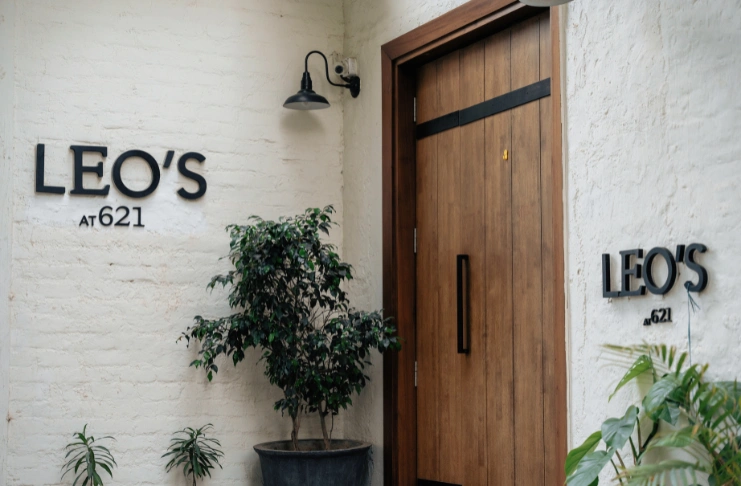
By the time Leo’s was thriving, Amol was ready to experiment with a second location. He wanted to add something experiential to the dining, and so “we just put some friends from our marketing team in aprons and asked them to give pizza making a shot with guidance, of course. It turned out to be a really fun experience.” And that’s how the idea of DIY pizza-making was born.
Today, people line up at 621 wanting to make their own pizza out of genuine curiosity about the process.
“A lot of our guests tell us that they no longer want dining out to be just sitting across a table from each other, eating, chatting, and going home. They want a wholesome experience, they want to have fun, and they want to take memories with them.”
This is where the industry is heading, according to Amol. “Micro-dining and interactive dining experiences have a lot of potential to define the future dining scene.”
What Nine Years Teaches You
“Leo’s will turn nine this December, and that’s definitely our biggest achievement so far. It started as a small mom-and-pop shop, and then it snowballed into what it is today. Initially, we weren’t even sure if there would be enough takers for our pizza to make it to year 1, and now we are almost 9.”
That’s what he’s most proud of. Not the awards, not the recognition. Just surviving. Just proving that doing one thing really well can actually work.
“There is no set formula; no two people will respond the same way to a given situation, and adapting at every moment is key. I learned it the hard way.”
The leadership lesson that took him years to learn:

The “Real” Amol Kumar
When he’s not making pizza, Amol is “in a forest walking 10,000 steps or building a Lego set.” His comfort food after all these years of Italian cuisine? “Korean BBQ and I’m also a huge fan of a good smash burger and fries.”
And yes, about pineapple on pizza: “I personally am not a fan of pineapple on pizza, but I don’t judge anyone who is. Food is meant to make us happy and make everyone feel included, so to each his own.”
That might be the most important thing he said. After nine years of fighting for authenticity, he still believes food should make people happy.
What Comes Next
Amol sees the future clearly: “Single product brands and very focused restaurants with small menus will lead us into the future.”
Because “people are looking for more fulfilling experiences” and “food no longer needs to be localised or Indianised. As people, we want the real deal.”
He proved you could build an entire business around doing one thing perfectly. Now everyone else is trying to figure out how to do the same thing.
The crazy part? He’s still just trying to make good pizza. “Our core has always been to stay true to Neapolitan techniques, flavours and methods.”
Some things never change. And maybe that’s the point.