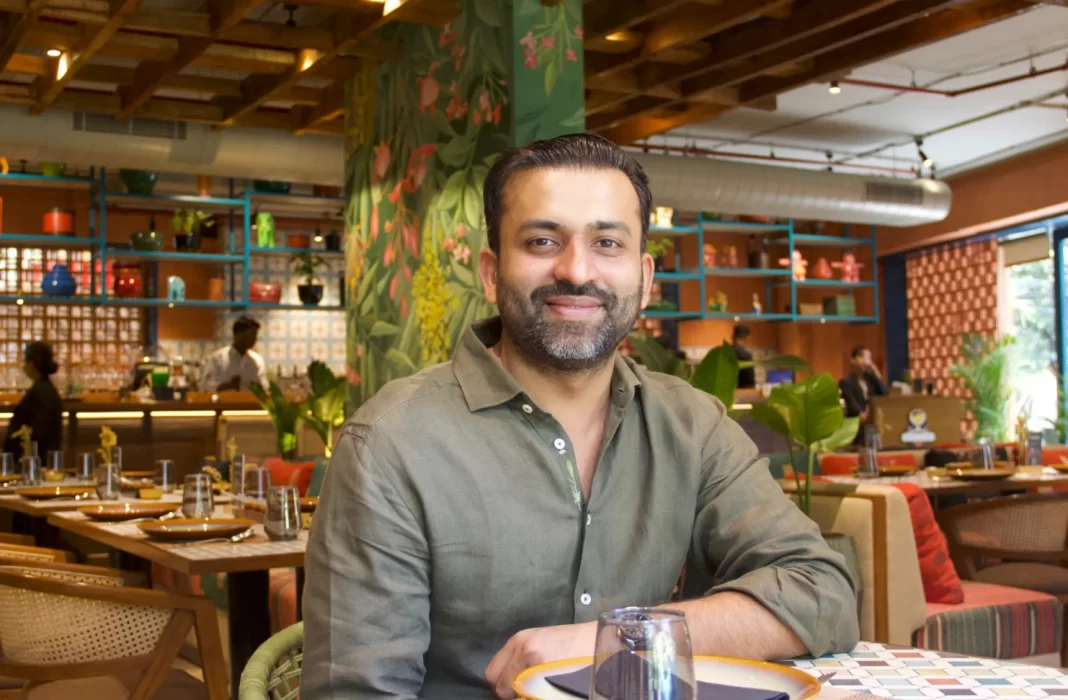

Ankit Gupta belongs to a lineage of hoteliers and restaurateurs. Maybe that’s why opening a brand of his own was never a question of if, only when.
Along with his childhood friend Chirag Chhajer, Gupta built Burma Burma.
His mother and her family were brought up in Myanmar, which set the base for his early introduction to the flavours of Burmese cuisine. “She moved to India after marrying my father, but her Burmese roots had a great influence on me,” he says.
The cuisine in Myanmar has been influenced by India (for the record, communities like the Marwaris are settled there), but it is very different from the Thai, Indian, and Chinese food that we are familiar with. Samosas are part of the country’s cuisine, as are idlis, though both have undergone several variations.
Burma Burma makes no attempt to dilute that authenticity. Even its name follows the roots. In Burmese culture, words are traditionally repeated. Naming the restaurant Burma Burma, Gupta felt, was the most honest way to stay true to its origins.
The Research
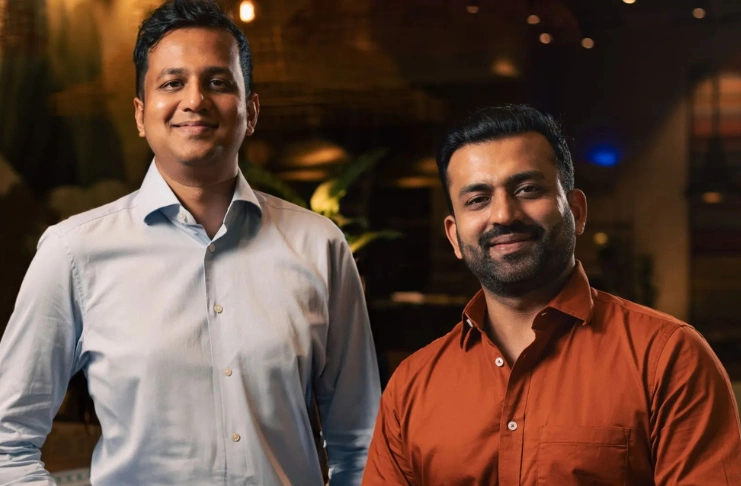
In 2011, Gupta travelled to Myanmar with his head chef, Ansab Khan, to explore the idea of a specialty restaurant. As he later told ELLE India, “Once I visited Burma, I wanted to ensure that we captured what we saw there and what I grew up eating, in the form of a restaurant. It was organic, and it was years of building up which led to this.”
The trip was an eye-opener in the most literal sense.
Walking the streets of Yangon, Gupta and Khan ate 14 to 15 meals a day. “Restaurants as a concept were not there back then,” Gupta recalled. “It was more like street-side food cart vendors, a salad cart giving out 35-40 varieties of salads, noodles, a falooda shop only serving Burmese falooda.”
Back in India, they tested the concept through a series of pop-ups in Mumbai and Goa. The response was strong, which gave Gupta the confidence to bring in Chirag Chhajer as a co-founder and open their first restaurant in Kala Ghoda, Mumbai, in 2014.
A decade later, Burma Burma has 13 restaurants and delivery kitchens spread across Mumbai, Delhi NCR, Bengaluru, Kolkata, Ahmedabad, and Hyderabad.
Vegetarianism
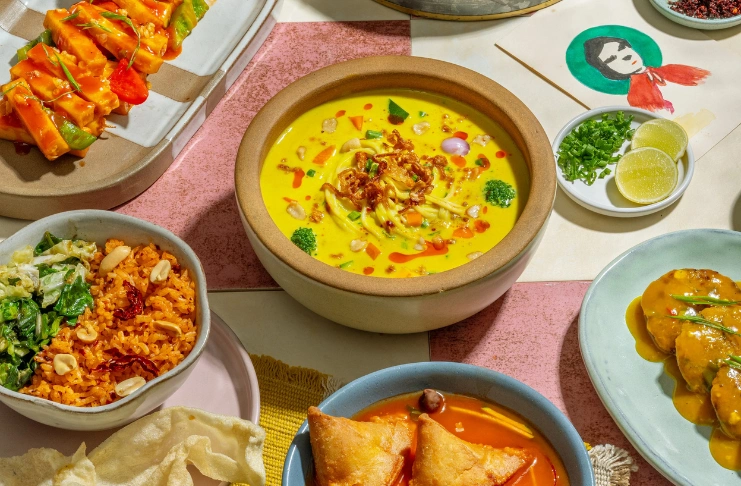
The demand for healthy food is on the rise as people are becoming more health-conscious. And Burma Burma has found itself well-positioned for this shift by the nature of its cuisine.
“Burma Burma is not only vegetarian but 80% vegan, as well. We have a gluten-free list, we only use brown rice, and we offer a variety of tea. Healthy food works for us, and we are known for our salads, such as tea leaf salad, raw mango salad, and more. There is no use of cheese, and there is no alcohol,” says Gupta.
Interestingly, Burma Burma was never meant to be exclusively vegetarian. At the early pop-ups, non-vegetarian dishes were also on offer. But as Gupta observed, around 80 percent of those coming in gravitated toward vegetarian options.
Burmese non-vegetarian dishes, he explains, can be strong and pungent — “slightly overpowering,” as he puts it — which means non-vegetarians themselves often prefer the plant-based dishes.
The Location
Location is one of the most important factors in setting up a brand, and it is the first factor that determines its future. Even a difference between a ground floor and a second floor can make a revenue difference of 60%- 70%. So, location becomes extremely important.
Visibility plays a significant role. According to Gupta, most customers make last-minute dining decisions based on what restaurants they happen to see when walking or driving.
Before finalising a location, it is also important to consider the competition already in the area. A lot of competition is not always a bad thing since it means that the market is healthy. However, minimizing the direct competition is important. It gets difficult to compete with restaurants that are already established and that share the same style and concept as yours, mentions Gupta.
Marketing Dynamics
However good a product is, it will do no good if there is no marketing and it is not brought into the limelight. According to Gupta, the first three months after a restaurant opens are the most crucial for setting up the brand. If the restaurant doesn’t set a standard during this span, reviving after three months gets difficult. Hence, it is essential to have a well-planned marketing strategy before, during, and after the launch.
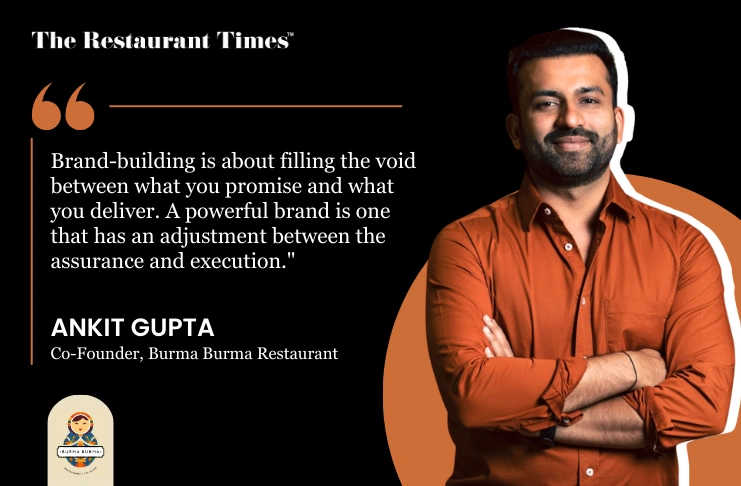
Burma Burma has many tie-ups with media and print partners (nearly 12 through which they conduct their branding). They also have strong PR and an in-house digital marketing team of their own.
Beyond marketing, Gupta believes the brand has stayed relevant because the food they offer genuinely has no alternative. As he said, “If you like our samosa soup, tea leaf salad, or steamed baos, the only place you can have the same flavour is Burma Burma.” That exclusivity is something no amount of marketing can manufacture.
Importance of Staff Happiness
Keeping their staff happy should be the prime goal of any restaurant owner (or employer). If your team isn’t satisfied with how things work at your restaurant, it will reflect in their service as well.
Happy and motivated restaurant staff go out of their way to deliver impeccable experiences to customers.
Burma Burma sources a lot of freshers who have a genuine intent toward having a career in the industry. “Coming from the Taj, the philosophy of service is ingrained in me. I have personally worked as a waiter during my training, and so I do empathise with the problems the staff faces,” says Gupta.
Your staff must realize that they are an essential part of running the brand. The HR policies need to be very strong on remuneration and payment. And as the brand expands pan-India, chances of vertical promotions grow too, something Gupta sees as a key motivator for long-term retention.
From 55 employees at inception to nearly 950 today, that internal growth pipeline has clearly been put to use.
Technological Bedding
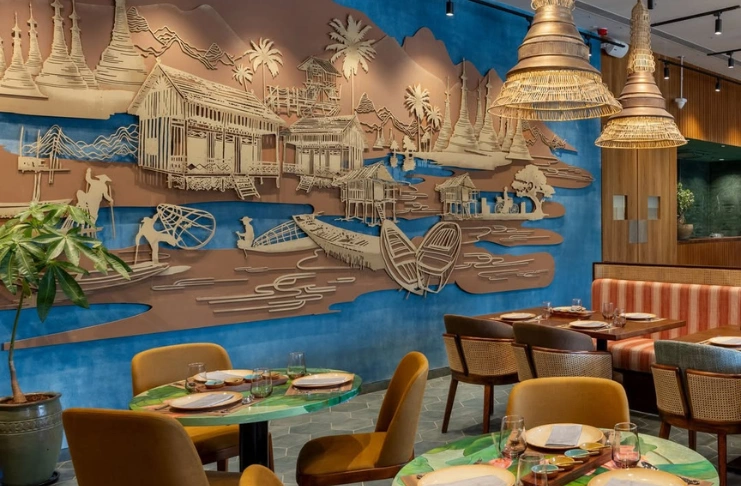
The Restaurant of the future is likely the most extreme example of how far science has gone to understand the dining patterns of a consumer, food choice, practical design and layout, the influence of lighting on buying and eating behavior, presentation, packaging, preparation, and dozens of other components within the dining experience, says Gupta.
According to him, the most recent and prominent technological advancement in the restaurant industry is undoubtedly point-of-sale software. It has made things very easy, and everything is streamlined quite efficiently.
What’s Next
Burma Burma plans to expand its presence in existing cities and international locations. Gupta believes that London and Dubai are most ready right now for Burmese cuisine, given the large South and Southeast Asian diaspora there. The brand is also eyeing an IPO by 2027.
“It’s been an incredible journey,” Gupta reflects. “From one idea rooted in my mother’s kitchen to a brand across thirteen cities. Burmese cuisine is still unconventional in India, but that uniqueness is our strength. We’ve only just begun.”