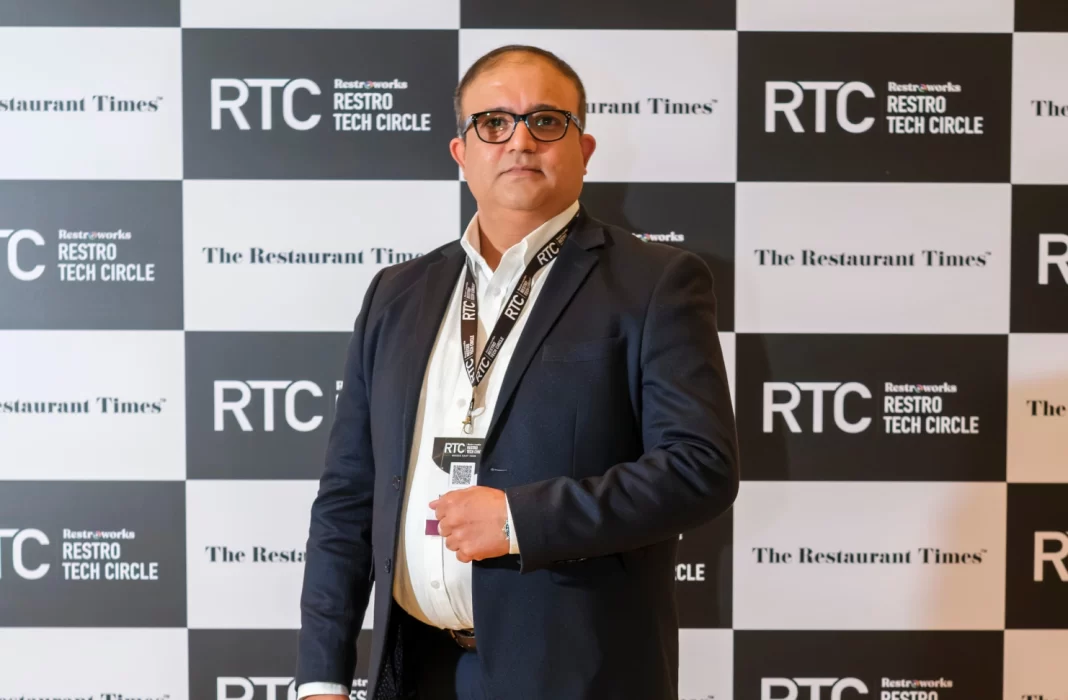

If you’re a tech leader working in the QSR industry, here’s some advice for you: “Spend a week in the kitchen.”
And no, don’t just observe from a distance, but actually work alongside the team while they use whatever technology you’re about to roll out.
That’s Nikhil Sharma‘s advice verbatim.
Basically, feel what it’s like when the lunch crowd hits, and somehow your KDS lags.
“As an IT leader, we have been thinking from the IT department perspective, which means that we don’t talk the language the same way operations does or the kitchen department does,” Sharma explained at the recent RTC event in Dubai.
“We talk about KDS, we talk about digital menu boards, we talk about self-ordering kiosks. But before even implementing anything in the stores, each IT team leader should at least spend one week in the kitchen, in the store, working with the team, understanding their pain points.”
Mind that Nikhil Sharma has been in the F&B and QSR tech sector since 2002. He’s worked with MICROS for 7 years, then moved through KFC and Yum! Restaurants in India, Americana in the UAE, and now serves as IT Director at Jollibee UAE, where he oversees infrastructure and security across 28 stores.
Over the years, he has first-handedly experienced multiple tech failures. And the problem, he says, isn’t the technology but how it’s deployed.
Hotels Vs. QSR: Boasting Different Speeds Entirely
The hospitality industry figured out standardization decades ago. Enterprise-level hotel chains operate on stabilized systems with consistent applications and integrations across properties.
QSR could never achieve such an equilibrium.
“QSR is a very dynamic industry, and the changes in its technology field are very fast-moving,” Sharma says. Take digital menu boards, self-ordering kiosks, or loyalty platforms dropping back-to-back. Each wave of innovation arrives before the last one has been properly integrated.
The result is operational chaos disguised as progress. We keep investing in technology stacks that look impressive on paper but create friction on the floor.
Nikhil Sharma on Tech Localization Issue
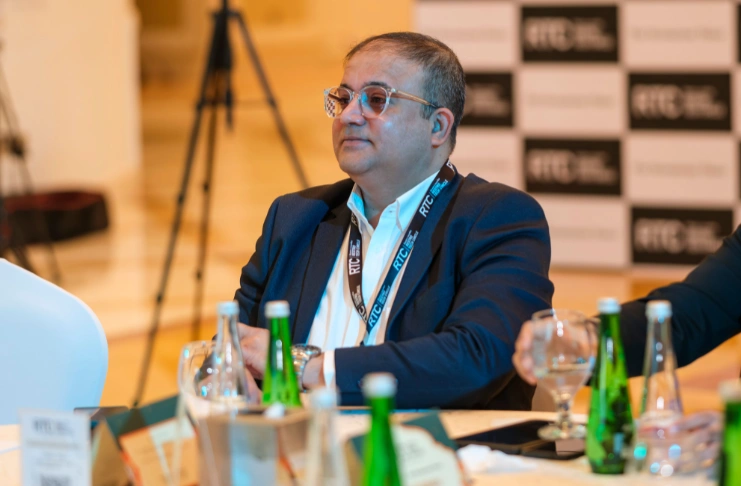
Hardware can be standardized. A self-ordering kiosk in Dubai uses the same components as one in London. Network switches, access points, digital menu boards, all of that can stay consistent across markets. Sharma gets that. But standardization, basically, ends there.
“The kind of user experience we have in the UAE is completely different from how users operate in other countries like the UK, Italy, or Southeast Asia,” he points out. And that’s why the UI and UX need to be localized. It must be fundamentally reimagined for how customers in different markets actually behave.
Financial reporting can remain standard across regions, but user-facing systems need to adapt to local expectations and workflows.
Most QSR brands do this backwards. They standardize the customer experience and localize the backend. Sharma suggests flipping it ASAP.
The Loyalty Shift
Sharma believes loyalty applications represent one of the most genuine shifts in how QSR brands need to think about technology.
“As a consumer, if I’m frequently visiting a store, I feel connected to the brand, and similarly, when I’m visiting the store, and I’m being loyal to a particular brand, I feel that I should be recognised as a customer by the brand,” he explains.
That’s where recognition becomes the core value proposition.
Not to mention, most QSR brands globally are now moving toward loyalty applications, but the implementation often misses the key.
A loyalty app that requires too many steps, offers irrelevant rewards, or feels disconnected from the in-store experience becomes just another piece of technology.
The question isn’t whether to build a loyalty app. It’s whether the app reinforces or disrupts the relationship customers already have with the brand. Does it make them feel seen, or does it feel like another corporate program demanding their data in exchange for minor discounts? Think about it!
Experimenting Outside the Store
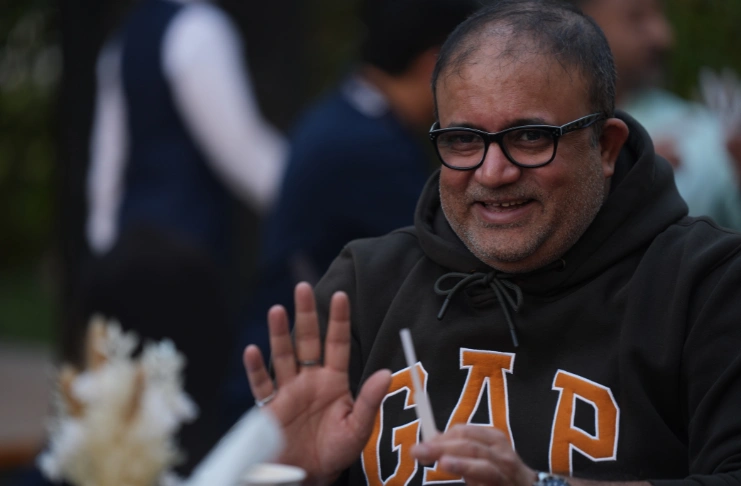
When experimenting with a technology, Sharma is against doing it on customers first.
Be it user acceptance testing or system integration, it must happen outside the store. The solution needs to be proven and re-proven, with all pros and cons identified and addressed before it is implemented.
In the simplest terms, only after internal teams are satisfied with the application should it reach the market.
This sounds quite obvious until you realize how a big chunk of QSR brands routinely deploy half-tested systems to live environments, treating their customers and staff as beta testers. While they realize it or not, the cost is often customer trust, employee morale, and brand reputation.
The 360-Degree View
Throughout the interview, Sharma emphasises the importance of IT leaders having a 360-degree view of how technology impacts operations. This demands understanding not just the technical perspective but also the viewpoints of kitchen staff, front-of-house teams, and customers.
And, of course, you’ll never get this data from dashboards or reports. It can only come from standing in the kitchen during lunch rush, from watching customers interact with a kiosk. From listening to staff explain why a particular workflow isn’t practical.
Unfortunately, most IT leaders out there have the technical skills but lack the operational empathy. They fail to see tech as something that needs to fit seamlessly into an existing ecosystem of human behaviors, workflows, and expectations.
Building Technology That Lasts
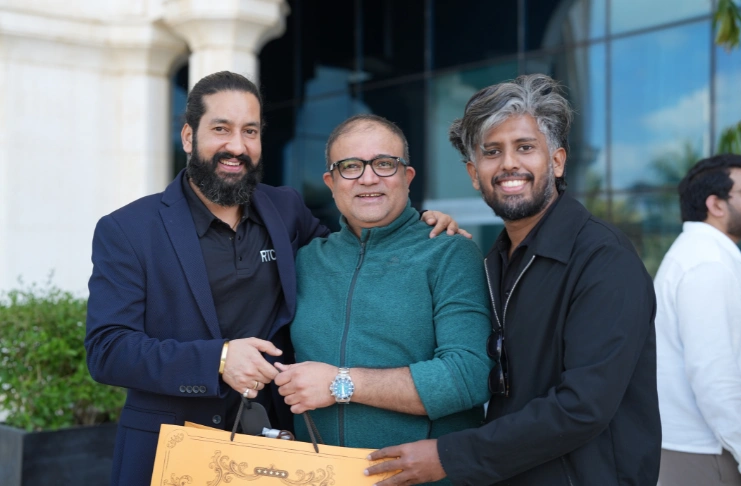
According to Nikhil Sharma, scalability and cost-effectiveness matter, but ease of use matters the most.
If staff can’t operate any tool intuitively, if customers find it frustrating, if it creates more work than it eliminates, then the technology has failed, regardless of its technical sophistication.
QSR moves fast. Technology changes faster. But the fundamentals of good implementation have been the same for decades: understand the problem deeply, test thoroughly, deploy carefully, and listen constantly to the people using your systems.
Sharma’s message to IT leaders is to get out of the conference room, spend time in the kitchen, and build technology that serves people instead of the other way around.