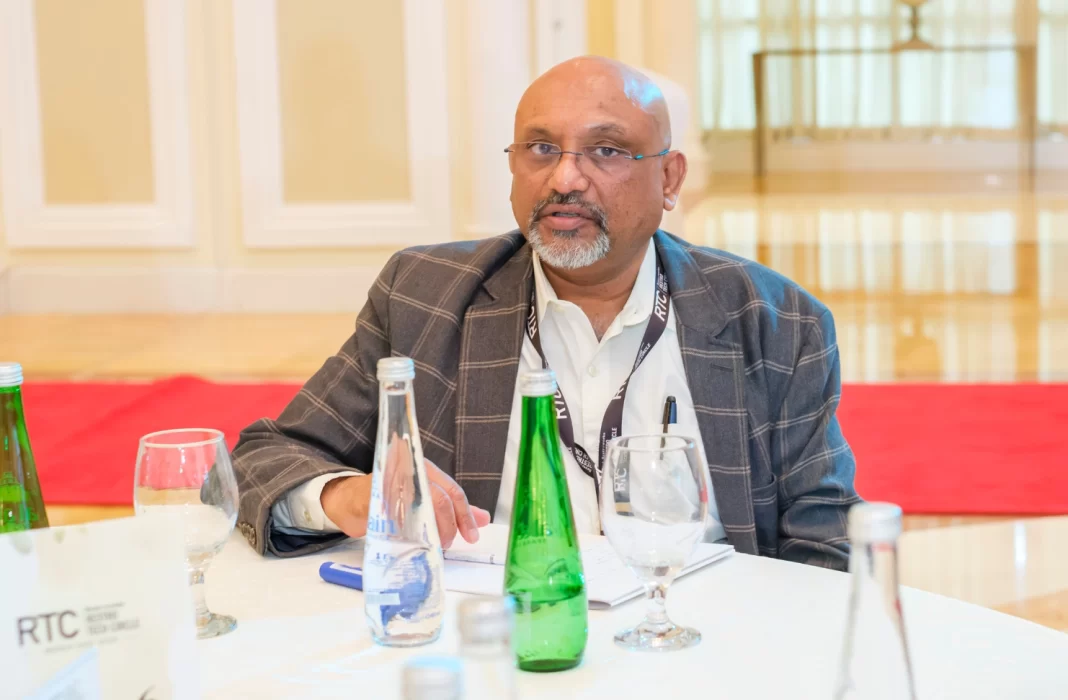

When talking about something super-technical, metaphors often fall flat. But when Sathya Kanth Pottumarthi, at a recent RTC event, compared modern IT transformation to “repairing a battleship while it’s sailing on the high seas,” we had to admit, the imagery landed.
And maybe it comes naturally to someone who has lived 25+ years steering organizations through legacy system overhauls, vendor ecosystems, and digital reinvention.
Pottumarthi, an instrumentation engineer by training, is a part technologist, part strategist, and part mentor.
He wears some really good advice for organizations on his sleeves. For starters, he says, “Organizations cannot/and should not stop reinventing themselves. Break systems into smaller modules, pilot innovations in one unit, and scale gradually. Just don’t stop.”
Breaking Down the Pain Points
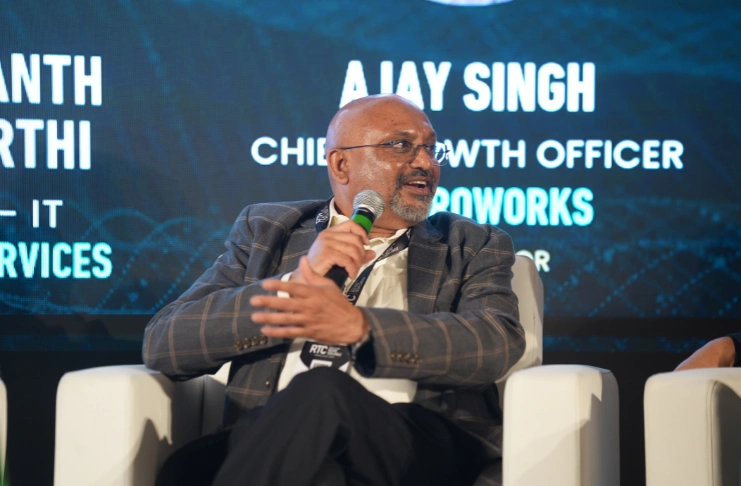
Pottumarthi’s analogy of repairing a battleship captures the essence of legacy IT conversion.
After all, large organizations, particularly in industries like restaurants and retail, cannot afford downtime. Systems must be modernized while the business is live.
His recommendation?
Start with Modularization. Break down massive systems into smaller, manageable units. Why? Monolithic IT fails precisely because everything is connected. One problem, and the whole system suffers. Modular systems, on the other hand, isolate damage, so if one part breaks, the rest still keeps working.
Then design a pilot-first strategy: Don’t roll out change everywhere at once. Test innovations in one store or unit before going full-on scale. Before implementing any tech, ask yourself:
- Can it scale?
- Does it address the organization’s ‘real’ operational requirements?
- Does it integrate cleanly with the existing systems?
Make sure that with each upgrade, your system becomes faster & secure.
Incentivizing Learning and Risk
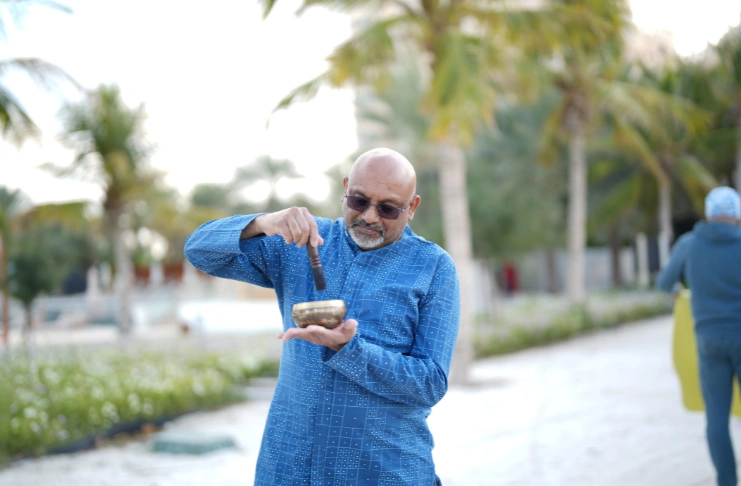
For Pottumarthi, technology leadership is inseparable from culture. He insists that organizations must incentivize learning and create safe environments for experimentation.
“We should allow teams to take risks and do innovative thinking,” he says, emphasizing the importance of test environments where ideas can be trialed without fear of failure.
This mindset echoes Silicon Valley’s mantra of “fail fast,” but Pottumarthi frames it in a more grounded way.
Innovation, in his view, is structured curiosity that demands testing, validating, and scaling only what works.
Vendors as Partners
In industries where technology is not the core product (like restaurants), Pottumarthi stresses the importance of vendor ecosystems. He rejects the transactional notion of “vendors” and instead calls them partners.
How does he judge the credibility of his partners? He looks at these three key parameters:
- Innovation capacity: Are they actively adapting to new technologies?
- Market responsiveness: Do they evolve with customer needs?
- Support systems: Is after-sales and long-term support reliable?
This perspective is crucial in sectors where customer experience is king.
Restaurants, he argues, should not be distracted by their brand legacy but must constantly study customer needs and innovate accordingly. “It’s not just about food and ambience anymore,” he notes. “It’s about the experience we give to the customer.”
Navigating Digital Crossroads with Sathya Kanth Pottumarthi
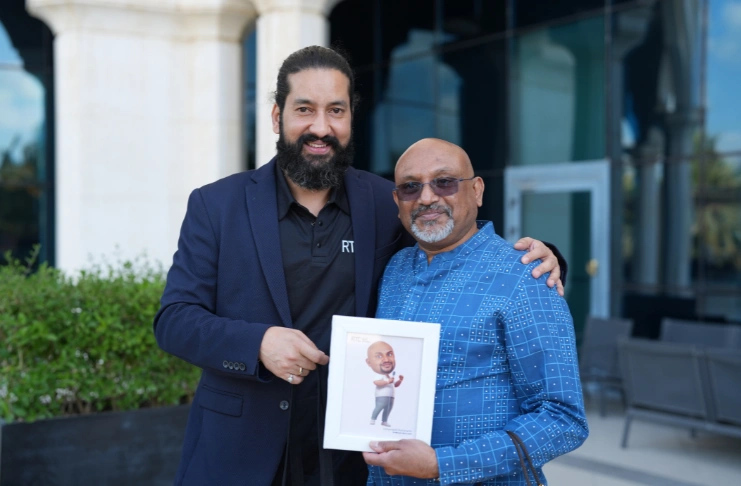
One thing Pottumarthi often notices and, in a way, warns against is “relying on your name unless it’s earned every day.”
He advises restaurants to study their customers across segments, behaviors, and expectations. Why? Because modern diners, along with good food, expect engagement, personalization, and novelty.
Technology, therefore, becomes the invisible backbone of customer experience. It no longer just supports functions but drives brand relevance.
From the Biker’s Perspective
Perhaps the most revealing detail about Pottumarthi is his love for biking in the mountains. In fact, it’s a metaphor for his professional ethos.
Riding through unpredictable terrain demands patience, control, awareness, and the ability to adapt on the move. You cannot force the road to behave. All you can do is adjust, recalibrate, and keep moving.
That same logic shapes how he approaches IT transformation. He focuses on sustaining momentum, maintaining stability, and keeping the system, like the rider, upright even when the terrain becomes unpredictable.