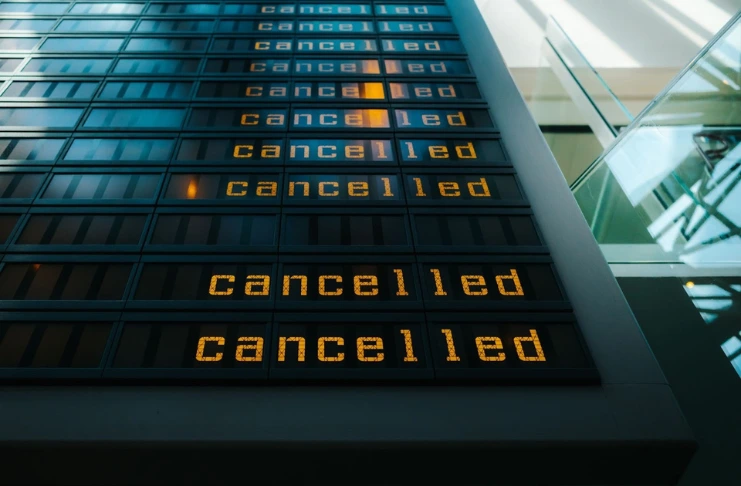

A wave of flight cancellations by India’s largest carrier, IndiGo, has forced many companies to suspend non-essential travel and postpone meetings and conferences, a move that is hitting the hotel industry hard across the country. What’s really happening is that:
- After mass flight cancellations, companies are taking a cautious stance, opting to avoid official travel and instead rely on virtual meetings. This has significantly reduced demand for hotel rooms, especially those booked for business travel and corporate events.
- Some hotel chains are reporting sharp drops in bookings: for instance, one chain estimated a roughly 5% dip in expected revenue for the quarter.
- Conference-based stays, corporate bookings, and planned group events, key demand drivers in the hospitality calendar, have seen a wave of cancellations, compounding the impact of travel disruption.
Interestingly, the fallout hasn’t been uniformly negative across all hotels. Some properties have been occupied by stranded passengers and crew members of IndiGo, helping offset some losses. According to reports, the airline arranged thousands of hotel rooms per day for displaced passengers, which offered a temporary buffer to hotels.
Still, for many hotels, especially those dependent on a steady flow of business travellers and corporate events, the disruption has come at a sensitive time, as it coincides with what is typically a busy season.
This episode underscores how interlinked aviation and hospitality sectors are: disruptions in air travel ripple fast across hotels, events, and tourism. For global observers, it highlights that volatile airline operations, whether from regulatory changes, staffing issues or other challenges, can significantly destabilize demand for hospitality services.
The current turbulence confronting India’s hotel sector is a stark reminder: in hospitality, stability in one segment (air travel) can make or break demand in another (lodging and events). As hotels feel the squeeze, they must adapt by diversifying target segments, renegotiating event and corporate bookings, and building agility to ride through unpredictable external shocks.
While temporary relief from stranded passengers offers some respite, sustainable recovery will depend on restoring trust in air-travel reliability and planning for volatility.